

Yep, Australia has yet another new Chinese brand – and this one is one you’ve likely never heard of (we hadn’t until recently): Forthing.
Most Aussies also won’t know much about Forthing’s parent company Dongfeng, despite that company shifting millions of vehicles a year and sitting comfortably among China’s largest car makers.
And right now Forthing is having trouble even telling you what the first car its launching Down Under is called.
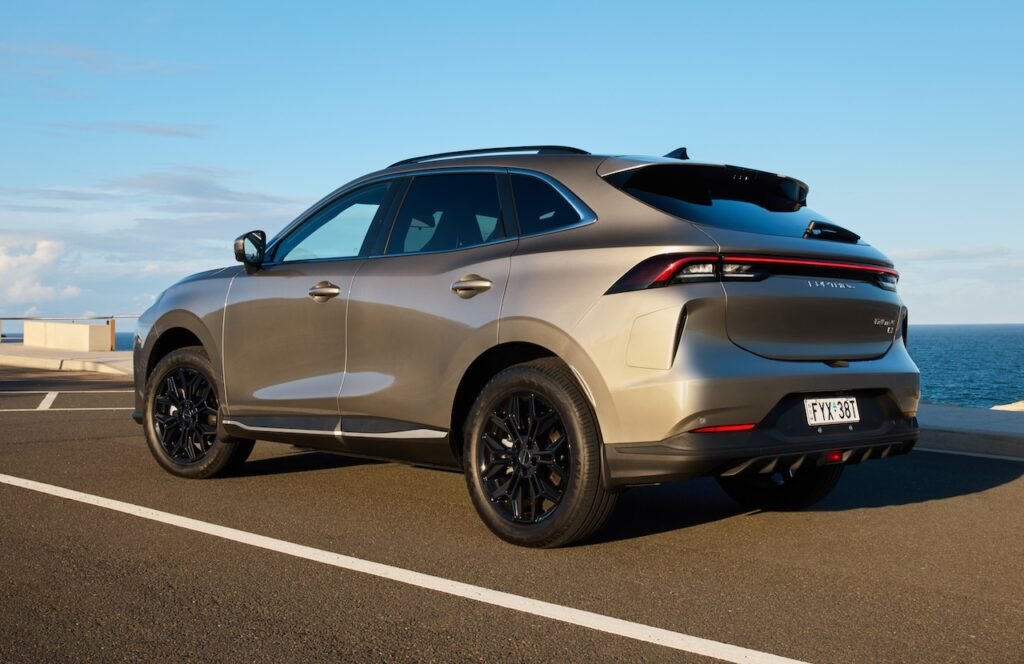
The mid-sized SUV was certified for sale as the Taikon 5.
But for now, Forthing and its dealers aren’t publicising it.
That’s because Porsche has lodged a trademark infringement claim in New Zealand, arguing Taikon is too close to Taycan (in name, not car…), and Porsche parent Volkswagen has added to the legal challenges on the basis that Taikon is uncomfortably close to Tayron.
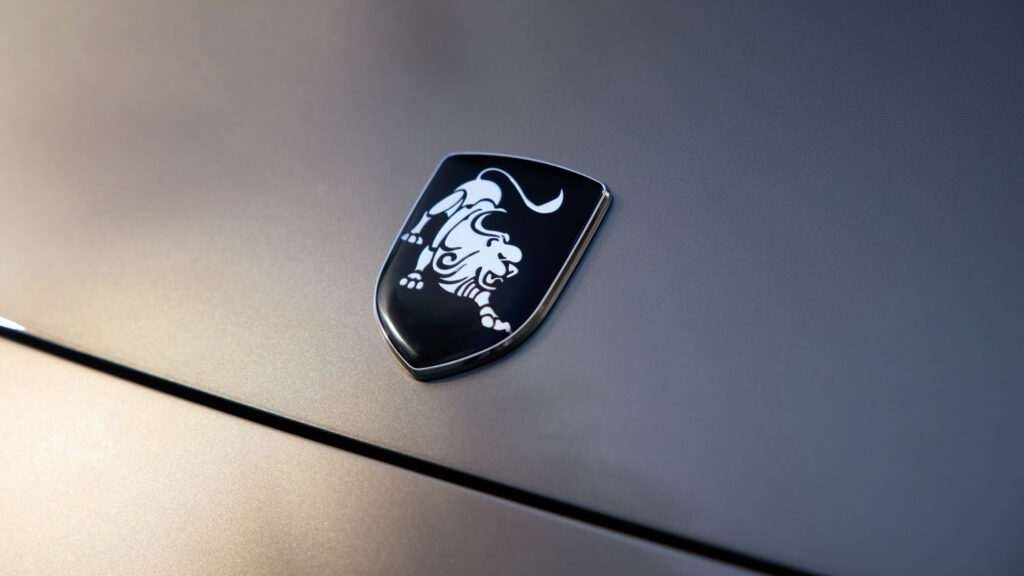
Neither action legally compels Forthing to do anything here.
But it has pulled the name from local marketing anyway as a precaution, leaving dealers selling something badged the Forthing Electric or the Forthing Range Extender Hybrid.
The cars can still wear Taikon 5 badges (the cars we sampled had the badges removed) although what happens when a court decision is made – something expected before the end of 2026 – remains to be seen.
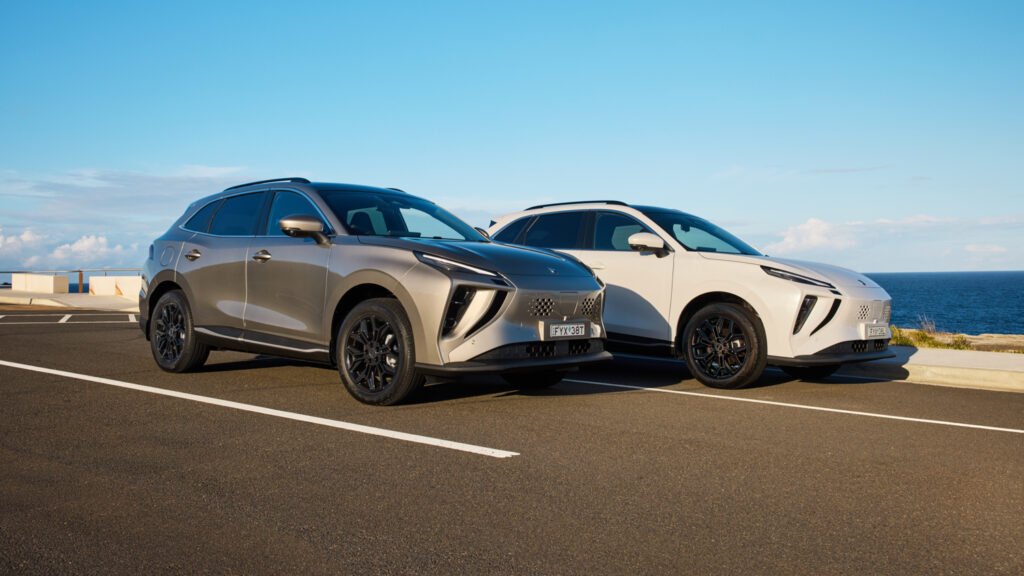
As for Forthing itself, local importer Ateco – which also looks after Renault, LDV, Ram and Maserati – says the time is right for another new brand.
The sheer number of brands and the shift in buyer sentiment towards Chinese vehicles certainly suggests initial hesitance toward little known car makers is waning.
2026 Forthing Taikon 5 EV price and equipment
The Forthing Taikon 5 is available in two flavours: full battery electric vehicle (BEV) and range extender electric vehicle (REEV).
That REEV is very similar to a plug-in hybrid EV (PHEV) except the only thing driving the wheels is an electric motor (in a PHEV the engine can also drive the wheels).
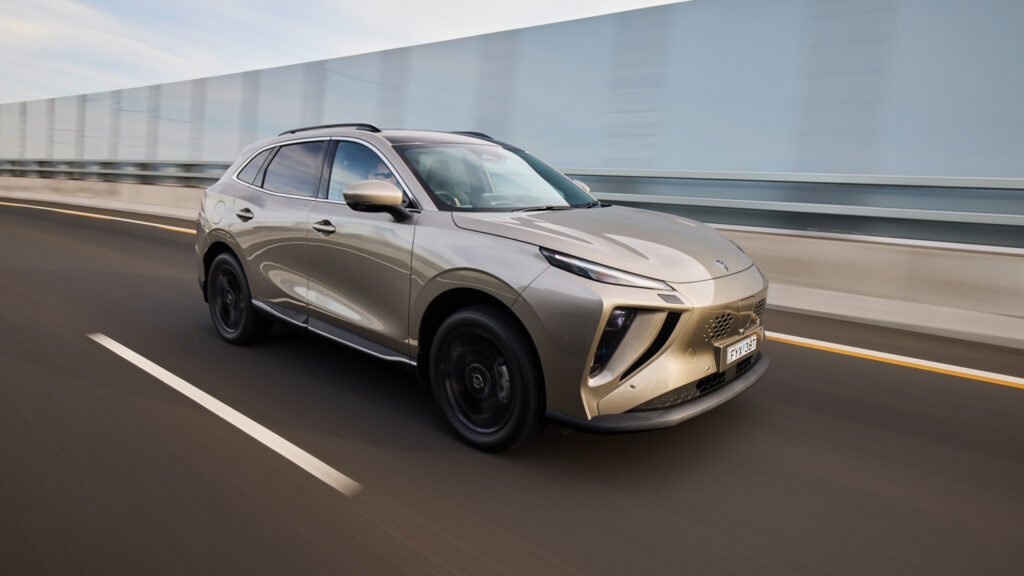
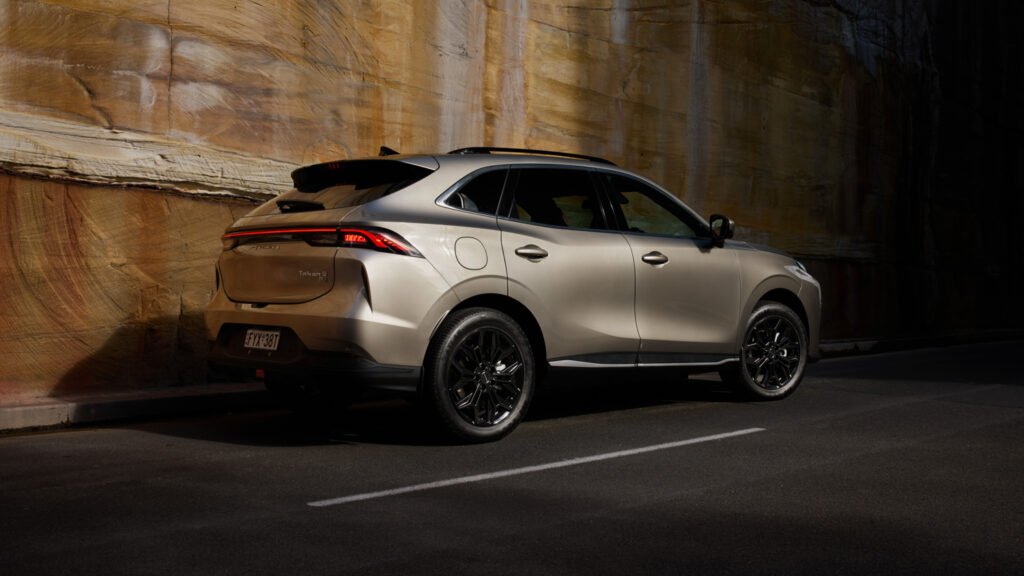
The BEV and REEV look almost identical, with the only differentiating features of the REEV version being its fuel flap on the right rear of the car and the exhaust pipe hanging below the back bumper.
The battery electric Taikon 5 kicks off at $38,990 drive-away, which is sharp by mid-sized SUV standards.
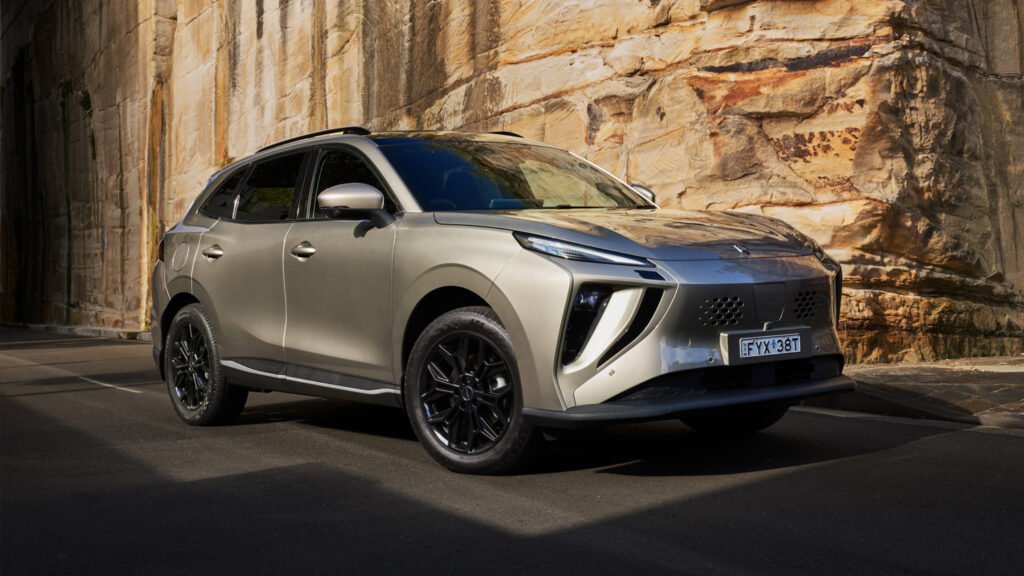
It drops the Forthing squarely into a budget priced electric vehicle brawl with the BYD Atto 3, Geely EX5, MG S5 EV and Leapmotor C10.
It’s an increasingly popular segment of the market where the pricing screws have already been turned hard.
For the money there is 427km of claimed range.
It is not a headline figure by EV standards, but measured against what else sits on the road for less than $40K it is seriuously competitive.
Two equipment grades are offered.
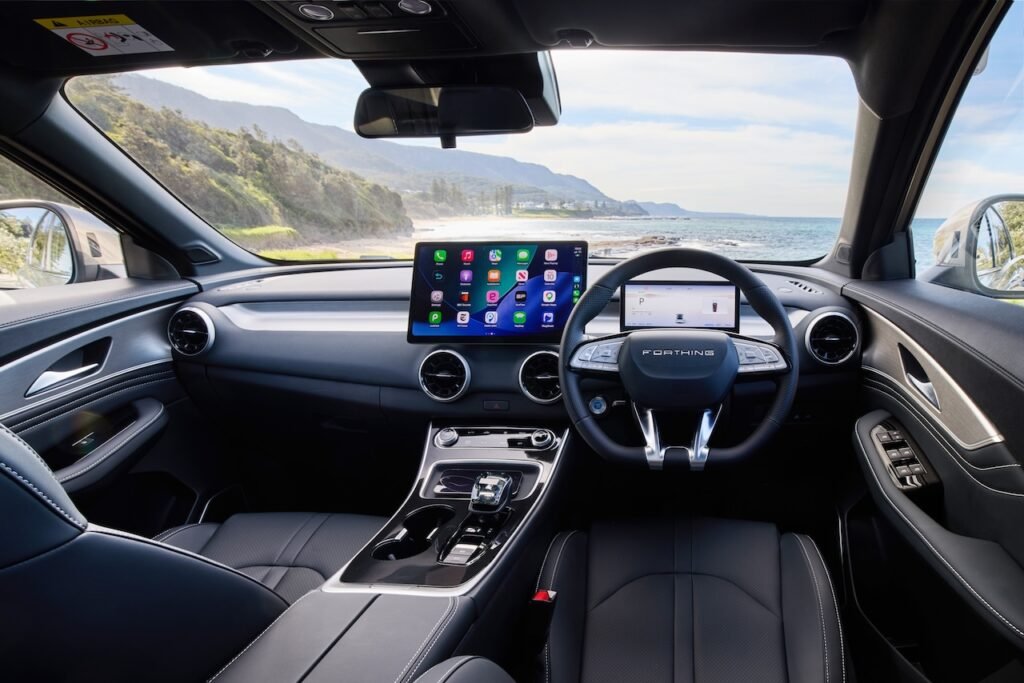
The base model gets a 14.6-inch central touchscreen, a cooled wireless phone charger and a cabin that doesn’t feel obviously stripped.
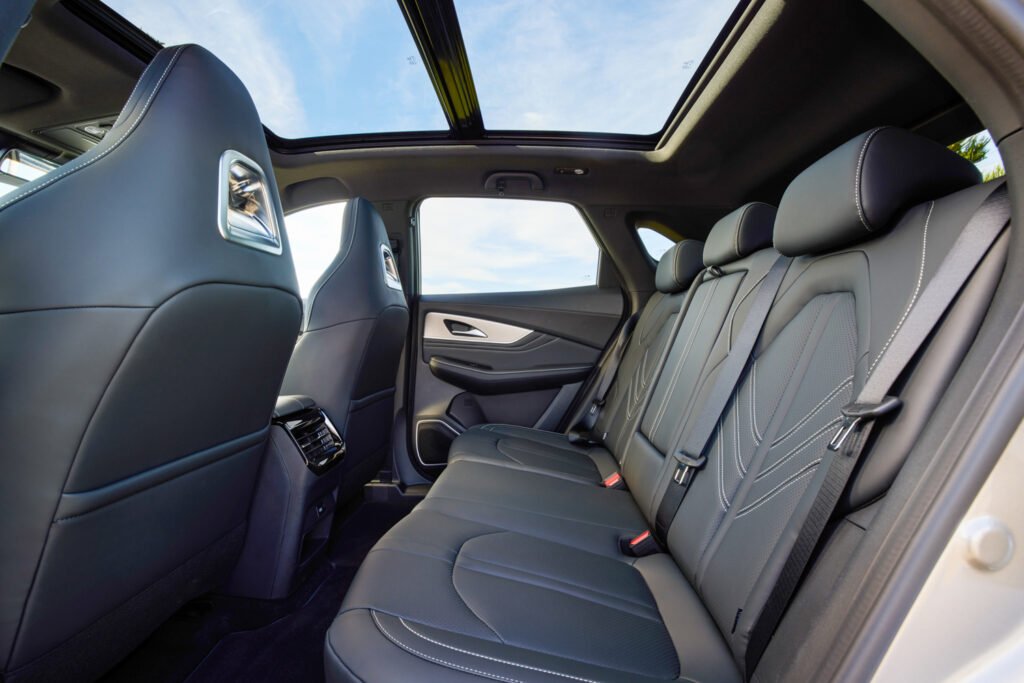
The Exclusive adds $3500 and extra gear: panoramic sunroof, massaging front seats, powered tailgate and a 360-degree camera.
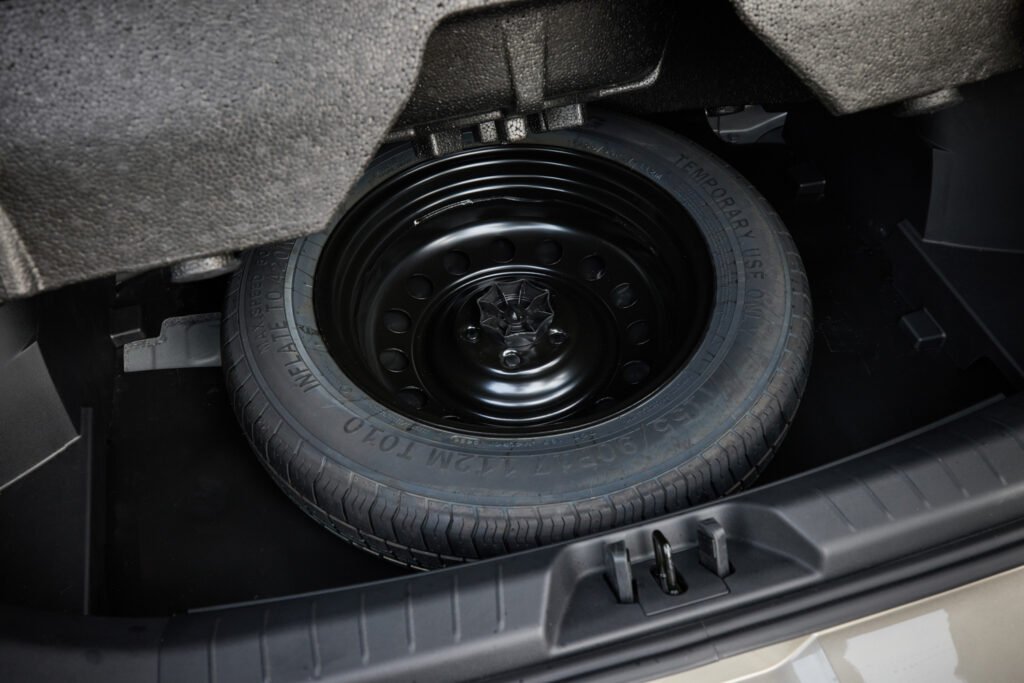
The Exclusive also brings something almost unheard of in an EV – a spare wheel.
Sure, it’s only a space-saver, but it means you won’t be wrestling with a can of goo if you do get a puncture.
It’s also worth noting that the Forthing REEV misses out on the spare, because its motor occupies the space under the rear floor.
Safety systems are comprehensive and, importantly, locally calibrated.
Importer Ateco has done Australian ADAS (advanced driver assistance system) tuning.
What you don’t get, in any version, is remote connectivity.
There is no app – no remote locking, no checking on the car from the couch, no scheduling a charge from your phone.
Forthing says a mild model update will bring it, likely in 2027.
The Forthing BEV is covered by a seven-year, 200,000km warranty with the high voltage battery covered for eight years/200,000km.
Servicing is due every 12 months or 20,000km and ranges between $195 and $665 for the first five years; the five-year servicing total is $1815.
2026 Forthing Taikon 5 EV: What we think
The cabin in Forthing Taikon 5 is generic in a Chinese EV sort of way.
Its 14.6-inch screen looks as though it’s sourced from the same supplier that dozens of EVs use.
Not that it’s a bad thing.
The icons, layout and the way it behaves is similar to many others, with a swipe from the top of the screen reveals a menu and programmable lower icons to take you to an app menu and other commonly used features.
Forthing has also fitted fixed buttons for the ventilation controls, although the sooner they put a dial in to adjust the audio volume the better.
Large circular vents are opened and closed by twisting the outer ring.
The crystal-look gear selector is trying to look upmarket and the wireless charger sits the phone neatly ahead of it.
The gear selector needs two pushes rearward for Drive and two pushes forward for reverse; it’s the same double-movement arrangement Volvo and Polestar used before a software update meant you only had to push it once.
Materials are grey with silver highlights and are fine. Classy enough but also somewhat forgettable.
On the road is where the sharp pricing starts to explain itself.
The EV is front-wheel drive with a single 150kW motor, and asked for everything out of a tight corner it will chirp the front tyres as the torque wins the battle.
It’s not unique to the Forthing – plenty of front-drive EVs do it.
Throttle response is not the instant hit many EVs deliver.
Press the pedal and there is a moment of consideration before anything happens.
It’s less obvious on the run, but the edge is dulled.
There is a gluey vagueness to the steering and very little feedback, taking the edge off the driving experience.
The screen offers eco, normal and sport settings for steering weight, alongside pedal response and three levels of regen, and while sport genuinely changes the effort it doesn’t dramatically change the character.
The brakes pull up fine, but there’s a slightly computer-game quality to the pedal movement.
The tyres don’t help. The EV rides on 19-inch Atlas rubber and grip levels are modest at best.
They can squeal without you doing anything particularly enthusiastic.
The suspension is not tied down particularly well and the body flops around more than it should.
On a bumpy, twisty road that adds up to a car that can feel a handful.
It is noisier than expected, as well. The motor has a distinct whine that builds with speed – not internal-combustion loud, but loud by electric standards.
The driver assistance is thoroughly respectable though.
Ateco’s local calibration shows: lane departure warning will occasionally have a word, but is not overly intrusive and nowhere near as hyperactive as some of what is arriving from China.
2026 Forthing Taikon 5 EV: Verdict
There is a lot of metal, equipment and range here for $38,990 drive-away, and in a market where value is a large chunk of the argument that means plenty.
But the compromises come in the dynamic package.
There’s also the obvious leap of faith of going with a brand with no local history, although at least the importer has a solid track record.
If price is the reason you are looking, the case holds. If you are weighing it against the range-extender parked next to it, that one is cheaper, quieter and better to drive.
SCORE: 3.0/5
2026 Forthing Taikon 5 EV price and specifications
Price: From $38,990 drive-away
Basics: EV, 5 seats, 5 doors, mid-size SUV, FWD
Range: 427km (WLTP)
Battery capacity: 64kWh
Battery warranty: 8 years/200,000km
Energy consumption: TBA
Motors: 1 front 150kW/340Nm
AC charging: 11kW, Type 2 plug
DC charging: 80kW, CCS combo plug
0-100km/h: NA
The post 2026 Forthing Taikon 5 EV Review: 427km of range for $38,990 drive-away from a brand that currently can’t say its own name appeared first on EV Central.


