
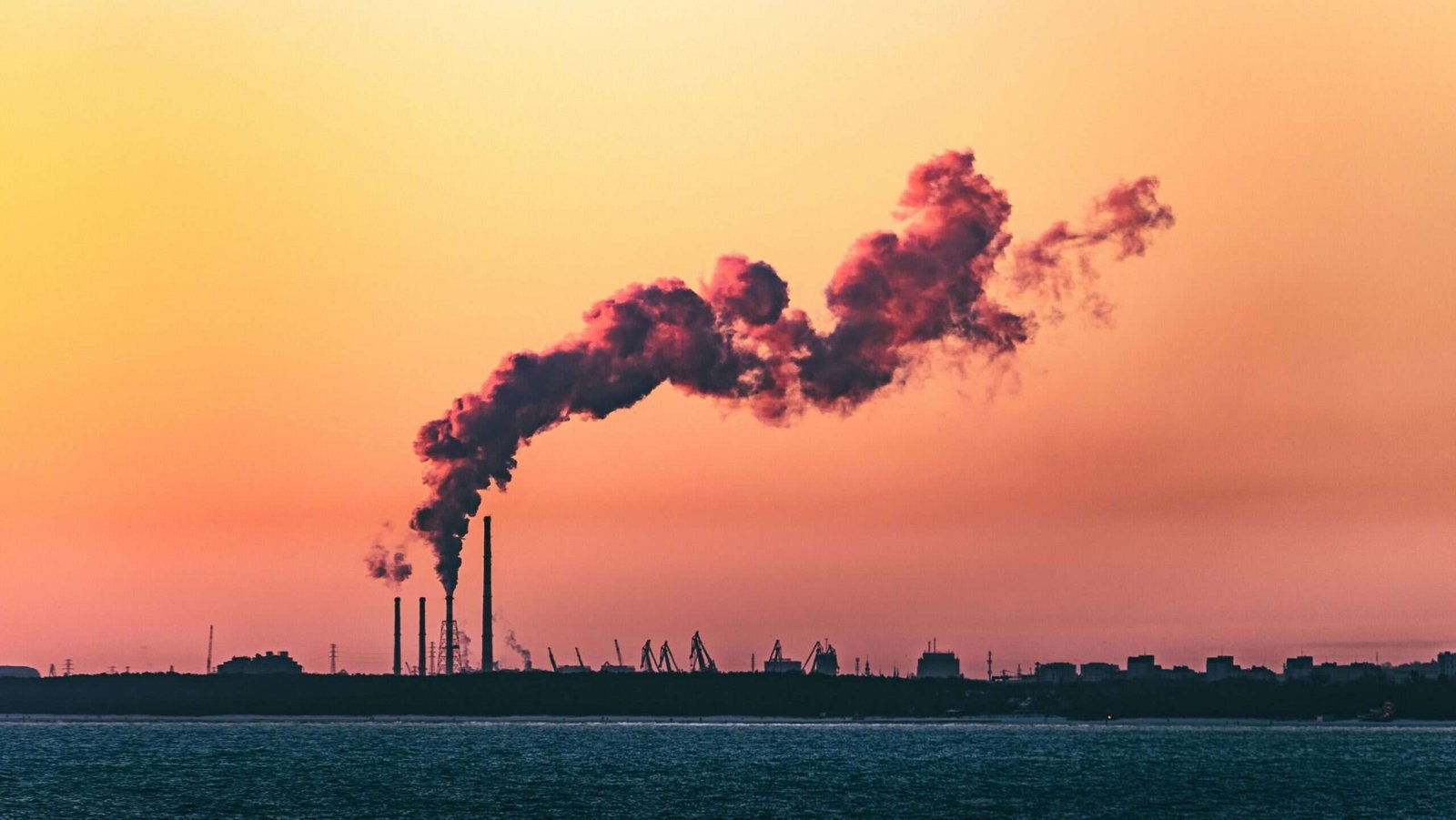
Global fossil fuel emissions are projected to rise once again in 2025, reaching a record 38.1 billion tonnes of carbon dioxide, according to the latest Global Carbon Budget.
Despite rapid growth in renewable energy in many countries, global energy demand continues to rise. This year’s report, published alongside a new paper in the journal Nature, says the remaining carbon budget to limit global warming to 1.5°C is “virtually exhausted” with just 170 billion tonnes of CO2 left–about four years of emissions at current rates.
Atmospheric CO₂ concentrations are now projected to reach 425.7 parts per million in 2025, about 52% higher than pre-industrial levels–the highest in millions of years.
Researchers from the Global Carbon Project, which produces the annual report and is a Future Earth global research network, said humanity must drastically reduce carbon emissions.
“With CO2 emissions still increasing, keeping global warming below 1.5°C is no longer plausible,” said lead author Professor Pierre Friedlingstein from the University of Exeter’s Global Systems Institute.
Researchers also warn that climate change itself is beginning to weaken the planet’s natural carbon sinks—forests and oceans that absorb CO2—further accelerating atmospheric concentrations. The report notes that 8% of the increase in CO2 since 1960 is due to this weakening effect. The combined effects of climate change and deforestation have turned Southeast Asian and large parts of South American tropical forests from CO2 sinks to sources.
The report highlights mixed regional trends: while emissions are projected to grow modestly in China (+0.4%) and India (+1.4%), as well as the United States (+1.9%) and European Union (+0.4%), they are declining in Japan (-2.2%). Encouragingly, deforestation rates in the Amazon have fallen to their lowest level since 2014, demonstrating that policy action can yield tangible progress.
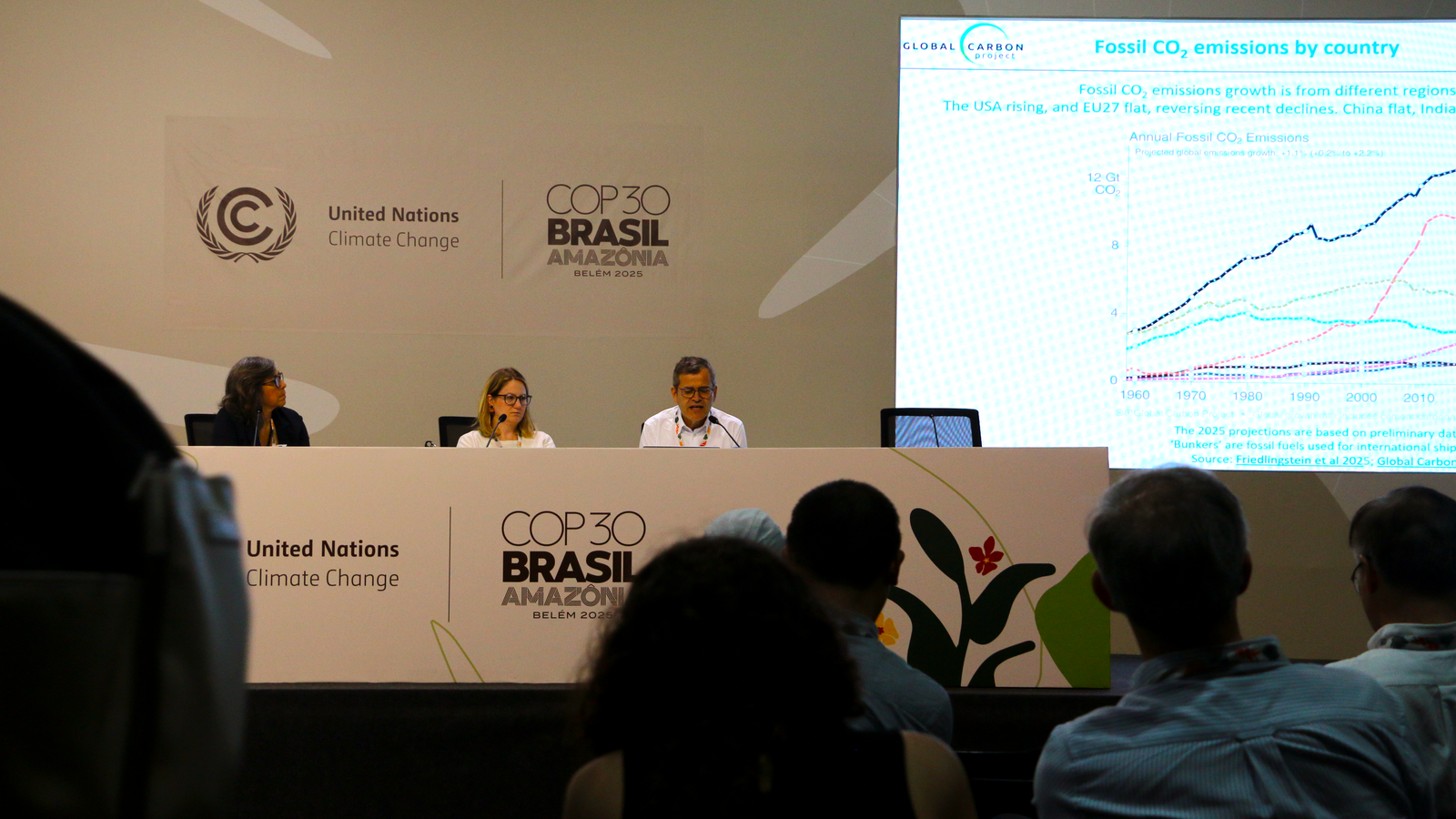
Now in its 20th year, the Global Carbon Budget provides an annual, peer-reviewed assessment of CO2 emissions and sinks worldwide. The 2025 edition, published in Earth System Science Data, underscores that while decarbonization efforts are accelerating in many sectors, global emissions continue to rise and push the world further off track from the goals of the Paris Agreement.
Researchers noted that 35 countries have managed to cut emissions while growing their economies, twice as many as a decade ago, showing that progress, while fragile, is possible.
“Scientists warn we face rising risks of floods, storms, wildfires, and crossing tipping points,” said Wendy Broadgate, Interim Global Coordinating Director of Future Earth. “With global emissions still rising, we are far from the pace needed. Transformative action is urgently required at all levels to limit overshoot and bring global temperatures back below 1.5°C.”


