
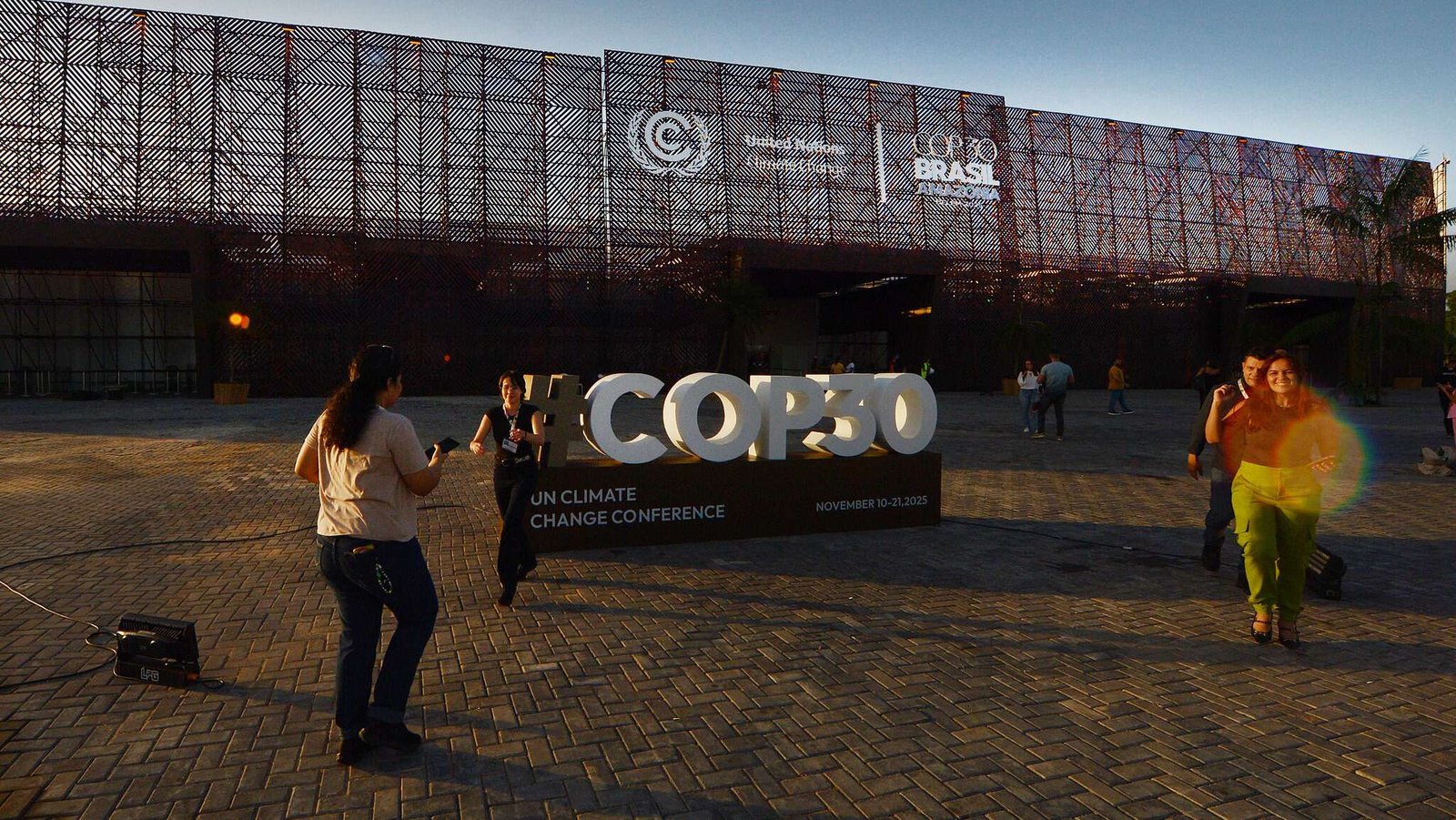
At COP30 in Belém, Brazil, Future Earth took a central role in keeping science, resilience, and equity at the forefront of global climate negotiations.
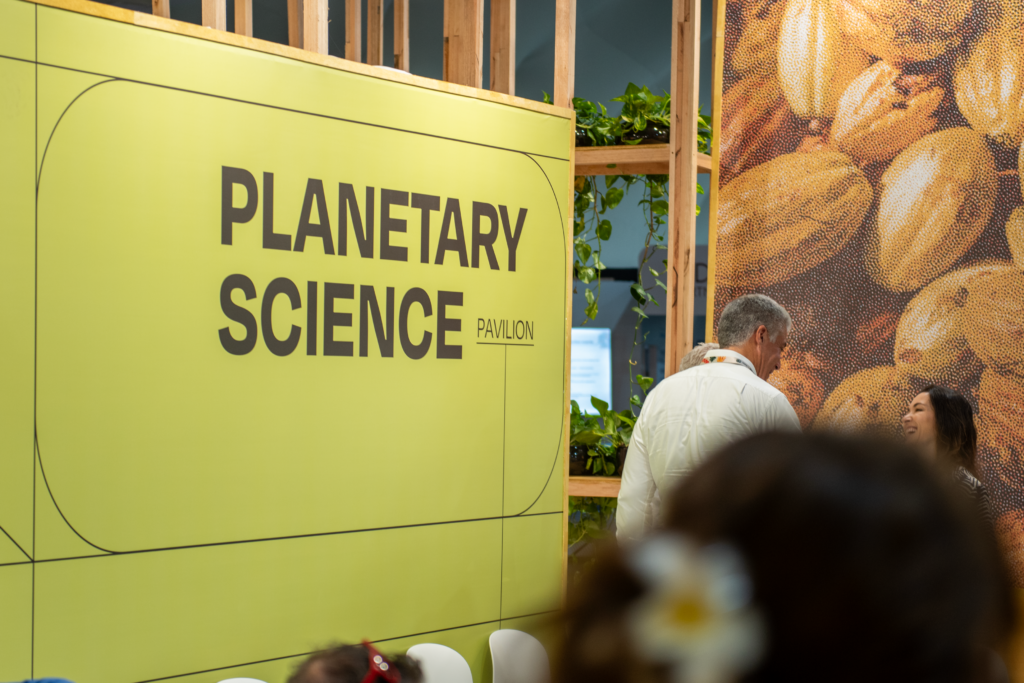
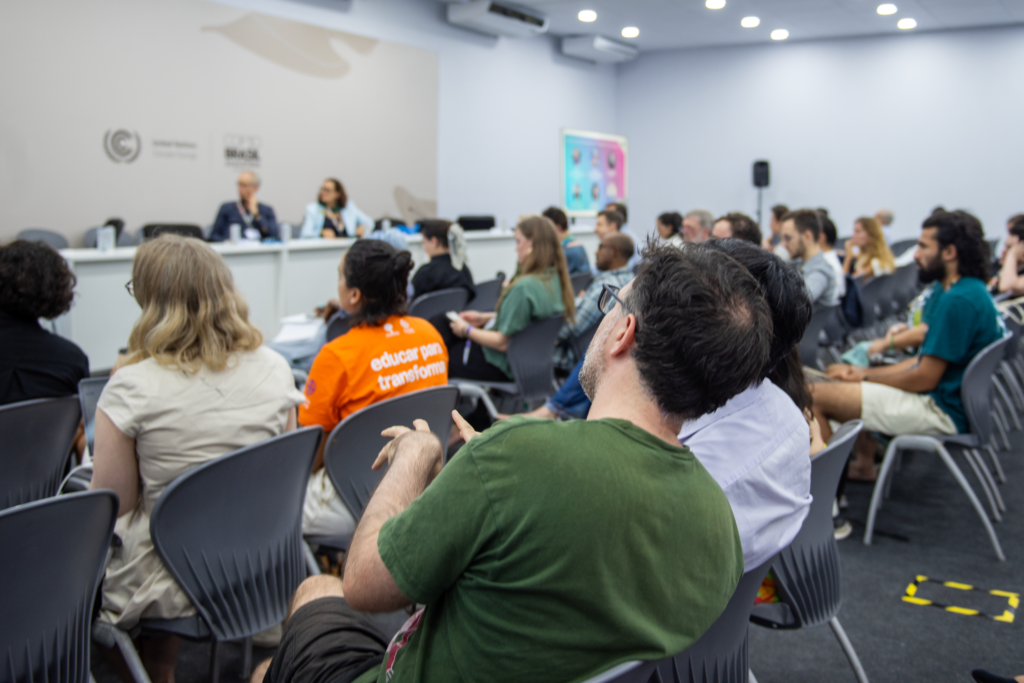
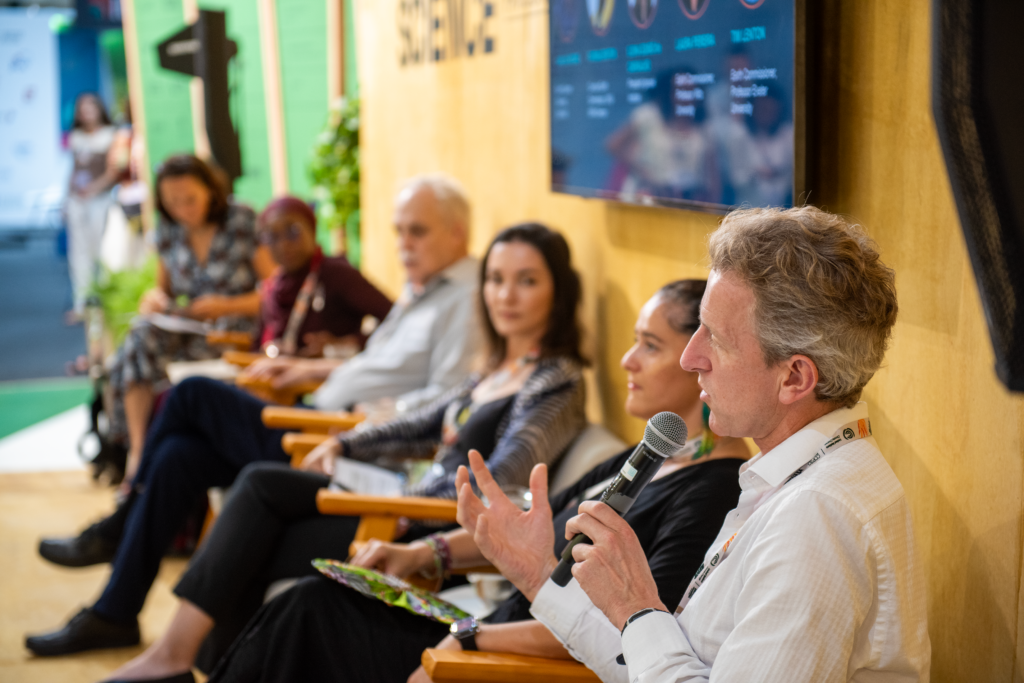
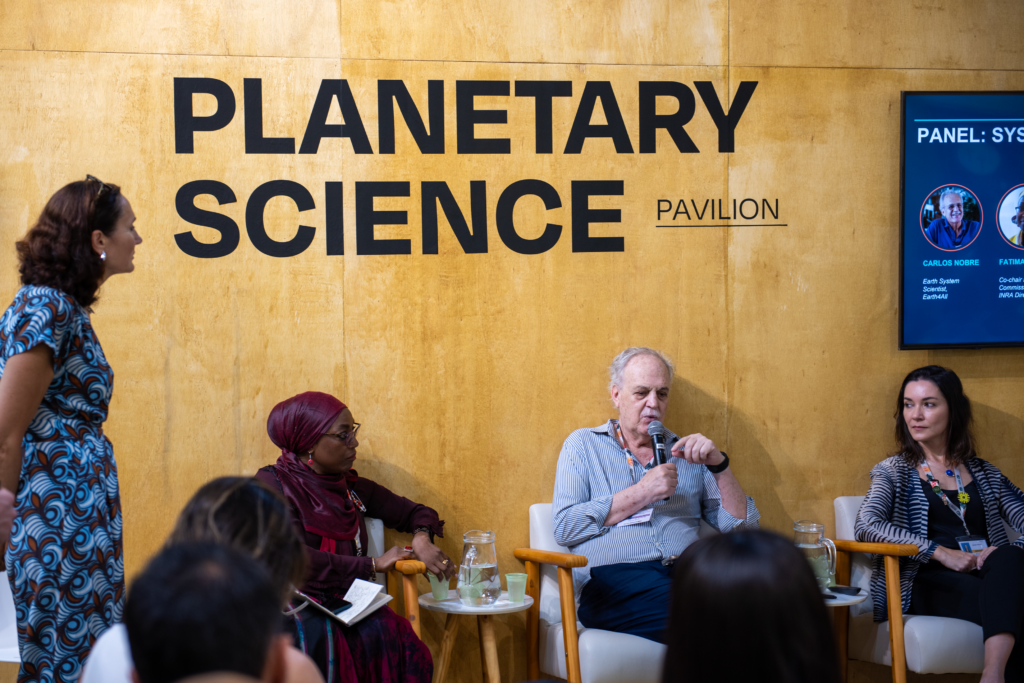
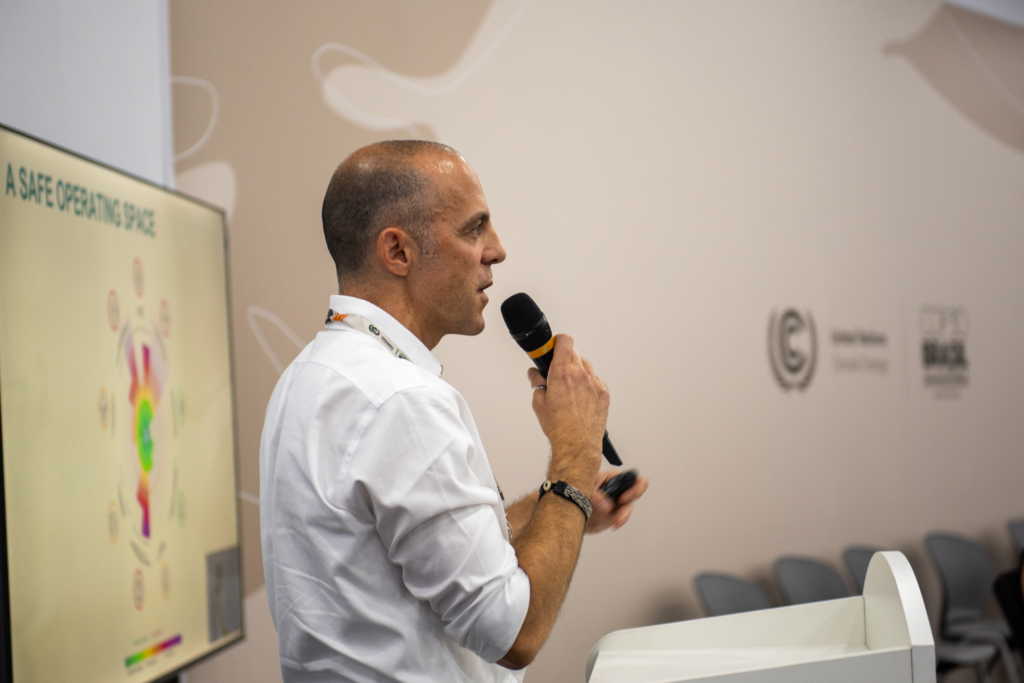
During the two-week UN summit, Future Earth brought together experts, launched two flagship reports, offered science-based guidance to policymakers working on climate change, and contributed to the first-ever Planetary Science Pavilion, which elevated scientific voices through events, dialogues, and coordinated messaging.
Our participation also revolved around the release of two high-impact reports: the 10 New Insights in Climate Science 2025/2026 and the Resilience Science Must-Knows.
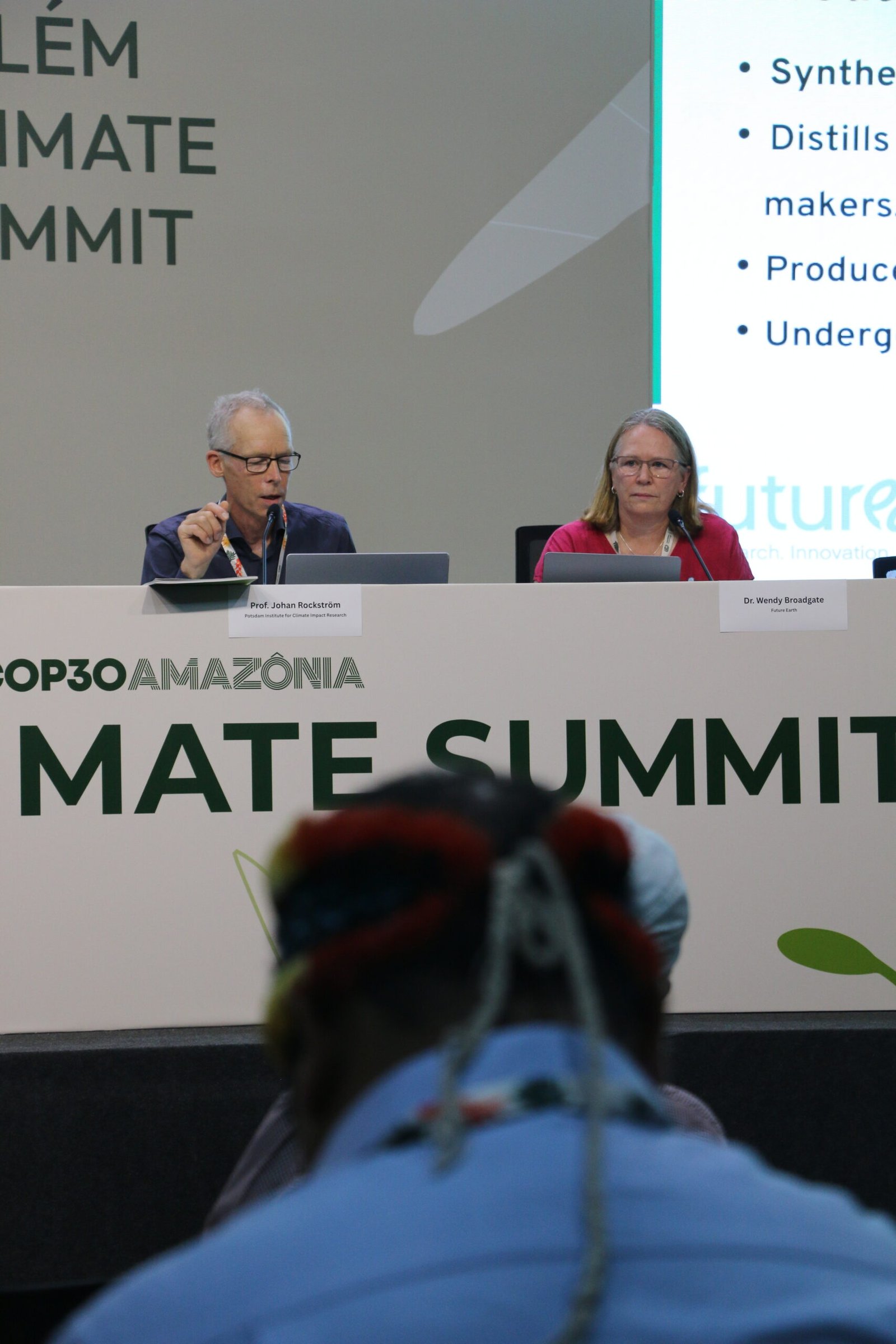
Both reports synthesize cutting-edge research into clear, actionable messages for decision-makers. They outline pathways for strengthening adaptation, managing escalating climate risks, and informing long-term planning. Their reception in Belem, from negotiators to fellow scientists, demonstrated the growing demand for science that directly supports policy implementation.
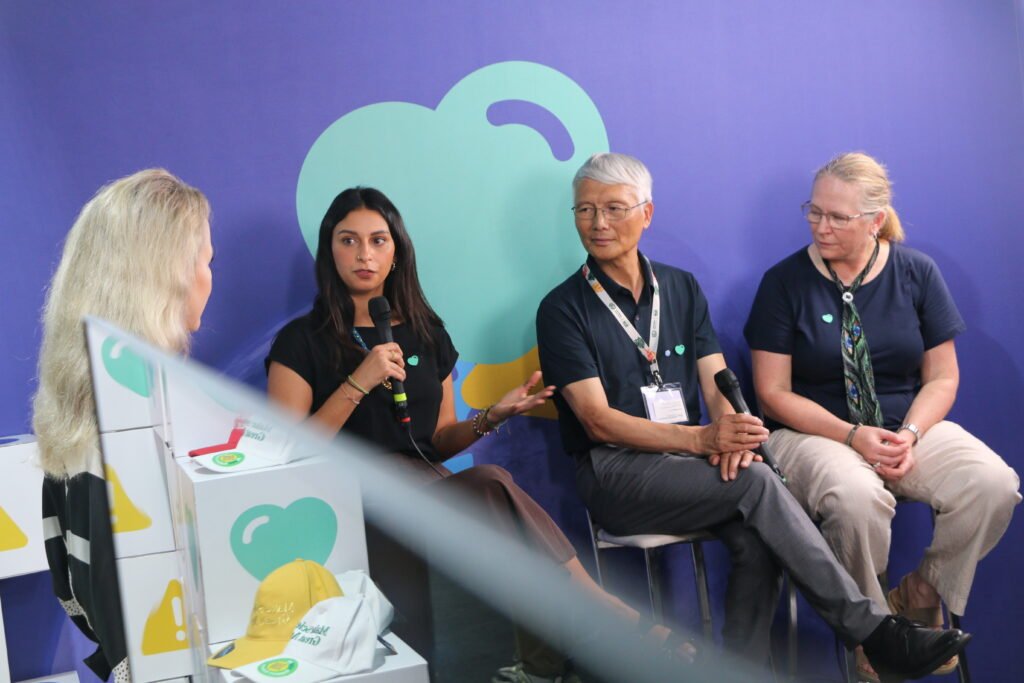
Beyond these launches, Future Earth experts contributed to panels, dialogues, and ministerial roundtables throughout COP30, emphasizing a consistent message: climate action must align with the best available science to achieve the Paris goals and protect vulnerable communities.
This work was further amplified at the Planetary Science Pavilion, which provided a dedicated space to showcase scientific insights, foster collaboration with partners, and highlight why science must remain central in climate negotiation processes.
Outcomes from Belém and Where Future Earth’s Work Fits
COP30 concluded with a mix of progress and notable gaps. Countries agreed to triple adaptation finance by 2035, a step that reflects themes highlighted in Future Earth’s new reports, which call for rapid scaling of investments in resilience and locally informed adaptation strategies.
However, the final agreement made no explicit mention of fossil fuels and offered no clear roadmap to curb deforestation. These omissions have drawn criticism from scientists and civil society groups who called for stronger language and better alignment with climate goals, as this COP was billed as a COP of “truth” and “implementation”.
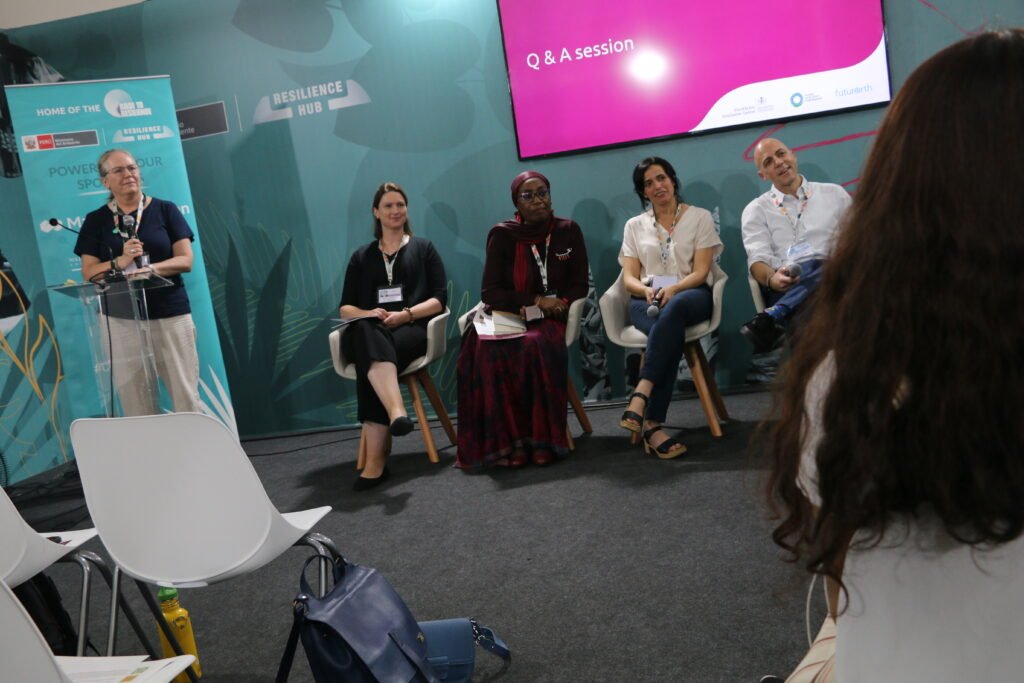
“The ‘truth’ is that our only chance of ‘keeping 1.5°C within reach’, is to bend the global curve of emissions downward in 2026 and then reduce emissions by at least 5% per year,” said Johan Rockström, Director of the Potsdam Institute for Climate Impact Research. “’Implementation’ requires concrete roadmaps to accelerate the phase out of fossil fuels and the protection of nature. We got neither.”
The omissions also mirror the scientific warnings outlined in the 10 New Insights in Climate Science, which stresses the urgent need to address the root drivers of warming as well as land-use pressures. Our experts reinforced these insights during events, underscoring why decision makers must engage with the full weight of the scientific evidence.
“There was no backtracking, there was a bit of progress,” German climate minister Carsten Schneider told Politico. “I would have liked to see much more, but we also wanted a COP that produces results and shows that multilateralism works, even if it is incredibly difficult.”
The Importance of Supporting Climate Science
The global summit reinforced the indispensable role of science in shaping effective and equitable climate policy. From clarifying risks and tipping points to informing adaptation strategies and long-term development pathways, robust evidence remains foundational for decision-making in an era of accelerating change.
“Future Earth was a partner in the first Planetary Science Pavilion at a COP which provided a platform to elevate science through events, dialogues and statements. Whilst the number of climate scientists participating in the COP was only around 1.5 percent of the participants, research is critical to decision making – to analyse and reduce risks, enhance resilience and guide climate action,” said Wendy Broadgate, Future Earth’s interim coordinating director. “Future Earth is actively working to facilitate collaboration between researchers and elevate the voices of science.”
Future Earth’s presence in Belém highlighted the growing need for sustained investment in research, synthesis, and global scientific collaboration. As countries revise their national climate plans ahead of COP31, our assessments and convening efforts will continue to support higher ambition and better alignment between policy, planetary limits and human well-being.


