

Key takeaways:
- Because carbon monoxide (“CO”) has no color or smell, it can build up undetected and, if left unchecked, lead to serious health problems.
- Early signs of CO poisoning include headache, dizziness, nausea, and fatigue, which can make it hard to recognize until concentrations become dangerous.
- Regularly inspect stoves, heaters, fireplaces, and other appliances to ensure they burn fuel completely and don’t allow carbon monoxide to accumulate in your home.
- Install carbon monoxide detectors near every sleeping area, and replace batteries and test the detectors on a fixed schedule.
Keeping your family safe in your home is one of the most important tasks you’ll ever have, and this includes monitoring for potential issues like carbon monoxide (CO). CO is a harmful, colorless, and odorless gas that can enter homes and buildings. It’s a poisonous gas that can cause serious health problems, especially when it goes undetected.
Stoves, heaters, and fireplaces can sometimes produce carbon monoxide, especially if they’re not working properly. When fuel-burning appliances don’t burn their fuel completely, they can generate higher concentrations of carbon monoxide. If this gas continues to build up in an enclosed space, it can lead to carbon monoxide poisoning, also known as CO poisoning.
Below, we’ll examine carbon monoxide, its production, the symptoms of poisoning, and ways to stay safe. We will also discuss what to do if your carbon monoxide detector alarm sounds, who is most at risk, and whether there are long-term health effects.
What Is Carbon Monoxide?
Carbon monoxide is a gas that’s formed when certain fuels don’t burn completely. We often associate it with fuel-burning appliances, such as gas stoves, grills, water heaters, boilers, space heaters, wood-burning stoves, and fireplaces.
Because it has no color or smell, you cannot see or sense carbon monoxide in the air. When a person breathes it in, CO can attach to hemoglobin in the blood, limiting how much oxygen circulates through the body. This can cause many health concerns.
The Centers for Disease Control and Prevention (CDC) and other government and consumer product safety commission sources stress that carbon monoxide exposure is a major safety issue. Even low levels can harm people who have heart disease, anemia, or other health conditions.
Because of the risk, installing CO detectors in your home is wise. These devices will sound an alarm if concentrations of carbon monoxide reach dangerous levels. If you act right away, you can reduce the chance of severe health problems.
Your Power, Your Terms
Pick from short-term or long-term plans to enjoy maximum flexibility. You call the shots!
Are There Natural Sources of Carbon Monoxide?

Yes, carbon monoxide can come from natural sources as well, including:
- Wildfires
- Volcanic activity
- Coal mines
- Lightning
However, these outdoor sources of CO usually spread over a large area, making them less likely to reach harmful concentrations in the open air. Problems usually arise indoors, where pollutants from gas appliances, wood-burning stoves, and other fuel-burning appliances can build up.
How Is Carbon Monoxide Produced?
Carbon monoxide is produced when carbon-containing fuels, such as natural gas, propane, charcoal, wood, or oil, don’t burn completely. Sources of CO include gas ranges, camp stoves, portable generators, charcoal grills, and other devices that use these fuels. If there is not enough ventilation, or if the appliance is not maintained properly, the burning process can lead to a build up of dangerous carbon monoxide concentrations in the air.
Many homes use fuel-burning appliances, such as gas appliances, water heaters, or heating systems, for cooking or warmth. Flues or chimneys in fireplaces or boilers can become blocked, allowing carbon monoxide to leak into the home. In attached garages, a car running with the door closed can quickly raise the levels of carbon monoxide. This is why it is important to maintain good indoor air quality and ensure all exhaust or ventilation systems are clear of debris.
Even natural gas clothes dryers can be a source of CO.
Tobacco smoke also adds carbon monoxide to indoor air, although typically at lower levels.
What Are The Symptoms Of Carbon Monoxide Poisoning?

Symptoms of CO poisoning often resemble flu-like feelings. According to the CDC, early signs can include headache, dizziness, nausea, and fatigue. Some people may also have shortness of breath or chest pain, especially if they have underlying heart disease. These symptoms appear because carbon monoxide disrupts the flow of oxygen in your blood cells, reducing the amount of oxygen that reaches vital organs.
As the concentration of CO rises, symptoms can worsen. You might experience confusion, drowsiness, or loss of consciousness. In severe cases, carbon monoxide poisoning can be fatal if individuals remain in an enclosed space without fresh air.
The body often reacts to carbon monoxide exposure by producing these warning signs. However, because it is an odorless gas, many people do not realize the true cause of their discomfort. If you suspect you or someone near you is experiencing symptoms of carbon monoxide poisoning, move outdoors immediately and call emergency services.
Seeking care in an emergency room is critical, and treatments like hyperbaric oxygen may help remove CO from the bloodstream quickly.
How Can I Prevent Carbon Monoxide Poisoning in My Home?
There are several actions you can take to prevent carbon monoxide poisoning in your home, including:
- Installing at least one CO detector on each level of your house, ideally near every sleeping area, so you hear the alarm sound if CO levels rise. Pick a detector with a reliable battery backup in case of power outages.
- Regular maintenance of your fuel-burning appliances is also essential. Have a professional inspect items like natural gas stoves, water heaters, boilers, and fireplaces at least once a year. Check that flues and chimneys are not blocked, since obstructions can cause carbon monoxide to build up
- Avoid using portable generators, camp stoves, or charcoal grills indoors or in an attached garage. These devices emit carbon monoxide that can become trapped in an enclosed space.
By following these practices, you lower the risk of CO poisoning in your home and protect the indoor air quality for everyone.
What Should I Do if My Carbon Monoxide Detector Goes Off?
If your carbon monoxide detector alarm sounds, do not treat it like a false alarm. Leave the home immediately and get fresh air. Everyone in the house, including pets, should go outside. Once you are safe, call emergency services or your local fire department to inspect the property. Do not go back in until it is checked and considered safe.
If anyone in your household has symptoms of carbon monoxide poisoning, they should immediately seek medical attention. In serious cases, getting help at an emergency room can be vital. Health care professionals may use treatments like hyperbaric oxygen, which helps remove CO from the body more quickly.
Sometimes, alarm sounds can be caused by low levels of CO or a malfunctioning detector, but it is best to treat each alert seriously. Open windows and doors to allow air to circulate and turn off any gas appliances or heating systems if you can do so safely. Contact a qualified technician to find and fix the problem before you return home.
Who Is at Greater Risk For Carbon Monoxide Poisoning?
Anyone can suffer from carbon monoxide exposure, but certain groups of people face higher risks. Individuals with heart disease, anemia, or respiratory problems can be more sensitive to CO because their bodies may already struggle to deliver oxygen to vital organs.
Young children and older adults may also be less resilient with low levels of oxygen in their blood cells, making them more prone to carbon monoxide poisoning.
Additionally, people who live in homes with outdated gas appliances or poor ventilation may be at greater risk. Attached garages can also increase the risk of CO poisoning for those who start their cars and let them idle in the garage, not realizing the fumes can seep into the house.
Switch Plans Anytime, With Zero Fees
Say goodbye to restrictions and hello to freedom. Switch your plan anytime, at zero cost, and discover the perfect energy fit for your lifestyle.
Can Carbon Monoxide Poisoning Cause Long-Term Health Effects?
In many cases, once people are moved away from high levels of CO and treated, they recover fully. However, severe carbon monoxide poisoning can lead to long-term health problems. If the body has been deprived of enough oxygen, serious damage can occur in the brain and heart. Some individuals may continue to experience memory issues, difficulty concentrating, mood swings, or other neurological symptoms after a major CO poisoning event.
Those who have experienced serious symptoms of CO poisoning should follow up with medical professionals. Health care teams might recommend tests or scans to ensure no permanent injury occurred.
If you have concerns about possible CO-related injuries, it is important to share your complete medical history with your doctor. While many people fully recover, the best strategy is to prevent carbon monoxide poisoning in the first place by installing detectors and maintaining a safe indoor environment.
How Often Should I Test My Carbon Monoxide Detector?
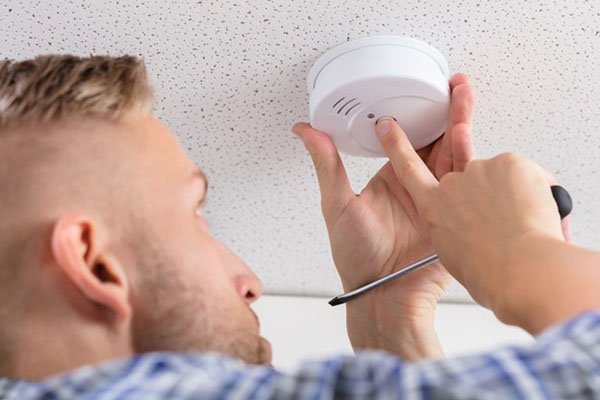
You should test your carbon monoxide detector at least once a month. Generally, you test a detector by pressing the “test” button but check the manufacturer’s instructions for more details. Make sure to replace the batteries on a schedule, typically every six months. A great rule of thumb is to change the batteries every time we roll the clocks forward or backward. Keep track of the device’s age, as most need replacing every five to seven years.
If you ever notice unusual beeping or flashing lights outside of normal tests, it could mean the device has detected rising concentrations of carbon monoxide or has a technical issue that needs attention.
Being Aware of Potential Carbon Monoxide Poisoning Can Save Lives
Carbon monoxide is a serious concern for anyone who relies on fuel-burning appliances, such as gas stoves, fireplaces, or boilers. Because this poisonous gas is invisible and odorless, it can be hard to notice until people begin experiencing flu-like symptoms, such as headache, dizziness, or nausea.
Understanding the sources of CO can help keep your household safe. Plus, installing a carbon monoxide detector in or near every sleeping area adds an important layer of protection. Always test your detectors monthly and replace the batteries on a fixed schedule.
By being aware of the symptoms of CO poisoning and installing the necessary tools to detect CO inside your home or business, you dramatically decrease the risk of long-term health issues from CO poisoning.
Brought to you by justenergy.com
All images licensed from Adobe Stock.
{
“@context”: “https://schema.org”,
“@type”: “FAQPage”,
“mainEntity”: [{
“@type”: “Question”,
“name”: “What Is Carbon Monoxide?”,
“acceptedAnswer”: {
“@type”: “Answer”,
“text”: “Carbon monoxide is a gas that’s formed when certain fuels don’t burn completely. We often associate it with fuel-burning appliances, such as gas stoves, grills, water heaters, boilers, space heaters, wood-burning stoves, and fireplaces. Because it has no color or smell, you cannot see or sense carbon monoxide in the air. When a person breathes it in, CO can attach to hemoglobin in the blood, limiting how much oxygen circulates through the body. This can cause many health concerns. The Centers for Disease Control and Prevention (CDC) and other government and consumer product safety commission sources stress that carbon monoxide exposure is a major safety issue. Even low levels can harm people who have heart disease, anemia, or other health conditions. Because of the risk, installing CO detectors in your home is wise. These devices will sound an alarm if concentrations of carbon monoxide reach dangerous levels. If you act right away, you can reduce the chance of severe health problems.”
}
},{
“@type”: “Question”,
“name”: “Are There Natural Sources of Carbon Monoxide?”,
“acceptedAnswer”: {
“@type”: “Answer”,
“text”: “Yes, carbon monoxide can come from natural sources as well, including:
Wildfires
Volcanic activity
Coal mines
Lightning
However, these outdoor sources of CO usually spread over a large area, making them less likely to reach harmful concentrations in the open air. Problems usually arise indoors, where pollutants from gas appliances, wood-burning stoves, and other fuel-burning appliances can build up.”
}
},{
“@type”: “Question”,
“name”: “How Is Carbon Monoxide Produced?”,
“acceptedAnswer”: {
“@type”: “Answer”,
“text”: “Carbon monoxide is produced when carbon-containing fuels, such as natural gas, propane, charcoal, wood, or oil, don’t burn completely. Sources of CO include gas ranges, camp stoves, portable generators, charcoal grills, and other devices that use these fuels. If there is not enough ventilation, or if the appliance is not maintained properly, the burning process can lead to a build up of dangerous carbon monoxide concentrations in the air. Many homes use fuel-burning appliances, such as gas appliances, water heaters, or heating systems, for cooking or warmth. Flues or chimneys in fireplaces or boilers can become blocked, allowing carbon monoxide to leak into the home. In attached garages, a car running with the door closed can quickly raise the levels of carbon monoxide. This is why it is important to maintain good indoor air quality and ensure all exhaust or ventilation systems are clear of debris. Even natural gas clothes dryers can be a source of CO.
Tobacco smoke also adds carbon monoxide to indoor air, although typically at lower levels.”
}
}]
}
The post Carbon Monoxide Awareness Is Key to Safety appeared first on Just Energy.


