

Key Takeaways
- Weatherstripping helps save on energy by keeping outside air outside and heated or cooled indoor air inside.
- You have many weatherstripping options to pick from, each offering its own pros and cons.
- Weatherstripping can also prevent water damage by making sure water doesn’t seep under your door.
- Combining new weatherstripping with other home maintenance projects, like caulking around windows, can compound your energy savings.
Homes have weatherstripping on exterior doors to seal gaps and keep hot and cold air, moisture, and even noise outside where they belong.
You might not notice it at first, but the weatherstrip seal around your front door, sliding door, garage door, or storm door plays a huge role in making your house more comfortable, as a tight seal helps maintain a pleasant temperature inside and prevents water leaks. Weatherstripping also helps reduce the amount of outside noise that you can hear and keeps dust and pests from creeping in through small cracks.
Many people overlook the importance of weatherproofing their doors until they feel a draft around the door jamb or notice signs of water seeping in during heavy rain. But whether you have a traditional entry door or a modern design, replacing old exterior door weatherstripping is a cost-effective way to improve your home’s overall efficiency and comfort.
Below, we’ll answer common questions about exterior door weatherstripping, explore how easy weatherstripping can be to install for almost anyone, share tips on what tools you’ll need, and more.
What Is the Best Type of Exterior Door Weatherstripping?
You can choose from many types of exterior door weatherstripping. Important factors to consider include your door’s design, the level of protection you need, your local climate, and your budget. Some of the best side and top-of-door options are:
- Tension seal weatherstripping: This is a self-sticking plastic or metal strip folded into a V shape that seals the cracks by pressing against the door and frame. This option is reliable but requires careful installation to seal the corners properly.
- Felt weatherstripping: This weatherstripping may be felt only or felt attached to a flexible metal strip. Felt weatherstrips are inexpensive and easy to install but are the least effective at stopping drafts. They’re also sensitive to moisture and not overly durable.
- Reinforced foam weatherstripping: This type is affordable but can be challenging to install because it requires sawwing and nailing the weatherstripping. Once it’s in place, you’ll want to paint the visible parts of the weatherstripping. These foam weatherstrips, which are foam attached to wood or metal strips, are very effective sealers, especially against high winds.
- Foam tape weatherstripping: This option is made from nonporous foam with one adhesive side that sticks to the door frame. It’s easy to install and inexpensive, but its durability varies and it wears out quickly.
- Rolled or reinforced vinyl weatherstripping: This weatherstripping is either a rolled piece of vinyl or vinyl attached to a piece of wood or metal. It’s middle of the road in cost and is easy to install. However, it’s highly visible and may not adhere to all materials well.
- Reinforced silicone weatherstripping: These tubular silicone strips attached to metal strips are an excellent option because they’re more durable than other options and seal very well. However, they require a hacksaw to trim, and fitting the corners together can be difficult. This is also a higher-cost option.
- Tubular rubber and vinyl weatherstripping: These heavy-duty options stick, staple, or tack into place and create an excellent air barrier. While they’re very effective, they’re more costly than other options, and some self-stick options can be difficult to install.
- Interlocking metal channel weatherstripping: These are among the most effective weatherstrips, as their sashes interlock when the door is closed, creating the tightest weather seal. However, they generally require professional installation, making them significantly more expensive than all other options.
You also need bottom-of-door protection, and this is where threshold weatherstripping comes in. Some great bottom-of-door weatherstripping options include:
- Door shoe: These metal or aluminum door-bottom seals are aluminum strips with a C-shaped gasket to protect the underside of the door from air and water intrusion.
- Bulb threshold: This weatherstripping and threshold combination is generally made from vinyl and aluminum. It comes in varying heights so you can get a custom fit, but it’s also relatively expensive, and foot traffic can quickly wear it out.
- Frost-brake threshold: For exterior doors, this is generally aluminum with a door-bottom seam that prevents water and air getting in from under the door. These are very effective, especially at keeping cold air out, but they also come at a higher cost and require full threshold replacement.
Your Satisfaction is Our Priority
We're confident you'll love your plan, but if not, call us, and we’ll help you find the perfect plan without any extra cost.*
<p class=”disclosure”>*Just Energy will help you find a plan that fits your needs. Please note that new plans will come with a new contract and the end date of the new contract will change to reflect the terms of the new plan. There is no fee to make a plan change, but you will be subjected to the terms and conditions of the new plan.</p>
How Do I Install Weatherstripping on an Exterior Door?
Installing most weatherstripping is a straightforward DIY project, especially if you choose one of the simpler options like self-adhesive foam tape or rubber strips. The installation steps will vary slightly based on the kind of weatherstripping you use, but the general process is as follows:
- Open your exterior door and remove the old weatherstripping and any adhesive material left behind.
- Wipe the area clean, ensuring it’s dry and free from debris or old adhesive residue. This helps the new material stick properly.
- Measure the length of each side of your door frame and cut your weatherstrip seal to this measurement. If you’re using a door sweep at the bottom of the door, measure the door’s width to ensure the sweep fits perfectly.
- For foam or rubber strips, peel off the backing (if self-adhesive) and press the strip firmly along the door jamb or frame. If the product isn’t self-adhesive, you can use small nails, staples, or tacks to hold it in place, depending on the manufacturer’s guidelines. A door threshold seal or door-bottom seal may require you to screw or nail the piece to the underside of the door.
- Close the door to check for a tight seal. If you notice gaps, adjust the stoppers or the sweep height until everything aligns well.
How Often Should I Replace Weatherstripping?
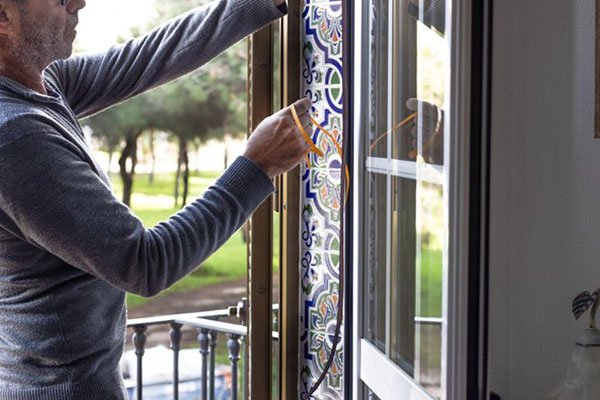
Exterior door weatherstripping lifespans vary based on climate, material quality, and how often you use the door.
You can typically expect to change weatherstripping every two to five years, but you may need to change it more often on a high-traffic entrance or if you live in an area with extreme hot or cold temperatures. Keep an eye out for visible gaps and feel for drafts; these are indicators of when to change your weatherstripping.
Generally, foam weatherstripping needs more frequent replacement, whereas heavy-duty rubber and silicone weatherstripping can last longer before showing signs of wear and tear.
A good rule of thumb is to do a quick check every year as part of your routine home improvement tasks. If you feel cold air sneaking around the door or see visible wear, or if you’ve noticed an increase in your energy bills, it may be time to replace your weatherstripping.
Addressing the problem sooner rather than later can prevent further damage and keep your door set functioning correctly.
Can I Install New Weatherstripping Over Old Material?
You may be tempted to save time by adding new filler strips or foam tape over old or damaged material. This is usually not very effective. Stacking weatherstripping can create an uneven surface that prevents a tight seal.
Old material may also have dirt, adhesive residue, or cracks that can interfere with the new weatherstrip seal’s performance. In addition, layering materials can look messy and make it harder to open and close your exterior door if the thickness is too great.
Removing all old weatherstripping and thoroughly cleaning the area before installing new pieces is generally best. This gives you a fresh mounting surface, ensures better adhesion, and creates a more effective barrier against drafts and moisture.
Removing the old material will also allow you to inspect your door frame for any hidden damage that may need repair before you add fresh weatherstripping.
What Tools Will I Need for Weatherstripping Installation?
You’ll need only basic tools, including:
- A tape measure to determine how much weatherstripping you’ll need and to size your door sweep or door-bottom seals
- A utility knife or sturdy scissors to cut foam tape or rubber strips to the correct length
- A basic drill or screwdriver if you’re installing a metal door threshold or a door bottom with screw attachments
- Caulking to seal gaps in the door frame or small cracks around the door jamb before applying weatherstripping
- A mild cleaning solution to remove stubborn grime
- A rag or cloth to wipe away dust
- Pliers or a small pry bar to remove nails or staples from old weatherproofing materials
The simple list of tools makes replacing exterior door weatherstripping accessible for nearly everyone.
How Can I Tell if My Exterior Door Needs New Weatherstripping?
You can check for worn exterior door weatherstripping in several ways, including the following:
- Stand inside on a bright day and look for sunlight shining through around the edges of your exterior door. If you see light sneaking around the door frame or the bottom of the door, the weatherstripping might not be providing a tight seal.
- Feel for drafts and notice if the room nearest your entry door or front door gets significantly colder or warmer than the rest of the house.
- Check if you have increased energy bills, which can be due to heated or cooled air escaping.
- See if moisture gathers near the door threshold after a heavy rain.
- Inspect the weatherstripping material to see if it looks flattened, torn, or cracked.
Regular checks can help prevent more significant problems, such as water damage to the door jamb or floor.
Does Weatherstripping Help With Energy Efficiency?
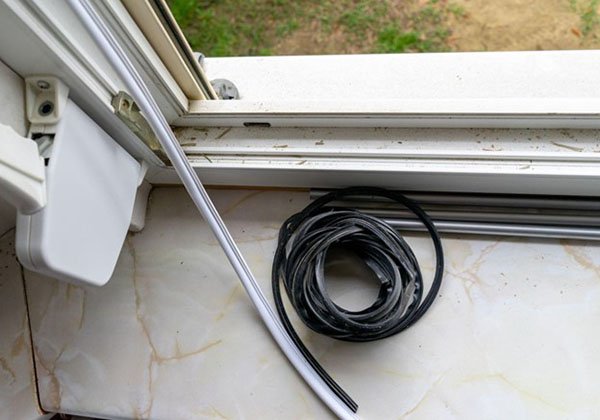
Absolutely. By sealing gaps and preventing warm or cool air from escaping, weatherstripping helps maintain a stable indoor temperature. This reduces the workload on your heating and cooling systems, helping lower your energy bills. Even tiny cracks around the door bottom, door jamb, or door set can allow a surprising amount of air to leak in or out. This is especially true in climates with extreme heat or cold.
Energy efficiency is one of the main reasons people install or replace door weatherstripping. As a cost-effective method of keeping your home comfortable, weatherstripping can be combined with other energy-saving measures like adding insulation, caulking around windows and doors, and updating windows.

Find out why over half a million Texans trust Just Energy!
Can Weatherstripping Prevent Water Leaks During Heavy Rain?
In many cases, yes. When heavy rain hits, water can sneak in through tiny gaps around your door threshold or door frame. Properly installed weatherstripping is a barrier that directs water away from these vulnerable areas.
For extra protection, consider installing corner seals near the bottom of the door, as water often collects there. A well-fitted door sweep also prevents water from flowing underneath the door bottom.
If you live in an area with frequent storms, double-check that your door set is tightly sealed by running water from a hose around the edges of the door and seeing if any leaks occur. Ensure the exterior door closes flush with the weatherstripping and the materials aren’t damaged or loose. If they are, replacing them promptly can help prevent water damage to your flooring or the door jamb.
Is Weatherstripping Effective in Reducing Noise?
Yes, weatherstripping can also act as a barrier against outside noise. Sealing gaps around the door prevents sound waves from traveling into your home. This can be particularly helpful if you live in a busy neighborhood or near a main road.
If noise reduction is your top concern, you may consider adding an interior door with sound-dampening features or installing additional filler around the door frame. Combining a solid, well-sealed door with proper weatherstripping will help keep unwanted drafts and noise to a minimum. This makes your home more peaceful and can enhance the overall comfort of your living space.
New Weatherstripping and Just Energy Can Help You Save on Energy Bills

Exterior door weatherstripping is a simple and effective way to protect your home from drafts, moisture, and noise. New weatherstripping can also lower your energy costs by keeping outside air where it belongs — outside.
In addition to weatherstripping, you can also save on electricity by finding a retail energy provider with great rates. Just Energy can’t change your weatherstripping, but we can help you save on energy by comparing electricity rates in your area to find the one that best suits your needs.
Brought to you by justenergy.com
All images licensed from Adobe Stock.
{
“@context”: “https://schema.org”,
“@type”: “FAQPage”,
“mainEntity”: [{
“@type”: “Question”,
“name”: “How Do I Install Weatherstripping on an Exterior Door?”,
“acceptedAnswer”: {
“@type”: “Answer”,
“text”: “Installing most weatherstripping is a straightforward DIY project, especially if you choose one of the simpler options like self-adhesive foam tape or rubber strips. The installation steps will vary slightly based on the kind of weatherstripping you use, but the general process is as follows:
Open your exterior door and remove the old weatherstripping and any adhesive material left behind.
Wipe the area clean, ensuring it’s dry and free from debris or old adhesive residue. This helps the new material stick properly.
Measure the length of each side of your door frame and cut your weatherstrip seal to this measurement. If you’re using a door sweep at the bottom of the door, measure the door’s width to ensure the sweep fits perfectly.
For foam or rubber strips, peel off the backing (if self-adhesive) and press the strip firmly along the door jamb or frame. If the product isn’t self-adhesive, you can use small nails, staples, or tacks to hold it in place, depending on the manufacturer’s guidelines. A door threshold seal or door-bottom seal may require you to screw or nail the piece to the underside of the door. Close the door to check for a tight seal. If you notice gaps, adjust the stoppers or the sweep height until everything aligns well.”
}
},{
“@type”: “Question”,
“name”: “Can I Install New Weatherstripping Over Old Material?”,
“acceptedAnswer”: {
“@type”: “Answer”,
“text”: “You may be tempted to save time by adding new filler strips or foam tape over old or damaged material. This is usually not very effective. Stacking weatherstripping can create an uneven surface that prevents a tight seal.
Old material may also have dirt, adhesive residue, or cracks that can interfere with the new weatherstrip seal’s performance. In addition, layering materials can look messy and make it harder to open and close your exterior door if the thickness is too great.
Removing all old weatherstripping and thoroughly cleaning the area before installing new pieces is generally best. This gives you a fresh mounting surface, ensures better adhesion, and creates a more effective barrier against drafts and moisture.
Removing the old material will also allow you to inspect your door frame for any hidden damage that may need repair before you add fresh weatherstripping.”
}
},{
“@type”: “Question”,
“name”: “What Tools Will I Need for Weatherstripping Installation?”,
“acceptedAnswer”: {
“@type”: “Answer”,
“text”: “You’ll need only basic tools, including:
A tape measure to determine how much weatherstripping you’ll need and to size your door sweep or door-bottom seals
A utility knife or sturdy scissors to cut foam tape or rubber strips to the correct length
A basic drill or screwdriver if you’re installing a metal door threshold or a door bottom with screw attachments
Caulking to seal gaps in the door frame or small cracks around the door jamb before applying weatherstripping
A mild cleaning solution to remove stubborn grime
A rag or cloth to wipe away dust
Pliers or a small pry bar to remove nails or staples from old weatherproofing materials
The simple list of tools makes replacing exterior door weatherstripping accessible for nearly everyone.”
}
}]
}
The post How Exterior Door Weatherstripping Works to Save Energy — and Money appeared first on Just Energy.


