

Key Takeaways:
- AI adjusts energy flow in real time and helps shift power delivery to areas where energy is short to help prevent blackouts.
- AI can help predict wind and solar output, which can help balance the grid and ease our reliance on fossil fuels.
- AI monitors grid equipment and can catch issues early so utility companies can fix them before they cause outages and other issues.
- AI uses sensors, smart pricing, and other systems to help build a more stable, green energy market.
Climate change is getting worse and emissions keep rising, leading to many entities using wind turbines, solar panels, and other clean power sources. This big switch calls for new ways to run power grids by switching to smart grids. These smart grids add digital tools and artificial intelligence (AI) to help manage energy smoothly.
AI analyzes data in real time to determine how to store extra power, balance energy distribution, and reduce fossil fuel use. AI can also monitor wind and solar output changes, help avoid blackouts, and keep everything running smoothly. AI tools make our power systems more steady, efficient, and better for the planet.
Let’s dive deeper into how mixing advancements in AI with renewable technologies and grid management can further improve our energy systems.
How Can AI Optimize Energy Storage and Distribution in Grids Powered by Renewable Energy Sources?
Balancing energy storage and distribution is key to successfully increasing renewable energy. Fortunately, AI can help with this. Let’s review how.
The Growing Importance of Energy Storage
As the share of renewable energy sources like wind turbines and solar panels expands, energy storage systems have become critical for ensuring grid stability.
Renewable generation can be intermittent. Solar output, for example, varies with cloud cover and time of day, while wind varies with wind speeds. While ramping up or down fossil fuel use to offset these fluctuations is possible, that approach is neither fully sustainable nor cost-efficient.
This is where batteries and other energy storage solutions, such as pumped hydro and thermal storage, can help. They absorb excess energy production and release electricity when demand spikes, aligning generation with consumption.
Artificial intelligence drives more effective energy management in these situations. AI algorithms precisely schedule battery charging and discharging by analyzing historical data on wind and solar, alongside real-time load and pricing signals. This information helps utility companies reduce their reliance on fossil fuels, minimize downtime, and maintain consistent power quality in daily grid operations. Ultimately, this delivers a more flexible and robust system that can handle unpredictable shifts in energy demand and renewable generation.
AI for Distribution
AI doesn’t just help determine when to store power. It can also shift energy to areas that need it most. It can track how much electricity each region has and adjust to compensate for power overages or shortages. This is especially useful when some wind or solar sites make more energy than others.
AI also helps prevent outages by watching voltage, frequency, and temperature for signs of trouble. If something seems off, AI can flag it, and teams can fix the issue before it causes a bigger problem. Doing this early lowers costs, reduces repair time, and keeps the lights on. Over time, these AI checks make the whole grid run even better.
What Role Does AI Play in Predicting Renewable Energy Production Variability?
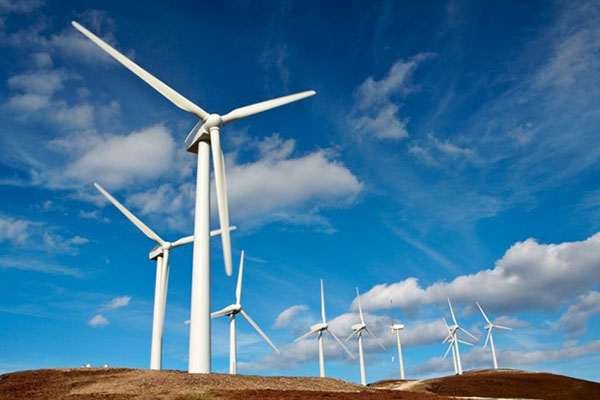
Forecasting allows utility companies to predict where they need to send energy and where they can trim. Manual forecasting can take a lot of manpower, but using AI can streamline it. Let’s see how AI can help predict variations in renewable energy production.
The Need for Accurate Forecasting
A significant challenge for power grids powered by renewable energy sources is predicting how much electricity wind and solar installations will generate. Underestimating or overestimating output can lead to severe grid stability issues. Overestimates can force power curtailments or create supply gluts, while underestimates can lead to last-minute reliance on backup plants or expensive electricity imports.
Artificial intelligence excels at forecasting and can help. Sophisticated machine learning techniques, ranging from neural networks to regression analysis, assimilate weather reports, satellite data, and historical data on renewable output to provide accurate day-ahead or hour-ahead predictions. This information helps utilities pre-plan resource allocation, determine if energy storage reserves are sufficient, and gauge whether additional generation resources must go online to meet the anticipated load.
Instant Predictions and Adjustments
Today’s AI tools monitor everything from smart meter readings and cloud cover to wind speed. They’re always tweaking their forecasts so the power grid stays steady, even if a storm shows up out of the blue. Because these tools react quickly, grid managers can better match how much energy people need with the energy they produce, saving money and reducing environmental harm.
Sometimes, these systems notice dust storms heading for solar panels in desert areas or cold fronts blowing over wind farms near the coast. They use that real-world info to help the grid run smoothly and reliably, even when the weather changes fast. This also gives planners a heads-up for high-demand times or upcoming bursts of renewable energy.
How Can AI Improve the Integration of Renewable Energy into Existing Power Grids?
Engineers must properly integrate renewable energy into the existing power grids so they can help reduce overall grid strain. AI can play a role in this area, too. Let’s review how.
Modernizing and Improving the Grid
Older grids were built for a single power flow: from fossil-fueled plants straight to users. Adding renewable sources like solar panels and wind farms makes things more complicated.
AI helps guide the shift from these older setups to modern smart grids that share data and control power more effectively. AI can also check where new solar panels or wind turbines will do the most good with the least hassle, keeping costs low and staying environmentally friendly.
Working with Traditional Power Plants
Even though renewables are growing fast, traditional power plants are still important for a steady grid. Matching traditional plants’ output with solar or wind can be tricky, especially with changing prices in wholesale markets. AI systems help balance these factors, keeping voltage and frequency stable while managing costs.
These AI tools also look at overall energy use, spotting likely high-demand times. As a result, power from renewables, batteries, or traditional plants can flow smoothly, avoiding downtime and costly grid issues. This teamwork pushes the clean energy shift forward without hurting reliability.
Power Grid Coordination at Scale
Managing millions of loads and generators across large areas calls for strong automation. Central AI systems gather data from local devices, such as smart meters and battery controls, to get a full picture of grid conditions. At the same time, local agents handle smaller tasks, quickly reacting to power production or demand changes.
This teamwork lets big grids adjust themselves faster, reducing blackout risks and making it easy to add new energy resources.
What Are the AI Techniques Used for Demand-Side Energy Management in Smart Grids?
Demand can make or break a grid. When demand is low, the grid runs smoothly with minimal hiccups. But if demand unexpectedly spikes, the utility company may be unprepared, resulting in excessive grid stress and potential power delivery problems.
Demand Response and Pricing
Guiding people as to when they should use electricity helps keep the grid running smoothly. Utilities often reward customers who switch some of their power use to less busy hours—an approach called demand response.
AI can help utility companies determine the best times for this by looking at user habits, prices, and overall grid activity. This cuts grid stress when many people need power all at once and allows the grid to use renewable energy more effectively to shoulder the added demand.
Load Forecasting with AI
On the demand side, AI can help predict how much power people will need. It checks weather patterns, social data, calendar dates, and past usage records to predict future demand.
With these forecasts, utilities can adjust how they produce and store power, keeping the grid steady and ready for sudden spikes.
Leveraging Smart Meters and IoT Devices
The widespread introduction of smart meters and internet of things (IoT) sensors accelerates energy grid modernization.
These devices collect data in real time and reveal detailed usage patterns, enabling AI technologies to customize interventions, such as shifting air conditioner usage during hot afternoons or adjusting electric vehicle charging times.
Across neighborhoods, aggregated data refines system-wide balancing strategies, all underpinned by AI-powered automation.
How Does AI Contribute to Detecting and Mitigating Grid Instabilities Caused by Renewables?
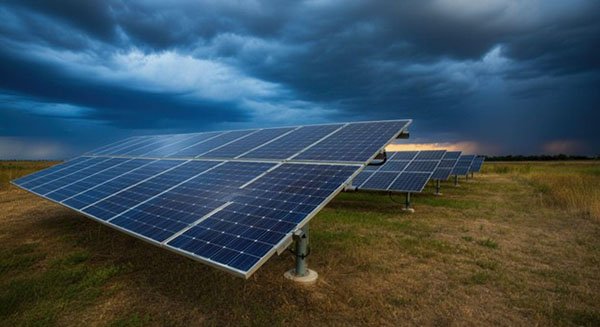
While renewable energy is clean and sustainable, it is not necessarily stable. From overcast skies impacting solar panel output to calm winds lowering wind turbine output, these renewable energy sources can lead to grid instability. Here’s how AI can help.
Overcoming Intermittent Renewables
Renewable power helps cut emissions, but it can be unstable. Big drops or spikes in wind or solar output might cause sudden changes in voltage and frequency, risking local outages or even wider grid failures.
AI can detect these sudden drops and automatically switch to alternative power sources to regain grid sustainability. Without AI, this process requires manual monitoring and switching, which could lead to periodic outages or even grid damage.
AI-Enhanced Fault Detection
AI tools that spot odd patterns and anomalies better protect the grid. They constantly scan data from sensors, smart inverters, and control systems to catch unusual signals that might mean something is about to break.
Without AI’s flexibility, grids rely on fixed rules to determine when there may be an issue. While these fixed rules can miss never-before-seen issues, machine learning adapts as it learns more, creating new rules and uncovering new signs.
Finding problems early with AI leads to quick fixes, such as switching off a bad line, rerouting power, or using stored energy to keep the grid steady.
Moving Toward a Greener Energy Future with AI
As the world leans more on clean power, AI is becoming a key part of keeping our grids smart and safe. It tackles real challenges, such as determining how to store extra energy, watching out for changing weather, and automating energy flow during spikes in demand. In doing so, AI helps cut costs, lower emissions, and keep the lights on for everyone.
AI gets even more powerful when it pairs up with sensors, smart pricing, and programs that reward people for shifting their energy use. Together, these tools continue to change how we make, share, and use power. While organizations like the US Department of Energy are investing in these ideas, it still takes cooperation among utilities, lawmakers, researchers, and tech providers to make it all work smoothly.
Given all parties continue working together smoothly, AI will continue impacting the energy market and make it more sustainable and green in the process.
Brought to you by justenergy.com
All images licensed from Adobe Stock.
{
“@context”: “https://schema.org”,
“@type”: “FAQPage”,
“mainEntity”: [{
“@type”: “Question”,
“name”: “How Can AI Optimize Energy Storage and Distribution in Grids Powered by Renewable Energy Sources?”,
“acceptedAnswer”: {
“@type”: “Answer”,
“text”: “As the share of renewable energy sources like wind turbines and solar panels expands, energy storage systems have become critical for ensuring grid stability. Renewable generation can be intermittent. Solar output, for example, varies with cloud cover and time of day, while wind varies with wind speeds. While ramping up or down fossil fuel use to offset these fluctuations is possible, that approach is neither fully sustainable nor cost-efficient. This is where batteries and other energy storage solutions, such as pumped hydro and thermal storage, can help. They absorb excess energy production and release electricity when demand spikes, aligning generation with consumption. Artificial intelligence drives more effective energy management in these situations. AI algorithms precisely schedule battery charging and discharging by analyzing historical data on wind and solar, alongside real-time load and pricing signals. This information helps utility companies reduce their reliance on fossil fuels, minimize downtime, and maintain consistent power quality in daily grid operations. Ultimately, this delivers a more flexible and robust system that can handle unpredictable shifts in energy demand and renewable generation.”
}
},{
“@type”: “Question”,
“name”: “What Are the AI Techniques Used for Demand-Side Energy Management in Smart Grids?”,
“acceptedAnswer”: {
“@type”: “Answer”,
“text”: “Demand can make or break a grid. When demand is low, the grid runs smoothly with minimal hiccups. But if demand unexpectedly spikes, the utility company may be unprepared, resulting in excessive grid stress and potential power delivery problems.”
}
}]
}
The post Your Guide to Using AI With Renewable Technologies and Grid Management appeared first on Just Energy.


