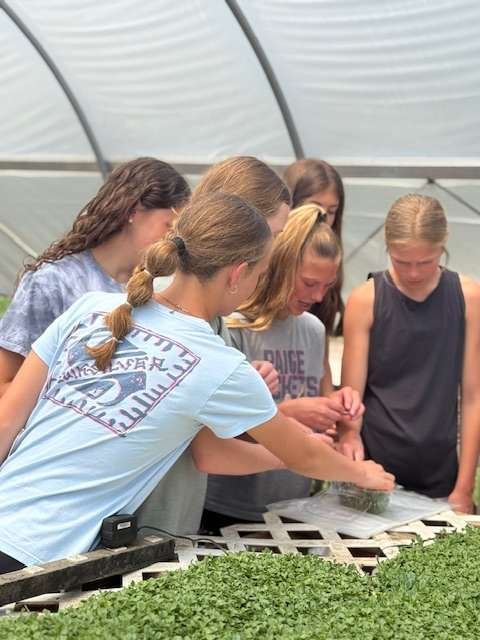
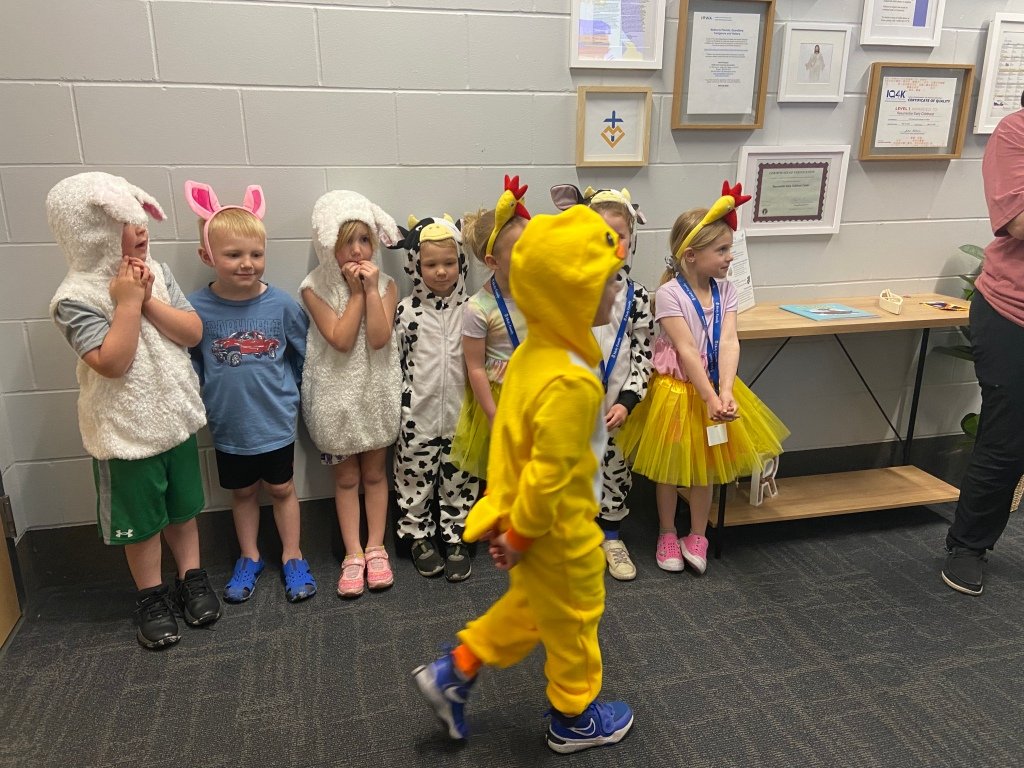
Agriculture touches nearly every aspect of our daily lives, yet many students have little knowledge of where their food comes from or how it’s produced. By weaving agriculture into classroom learning, educators can give students meaningful, real-world experiences that extend far beyond the farm. As we begin a new school year, here are some of the top reasons to make agriculture part of your teaching plans.
Connecting students to their food
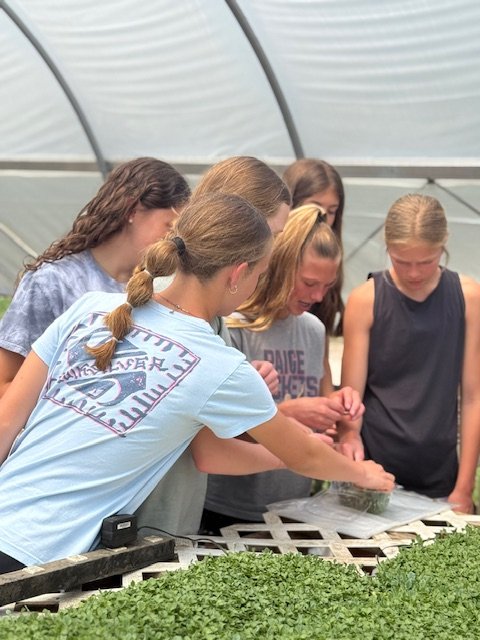
Fewer students today grow their own food or have set foot on a farm. Agricultural education helps bridge this disconnect by showing the journey food takes from the field to the table. Along the way, students gain appreciation for the work of farmers, processors, and distributors, and begin making stronger connections to healthy food choices.
Strengthening STEM learning
Agriculture is a living laboratory for science, technology, engineering, and mathematics. From soil chemistry and plant biology to GPS-guided tractors and biotechnology, agriculture offers countless real-world applications for STEM concepts. With hands-on experiences, students find these subjects more engaging, relevant, and inspiring, often sparking interest in STEM-related careers.
Building problem-solving and critical thinking skills

The challenges agriculture faces such as feeding a growing population, conserving natural resources, and responding to climate change – demand creative solutions. By engaging students in agricultural projects, teachers give them opportunities to think critically, analyze data, and design solutions. These skills prepare students for success in a wide range of future careers.
Opening doors to careers
Agriculture is more than farming, it’s food science, environmental consulting, engineering, education, communications, business, and beyond. Introducing students to this diverse career landscape early on helps them discover opportunities they may not have otherwise considered. Agricultural literacy also connects students to global issues such as food security, sustainability, and trade.
Developing lifelong skills

Agriculture lessons don’t just teach about food and farming; they cultivate responsibility, teamwork, and perseverance. Classroom gardens, food system projects, and hands-on labs help students practice resilience, problem-solving, and patience which are life skills valuable in every professional and every stage of life.
Fresh ideas for fall agriculture lessons
Kick-off the school year by tying agriculture into classroom themes and national celebrations. Here are a few ideas for fall lessons:
| Elementary | Middle School | High School | National Celebrations | |
| September | Honey Bees: A Pollination Simulation
Eggs From Hen to Home What’s on Myplate? |
Flower Power Eggs on the menu Enlightened Concessions |
Honey as a Biomolecule Photoperiod Phenomena My Agriculture Connections |
Food Literacy Month
Chicken Month Honey Month |
| October | Pork Production Then and Now From Farm to Lunch Tray PizzaThon |
Iowa Hog Lift: International Diplomacy |
Pig Power: Creating Biogas and Renewable Energy A Search for the Source Enzymes and Bacteria are Whey Cool! |
Pork Month
Farm to School Month Pizza Month |
| November | It’s a MOO-stery! Exploring Aquaponics GobbleUp! |
GobbleUp! FoodMASTERS: Fats and Oils Aeroponic Engineering & Vertical Farming |
Blue’s the Clue: Souring Milk for Science GobbleUp! Urban Agriculture Innovation |
Butter Day (17)
STEM Day (8) Eat a Cranberry Day (23) |
Reach out to Tara Tornabane, Education Program Manager, TTornabane@IowaAgLiteracy.org to learn more about how you can incorporate agriculture into your classroom.
~ Iowa Agriculture Literacy Foundation Team