
The Asia Science Mission (ASM) has announced its first two demonstration initiatives, marking a major step in flipping the science model into action. The flagship initiative under the International Science Council’s Science Missions for Sustainability, coordinated by Future Earth Asia, selected the Sanjeevan Initiative in Purulia, India (led by MANT) and the Resilience Escalator Program in Central Luzon, Philippines (led by Future Earth Philippines). The two initiatives were chosen from over 100 proposals and offer contrasting yet complementary socio-ecological settings for testing community-driven approaches to sustainability challenges.
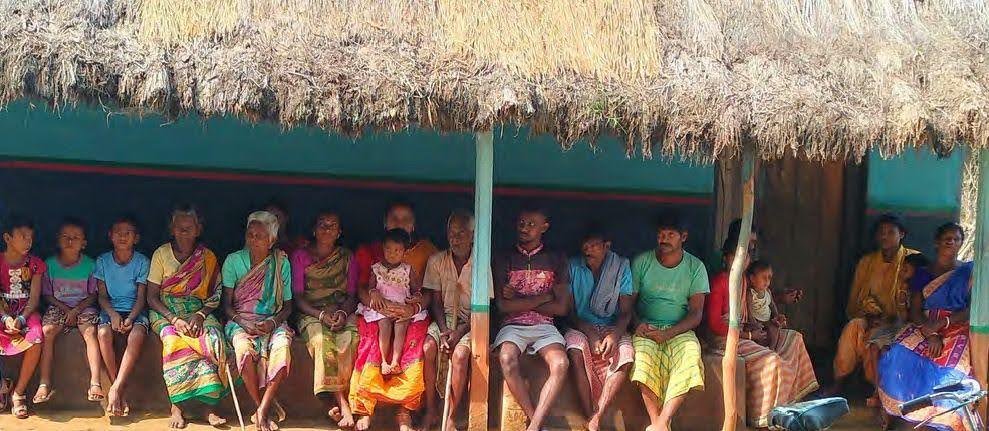
The ASM-Sanjeevan Initiative—supports communities in Purulia, West Bengal, as they navigate a web of interconnected stresses, including rising temperatures, erratic rainfall, soil degradation, forest thinning, and declining groundwater levels. These environmental pressures are deepened by migration and the gradual loss of traditional ecological knowledge, from soil-restoration techniques to water-harvesting customs and seasonal readings of the land. Building on the local Sanjeevan initiative, ASM will bring communities and scientists together as equal partners to co-design culturally grounded solutions that strengthen resilience.
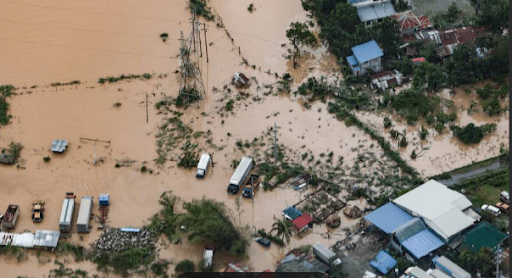
The ASM-Resilience Escalator Program (REP) operates in Central Luzon—an area increasingly recognized as a climate hotspot where communities face rising vulnerability, heightened food-security risks, and growing threats to livelihoods and agricultural productivity from extreme weather. The regional challenges mirror those of delta areas worldwide, where persistent flooding underscores the urgency for adaptive and resilient solutions. Through collaboration with central and local government units, REP is seeking to shift the focus of disaster response from reactive measures to proactive and sustainable adaptation strategies through its “Resilience Escalator” initiative.
As part of the ASM Demonstration Site Network, both initiatives will serve as learning laboratories for integrating community priorities, indigenous and local knowledge, and systems science to co-create context-appropriate solutions. ASM’s collaboration with these initiatives reflects its commitment to fundamentally transforming the science model by shifting from externally driven, siloed research toward science that starts with local realities, is co-designed with communities, incorporates their experiential knowledge, and responds iteratively to complex, interconnected issues. Through this collaboration, ASM will work with local stakeholders at each site as equal partners to generate actionable insights, develop adaptive socio-ecological systems, and provide evidence to inform policy, practice, and scalable resilience strategies across Asia.
The ASM is supported by the ISC Regional Focal Point for Asia and the Pacific, which is funded by the Australian Department of Industry, Science and Resources and led by the Australian Academy of Science.


