

Recently, Microsoft partnered with Pantheon Regeneration to restore degraded peatlands in the U.S. The partnership aims to generate high-quality peatland carbon credits, sequester carbon for centuries, and provide one of the most durable nature-based climate solutions.
Before diving deeper into the deal, it’s important to understand how peatland restoration works and how it generates carbon credits. Let’s read on.
Peatlands: Nature’s Most Concentrated and Durable Carbon Sink
Surprisingly, peatlands are one of Earth’s most powerful climate allies. These waterlogged ecosystems hold the largest natural land-based carbon reserve on the planet. Scientists estimate that peatlands store roughly 455 gigatonnes (Pg) of carbon—about twice the amount locked in all the world’s forests combined. Most of this carbon sits deep within saturated peat soils, built over thousands of years as partially decomposed plants accumulated layer after layer.
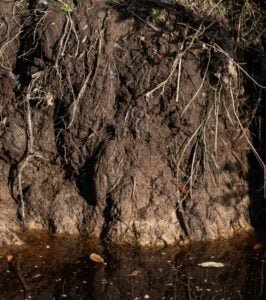
Because of this extraordinary carbon density, peatlands play a huge role in global climate regulation. However, when they are drained, disturbed, or converted for agriculture and development, they shift from carbon sinks to major carbon sources. Restoring and rewetting peatlands has therefore become one of the most critical nature-based actions for climate mitigation today.
Why Peatland Rewetting Matters for Climate Action
Peatlands store more carbon per hectare than any other ecosystem—even more than lush tropical forests. Their natural state is wet, oxygen-poor, and stable, which keeps organic matter from breaking down. But once drained, peat dries out and decomposes rapidly, releasing heavy amounts of CO₂ into the atmosphere.
Drained peatlands contribute a surprisingly large share of global emissions. They are prone to fire, especially during periods of heat and drought intensified by climate change. Wildfires in degraded peatlands burn underground for weeks or months, releasing enormous carbon plumes while destroying biodiversity and threatening communities.
Rewetting turns this trend around. By restoring natural water levels, peatlands return to their slow, steady carbon-locking function. Wet soil prevents decomposition, sharply reduces fire risk, and revives entire ecosystems. As a result, peatland rewetting is now widely recognized as one of the most impactful nature-based climate solutions.
Peat performs multiple roles at once—it removes carbon, buffers floods, filters water, and supports rare species. Restoring peatlands delivers benefits for climate mitigation, climate adaptation, and ecological recovery, all at the same time.
Carbon Credits from Peatland Rewetting
Peatland rewetting not only cuts emissions but also generates verified carbon credits. Several established methodologies allow restoration projects to measure, certify, and issue credits based on avoided emissions and enhanced carbon storage.
Key methodologies include:
- Verra VM0027 – Designed specifically for rewetting tropical peatlands.
- Verra VM0036 – Tailored for temperate and boreal peatland restoration.
- MoorFutures – A pioneering regional standard developed in Germany for peatland-based credits.
These standards have already been used in real-world projects. We found out that one of the earliest examples, the Kieve Polder project in Germany, is projected to remove 38,655 tonnes of CO₂ over 50 years. The project demonstrates how peatland restoration can deliver both ecological gains and economic value through the carbon market.

The Power of Rewetting Peat
Pantheon has explained the following attributes of rewetting peat.
- Exceptional Carbon Density: Peatlands are the planet’s most concentrated terrestrial carbon stores. They can hold up to 10 times more carbon per hectare compared to forests or grasslands. This unique density means that even small peatland areas have global significance.
- Long-Term Permanence: Once rewetted, peat soils remain waterlogged, which dramatically slows decomposition. This natural process locks carbon away for thousands of years. As long as the site stays wet, permanence is extremely high, making peat restoration one of the most durable forms of natural carbon removal.
- Resilience and Climate Adaptation: Healthy peatlands moderate water flow, reducing the impact of droughts, floods, and storms. Rewetting also lowers wildfire risk and stabilizes landscapes. These hydrological benefits create safer environments for both people and wildlife.
- Biodiversity Revival: Restoration reestablishes habitats for rare plants, migratory birds, and other peat-dependent species. Biodiversity bounces back quickly when peatlands return to their natural, wet conditions.
- Water Quality Improvements: Rewetted peatlands act like natural sponges and filters. They absorb and store freshwater, gradually releasing it downstream while improving water quality.
- Health Benefits: By reducing peat fires and smoke pollution, rewetting helps lower respiratory health risks for nearby communities—a key but often overlooked benefit.
Pantheon Regeneration and Microsoft: A Major Step for U.S. Peatland Restoration
Pantheon Regeneration recently secured a strategic investment from Microsoft’s Climate Innovation Fund, marking a significant milestone for peatland restoration in the United States. This funding will accelerate Pantheon’s ability to develop and scale ecological restoration projects that deliver high-quality carbon removal.
Pantheon’s approach combines scientific rigor with large-scale project execution. By focusing on peatlands—one of Earth’s most carbon-dense ecosystems—the company aims to generate meaningful volumes of high-quality, durable carbon credits. At the same time, its restoration efforts bring back critical wetland ecosystems that have quietly supported climate balance for thousands of years.
Pantheon CEO Tripp Wall noted the significance of the investment:
“Support from the Microsoft Climate Innovation Fund is a profound game-changer. The Pantheon team has been driven from day one by the enormous potential of our ecosystem restoration work to deliver the type of landscape scale climate solutions the planet needs and the carbon credit quality and volumes the market craves. We are grateful for this recognition of the quality of what we’re doing and know their support will enable us to scale our work.”
Pocosin Ecological Reserve I: A Flagship Project
Pantheon’s first major project, Pocosin Ecological Reserve I (PER I), is among the earliest commercial peatland restoration initiatives in the U.S. Located on the Scuppernong High in the Southeastern United States, the site contains some of the deepest peat deposits in the region’s coastal plain.
Historically drained for farming and forestry, the land experienced large carbon releases and frequent fire risks. Today, PER I spans 14,500 acres and is bordered on three sides by a federal wildlife refuge—an ideal setup for landscape-scale restoration.
PER I is designed to show what peatland restoration can achieve when science, land stewardship, and carbon markets align. The project aims to reverse decades of degradation, bring back natural hydrology, sequester large amounts of carbon, and enhance biodiversity across a vast ecosystem.
A Science-Led Approach
Pantheon works closely with Duke University to monitor ecosystem recovery, carbon storage, water benefits, and biodiversity outcomes. This science-first strategy ensures that the carbon credits produced meet the highest quality expectations for corporate buyers seeking durable, verifiable climate solutions.
Microsoft’s investment strengthens Pantheon’s ability to scale its project pipeline, improve monitoring systems, and accelerate the delivery of high-quality credits. Erika Basham, Director of Microsoft’s Climate Innovation Fund, will join Pantheon’s board as an observer—underscoring the strategic importance of the partnership.
Microsoft’s Broader Climate Strategy
Microsoft has committed to becoming carbon negative by 2030 and removing all historical emissions by 2050. Achieving this ambition requires a diverse portfolio of both natural and engineered carbon removal approaches. Peatland restoration fits squarely into this strategy because of its durability, ecological benefits, and scalability potential.
The investment in Pantheon reflects Microsoft’s recognition that nature-based solutions—when implemented with scientific integrity—play a vital role in global decarbonization.
A Climate Solution Rooted in Nature
Peatlands may be quiet landscapes, but their importance is immense. Rewetting them prevents large emissions, restores natural resilience, and locks carbon away for millennia. With growing momentum from developers like Pantheon and buyers like Microsoft, peatland restoration is gaining long-overdue recognition as one of the most powerful and durable climate solutions available today.
FURTHER READING:
- Microsoft (MSFT Stock) Tops Q2 2025 Record-Breaking Surge in Durable Carbon Removal Credit Purchases
- Microsoft (MSFT Stock) and Vaulted Deep Team Up to Unlock Almost 5M Ton of Carbon Removal from Organic Waste
- Microsoft (MSFT Stock) Emissions Up 23%, Invests in Waste-to-Energy Project to Capture 3 Million Tons of CO₂
- Microsoft (MSFT) Signs $2.6 Million Soil Carbon Credit Deal with Agoro Carbon to Meet its Net-Zero Goals
The post Peatland Carbon Credits: Microsoft Invests in Pantheon to Restore Peatlands for Durable Carbon Removal appeared first on Carbon Credits.


