
A kitchen can feel clean, modern, and functional… yet still feel unfinished. Something feels missing. That “something” often lives right between the countertop and the cabinets. A kitchen backsplash quietly ties everything together, protects the walls, and adds personality without shouting for attention. This single design feature can whisper elegance, spark warmth, or even create drama.
This article walks through 14 inspiring kitchen backsplash styles that transform ordinary kitchens into spaces people love to spend time in. Each idea focuses on beauty, function, and emotional connection, without complicated design language. Small details matter here, and by the end, the right choice may feel surprisingly obvious.
Classic Subway Tile Elegance

Few designs feel as comforting and familiar as subway tile. Clean rectangular tiles laid in a simple pattern create a timeless look that never feels outdated. This style works beautifully in both modern and traditional kitchens, making it one of the safest yet most stylish choices available.
The beauty of this design lies in its simplicity. White tiles reflect light, making small kitchens feel bigger and brighter. Light-colored grout keeps the look seamless, while darker grout adds contrast and hides stains from everyday cooking. Glossy finishes bring in a fresh, polished vibe, while matte finishes create softness and warmth.
Subway tile pairs well with almost any cabinet color, from crisp white to deep navy. It also adapts easily to future updates. Change the cabinet hardware or wall color, and the backsplash still fits right in. That flexibility keeps homeowners confident and relaxed, knowing their kitchen will age gracefully.
Warm Natural Stone Charm
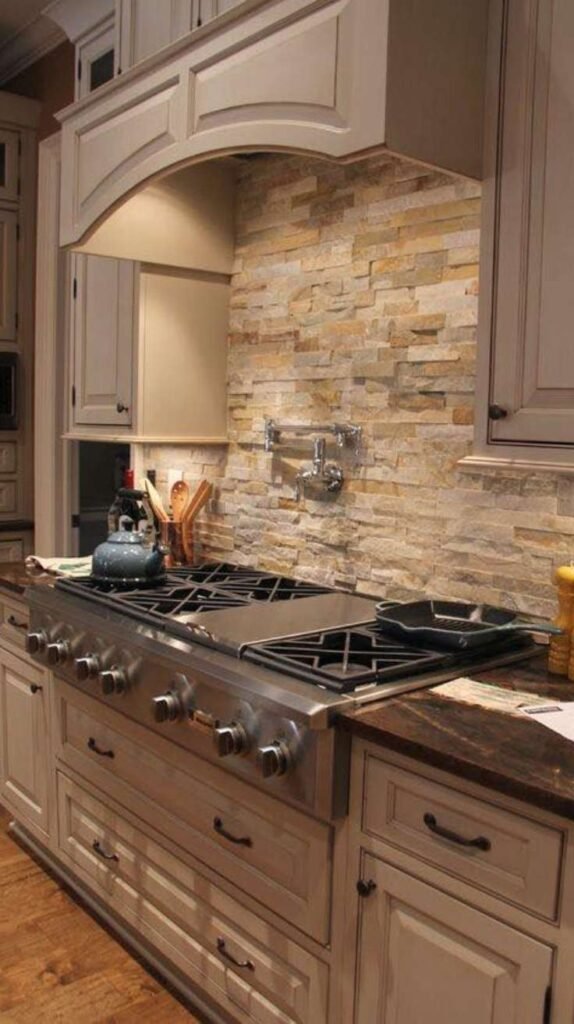
Natural stone backsplashes introduce depth, texture, and organic beauty into the kitchen. Each piece carries unique veining and color variation, which gives the space a lived-in, earthy feel. This style often appeals to those who value authenticity and warmth.
Stone materials like travertine, slate, and marble create a strong connection to nature. They soften modern kitchens and enhance rustic ones. Light stones keep the space airy, while darker stones add richness and drama. Sealed properly, stone holds up well against splashes and heat.
What truly sets Stone apart is emotion. It feels grounded and reassuring. No two kitchens ever look the same with this material, and that uniqueness adds quiet confidence. Guests often notice it instantly, even if they can’t explain why it feels so inviting.
Bold Mosaic Personality
Mosaic designs bring energy and movement into the kitchen. Small tiles arranged in detailed patterns or color blends create visual interest that draws the eye without overwhelming the room. This choice works especially well for people who enjoy expressive design.
Glass mosaics reflect light beautifully, making kitchens sparkle during the day and glow softly at night. Ceramic and porcelain mosaics offer durability and an endless array of color combinations. Some designs lean playful, while others feel artistic and refined.
This style shines when used thoughtfully. It can act as a focal point behind the stove or sink, allowing the rest of the kitchen to stay calm and balanced. The result feels personal, creative, and full of life, making it perfect for spaces where cooking and conversation blend seamlessly.
Sleek Modern Glass Panels

Glass panels bring a quiet sense of luxury that feels effortless rather than forced. The surface appears smooth, clean, and uninterrupted, which instantly makes the kitchen feel more open and organized. Unlike tile designs with multiple grout lines, glass offers a seamless look that flows naturally across the wall. This creates a calming visual effect, especially in smaller kitchens where clutter can feel overwhelming.
Light plays beautifully on glass. During the day, natural sunlight reflects softly, while evening lighting adds a gentle glow that feels warm and inviting. Colored glass panels allow personality to shine through without adding chaos. Soft neutrals feel modern and safe, while deeper tones add confidence and drama. Behind the stove or sink, glass remains practical, resisting moisture and stains with ease.
Maintenance stays simple, which matters more than many people expect. A quick wipe removes splashes, keeping the space fresh. This design often surprises guests, not because it screams for attention, but because it feels so effortlessly complete.
Rustic Brick Texture Appeal
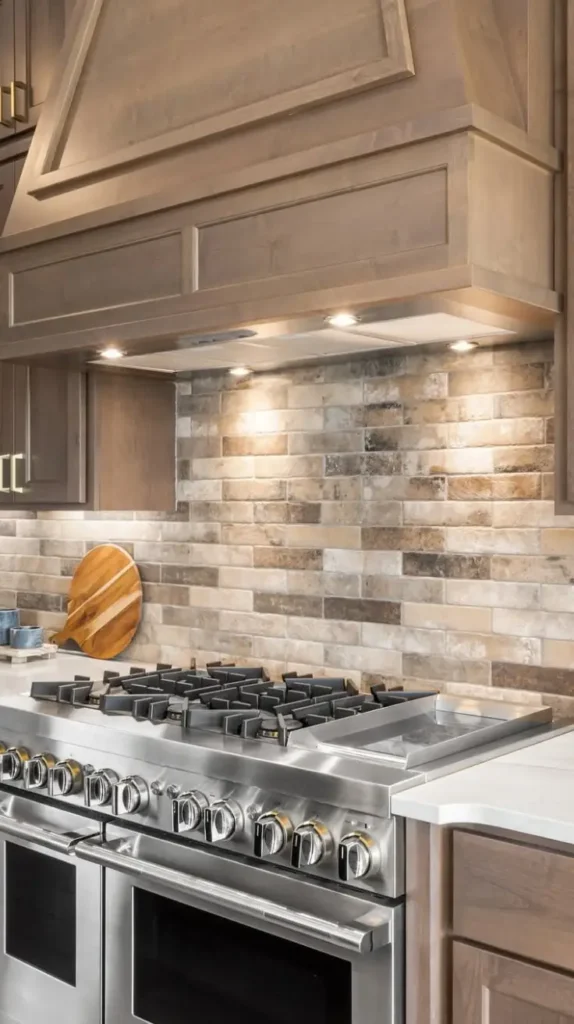
Brick brings soul into a kitchen. It tells a story of warmth, comfort, and lived-in beauty that modern materials sometimes struggle to express. Whether using real exposed brick or brick-style tiles, the texture immediately adds character. The surface feels grounded, imperfect in the best way, and deeply inviting.
Red brick creates a cozy, traditional atmosphere that pairs beautifully with wooden cabinets and open shelving. Whitewashed brick softens the look, allowing light to bounce around while keeping the rustic charm intact. Faux brick tiles offer an easier alternative, delivering the same visual depth without the maintenance challenges of real masonry.
Sealing the surface helps protect against grease and moisture, ensuring long-lasting beauty. This style works especially well in kitchens that double as gathering spaces. Conversations linger longer, meals feel more comforting, and the room naturally becomes a place people return to again and again.
Elegant Marble Sophistication
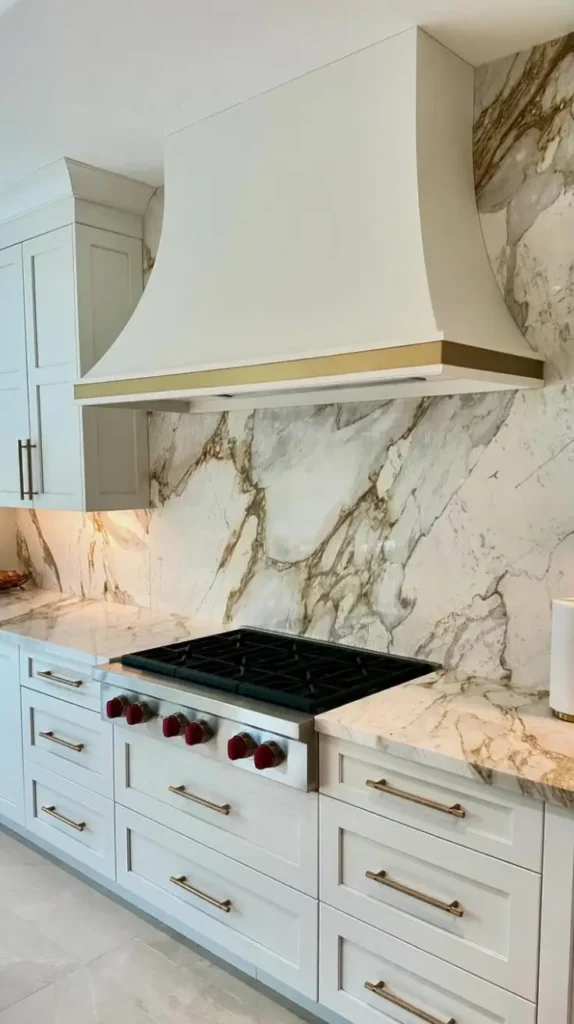
Marble introduces a refined elegance that feels timeless rather than trendy. The soft veining creates movement across the surface, giving the kitchen depth without visual noise. Each slab feels unique, which adds a subtle sense of luxury that never feels loud or overwhelming.
Lighter marble tones brighten the room, making kitchens feel airy and open. The natural patterns bring a gentle rhythm to the design, guiding the eye without distraction. When paired with simple cabinetry, marble becomes the quiet star of the space. Honed finishes feel relaxed and natural, while polished finishes add a smooth, reflective glow.
Though marble requires care, many people find the process rewarding. Over time, it develops character, telling the story of meals prepared and moments shared. This material doesn’t just decorate a kitchen; it grows with it, aging gracefully and beautifully.
Colorful Ceramic Tile Expression
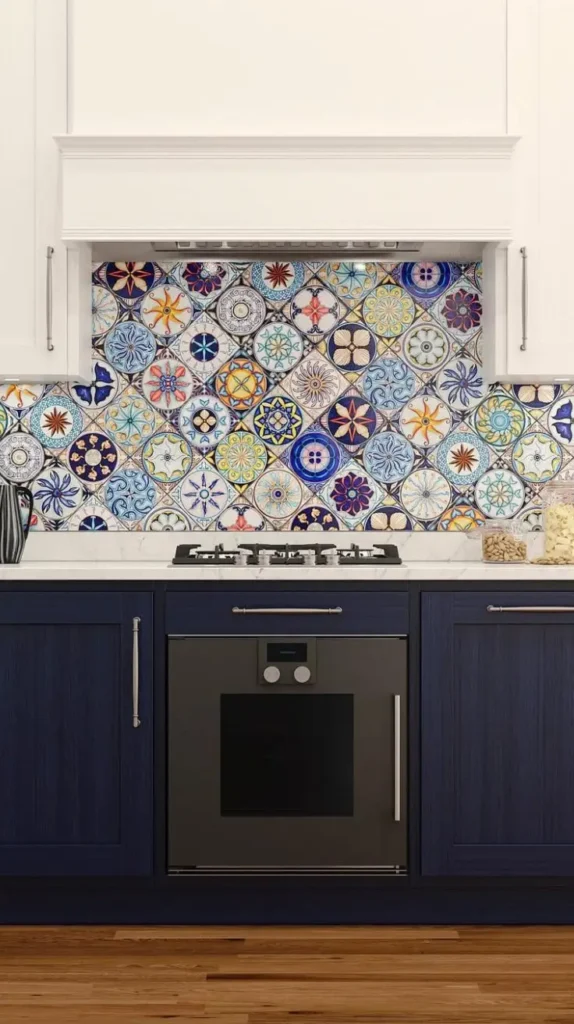
Ceramic tiles open the door to creativity. Colors, shapes, and finishes combine to create a space that feels personal and alive. This style suits kitchens that celebrate warmth, joy, and everyday beauty rather than strict perfection.
Soft, earthy tones feel grounded and comforting, while bold colors bring energy and playfulness. Hand-painted ceramic tiles add an artisanal touch, making the kitchen feel handcrafted rather than mass-produced. Glossy finishes reflect light, while matte surfaces create a softer, calmer mood.
Beyond beauty, ceramic tiles offer reliability. They handle heat, moisture, and daily wear with ease. Cleaning stays simple, which allows the design to shine without stress. A colorful ceramic design doesn’t just decorate the wall; it lifts the spirit. Every glance brings a sense of personality and warmth that makes cooking feel less like a task and more like a pleasure.
Metal Accent Industrial Style
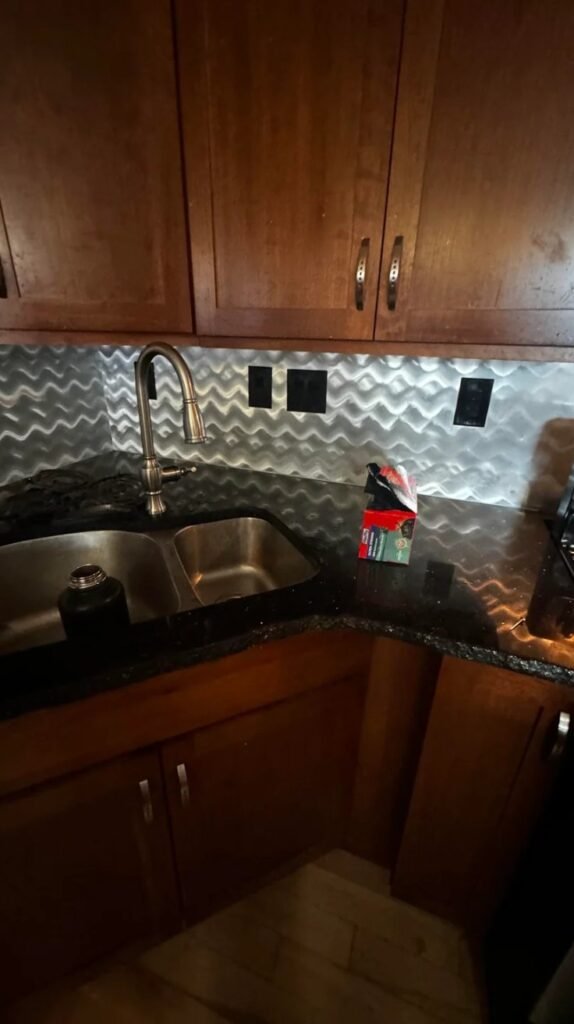
Metal surfaces bring strength and confidence into the kitchen. The look feels bold, modern, and purposeful, inspired by professional cooking spaces and urban design. Stainless steel delivers a clean, polished appearance, while copper introduces warmth and depth that evolves over time.
Light reflects sharply off metal, adding brightness and energy to the room. This effect works beautifully in kitchens with minimal decoration, where strong materials carry the design. Copper develops a natural patina, telling a visual story of use and time, which many people find deeply appealing.
Durability remains a major advantage. Metal resists heat, stains, and moisture, making it ideal for busy cooking zones. The overall feel is practical yet stylish. This design suggests confidence, efficiency, and creativity, perfect for kitchens where action never stops.
Patterned Tile Visual Drama
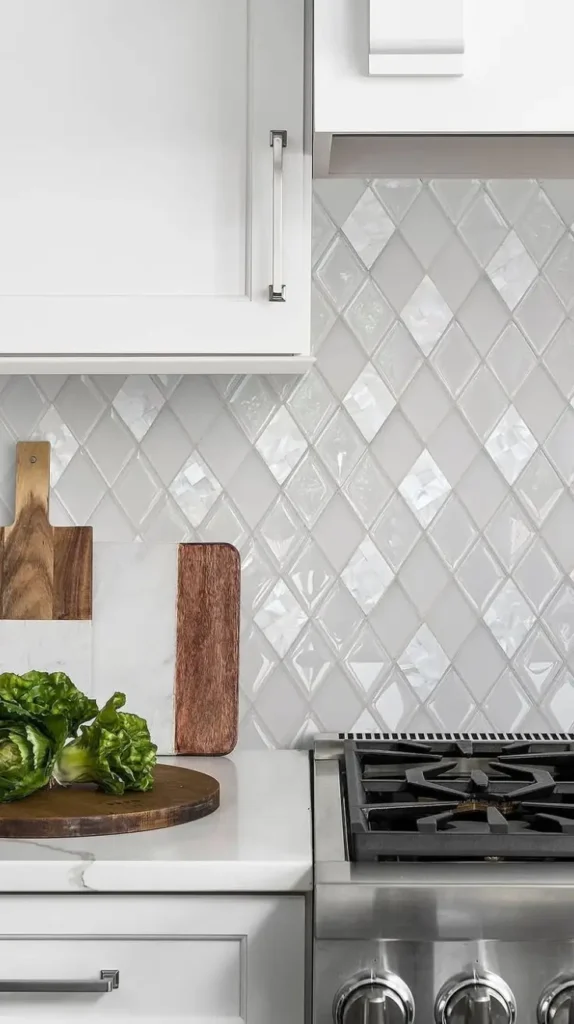
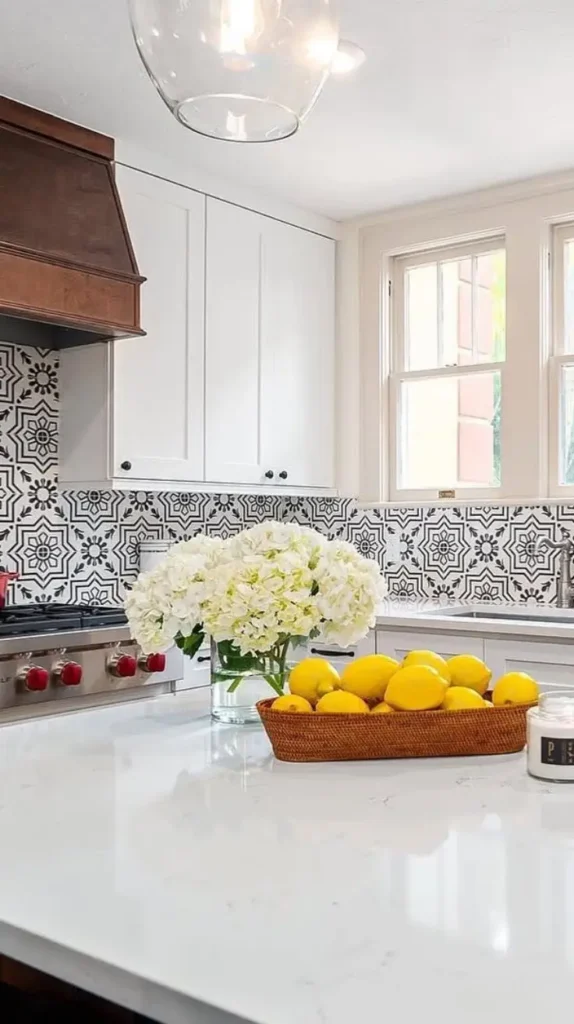
Patterned tiles transform kitchen walls into a visual artwork. Geometric shapes, floral motifs, and vintage designs create a personality that feels intentional and expressive. This approach works best when balanced carefully, allowing the patterns to shine without overwhelming the space.
Black-and-white designs feel classic and bold, while colorful patterns add warmth and energy. These tiles work especially well as a feature behind the stove or sink, creating a focal point that draws attention naturally. Modern printing techniques ensure durability, making maintenance easier than expected.
This style sparks conversation. Guests notice it immediately, often asking questions or admiring the detail. The kitchen feels memorable and full of life. Patterned tiles don’t fade into the background; they create moments, turning everyday cooking into an experience.
Seamless Slab Continuity

A continuous slab design creates visual harmony that feels calm and luxurious. Using the same material from countertop to wall removes visual breaks, allowing the eye to move smoothly across the space. The kitchen feels larger, cleaner, and more organized.
Veining flows naturally, adding movement without clutter. This approach works beautifully in modern and minimalist kitchens where simplicity takes center stage. Cleaning becomes easier, as there are fewer joints where dirt can collect.
The overall effect feels refined and intentional. Nothing competes for attention. Instead, everything works together in quiet balance. This style doesn’t rely on decoration—it relies on quality. The result feels timeless, polished, and deeply satisfying.
Coastal-Inspired Light Tones
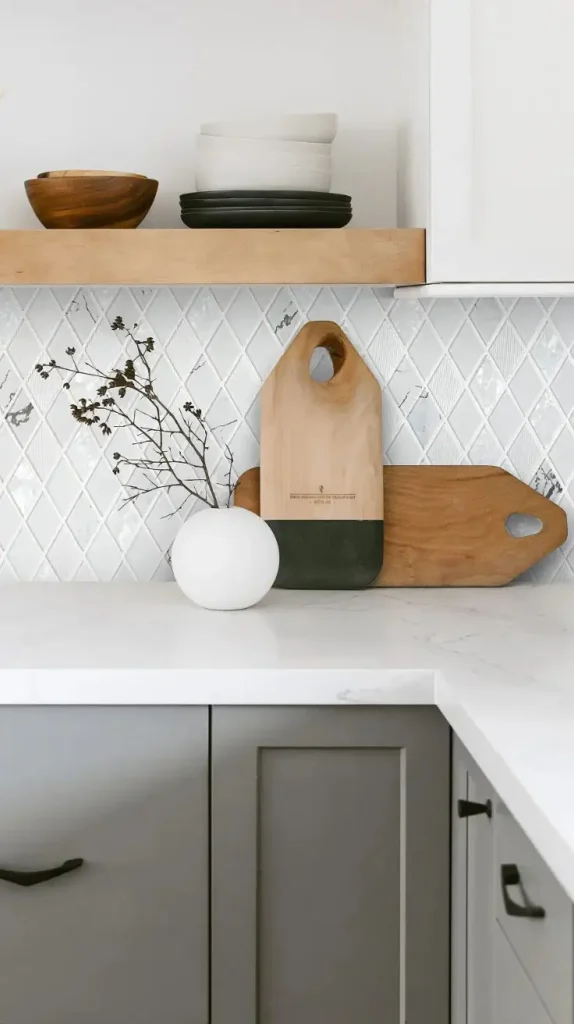
Coastal-inspired designs bring calm energy into the kitchen. Soft blues, sandy neutrals, and gentle greens create a relaxed atmosphere that feels refreshing and open. The space feels lighter, even on cloudy days.
Glossy tiles reflect light like water, while textured finishes add subtle depth. Paired with white cabinetry and natural wood accents, the kitchen feels breezy and welcoming. Even far from the ocean, this design captures the spirit of easy living.
This style encourages slow moments. Morning coffee feels calmer, meals feel lighter, and the room becomes a place to unwind. The colors soothe without feeling dull, creating a kitchen that feels like a quiet escape from everyday stress.
Dark and Moody Contrast
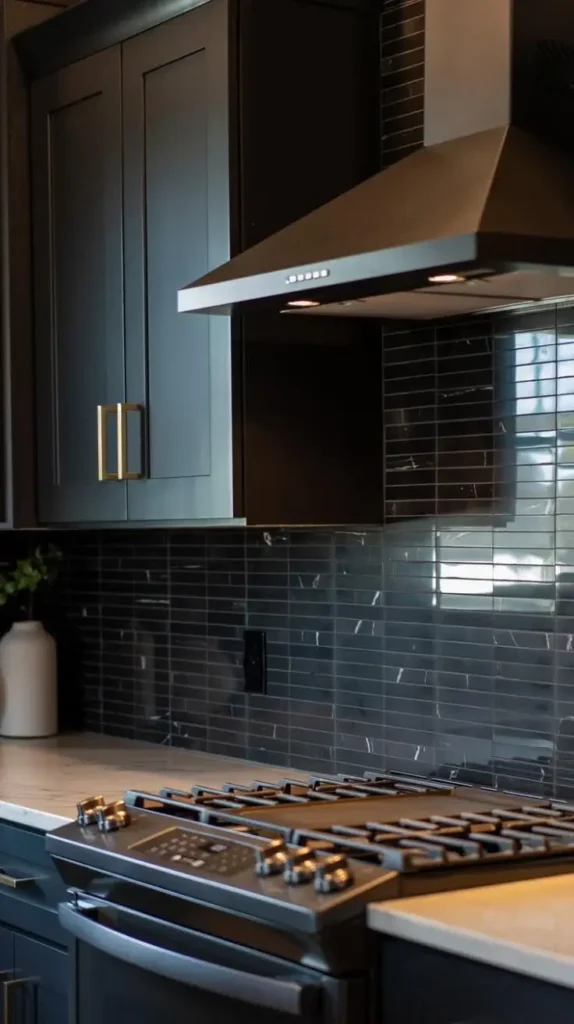
Dark tones create a kitchen atmosphere that feels bold, comforting, and deeply expressive. Instead of making the space feel smaller, darker shades add depth and richness when balanced with proper lighting. Soft under-cabinet lights and warm overhead fixtures prevent the room from feeling heavy, allowing the darker surface to feel intentional rather than overwhelming.
This style pairs beautifully with light countertops and metallic accents, which help create contrast and visual balance. Matte finishes absorb light softly, creating a calm and cozy environment, while glossy surfaces reflect light and add subtle drama. Dark tones also hide splashes and stains better than lighter surfaces, which makes daily maintenance feel easier and less stressful.
The emotional impact matters most here. Dark designs create intimacy. Cooking feels slower, conversations feel deeper, and the kitchen transforms into a space that feels grounded and inviting. This approach brings confidence into the room without shouting for attention, making it perfect for people who want a space that feels strong yet welcoming.
Textured Tile Dimension
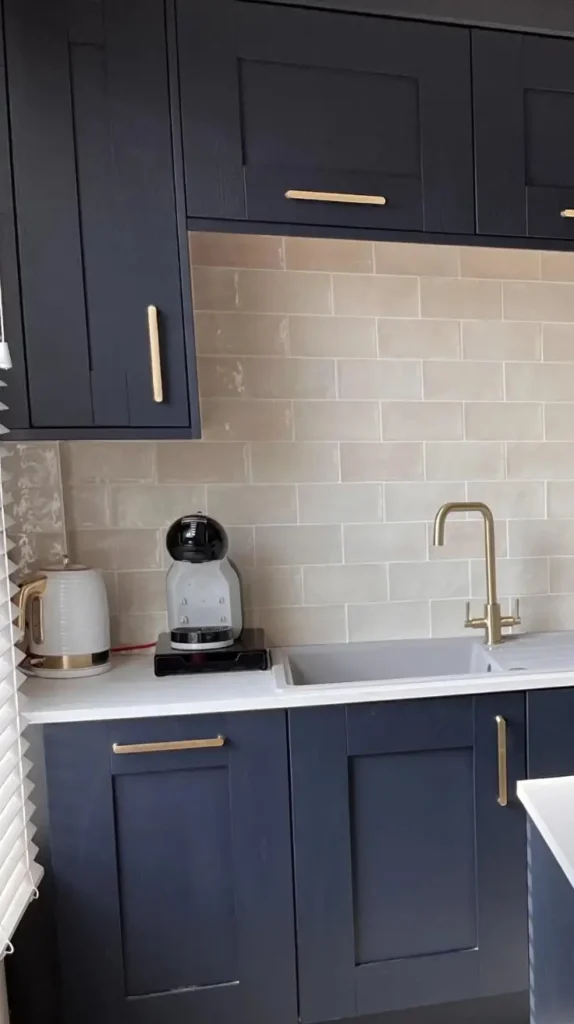
Texture changes how a kitchen feels, not just how it looks. Raised surfaces introduce depth that flat designs simply cannot offer. Light moves across the tile throughout the day, creating shadows and highlights that make the wall feel alive. This subtle movement adds interest without adding visual clutter.
Textured tiles work especially well in neutral color palettes. Soft whites, creams, and grays allow the texture to stand out naturally. The surface invites closer attention, rewarding the eye with detail that feels thoughtful and refined. Even simple lighting can enhance this effect, creating warmth and dimension.
Practical benefits matter too. Many textured tiles are made from durable materials that handle heat and moisture well. With proper sealing, cleaning remains manageable. The overall effect feels layered and intentional, offering richness without chaos. This style quietly elevates the kitchen, making it feel complete and carefully designed.
Minimalist Neutral Calm
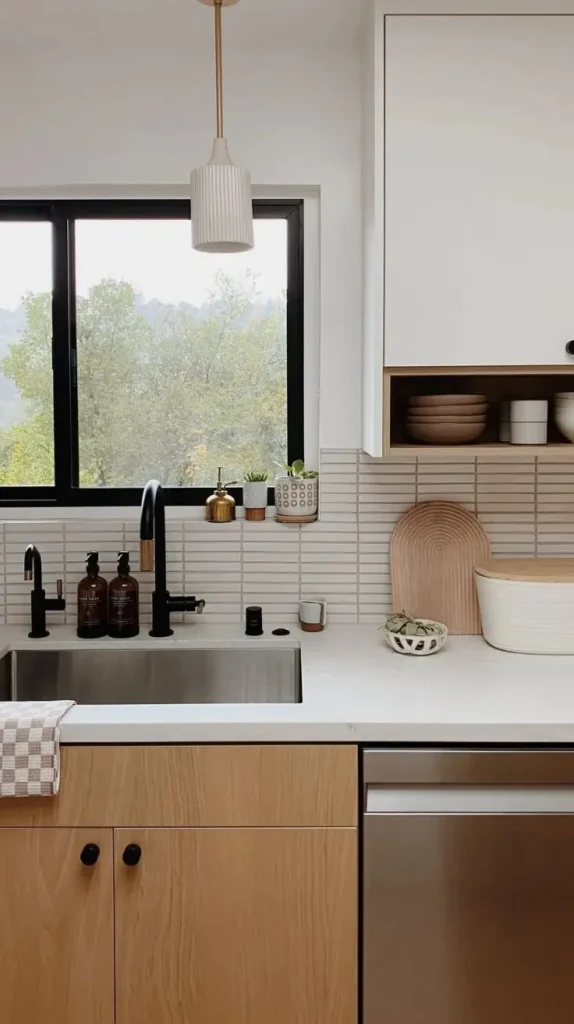
Neutral designs create a kitchen that feels peaceful and balanced from the moment someone walks in. Soft tones blend naturally, removing visual noise and creating a sense of order. The space feels open, breathable, and easy to live in, even during busy cooking moments.
This style allows cabinetry, lighting, and countertops to shine without competition. Clean lines and smooth finishes reinforce simplicity, while subtle variations in tone keep the design from feeling flat. Neutral surfaces also adapt easily to changing trends, which makes them a reliable long-term choice.
Emotionally, this approach brings comfort. The kitchen feels safe, familiar, and welcoming. There is no pressure to impress, only a quiet beauty that supports everyday life. Maintenance stays simple, stress stays low, and the space continues to feel fresh year after year.
The Final Touch That Changes Everything
A backsplash may appear small, but its impact reaches far beyond decoration. It protects the wall, enhances functionality, and shapes how the kitchen feels daily. The right design creates harmony, while the wrong one feels unfinished, no matter how beautiful the cabinets or countertops may be.
Each style discussed offers a different emotional experience. Some bring energy and drama, while others provide calm and comfort. The best choice often reveals itself slowly, through how the space is used and how it makes people feel.
When the right design is in place, the kitchen feels whole. Cooking becomes more enjoyable, gatherings feel warmer, and the room finally reflects the personality of the home. That final touch doesn’t just complete the kitchen; it transforms it.


