
How Cheap Renewable Energy is Finally Flattening Emissions
Every time we turn on a light, charge our phone, or drive to work, we rely on energy captured long ago from the sun — fossil fuels that were once living organisms, now burned (in my opinion wasted) to power our world.
But that era is beginning to fade with humanity making a historic transition from ancient solar energy stored in coal, oil, and gas to current solar energy that shines on us each day and produces the winds and climate that allow for wind, geothermal, hydropower and waves to power humans insatiable needs.
The Tipping Point for Renewables in 2025
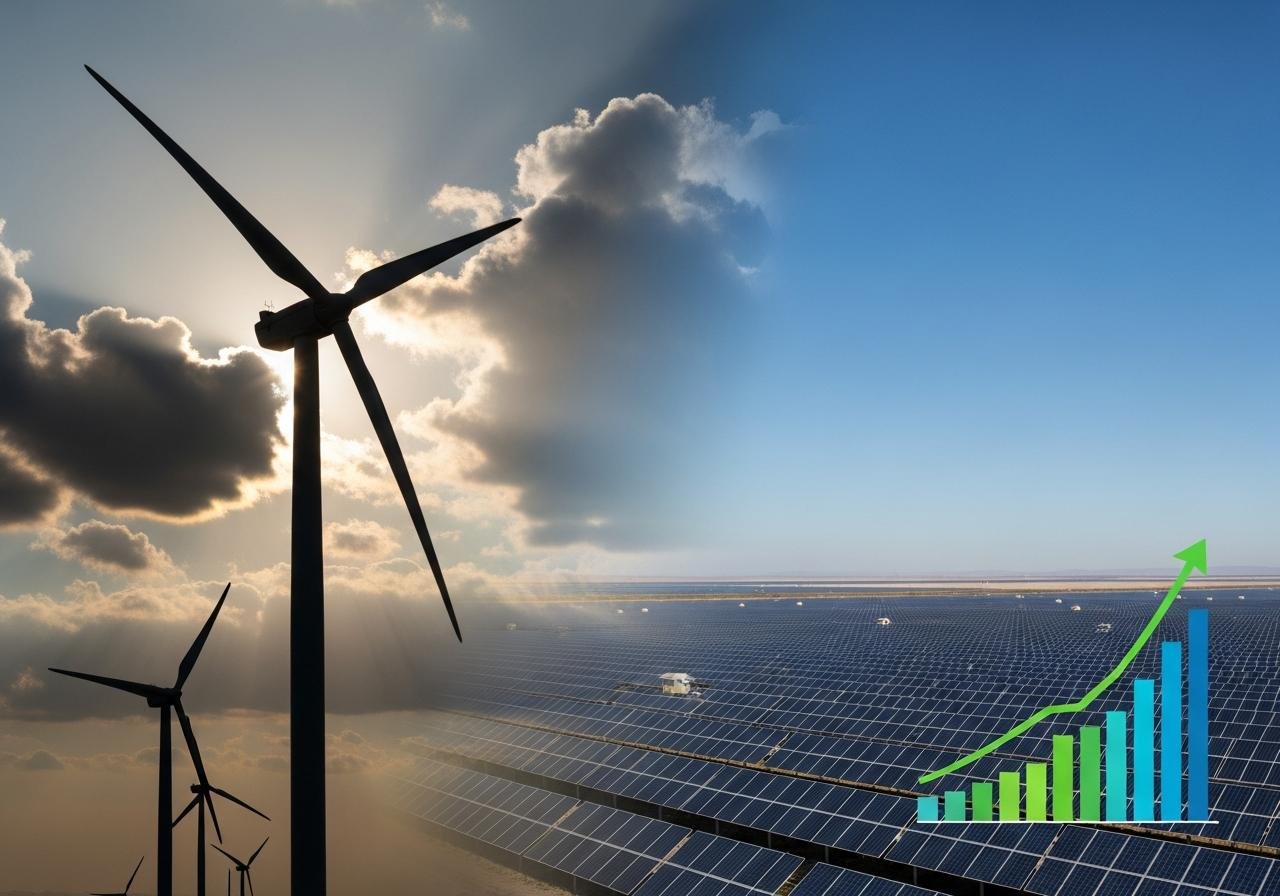
In 2025, renewable energy hit several important milestones that scientists and policy analysts have been anticipating for decades. For the first time, the world generated more electricity from renewables — primarily solar, wind, and hydroelectric — than from coal. Even more significant, the growth in renewable electricity production during the first half of the year was enough to meet and exceed the increase in global electricity demand.
This means the world’s appetite for power can now grow without a proportional rise in carbon emissions. It’s a milestone quietly marking the start of a new chapter in the energy story — one in which clean power doesn’t just coexist with development; it drives it.
The Road to This Moment
China’s Renewable Revolution
China’s transformation over the past two decades is central to the global energy transition. Facing both severe air pollution and energy security concerns, Chinese policymakers recognized early that the future would not be powered by coal alone. Well all remember hearing with horror how the Chinese were deploying coal powered plants at an astonishing rate and yet they invested heavily in wind, solar, battery and EV technologies, creating a domestic clean-tech sector that now accounts for roughly 10% of the country’s GDP.
Energy Security in the Global South
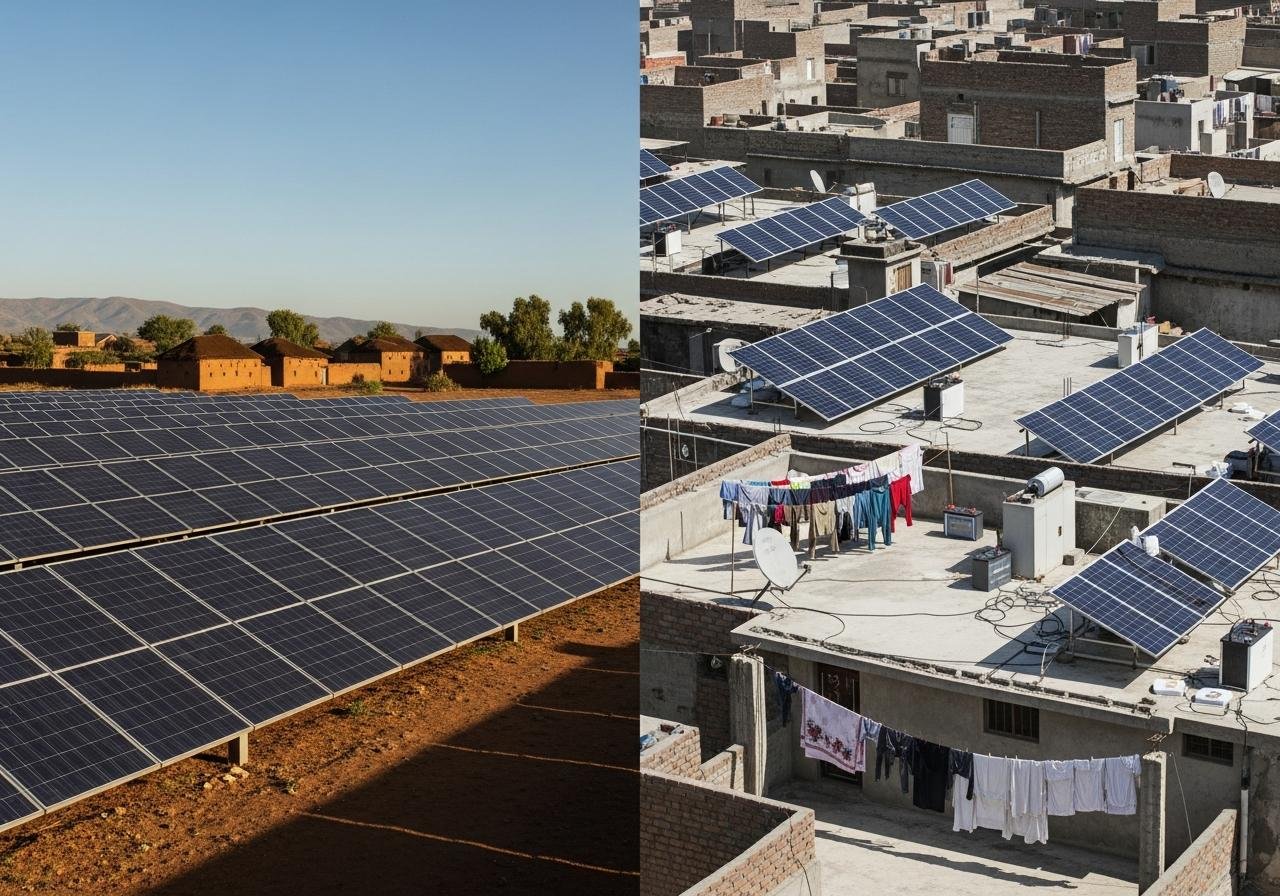
One of the most encouraging trends is how fast solar and wind are expanding across the Global South. Countries in Africa, Asia, and Latin America are harnessing cheap renewables not primarily for climate reasons but because they make economic and security sense.
Political Barriers in Western Markets
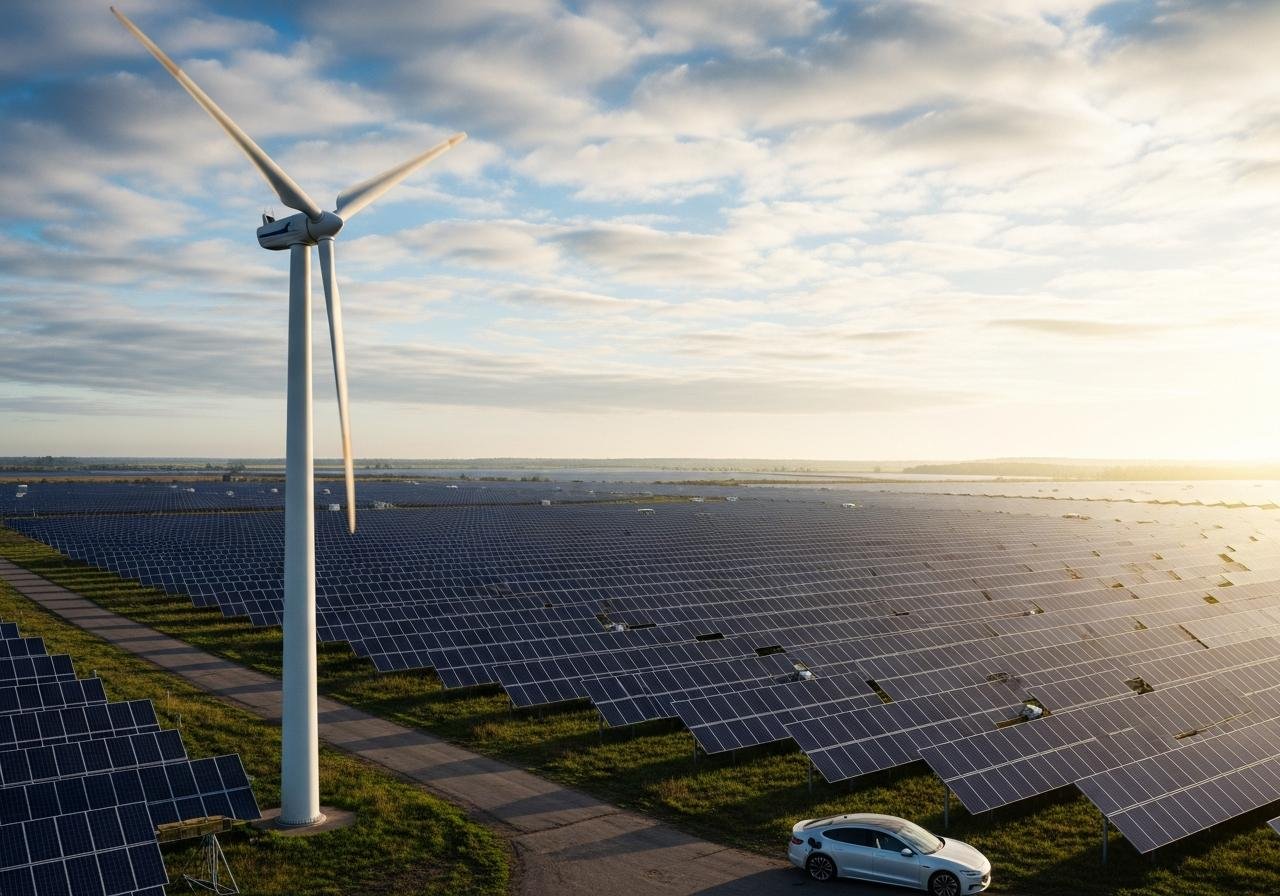
While cost is no longer the limiting factor, politics sometimes is. Western nations face a unique dilemma: they benefit from the affordability of Chinese clean-tech products but are wary of overdependence on them due to geopolitical tensions. This creates a tension between the goals of decarbonization and industrial independence.
Infrastructure: The Next Big Challenge
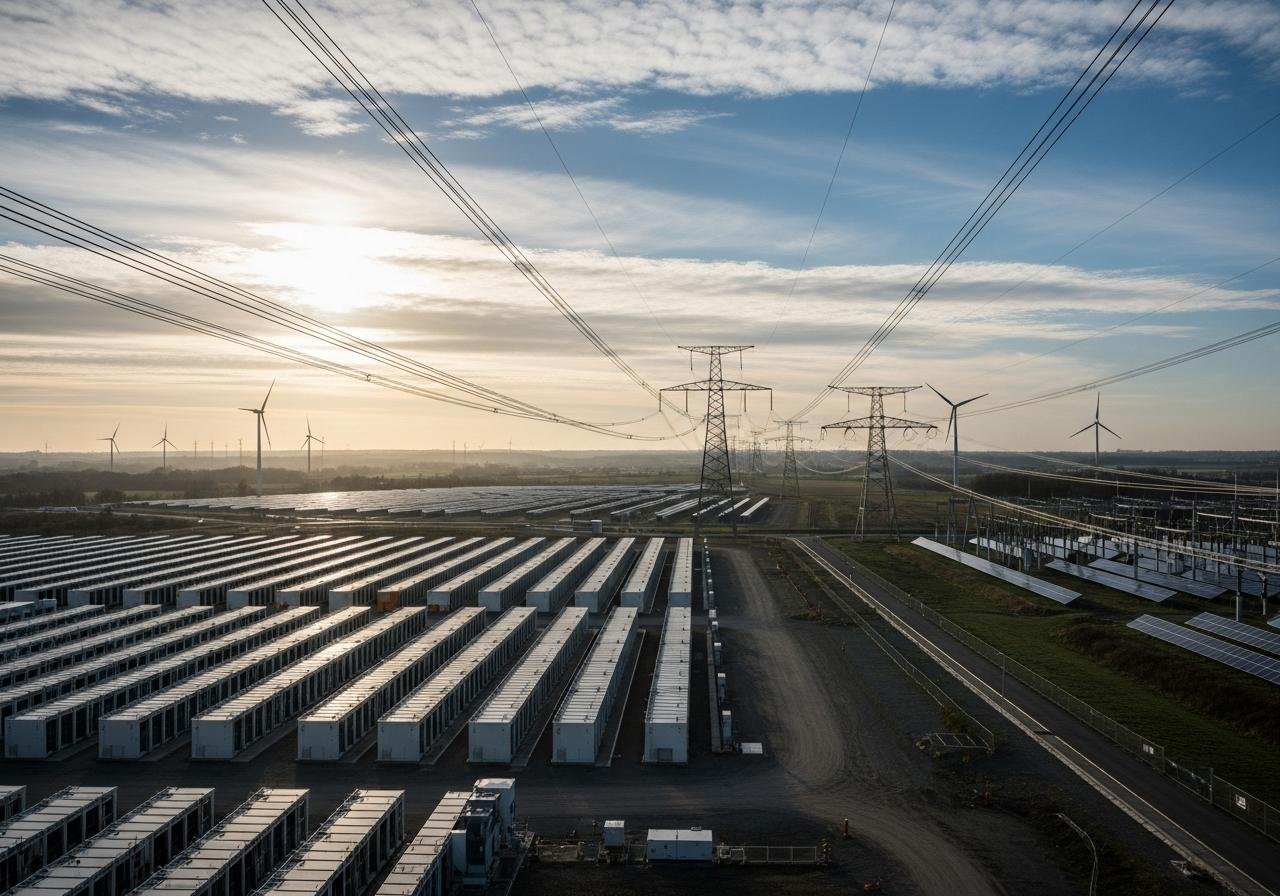
Rapid deployment of renewables is only the first step. Energy systems need infrastructure to support intermittent sources like solar and wind. The sun doesn’t always shine, and the wind doesn’t always blow — so storage, transmission, and grid flexibility are vital.
China’s approach offers a glimpse of what’s possible. The country is building vast energy storage projects — “battery farms” — to stabilize supply and investing heavily in ultra-high-voltage transmission lines capable of carrying electricity thousands of miles from remote generation sites to coastal cities. These efforts are keeping pace, though just barely, with China’s exploding renewable capacity.
The Economics Driving Change
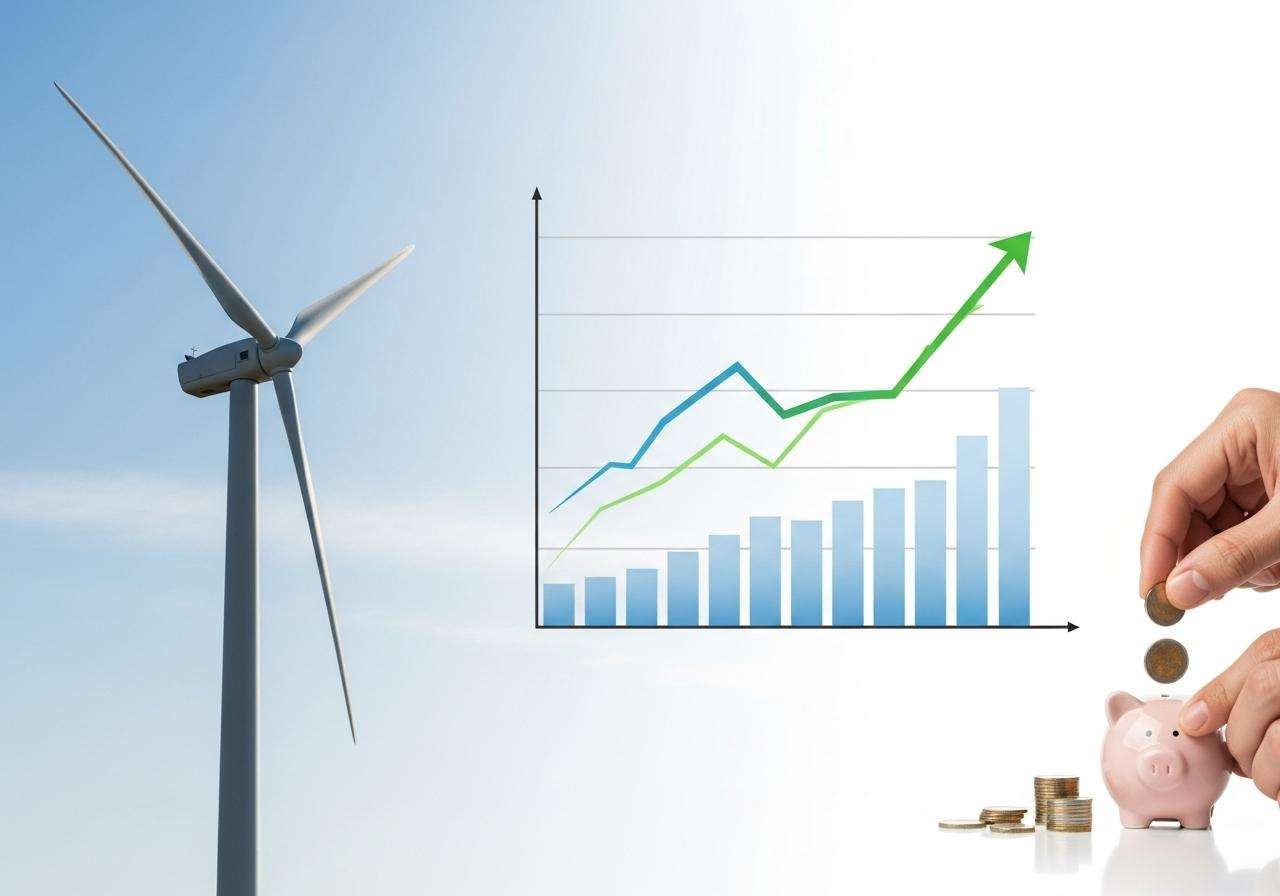
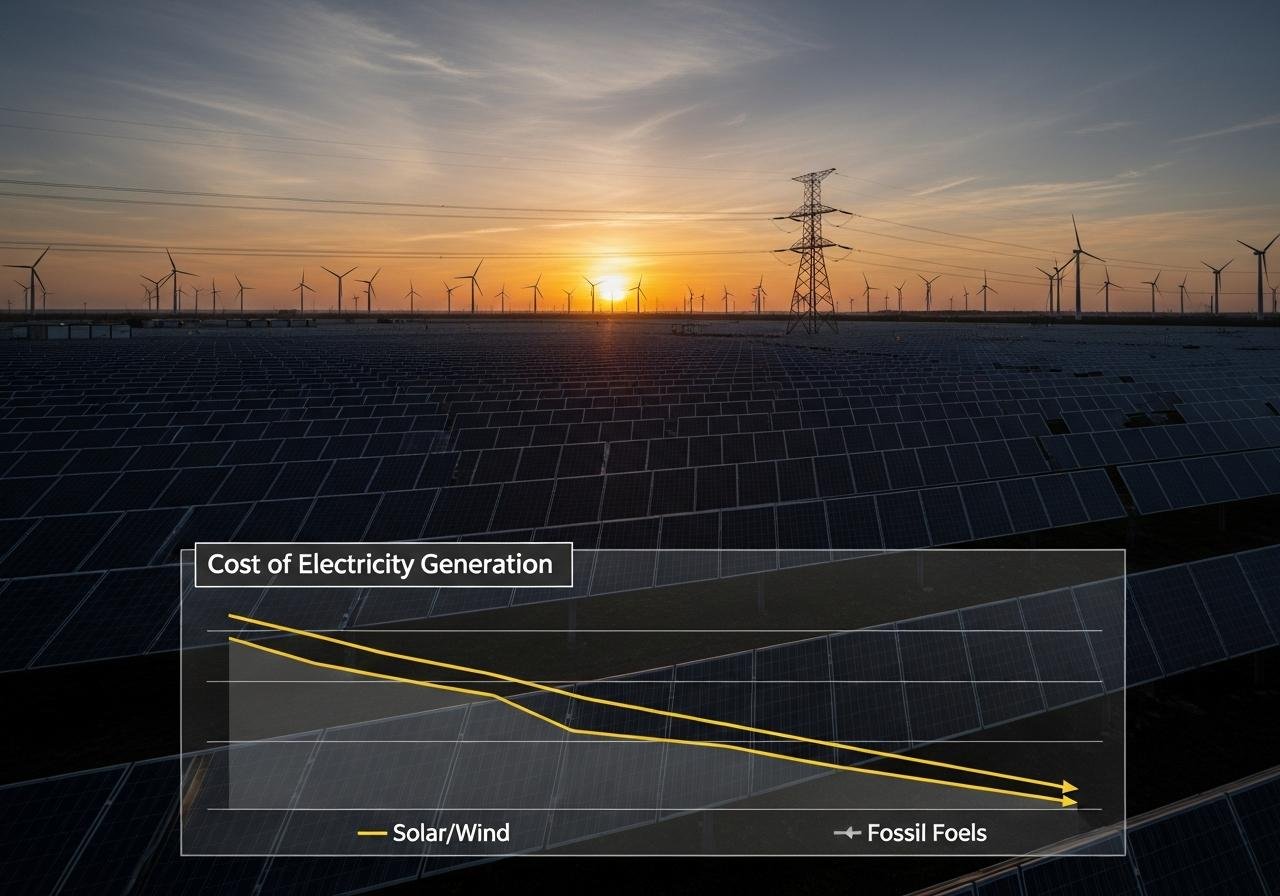
The most powerful force behind the clean energy boom isn’t just environmental concern — it’s economics. Solar and wind are now the cheapest sources of new electricity generation in most countries. Even without subsidies, they often outcompete fossil fuels on price alone. This economic reality is reshaping energy markets faster than many policymakers anticipated.
Investors are following the trend. Global clean energy investments surpassed a trillion dollars last year, with the majority flowing into renewable generation, electric vehicles, and grid infrastructure. As these technologies mature and scale, their costs continue to fall, creating a reinforcing cycle of affordability and adoption.
Will It Be Fast Enough?
The question that remains is one of timing. Can this transformation happen quickly enough to avoid the most dangerous climate outcomes? Scientists warn that while emissions may be flattening, they must soon decline sharply to align with the goals of the Paris Agreement.
Still, the story unfolding today offers reasons for optimism. The momentum behind renewables is no longer driven only by regulation or advocacy — it’s propelled by markets, innovation, and practicality. The economic and technological forces powering this shift are unlikely to reverse.
Reference:
The post How cheap renewable energy is finally flattening emissions appeared first on Green.org.


