

Microsoft and the Spanish energy company Iberdrola have announced a new long-term deal. Under this agreement, Microsoft will buy clean wind power in Spain. It will also work with Iberdrola on artificial intelligence (AI) and cloud technologies across the energy group’s operations. This is the first renewable energy power purchase agreement (PPA) the two companies have signed in Europe.
The contracts cover 150 megawatts (MW) of wind energy from two wind farms in northern Spain. These are the Iglesias wind farm in Burgos and the El Escudo wind farm in Cantabria. By securing this clean power, Microsoft supports its goal of running on 100% renewable energy in Europe.
In addition to energy supply, the deal includes work on digital transformation. Microsoft will expand the use of its Azure cloud platform and deploy AI tools across Iberdrola’s global business units. This combination of clean power and digital technology is meant to help both companies meet their climate and growth goals.
Aitor Moso, director of Iberdrola’s global customer business, remarked:
“This partnership will accelerate the adoption of AI across the Iberdrola Group to strengthen our leading digital capabilities and expand our renewable PPA portfolio with Microsoft, in line with both companies’ strong commitment to combining major growth in electricity consumption with full decarbonisation.”
What PPAs Mean for Tech and Climate Goals
A power purchase agreement is a contract where a buyer agrees to purchase electricity from a generator at a set price over a long period. PPAs help companies secure predictable energy costs. They also support the financing and construction of new renewable power projects. PPAs are usually signed for periods of 10 to 30 years.
For technology companies like Microsoft, PPAs are part of a strategy to reduce carbon emissions. These contracts provide clean energy directly from wind or solar projects. They can also help companies meet sustainability goals and reduce long-term energy price risk.
Large technology firms have been signing more PPAs in recent years. Corporate demand for renewable power is driving growth in this market. Investors valued the global corporate Power Purchase Agreement market at billions of dollars, and they expect it to grow further in the next decade.
How This Deal Fits Into Microsoft’s Goals
Microsoft has made public commitments to run on 100% renewable energy worldwide. The company also has goals to become carbon negative by 2030 and to remove its historical carbon emissions by 2050. These goals require sourcing large amounts of clean power and investing in new renewable energy projects.
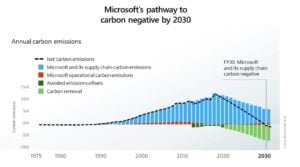
The wind energy from these Spanish PPAs will help Microsoft meet its renewable energy targets in Europe. The company has previously signed clean energy deals in the United States, where it partnered with Avangrid, a U.S. subsidiary of Iberdrola. Those contracts cover solar and wind farms in several U.S. states.
The Spain agreement brings Iberdrola and its subsidiaries’ total renewable capacity to about 500 MW. This expanded partnership reflects Microsoft’s broader strategy to connect its technology operations with clean energy.
Samer Abu-Ltaif, President of Microsoft for Europe, the Middle East, and Africa, noted:
“By combining Iberdrola’s leadership in renewable energy with Microsoft’s cutting-edge cloud and AI technologies, we’re not only advancing our sustainability goals, we’re also driving innovation and resilience for our customers and communities. Together, we’re setting a new standard for how technology and energy can drive positive change at scale.”
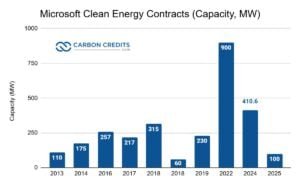
AI and cloud computing require large data centers. These data centers use a substantial amount of electricity. Companies increasingly want that electricity to come from renewable sources to reduce environmental impacts. The chart below shows Microsoft’s clean energy contracts, excluding the Iberdrola deal.
SEE MORE on Microsoft:
- Microsoft (MSFT) Signs Solar Deal with Zelestra to Power Data Centers in Spain, Supporting Community Projects
- Microsoft (MSFT Stock) Emissions Up 23%, Invests in Waste-to-Energy Project to Capture 3 Million Tons of CO₂
- Microsoft (MSFT Stock) Tops Q2 2025 Record-Breaking Surge in Durable Carbon Removal Credit Purchases
- Microsoft Leads on Climate: $800M CIF Drives Clean Tech and AI Energy Deals with ADNOC, Masdar, and XRG
AI Meets Wind: Energy for Data Centers
The growth of artificial intelligence and cloud services is increasing demand for electricity. Data centers, where computing and storage happen, use vast amounts of energy.
In recent years, the share of AI workloads in total data center power use has grown. Analysts expect global electricity use by data centers to nearly double by 2030. This rise is mainly due to the growing demand for AI computing.
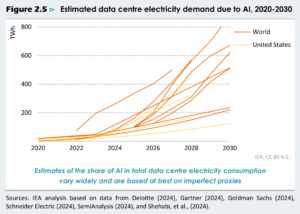
This rising demand for energy creates challenges for power systems. Electricity grids must supply more power while also reducing carbon emissions. Clean energy procurement through PPAs helps tech companies boost renewable power in their data centers. It also provides more stable energy prices over the long run.
As AI workloads expand, the pressure on utilities and grids rises. In some markets, data centers already account for a growing share of overall electricity demand. For example, in the United States, data centers accounted for around 4% of national electricity use in 2024. That figure is expected to grow as new AI deployments come online.
Iberdrola’s Role in Europe’s Renewable Boom
Iberdrola is one of the largest renewable energy companies in Europe. It produces energy from wind, solar, hydroelectric, and other low-carbon sources. The company has been expanding its clean energy portfolio in Spain and globally.
In Spain, Iberdrola has committed to building and connecting new renewable power plants. It also invests in projects that improve the electricity grid to support clean energy growth. The company recently got funding to boost renewable capacity by over 2,000 MW. This will provide clean power to almost one million homes each year.
Beyond wind and solar, Iberdrola is working on other technologies like green hydrogen and energy storage. These solutions can help balance the grid and support variable renewable power sources.
Iberdrola also uses digital technology and AI internally to improve operational efficiency. It recently received awards for using generative AI in its digital processes. These tools help the company manage complex energy systems and improve decision‑making.
Forecasting the Market: PPAs and Data Center Demand
The clean energy market is growing fast. Corporate demand for renewable PPAs has increased as companies set net-zero targets. BloombergNEF reported that the corporate clean power buying market hit record levels in 2023, with $70 billion. It has been growing steadily since 2015.
Forecasts suggest the global PPA market will continue to grow in the next decade. Industry reports expect the PPA market to reach over $85 billion by 2030 and up to $604 billion by 2034. Growth is driven by cost declines in wind and solar energy, stronger climate policies, and rising corporate commitments to sustainability.

At the same time, data center energy demand is expected to rise sharply. The International Energy Agency estimates that by 2030, electricity use for data centers may hit about 945 terawatt-hours (TWh) a year. That’s nearly double what it is now. AI workloads are a major factor in this trend.
These projections mean that technology companies will need more clean power in the future. Agreements like Microsoft’s PPAs with Iberdrola can help meet this demand while supporting climate goals. Long‑term contracts give renewable energy developers the stability needed to finance new projects.
The Bigger Picture: Energy Transition and Sustainability
Microsoft and Iberdrola’s expanded partnership shows how technology and clean energy markets are converging. As companies invest in AI and data centers, they are also investing in renewable energy to make growth sustainable. This trend reflects a broader shift in how businesses source energy and plan for future power needs.
Long-term renewable contracts reduce exposure to volatile electricity prices and support investment in new clean energy capacity. They also help companies report progress on emissions reductions.
For policymakers, the rise of corporate PPAs shows how private investment can support national and regional climate targets. Both technology and energy companies are likely to pursue these types of deals to meet future energy needs responsibly.
The post Microsoft and Iberdrola Power AI with 150 MW Wind PPA in Spain appeared first on Carbon Credits.


