
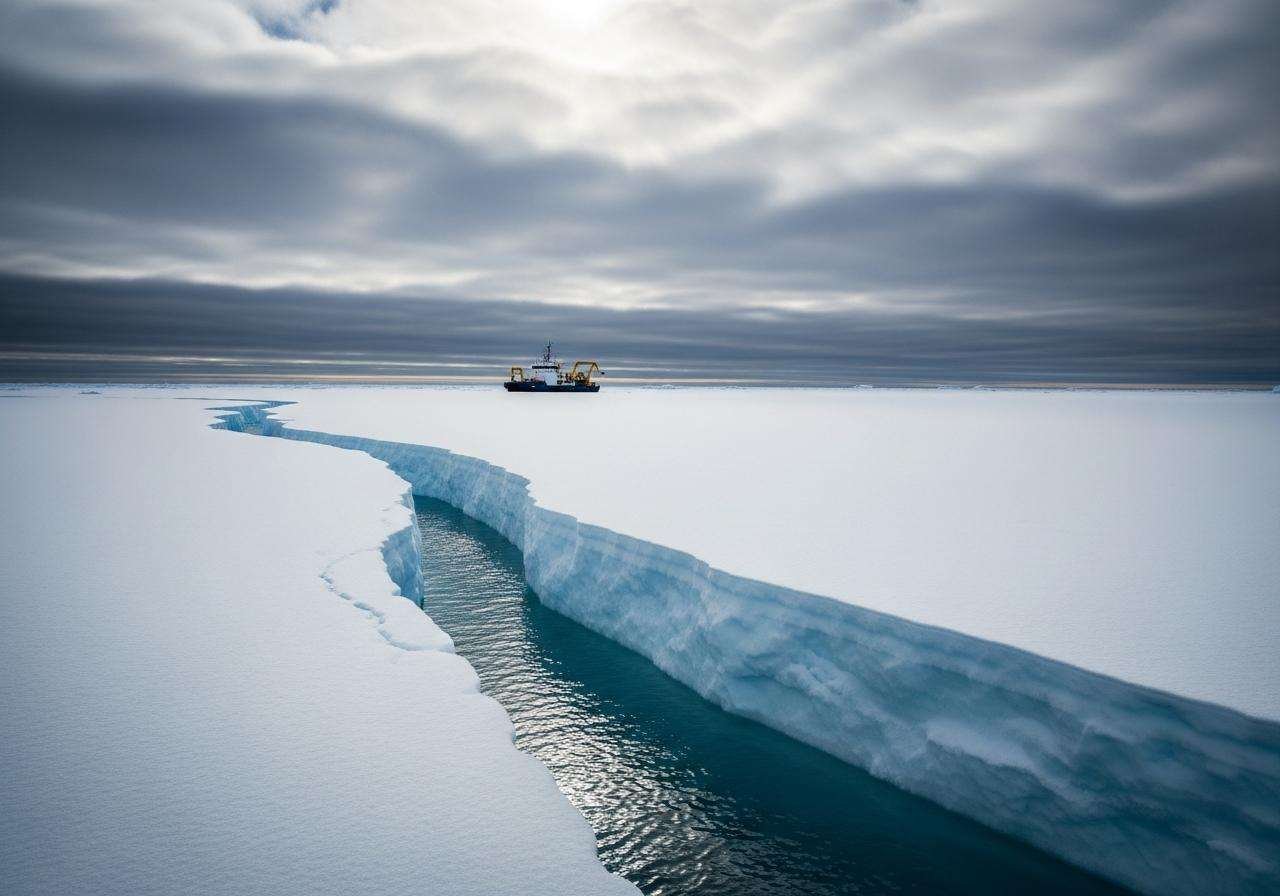
Mechanisms of Ice Thinning
Out of sight – out of mind. That is how most of us treat the polar ice caps (as well as the global environment). In the meantime their condition and continuance are vital for life on earth as we have experienced for the past 10,000 or so year. We are by now all aware of the rapidly melting glaciers and sea ice but are not necessarily aware of the culprits at play in the story of thinning Antarctic ice.
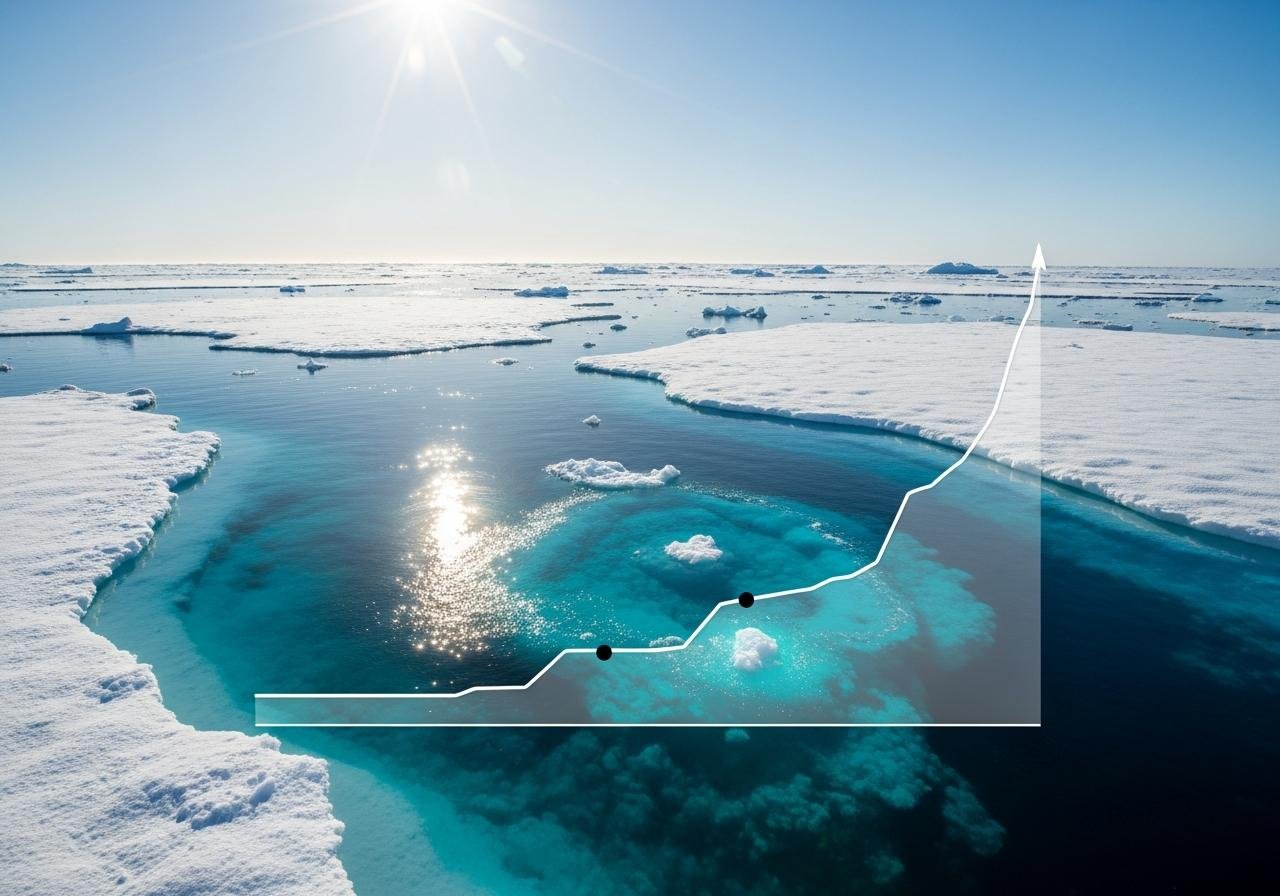
The most obvious is rising global temperatures driven by greenhouse gas emissions – and as the atmosphere warms, ocean water does too, and that warm water seeps under the floating edges of glaciers, melting them from below.
Ocean currents also play a subtle but powerful role as shifts in deep circulation patterns, influenced by both natural cycles and human activity, are channeling warmer water toward the continent’s coastal shelves. Combined with changing wind patterns, this creates a feedback loop — thinner ice exposes more dark water, which absorbs heat, which in turn melts more ice. Snow covered ice has a “high albedo” reflecting up to 90% of the suns energy – while ocean water having a low albedo – reflects back as little as 5-6%.
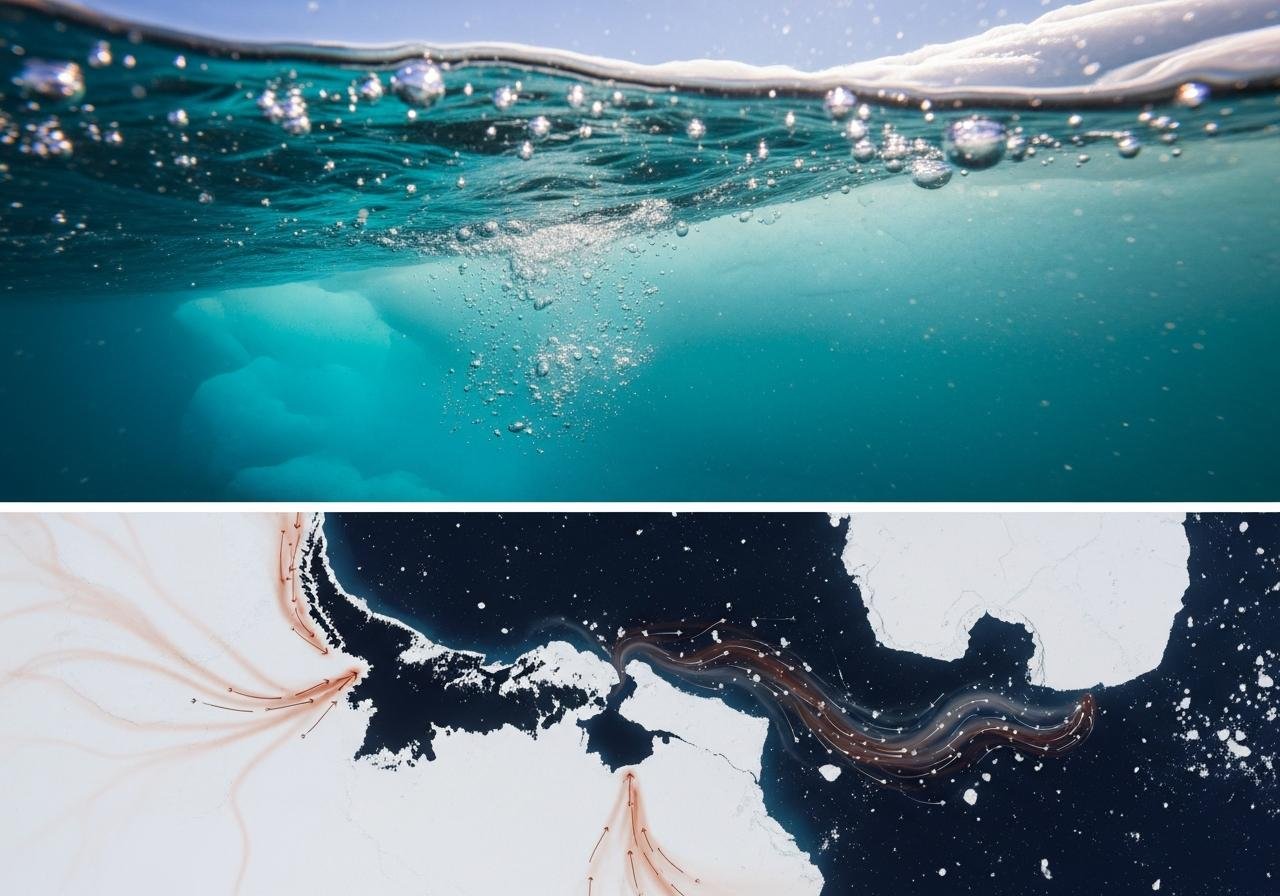
Impact of Thinning Ice on Oceans
Thinner ice doesn’t just mean less white on the map as it alters the rhythm of the oceans themselves. As glaciers lose mass, sea levels rise — an inch here, a few millimeters there – the consequences compound globally, affecting coastal cities from London to Miami.
Melting ice also changes the salinity and temperature of surrounding waters. Fresher surface layers can disrupt how nutrients mix, while cooler meltwater can temporarily stabilize the upper ocean before deeper warming kicks in.
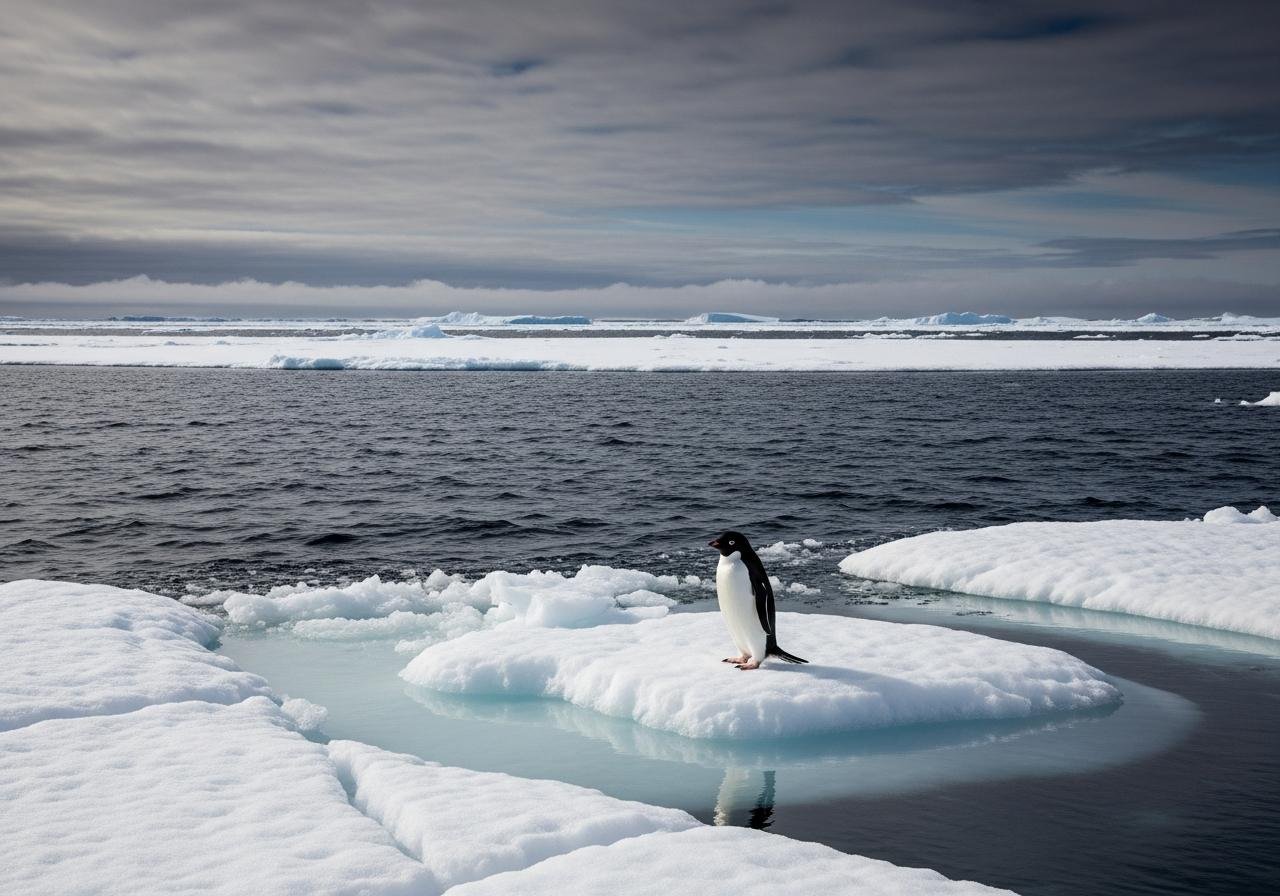
And then there are the ecosystems: penguins, krill, and plankton populations all depend on a delicate seasonal balance that’s increasingly unpredictable.
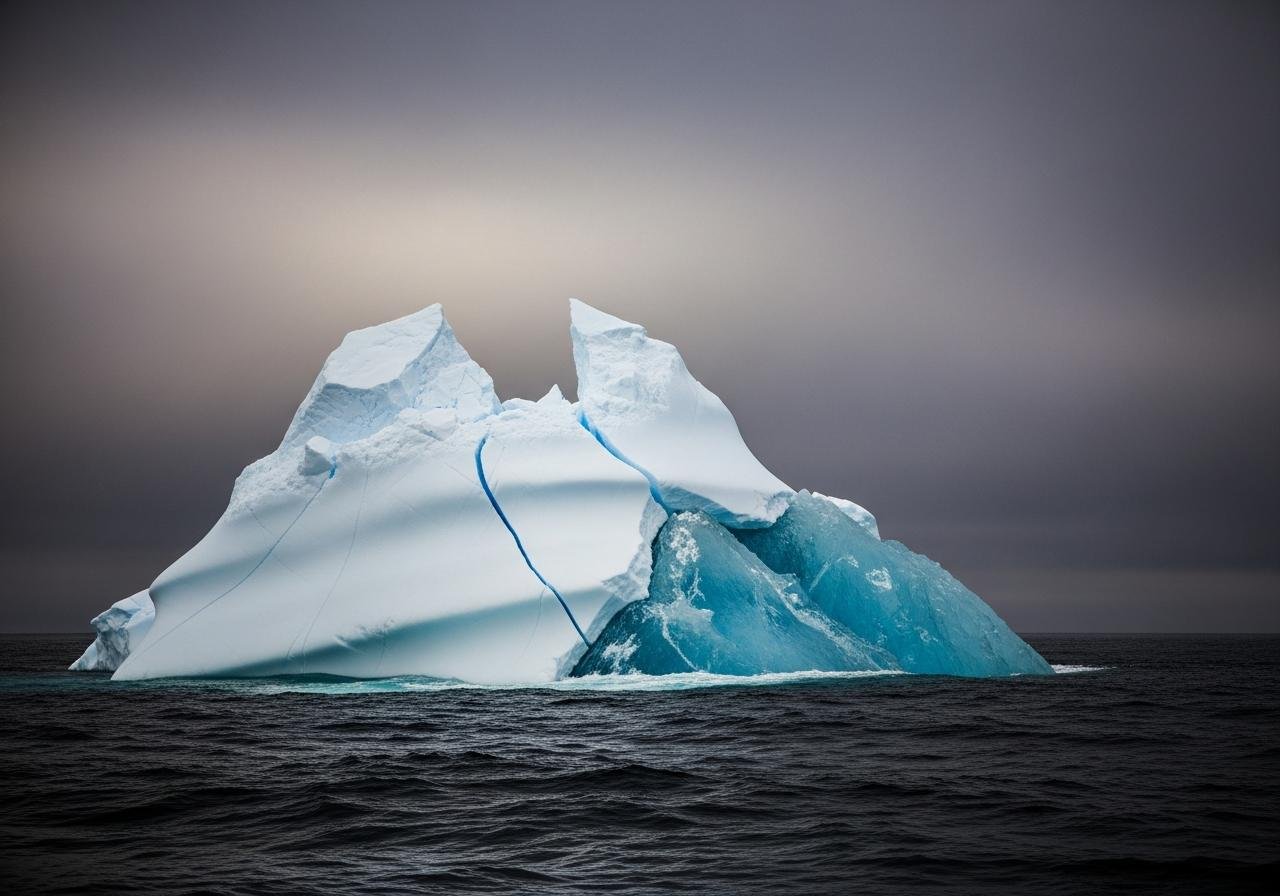
Carbon Absorption in Oceans
Here’s where things take an intriguing turn. The world’s oceans already serve as Earth’s largest carbon sink, absorbing about a quarter of all carbon dioxide emissions each year. They do this through both chemical and biological processes — dissolving CO₂ directly and storing it via marine life that captures carbon during growth.
Tiny phytoplankton, microscopic ocean plants, are the stars of this show. They take up carbon through photosynthesis and, when they die, some of it sinks to the deep ocean, effectively locking it away for centuries. Historical data suggest that changes in ice cover and ocean mixing can significantly influence how efficiently these processes work.
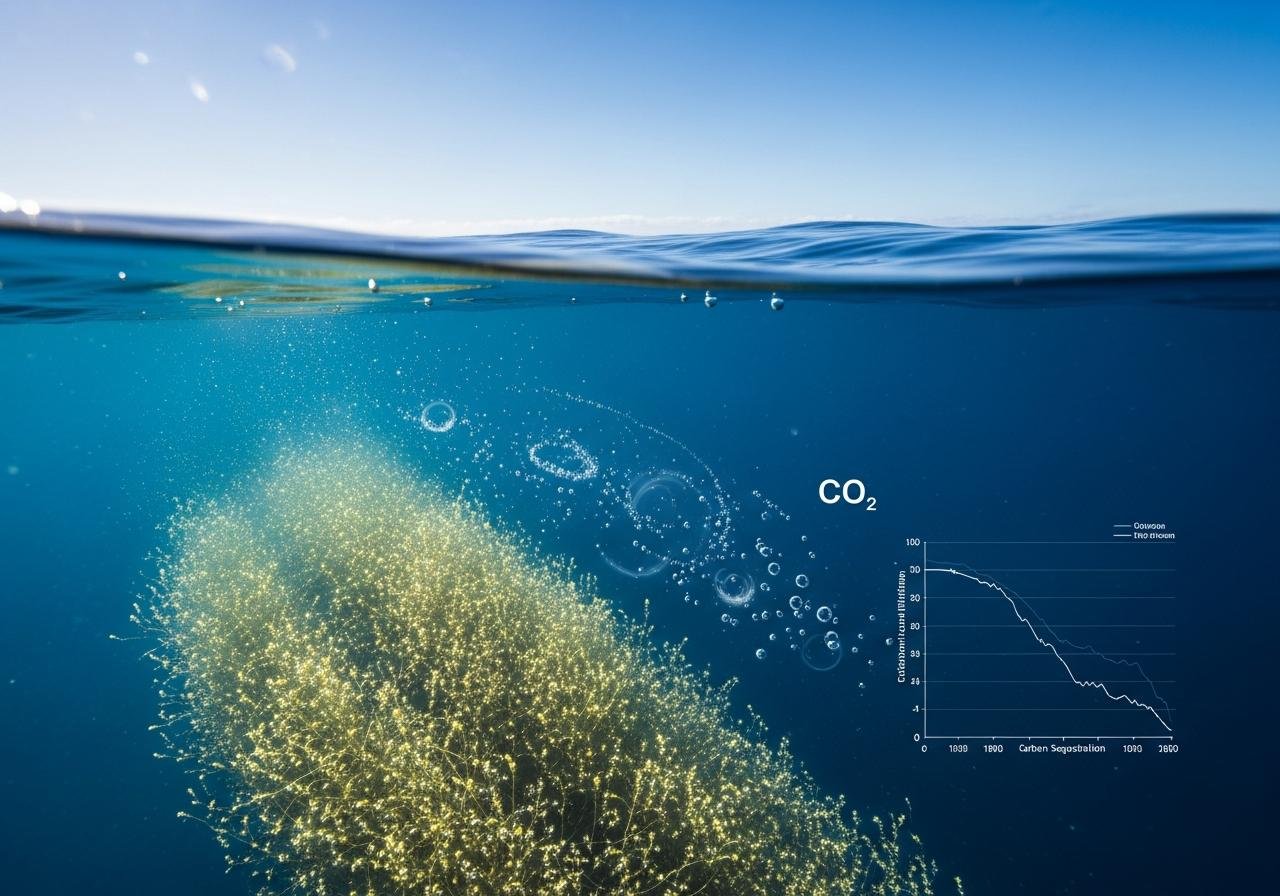
Potential Benefits of melting ice??? Increased Carbon Absorption
Recent studies hint that thinning Antarctic ice might, somewhat paradoxically, enhance oceanic carbon absorption — at least in the short term. As ice retreats, it exposes more open water to sunlight, giving phytoplankton extra room to bloom. These blooms can capture additional CO₂ from the atmosphere, temporarily boosting the ocean’s carbon uptake capacity – the important word here being TEMPORARY.
It’s a reminder that in nature, even disruption can bring flashes of adaptation as more light, more nutrients from melting ice leads to more phytoplankton — and thus, more carbon drawn down. Some researchers suggest this could slightly slow the rise of atmospheric CO₂, though not nearly enough to offset the overall warming trend. We need all the help we can get while humans continue to burn fossil fuels at record levels.
Risks and Challenges of Ice Thinning
Of course, this very slight but silver lining doesn’t come without clouds. While increased carbon absorption sounds positive, the ecological costs almost certainly outweigh the benefits as rapid ice loss threatens species that rely on sea ice habitats, from krill nurseries to penguin breeding grounds and as the food web shifts, and entire ecosystems may struggle to adapt fast enough.
The science is also full of uncertainties. Predicting how these processes will unfold requires long-term data, complex climate modeling, and a bit of humility. The Antarctic system is vast and interconnected, and small changes in temperature or currents can cascade in unpredictable ways, affecting global weather and carbon cycling alike.
Future Research and Monitoring Efforts
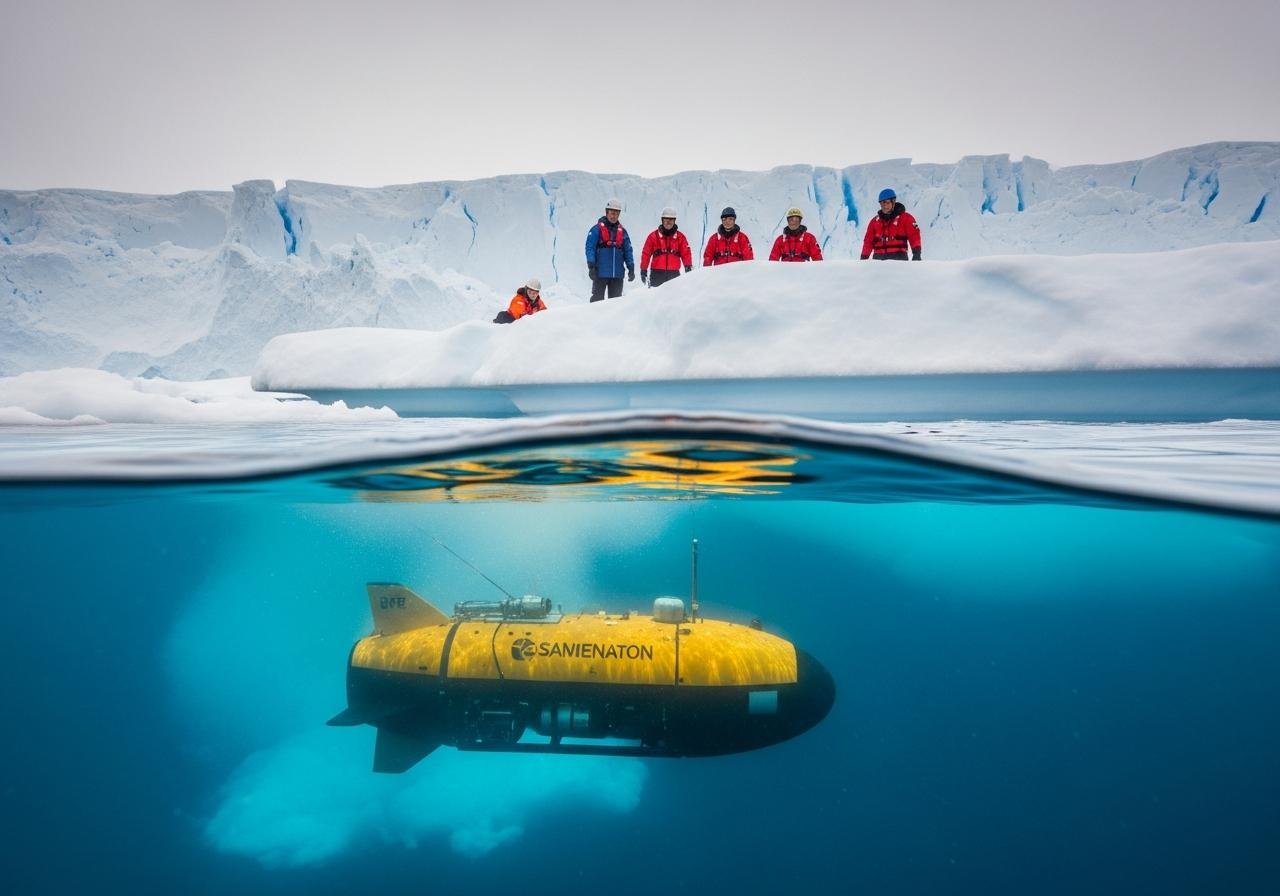
Scientists are now deploying everything from under-ice robots to satellite constellations to keep a closer eye on Antarctica’s changing landscape. International collaborations — from NASA’s ICESat missions to the British Antarctic Survey’s fieldwork — are helping piece together a clearer picture of how ice, ocean, and atmosphere interact.
New technologies like autonomous submersibles are mapping under-ice geometry in unprecedented detail. These efforts are crucial not only for understanding today’s changes but for predicting what might happen in the next few decades, when small shifts could have global ripple effects.
Policy Implications and Global Response
Antarctica may feel remote, but what happens there shapes policy discussions everywhere. International agreements such as the Paris Climate Accord depend on accurate climate feedback models — and the Antarctic carbon balance is now part of that equation.
Policymakers are being urged to support continued research and to strengthen commitments to emission reductions. Sustainable ocean management, carbon capture strategies, and marine biodiversity protections are increasingly seen as interconnected goals. The thinning ice of Antarctica, in this sense, is both a warning and a call to collaborate more deeply on a shared climate future.
Frequently Asked Questions
What does thinning ice in Antarctica actually mean?
Thinning ice refers to the gradual loss of thickness in Antarctic ice shelves and sea ice due to warming air and ocean temperatures. This process does not mean the ice disappears entirely, but it becomes structurally weaker and more fragmented over time.
How could thinning Antarctic ice increase oceanic carbon absorption?
When sea ice thins or retreats, more open ocean is exposed to the atmosphere. This allows surface waters to absorb greater amounts of carbon dioxide, acting as a temporary carbon sink.
Does more carbon absorption by the ocean help slow climate change?
To a degree, yes. Increased oceanic CO₂ uptake can reduce the amount of carbon dioxide in the atmosphere. However, this effect is limited and does not offset ongoing emissions from human activities.
Is this carbon absorption a long-term solution?
No. While increased absorption may provide short-term buffering, oceans have physical and chemical limits. Over time, excess CO₂ contributes to ocean acidification, which can harm marine ecosystems.
Does thinning ice affect ocean circulation?
Yes. Changes in ice cover can alter ocean mixing and circulation patterns, which influence how carbon, heat, and nutrients move through the Southern Ocean.
This article is for informational purposes only.
Reference:https://www.enn.com/articles/77625-thinning-ice-in-antarctica-could-boost-oceanic-carbon-absorption
The post Thinning Ice in Antarctica Could Boost Oceanic Carbon Absorption appeared first on Green.org.


