
The front room is the first space that greets guests and quietly sets the mood for the rest of the home. When that space is small, it can feel tricky, even overwhelming. But here’s the secret many people miss: a small front room is not a disadvantage. It is an opportunity.
With the right ideas, even the tiniest front room can feel warm, stylish, and surprisingly spacious. The following Small Front Room Ideas are designed to help transform limited square footage into a space that feels intentional, comfortable, and full of personality. Each idea unfolds step by step, revealing how small design choices can have a significant emotional impact.
Why small front rooms deserve special attention
Small front rooms often work harder than any other space. They welcome guests, handle daily foot traffic, and sometimes double as sitting areas, reading corners, or even work-from-home spots. Because of this, thoughtful design matters.
The right layout, color palette, furniture scale, and lighting can turn a cramped area into a cozy retreat. These small front room ideas focus on comfort, balance, and visual flow, making the room feel open rather than crowded.
Let Light Colors Lead the Way
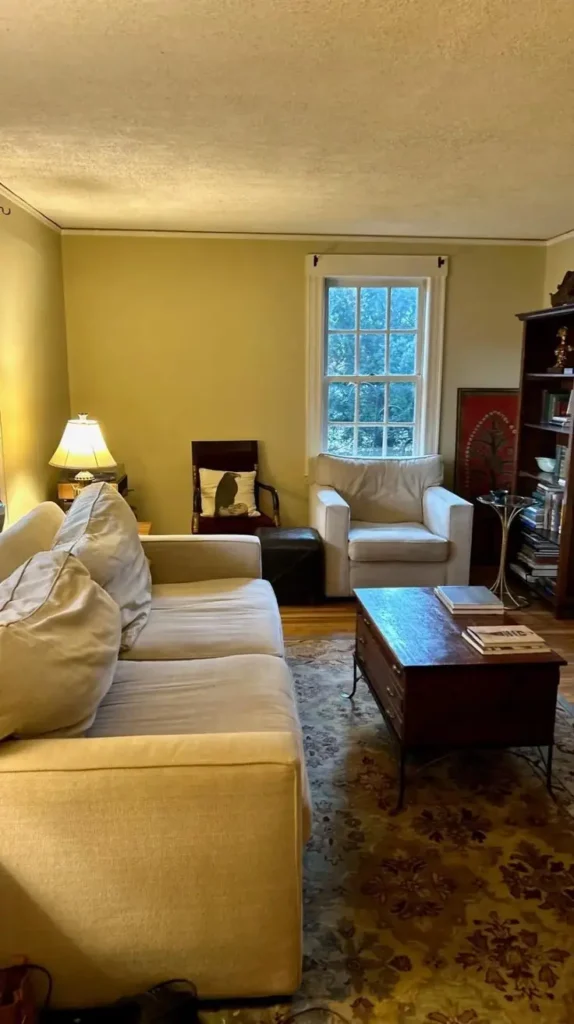
Light colors quietly change how a small front room feels the moment someone steps inside. When walls are painted in soft whites, warm creams, pale taupe, or gentle gray, the space instantly feels more open and breathable. These shades reflect both natural and artificial light, helping the room feel brighter throughout the day. In a smaller front room, brightness equals comfort. Dark colors tend to absorb light and visually pull walls closer, while light colors push boundaries outward.
Furniture plays an equally important role here. Sofas in neutral fabrics, light wood coffee tables, and soft-toned rugs help maintain a calm visual flow. The room begins to feel layered rather than crowded. Accent colors can still exist, but they work best in small doses. A muted blue pillow, a soft green plant, or a warm beige throw adds interest without overwhelming the space.
Light colors also create emotional ease. The room feels welcoming, relaxed, and peaceful. This approach sets the foundation for every other design choice, making the front room feel bigger, calmer, and more inviting from the very first glance.
Choose Furniture that Fits the Room, Not the Store
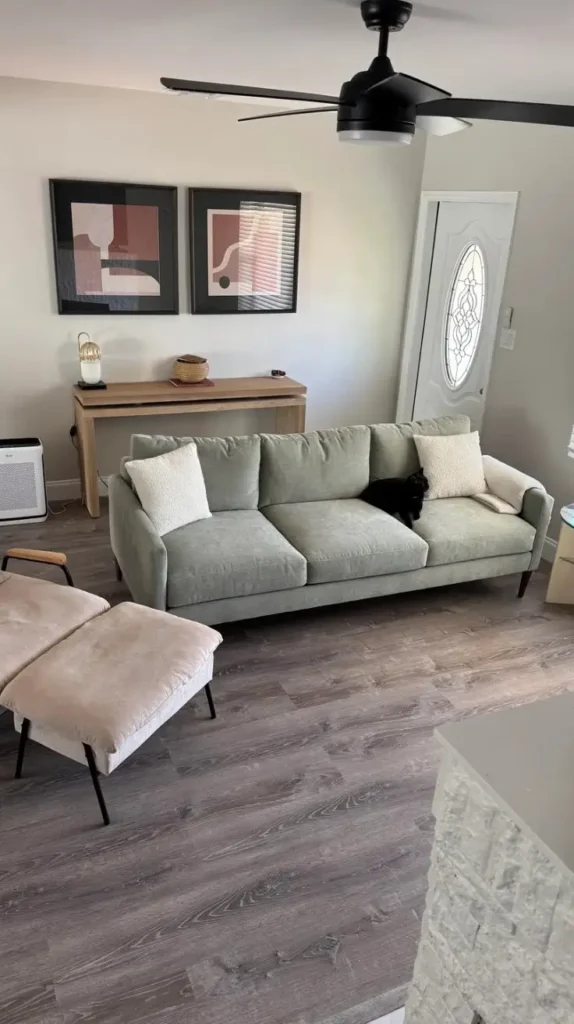
Furniture selection can either make or break a small front room. Many pieces look beautiful in large showrooms but feel overpowering once brought home. In smaller spaces, scale matters more than style alone. Slim sofas, compact armchairs, and narrow side tables allow the room to function comfortably without feeling crowded. Pieces with open legs are especially helpful because they allow light to move underneath, creating visual openness.
Multi-purpose furniture is a quiet hero in small rooms. A storage ottoman can serve as seating, a footrest, and hidden storage. Nesting tables offer flexibility without permanent bulk. Even a small console table near the entrance can provide function without taking up valuable space.
Comfort should never be sacrificed. Cushioned seating, supportive backs, and soft upholstery ensure the room still feels relaxing. When furniture fits the room properly, movement feels natural, and the space feels intentional. Everything works together instead of competing for attention, which makes the front room feel balanced, cozy, and thoughtfully designed.
Create a Clear Focal Point
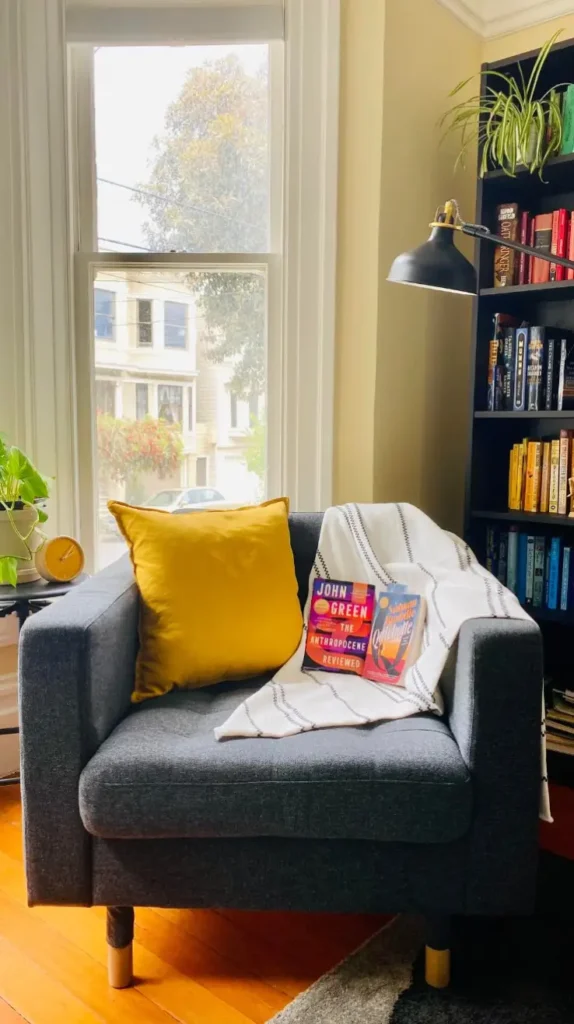
A focal point gives a small front room direction and purpose. Without one, the space can feel scattered, with the eye jumping from item to item. A strong focal element anchors the room and tells the brain where to settle. This could be a fireplace, a bold piece of wall art, a large mirror, or even a beautifully styled window.
In small rooms, less truly works better. One focal point is enough. When everything else supports that central feature, the room feels organized and calm. Furniture placement should subtly face or frame the focal area, guiding attention naturally without effort.
A focal point also adds emotional weight. It creates a sense of story and intention. Guests immediately understand what the room is about, whether it’s warmth, style, or relaxation. Even in limited square footage, this design move adds depth and sophistication. The room stops feeling random and starts feeling complete, which is exactly what a front room should achieve.
Use Mirrors to Expand Visual Space
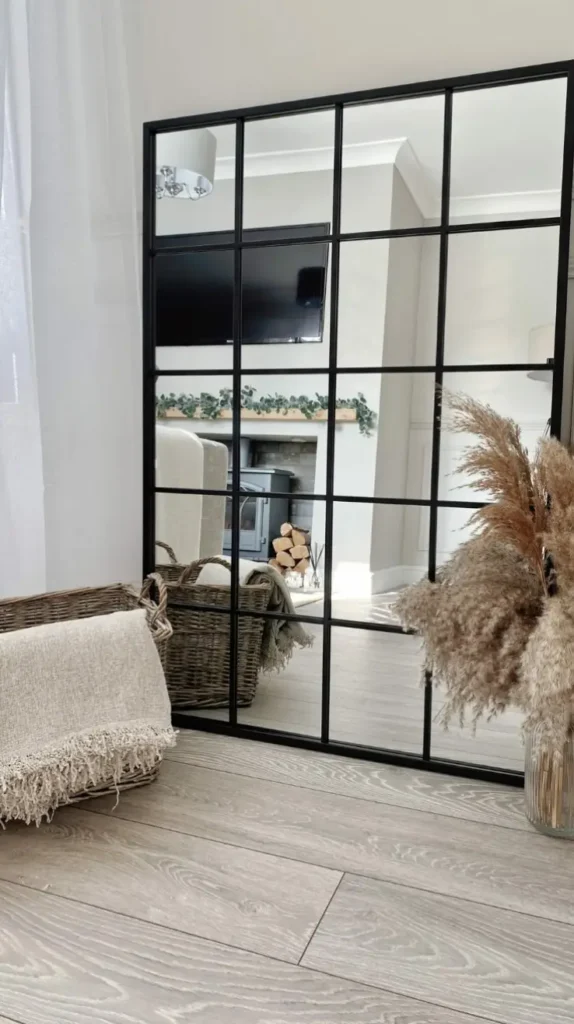
Mirrors are one of the most powerful tools for improving a small front room, yet they often get overlooked. When used correctly, mirrors create the illusion of depth and openness without changing a single wall. A well-placed mirror reflects light, movement, and color, making the room feel larger and more alive. This effect becomes especially noticeable when a mirror faces a window or a light source. Natural light bounces across the room, softening shadows and brightening darker corners.
Beyond function, mirrors also add elegance. A large framed mirror can act as a statement piece, while smaller mirrors add subtle charm. Frames made of wood bring warmth, while metallic finishes introduce a refined touch. Even mirrors with simple shapes can create visual interest without overwhelming the space.
In a small front room, mirrors reduce visual pressure. Walls feel less close, corners feel softer, and the room gains balance. The space suddenly feels calmer, more open, and far more welcoming to anyone who walks in.
Keep the Layout Open and Inviting
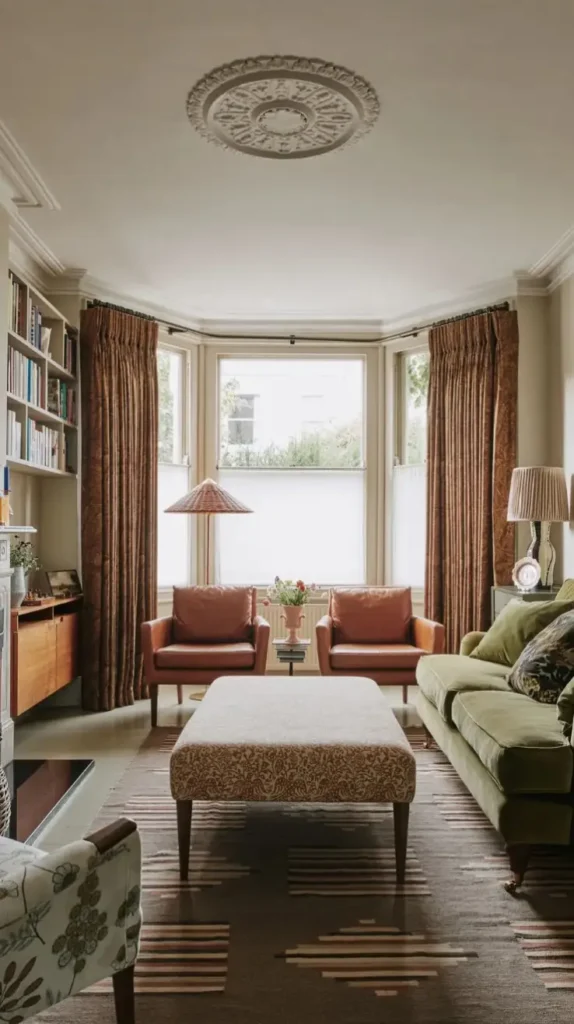
The layout of a small front room determines how comfortable it feels the moment someone enters. A crowded or blocked layout creates tension, even if the furniture itself is beautiful. Keeping the layout open allows the room to breathe. Clear walkways make movement easy and natural, which instantly improves comfort. When people do not need to step around furniture, the space feels larger and more relaxed.
Furniture placement should encourage conversation while maintaining flow. Sofas and chairs work best when they face each other slightly, creating a connection without blocking paths. Floating furniture a few inches away from walls adds depth and prevents the room from feeling boxed in. This small adjustment often makes a surprising difference.
An open layout also affects mood. The room feels calm instead of tight. It invites people to sit, talk, and stay longer. In a small front room, openness is not about emptiness. It is about thoughtful spacing that allows the room to feel natural and welcoming.
Layer Lighting for Warmth and Depth
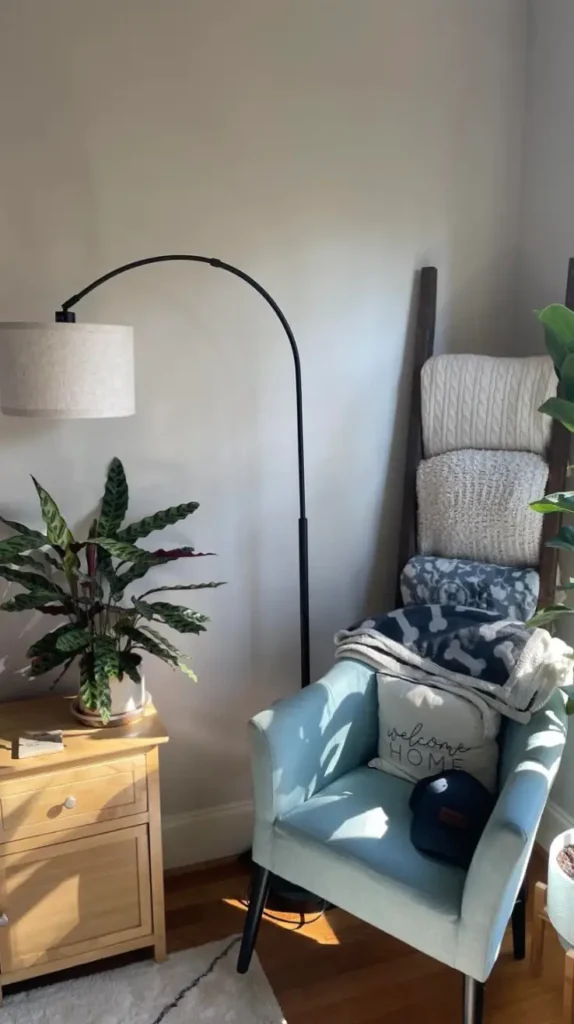
Lighting has a strong emotional effect, especially in a small front room. One overhead light often feels harsh and uninviting. Layered lighting solves this problem by adding warmth, softness, and dimension. Combining different light sources makes the room feel balanced and comfortable at any time of day.
Table lamps add a gentle glow and soften corners. Floor lamps create height and visual interest. Wall-mounted lights save space while adding character. Warm-toned bulbs help the room feel cozy rather than sterile. When light comes from different levels, the room feels richer and more dynamic.
Layered lighting also allows flexibility. Brighter lighting works well during the day, while softer lighting creates a calm mood in the evening. This adaptability makes the front room more enjoyable and functional. Thoughtful lighting does not just illuminate the room. It shapes the atmosphere and turns a small space into a welcoming retreat.
Add Texture Instead of Clutter
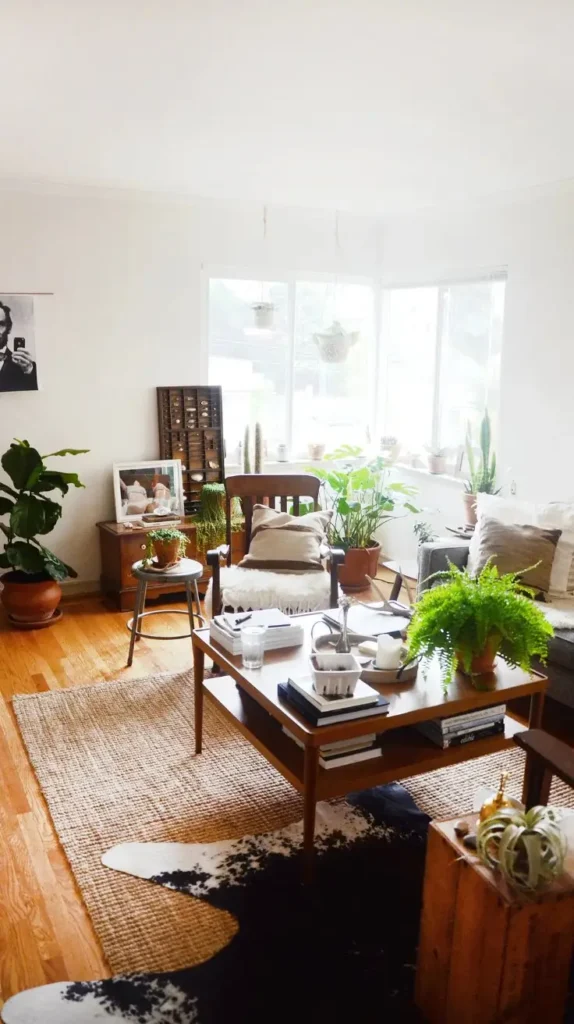
Texture plays a quiet but important role in small front rooms. It adds depth, warmth, and interest without taking up physical space. Soft fabrics, woven materials, and layered textiles make the room feel cozy and inviting. A textured rug underfoot, a knitted throw on the sofa, or linen curtains by the window can completely change how the space feels.
The goal is not to add many items, but to choose textures that work together. Mixing smooth surfaces with soft ones creates balance. For example, a wooden table paired with a soft fabric sofa feels natural and comfortable. This contrast keeps the room visually engaging without becoming busy.
Texture also creates emotional comfort. The room feels warmer, more relaxed, and more personal. In small spaces, texture replaces excess furniture and decoration. It fills the room with character while keeping it calm and open.
Keep Storage Smart and Hidden
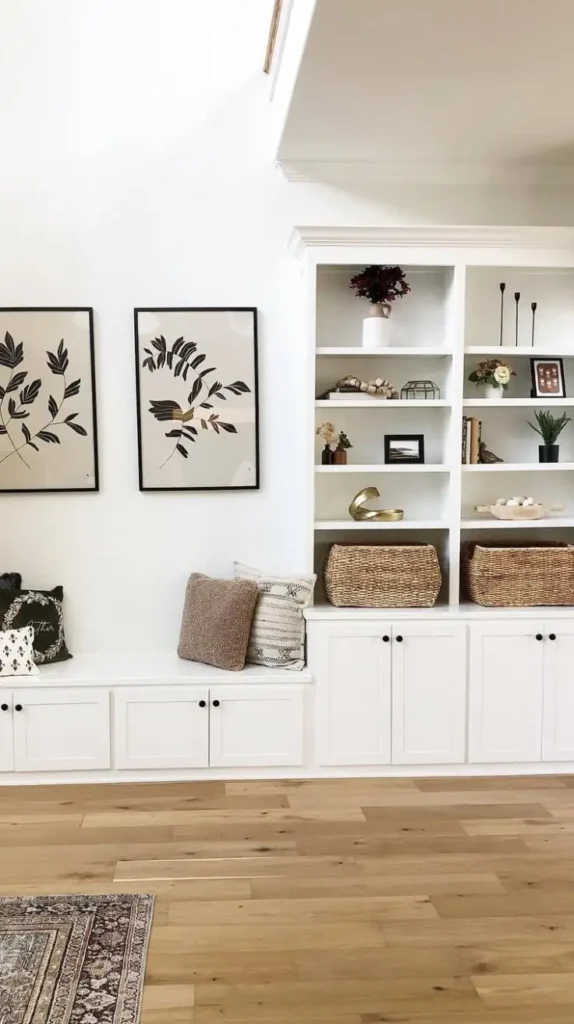
Storage plays a critical role in a small front room, yet it often becomes the very reason the space feels crowded. When storage is visible and messy, the room instantly feels smaller and more stressful. Smart, hidden storage solves this problem by keeping everyday items out of sight while maintaining easy access. Furniture with built-in storage works especially well here. Ottomans that open, benches with compartments, and side tables with drawers quietly hold clutter without drawing attention.
Wall-mounted storage is another effective solution. Floating shelves, slim cabinets, or recessed wall units use vertical space instead of valuable floor space. Decorative baskets and storage boxes add style while keeping items organized. Shoes, bags, books, and small accessories disappear, leaving the room visually calm.
Hidden storage also improves how the room feels emotionally. A tidy space feels peaceful and welcoming. Guests see a clean, intentional room instead of distractions. When storage is handled thoughtfully, the front room feels lighter, easier to maintain, and far more comfortable for everyday living.
Use Vertical Space Wisely
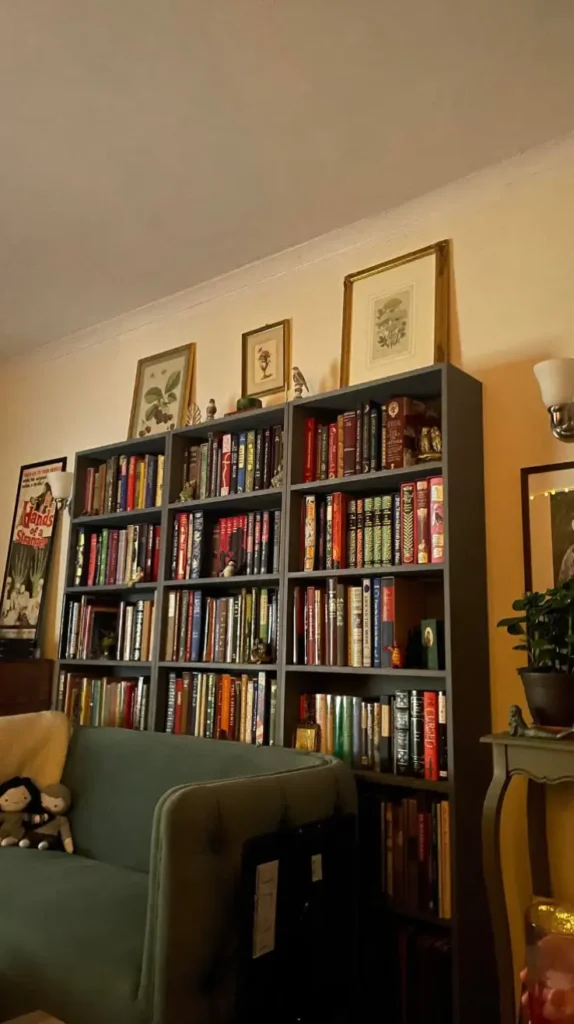
Vertical space is often ignored, yet it holds enormous potential in a small front room. When the floor area is limited, the walls become valuable design partners. Using vertical elements helps shift attention upward, which makes the room feel taller and more open. Tall shelving units, vertical artwork, and elongated wall décor naturally draw the eye away from tight floor space.
High-mounted shelves offer storage without crowding the room. Floor-to-ceiling curtains visually stretch the walls, making the ceiling feel higher. Even lighting placed higher on the wall can create a sense of elevation and balance. These design choices work quietly, but their impact is powerful.
Using vertical space also improves organization. Books, decorative items, and plants can live upward instead of spreading outward. This keeps walkways clear and the room feeling open. Vertical design helps the front room feel airy, intentional, and well-proportioned rather than cramped or heavy.
Choose the right Rug Size
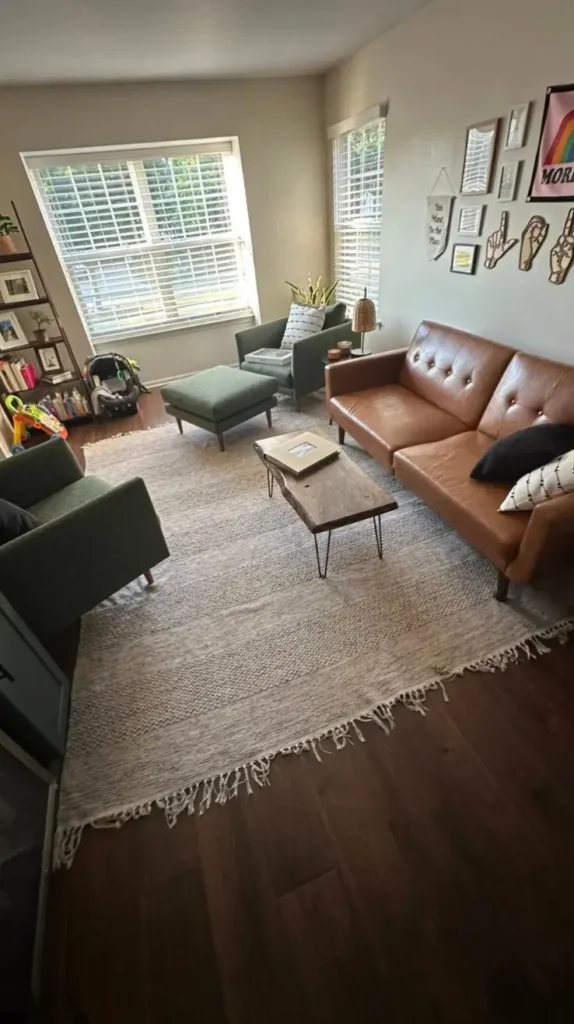
A rug does more than decorate a small front room. It defines the space, anchors furniture, and creates visual harmony. When the rug is too small, the room feels broken apart, as if each piece of furniture exists on its own. A properly sized rug connects everything and makes the room feel complete.
In small spaces, the best rugs allow the front legs of sofas and chairs to rest on them. This creates a unified seating area without overwhelming the room. Light-colored rugs or subtle patterns work best because they add softness without stealing attention. Bold patterns can work, but only when the rest of the room remains simple.
Rugs also add comfort. They soften footsteps, reduce noise, and make the space feel warm. The right rug quietly improves both appearance and comfort, helping the front room feel cozy, grounded, and thoughtfully designed.
Let Windows Stay Open and Airy
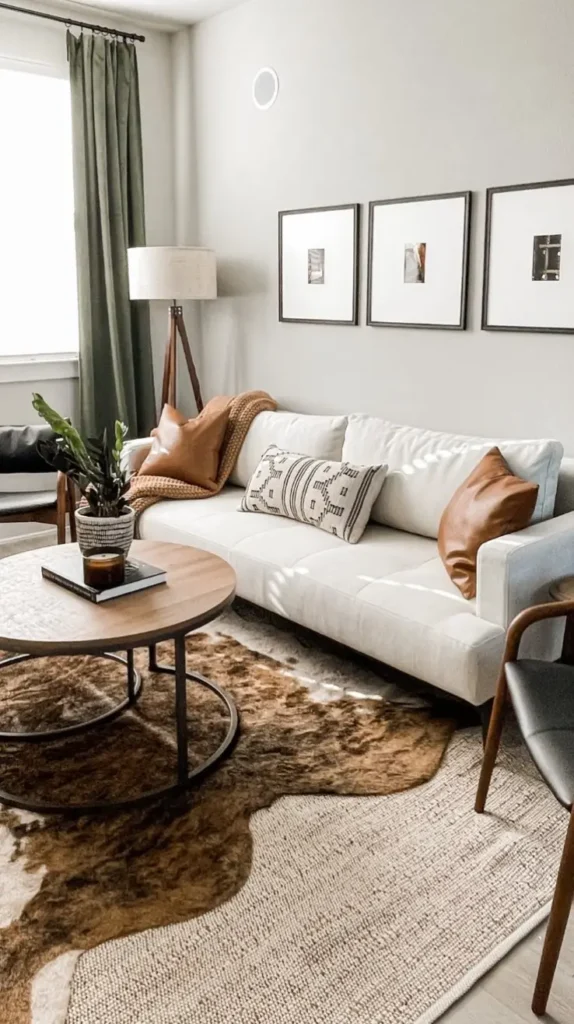
Windows are one of the strongest visual assets in a small front room, yet they often get covered or ignored. When windows are blocked by heavy curtains or dark fabrics, the room instantly feels smaller, darker, and more closed in. Allowing windows to stay open and airy changes everything. Light-colored, sheer curtains or soft fabric panels let natural light spread gently throughout the room without sacrificing privacy.
Natural light makes walls feel farther apart, and ceilings feel higher. It also improves mood and creates a sense of freshness that artificial lighting cannot fully replace. When sunlight enters freely, the room feels more alive and welcoming. Simple curtain designs keep the focus on the window itself, making it appear larger and more elegant.
An airy window treatment also creates visual calm. The room feels lighter, softer, and easier to relax in. This openness invites guests in and sets a warm tone from the very first moment someone steps inside the front room.
Add Personality Through Wall Art
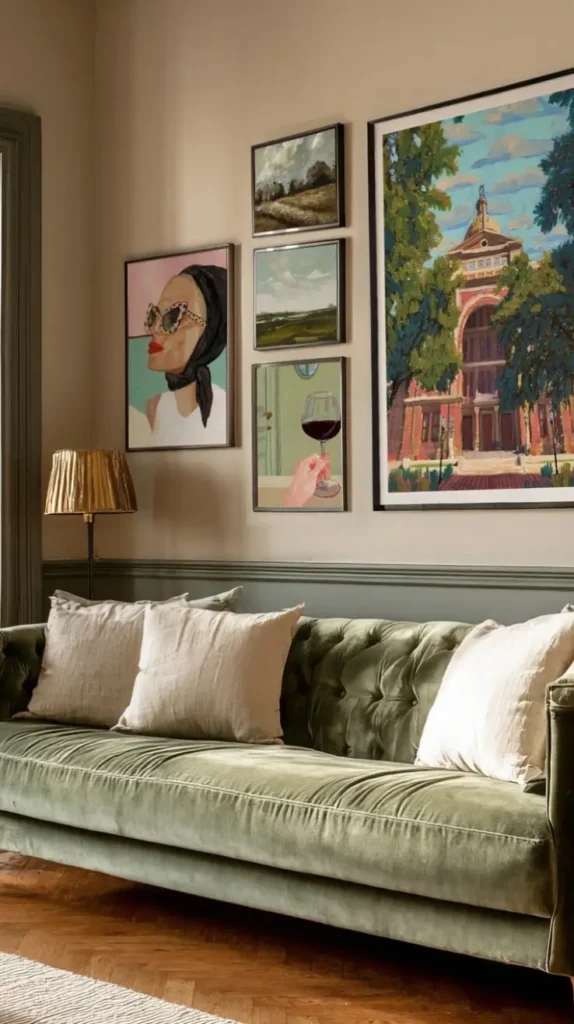
Wall art gives a small front room its emotional identity. Without it, the space can feel plain, unfinished, or lacking warmth. Art adds depth, character, and a sense of story. In compact rooms, the key is thoughtful selection rather than quantity. One larger piece often creates more impact than many small ones scattered across the wall.
Artwork should reflect mood and taste. Soft landscapes create calm, abstract designs, add energy, and personal prints add warmth and meaning. Keeping colors coordinated with the room’s palette helps maintain balance. Frames that match or complement each other prevent visual chaos.
Placement matters just as much as selection. Hanging art at eye level keeps the space comfortable and visually balanced. When chosen carefully, wall art becomes a quiet focal point that draws people in. It turns the front room into a space that feels personal, expressive, and emotionally inviting rather than just decorative.
Use Plants to Bring Life Indoors
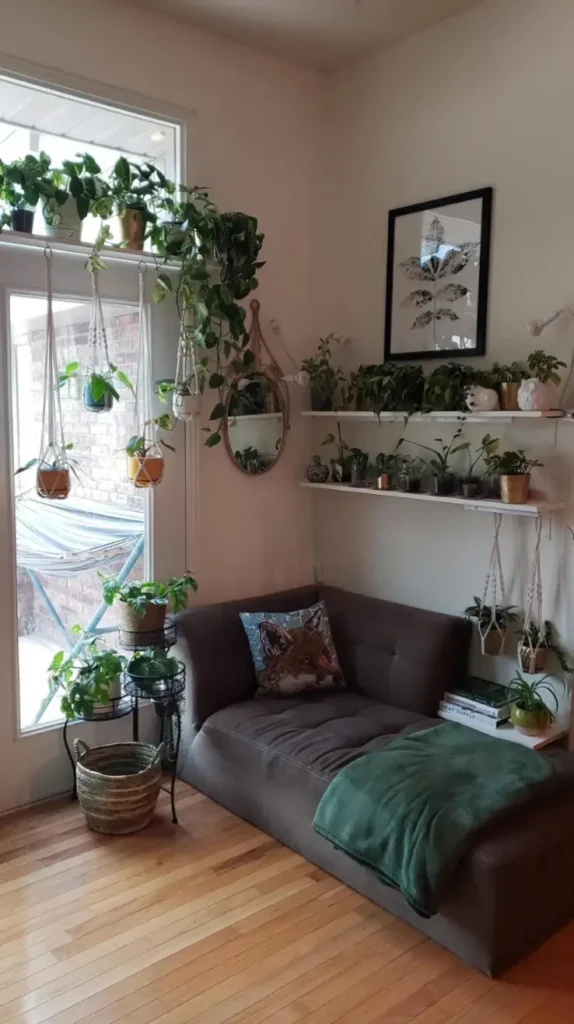
Plants add life, movement, and warmth to a small front room in a way few design elements can. Even a single plant can change how the room feels. Greenery introduces natural texture and softens sharp edges created by furniture and walls. Tall plants draw attention upward, helping the room feel taller, while smaller plants add charm to shelves or tables.
Plants also create emotional comfort. The presence of greenery makes a space feel calmer and more balanced. It subtly connects the room to nature, which helps reduce stress and improve the overall atmosphere. Natural tones blend easily with most color schemes, making plants versatile and timeless.
Whether using real plants or high-quality artificial ones, greenery adds freshness and energy. It fills empty corners, softens layouts, and makes the room feel alive. In small front rooms, plants bring warmth and personality without adding clutter or visual heaviness.
Keep Color Accents Intentional
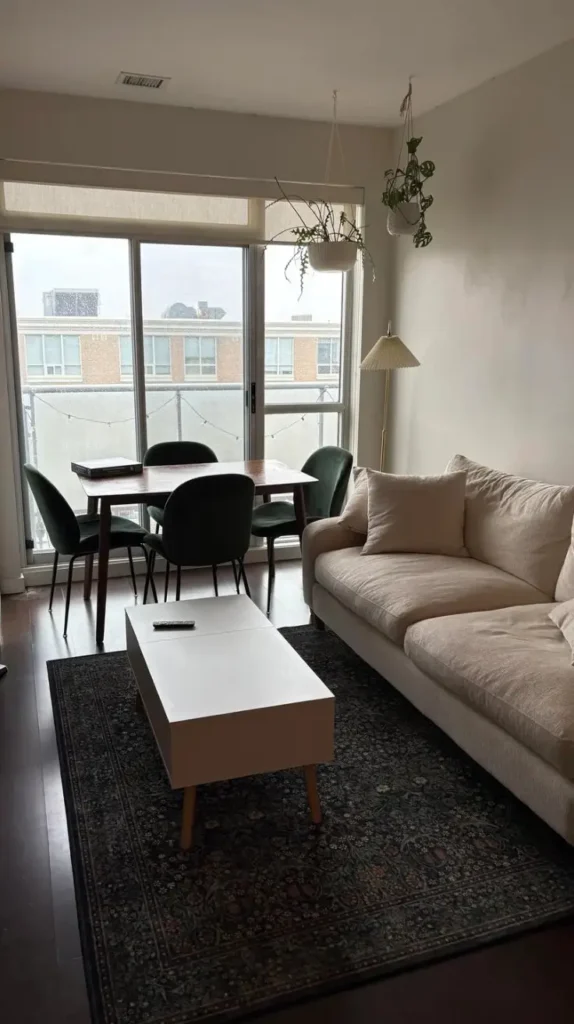
Color accents bring personality and energy into a small front room, but they require careful control. When too many colors compete, the room can feel busy and overwhelming. Intentional color accents create balance and harmony. Choosing one or two accent shades allows the room to feel lively without losing calm.
Accent colors work best through smaller elements such as pillows, throws, artwork, or decorative objects. These touches add visual interest while remaining easy to change over time. When the main color palette stays neutral, accent colors naturally stand out without overpowering the space.
This thoughtful use of color improves flow and comfort. The room feels coordinated and well-planned instead of random. Intentional accents guide the eye gently and support the overall design. The result is a front room that feels warm, stylish, and emotionally balanced rather than chaotic.
Style with Purpose, Not Excess
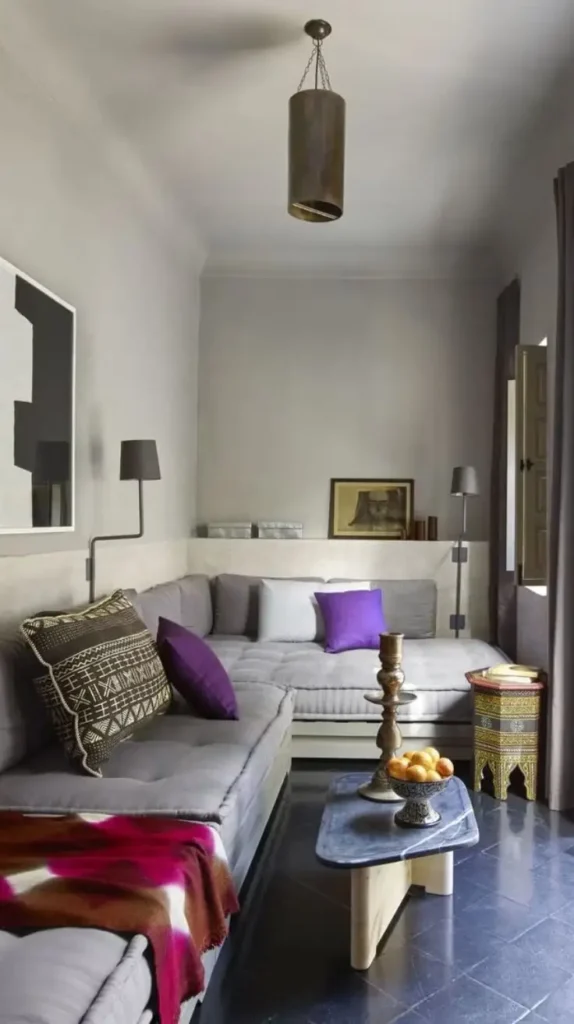
Styling is the final layer that completes a small front room, but excess decoration can quickly undo good design. Too many items crowd surfaces and make the space feel stressful. Purposeful styling focuses on meaning, balance, and breathing room. Each item should serve a role, whether functional or emotional.
Leaving space between objects allows the room to feel calm and open. A few carefully chosen pieces, such as books, candles, or personal décor, add warmth without clutter. Grouping items thoughtfully keeps surfaces organized and visually pleasing.
Purposeful styling creates a sense of ease. The room feels finished but not overloaded. Guests feel comfortable, and daily use feels effortless. In small front rooms, restraint adds elegance. When styling feels intentional, the space becomes welcoming, peaceful, and emotionally satisfying.


