
Lemon balm (Melissa officinalis) is one of those herbs that quietly does everything right. It smells fresh, grows easily, attracts pollinators, supports wellness, and fits perfectly into home gardens, pots, and even indoor setups. As an agriculture scholar and a passionate gardener, I always look for plant products that are reliable, practical, and worth recommending to beginners and experienced growers alike.
In this review, I am sharing my detailed experience with HOME GROWN Lemon Balm Seeds – 806 Non-GMO Heirloom Seeds. These seeds are marketed for indoor and outdoor growing, tea gardens, containers, raised beds, and hydroponics. Over time, lemon balm has gained attention not just for gardening but also for herbal tea, stress relief, digestive support, and pollinator-friendly farming.
What Is HOME GROWN Non GMO Lemon Balm Seeds?
HOME GROWN Lemon Balm Seeds are non-GMO, heirloom seeds of Melissa officinalis, a perennial herb from the mint family (Lamiaceae). Lemon balm is well known for its lemon-scented leaves, calming properties, and ability to grow vigorously in a wide range of climates.
The seeds are designed for indoor and outdoor use, including pots, garden beds, and hydroponic systems. According to the product description, the pack contains approximately 806 seeds, offering strong value for home gardeners, small farms, and educational gardening projects.
Lemon balm is native to Europe and the Mediterranean region but is now grown worldwide. It thrives in USDA hardiness zones 4 to 9, making it suitable for most temperate and subtropical regions. The plant typically blooms from spring to summer and prefers full sun to partial shade.
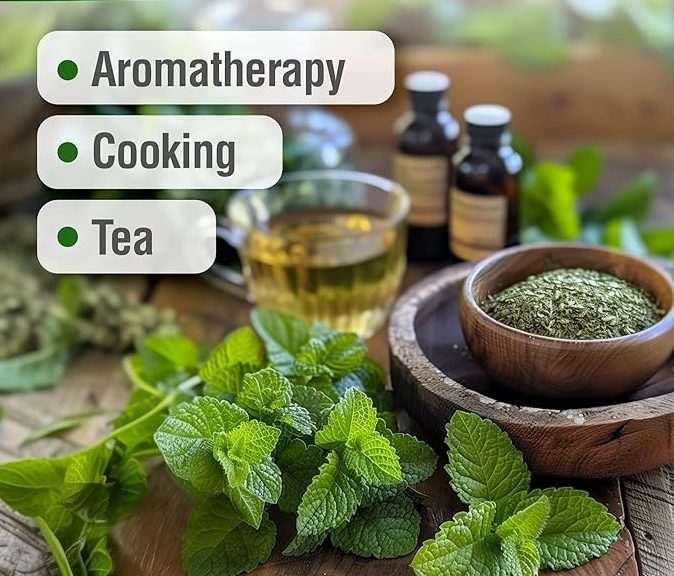
What makes lemon balm especially appealing is its low maintenance nature, fast establishment, and long productive life as a perennial herb.
The HOME GROWN Lemon Balm Seeds stand out mainly because of their heirloom and non-GMO quality. Heirloom seeds are open-pollinated, meaning gardeners can save seeds year after year without losing plant traits. This is important for sustainable agriculture and home seed independence.
The brand claims a high germination rate of 85–90%, which is impressive for herb seeds. Lemon balm seeds are tiny and light-dependent, which often reduces germination if planted incorrectly. Clear instructions provided with the pack make it easier even for beginners. Key features include:
- Non-GMO and heirloom seed quality
- Suitable for pots, raised beds, and hydroponics
- Strong early growth and vigorous plants
- Ideal for herbal tea, culinary use, and fragrance
- Budget-friendly pricing with a large seed count
From an agricultural perspective, lemon balm is also known for being pollinator-friendly, attracting bees, butterflies, and beneficial insects, which is a big plus for diversified gardens and ecological farming systems.
Pros & Cons of HOME GROWN Non GMO Lemon Balm Seeds
| Pros | Cons |
|---|---|
 High germination rate (85–90%) High germination rate (85–90%) |
 Seeds are very small and easy to oversow Seeds are very small and easy to oversow |
| Non-GMO heirloom seed quality |
Requires light for germination (cannot be buried) |
| Suitable for indoor, outdoor, and hydroponic growing |
Can spread aggressively if planted in open ground |
| Low maintenance and beginner-friendly |
Needs regular trimming to control growth |
| Excellent aroma and flavor for herbal tea |
Not ideal for gardeners wanting slow-growing herbs |
| Attracts bees and beneficial pollinators |
Can outcompete nearby herbs if unmanaged |
Why Seeds Matters?
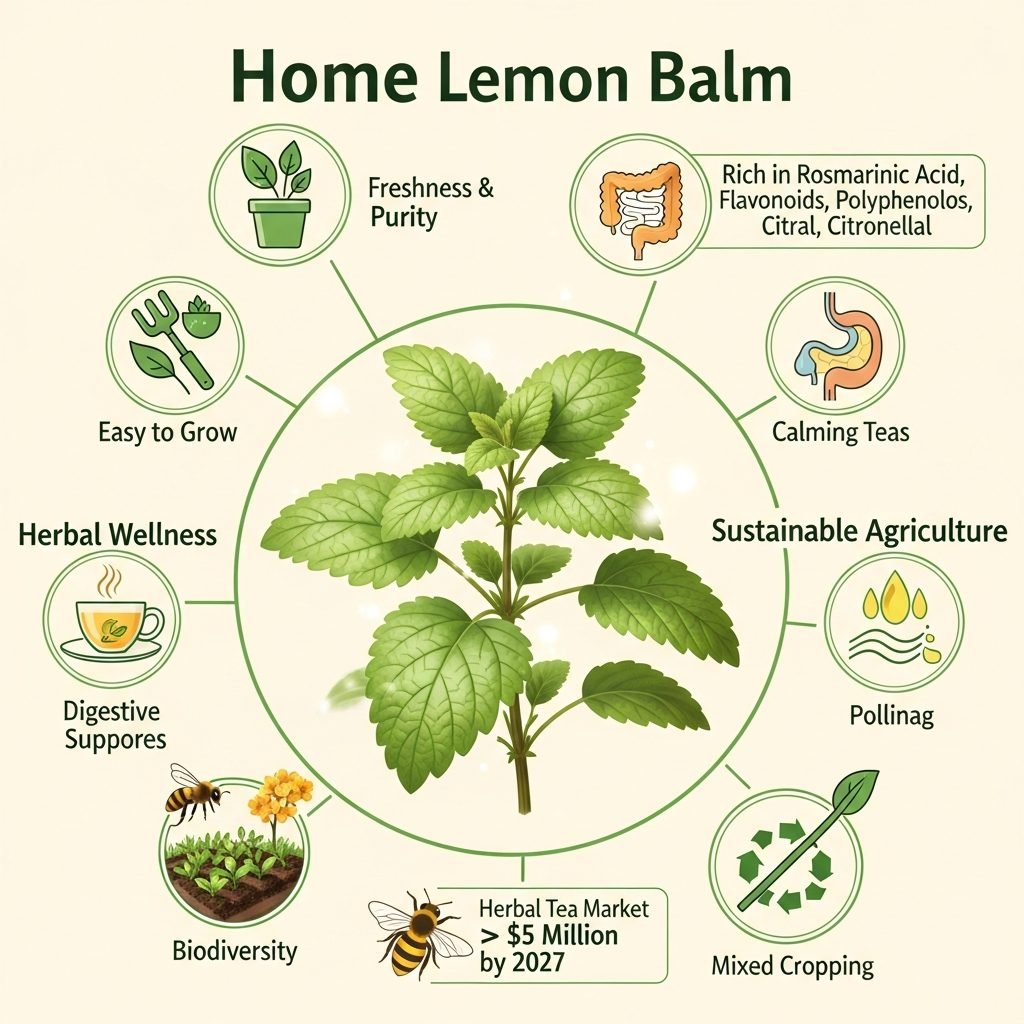
Lemon balm is not just another herb. It plays an important role in home gardening, herbal wellness, and sustainable agriculture. In recent years, interest in medicinal and culinary herbs has increased significantly due to rising awareness of natural remedies and home food production.
According to global herbal market data, the herbal tea market alone is expected to surpass USD 5 billion by 2027, with lemon balm being one of the commonly used calming herbs. Home gardeners are increasingly growing herbs themselves to ensure freshness, purity, and cost savings.
From a farming and gardening perspective, lemon balm contributes to biodiversity, improves pollination, and fits well into mixed cropping systems.
Scientifically, lemon balm contains rosmarinic acid, flavonoids, polyphenols, and essential oils such as citral and citronellal. These compounds are responsible for its lemon scent and many of its biological effects.
Research shows that rosmarinic acid has antioxidant, antimicrobial, and anti-inflammatory properties. This explains why lemon balm has been traditionally used for calming teas, digestive support, and even topical applications.
From a plant science angle, lemon balm’s vigorous growth comes from its strong root system and ability to regenerate quickly after harvesting. This makes it ideal for repeated cutting and long-term production.
Recent gardening and agriculture trends show a strong shift toward home-grown herbs: Surveys indicate that over 35% of home gardeners grow herbs, with lemon balm ranking among the top 15 medicinal herbs grown worldwide.
Studies show that lemon balm essential oil exhibits antimicrobial activity against multiple bacterial strains, supporting its traditional uses.
Pollinator studies reveal that flowering lemon balm can increase local bee activity by 20–30% during peak bloom.
Germination trials in controlled conditions show lemon balm seeds achieve 80–90% germination when surface sown under light.
In hydroponic systems, lemon balm has shown faster leaf production by up to 25% compared to soil under optimal nutrient and light conditions.
These figures support the idea that lemon balm is not only easy to grow but also highly productive and environmentally beneficial.
My Experience with HOME GROWN Lemon Seeds
I tested these HOME GROWN Lemon Balm Seeds in three different setups: indoor seed trays, outdoor pots, and a small hydroponic system. This allowed me to see how the seeds perform under varied conditions.
For soil growing, I used a light potting mix with good drainage. The seeds were surface sown, gently pressed into moist soil without covering them, as lemon balm needs light to germinate. For hydroponics, I placed seeds on moist sponges under grow lights.
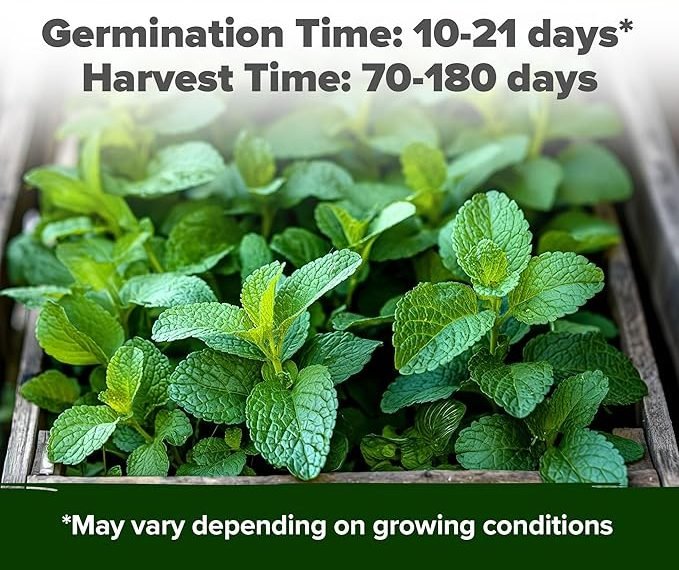
Germination began within 7–10 days, which aligns well with the brand’s claims. The seedlings were healthy, green, and uniform. Once established, growth was fast, especially in containers placed in partial sun.
One important observation: lemon balm behaves like mint. It spreads fast. Keeping it in pots prevented it from taking over nearby plants.
Performance of HOME GROWN Non GMO Lemon Balm Seeds
In terms of performance, these seeds delivered consistent results. Plants reached 20–30 cm in height within the first 6–8 weeks, depending on light and temperature. Leaf production was dense, aromatic, and suitable for harvesting multiple times.
Indoor plants under grow lights performed surprisingly well, making this product suitable for urban gardeners and apartment growers. Outdoor plants were more aromatic and attracted noticeable pollinator activity during flowering.
Repeated trimming improved bushiness and extended the harvesting period. Even without fertilizer, the plants showed strong vigor, which confirms lemon balm’s reputation as a low-input crop.
Practical Tips for HOME GROWN Lemon Balm Seeds
Lemon balm seeds are tiny, so patience and proper technique are key. Always surface sow and provide light. Covering seeds with soil will drastically reduce germination.
Grow lemon balm in containers or pots, especially if space is limited. Regular trimming keeps the plant compact and productive. Harvest leaves before flowering for the strongest aroma and flavor.
For hydroponic growers, maintain moderate nutrient levels and avoid overfeeding. Lemon balm responds better to balanced nutrition than heavy fertilization.
Comparisons with Alternatives
When compared with other lemon balm seed brands, HOME GROWN stands out mainly due to seed quantity, germination reliability, and clear instructions.
| Feature | HOME GROWN Lemon Balm | Generic Store Brand | Organic Premium Brand | Mixed Herb Seed Pack |
|---|---|---|---|---|
| Seed Type | Non-GMO Heirloom | Often Hybrid | Non-GMO Organic | Mixed Varieties |
| Seed Quantity | 806 Seeds | 150–300 Seeds | 200–300 Seeds | Varies per herb |
| Germination Rate | 85–90% | 60–70% | 75–85% | Inconsistent |
| Growing Options | Indoor, Outdoor, Hydroponic | Mainly Outdoor | Indoor & Outdoor | Mainly Outdoor |
| Best Use | Tea, Culinary, Garden, Pots | Basic Garden Use | Medicinal & Tea | General Herb Growing |
Final Recommendations
Based on my experience as an agriculture scholar and gardener, HOME GROWN Lemon Balm Seeds are a solid choice for anyone interested in growing lemon balm at home or on a small scale. I recommend this product for:
- Home gardeners and beginners
- Herbal tea lovers
- Indoor and balcony gardeners
- Sustainable and organic growers
- Pollinator-friendly garden planners
If you manage growth properly using pots and regular trimming, this lemon balm variety can provide years of fresh leaves, fragrance, and benefits with minimal effort.
In conclusion, Reliable, affordable, high-germination heirloom lemon balm seeds that deliver strong performance across soil, pots, and hydroponics — a great addition to any herb garden.


