
A bedroom is not just a place to sleep. It is where mornings begin with quiet hope and nights end with tired relief. The way furniture sits, how light moves across the walls, and where the bed rests can completely shift emotions. A thoughtful bedroom arrangement can turn stress into calm, clutter into clarity, and chaos into comfort.
Many people feel something is “off” in their bedroom but cannot explain why. The secret often hides in arrangement, not decoration. Stay with this guide, because each idea builds toward a deeper truth: a small change in layout can unlock a big emotional transformation. The final ideas may surprise you.
Understanding Why Layout Matters More Than Furniture
Before jumping into specific styles, it helps to understand why bedroom arrangement matters so much. A bedroom works like a quiet system. When furniture blocks natural movement, the body feels tension. When lighting feels uneven, the mind stays alert instead of relaxed. A balanced bedroom layout supports rest, focus, and emotional safety.
Good bedroom arrangement uses space planning, furniture placement, walking flow, and natural light. These ideas come from interior design basics, but they do not require technical knowledge. Simple awareness is enough. A bed placed correctly can improve sleep quality. A nightstand positioned within reach creates comfort. Even leaving open floor space sends a signal of calm to the brain.
The ideas below move from classic to creative. Each one builds anticipation, because the best layout may not be the most obvious one.
Centered Bed Layout
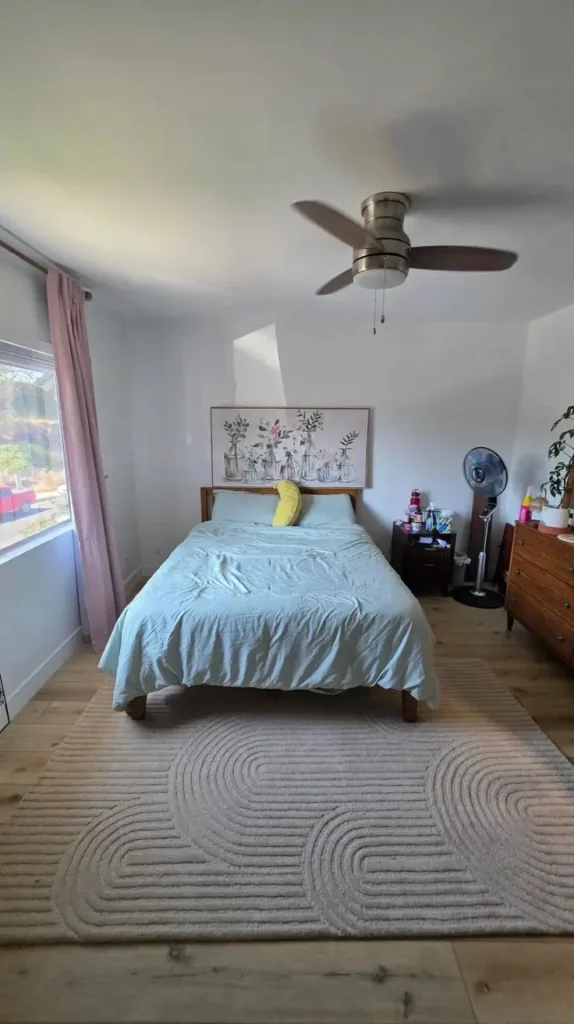
When we talk about comfort in a bedroom, balance often comes first. A centered bed layout creates that balance almost instantly. By placing the bed in the middle of the main wall, the room feels stable, calm, and emotionally grounded. This arrangement naturally draws attention to the bed as the heart of the room, making everything else feel intentional and well-placed. We notice how walking paths become smoother, how nightstands fit naturally on both sides, and how lighting feels more even and soothing.
This setup works beautifully for people who feel overwhelmed by clutter or visual noise. When furniture feels balanced, the mind also relaxes. There is no confusion about where things belong. Everything feels “right” without trying too hard. A centered bed layout also supports better sleep because the space feels predictable and safe, which helps the body unwind at night.
In terms of bedroom arrangement, this style suits both modern and traditional spaces. It adapts easily to different room sizes and furniture styles, making it a reliable choice for anyone seeking emotional calm and visual harmony.
Corner Bed Setup for Cozy Comfort
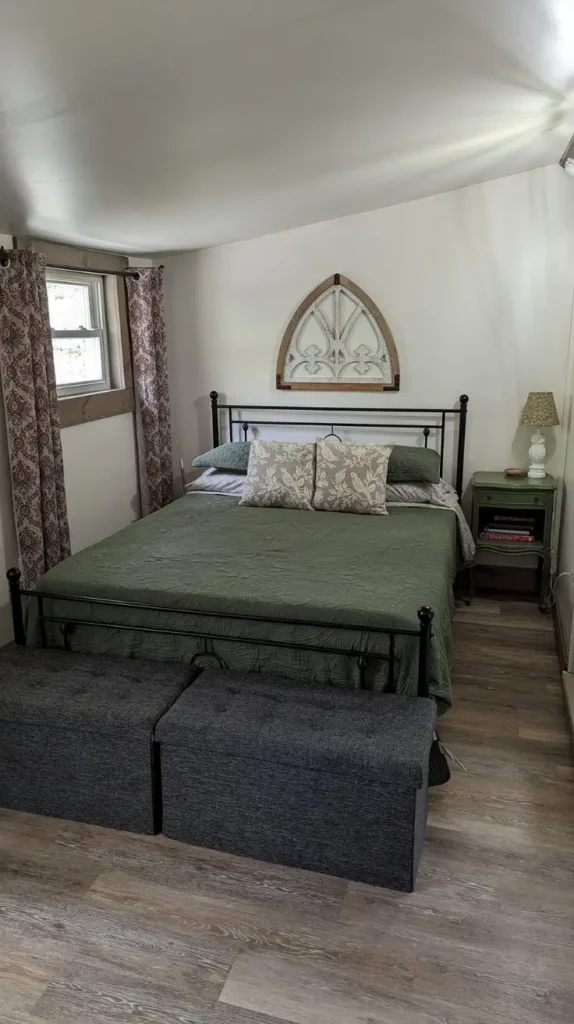
A corner bed setup changes the mood of a bedroom in a subtle but powerful way. When the bed rests against two walls, the room instantly feels more sheltered and intimate. This arrangement creates a cozy atmosphere that feels protective and personal, almost like the room is gently wrapping around the sleeping area. We often see this layout used in smaller bedrooms, guest rooms, or spaces where comfort matters more than symmetry.
One of the biggest advantages of this bedroom arrangement is the extra open floor space it creates. With the bed moved away from the center, the room feels less crowded and easier to move through. This makes daily routines smoother, from getting dressed to cleaning the room. It also opens opportunities for creative wall decor, soft lighting, or shelves that add character without taking up valuable space.
Emotionally, this layout feels relaxed and informal. It removes pressure to keep everything perfectly styled. Instead, the room feels lived-in and welcoming, making it ideal for people who value warmth, softness, and a sense of quiet retreat.
Symmetrical Layout for Visual Calm
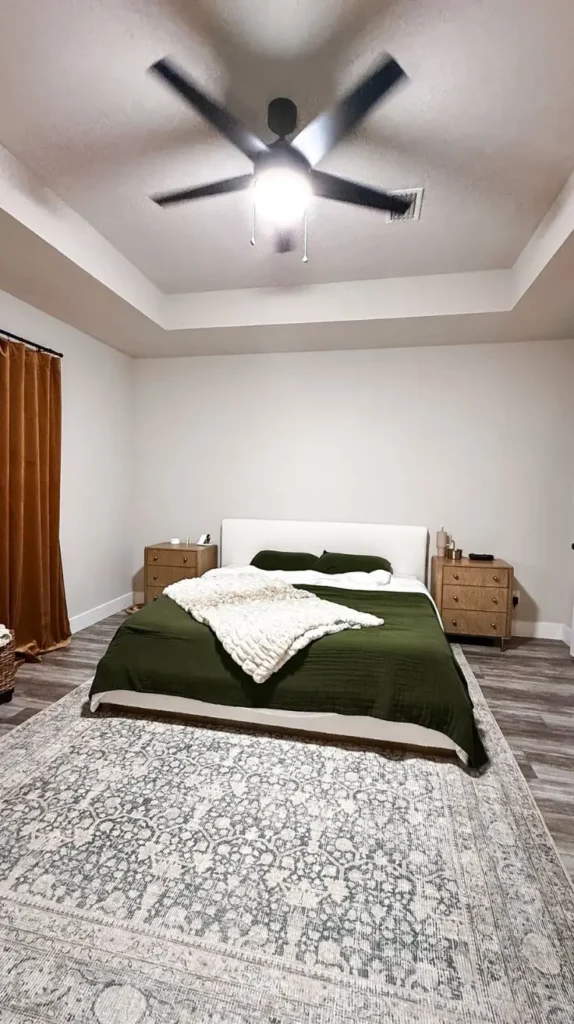
Symmetry has a calming effect that many people do not consciously notice, but they always feel it. A symmetrical layout brings order and clarity to a bedroom by placing furniture evenly on both sides of the space. When nightstands, lamps, and decor mirror each other, the room feels stable and organized without effort. We often recommend this arrangement for couples or shared bedrooms because it naturally creates fairness and balance.
This bedroom arrangement helps reduce visual distractions. When everything lines up, the eyes move smoothly across the room, which supports relaxation at the end of the day. There is less mental clutter because the layout feels predictable and structured. Even small bedrooms benefit from symmetry, as it helps the space feel intentional rather than cramped.
Beyond appearance, symmetry also supports daily habits. Storage becomes easier to manage, movement around the bed feels natural, and cleaning takes less time. This layout quietly supports peace of mind, making it an excellent choice for anyone who values calm, routine, and emotional stability.
Asymmetrical Layout for Creative Energy
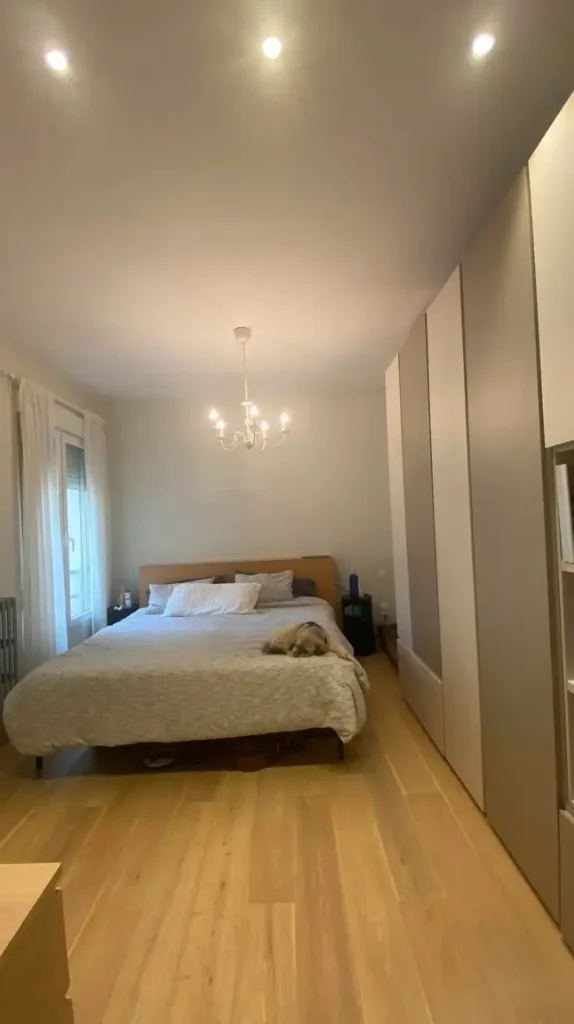
Not every bedroom needs perfect balance to feel right. An asymmetrical layout introduces movement, personality, and creative energy into the space. In this arrangement, furniture placement feels flexible rather than strict. One side of the bed might feature a nightstand, while the other remains open or holds a chair or plant. This freedom allows the room to feel expressive and unique.
This bedroom arrangement works especially well in rooms with unusual shapes, angled walls, or off-center windows. Instead of fighting the structure of the room, asymmetry works with it. The result feels natural and authentic rather than forced. We often see this style appeal to creative individuals who want their bedroom to reflect personal taste rather than design rules.
Emotionally, this layout feels dynamic and alive. It encourages experimentation and change. The room does not feel frozen in time, which keeps the space interesting. For anyone who feels boxed in by rigid layouts, an asymmetrical arrangement offers a refreshing sense of freedom and self-expression.
Floating Bed Concept for Modern Flow
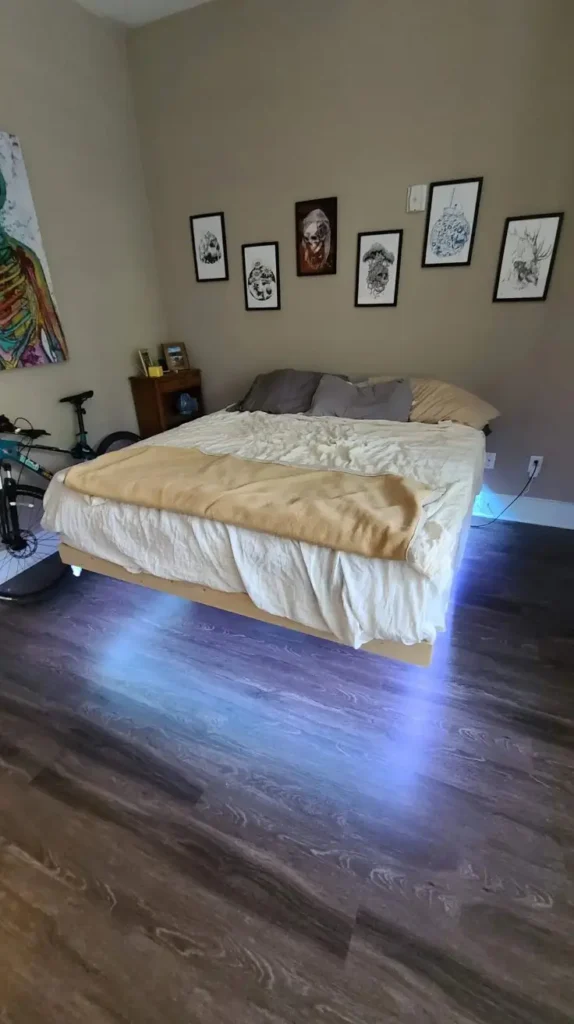
A floating bed layout makes a bold statement while improving movement within the room. Instead of placing the bed against a wall, the bed sits with space around it, allowing access from multiple sides. This bedroom arrangement creates a modern, open feeling that instantly elevates the space. We often see this setup in larger bedrooms, but it can also work in well-planned medium-sized rooms.
The main benefit of this layout is flow. Walking around the bed feels effortless, and the room feels more breathable. The bed becomes a design feature rather than just furniture. This arrangement pairs well with low-profile beds, soft lighting, and minimal decor, creating a calm yet confident atmosphere.
Emotionally, the floating bed layout feels empowering. It signals intention and design awareness. The room feels thoughtfully planned, which adds to a sense of control and comfort. For people who enjoy contemporary interiors and open movement, this bedroom arrangement offers both style and function.
Window Focused Layout for Natural Light
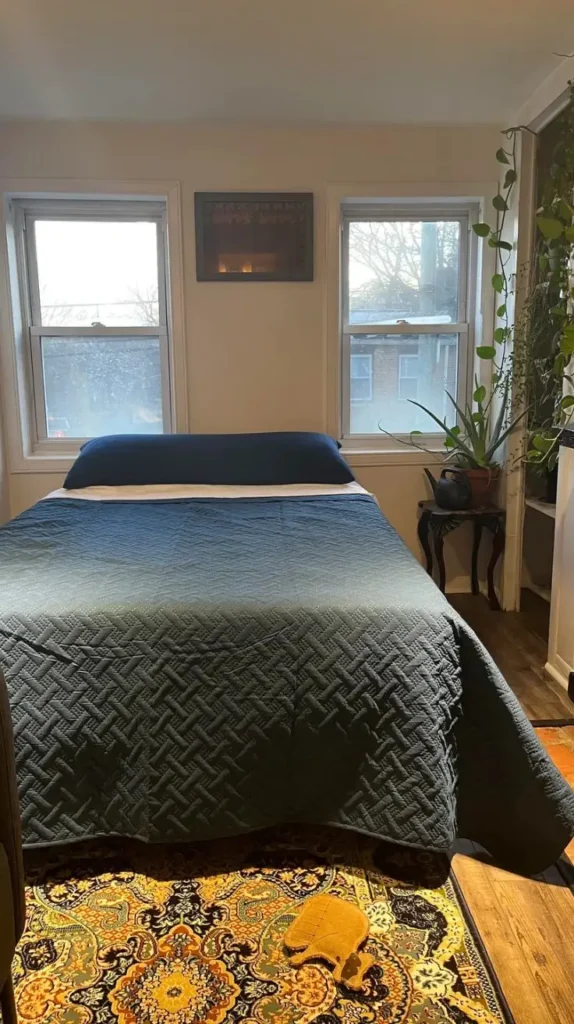
A bedroom that works with natural light always feels more alive. In a window-focused layout, the bed placement allows sunlight to become part of the daily rhythm. Morning light gently fills the room, while evening shadows create a peaceful mood. This bedroom arrangement connects the indoor space with the outside world in a subtle, calming way.
When done thoughtfully, this layout does not block airflow or overwhelm the bed with brightness. Curtains or blinds help control light levels, allowing flexibility throughout the day. We often notice that rooms with strong natural light feel larger and more open, even when the square footage is limited.
Emotionally, this arrangement supports clarity and freshness. Waking up with natural light can improve mood and energy levels. The room feels uplifting rather than heavy. For people who enjoy daylight, fresh air, and a connection to nature, this layout transforms the bedroom into a healthier and more inviting space.
Storage Driven Layout for Clutter free Living
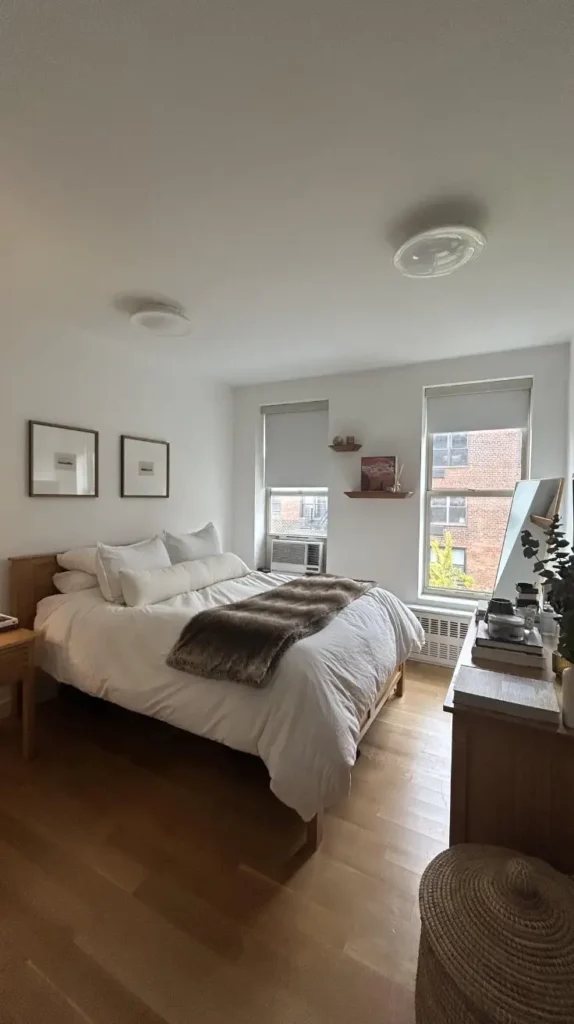
A bedroom can look beautiful, but if clutter takes over, comfort disappears quickly. A storage-driven layout focuses on creating order without making the room feel heavy or crowded. In this arrangement, furniture placement starts with storage needs first. Wardrobes, dressers, under-bed drawers, and shelving guide how the bed and other items are positioned. When storage feels accessible and logical, daily routines become smoother and less stressful.
This layout helps create clear walking paths and open visual space. Instead of stacking items in random corners, everything has a defined place. We often notice that when clutter stays hidden, the room feels larger and calmer. The mind relaxes more easily at night because there is less visual distraction competing for attention.
Emotionally, this arrangement brings relief and control. The bedroom becomes a space that supports rest rather than adding pressure. For busy lifestyles or smaller homes, a storage-focused layout transforms chaos into calm and makes long-term comfort easier to maintain.
Minimalist Layout for Mental Clarity
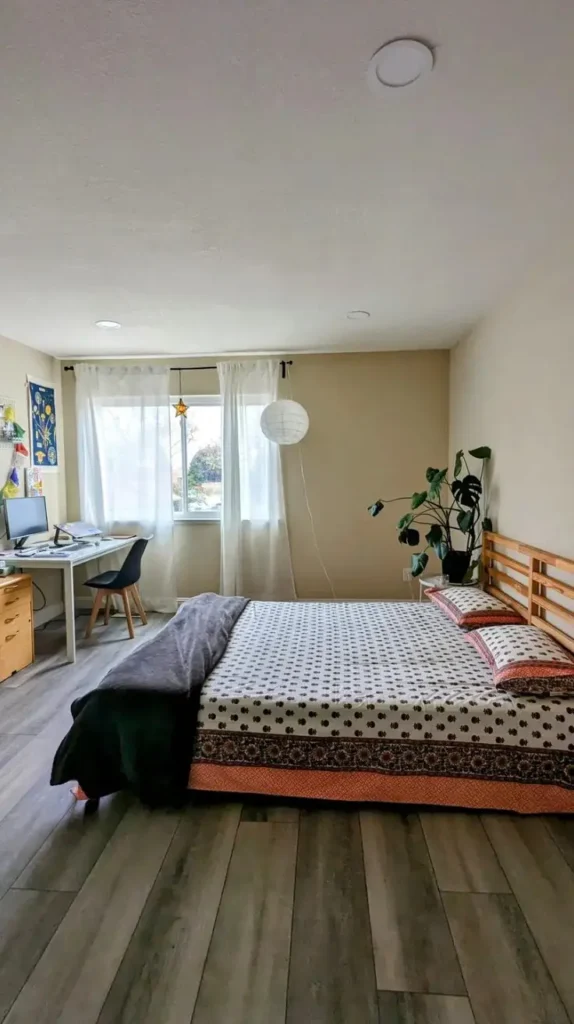
A minimalist layout creates peace by removing excess. This bedroom arrangement focuses on what truly matters and lets go of everything else. The bed remains the central feature, supported by only essential furniture. Open floor space becomes part of the design, allowing the room to breathe and feel light.
This layout helps quiet the mind. When there are fewer objects, the eyes move slowly and comfortably around the room. We often feel less overwhelmed in minimalist bedrooms because there is nothing demanding attention. Cleaning becomes easier, which supports a sense of control and calm.
Minimalism does not mean cold or empty. Soft bedding, warm lighting, and gentle colors keep the space welcoming. Emotionally, this arrangement supports reflection and rest. It creates a pause from the outside world. For people seeking clarity, simplicity, and emotional reset, a minimalist layout offers lasting comfort without effort.
Hotel Style Layout for Everyday Luxury
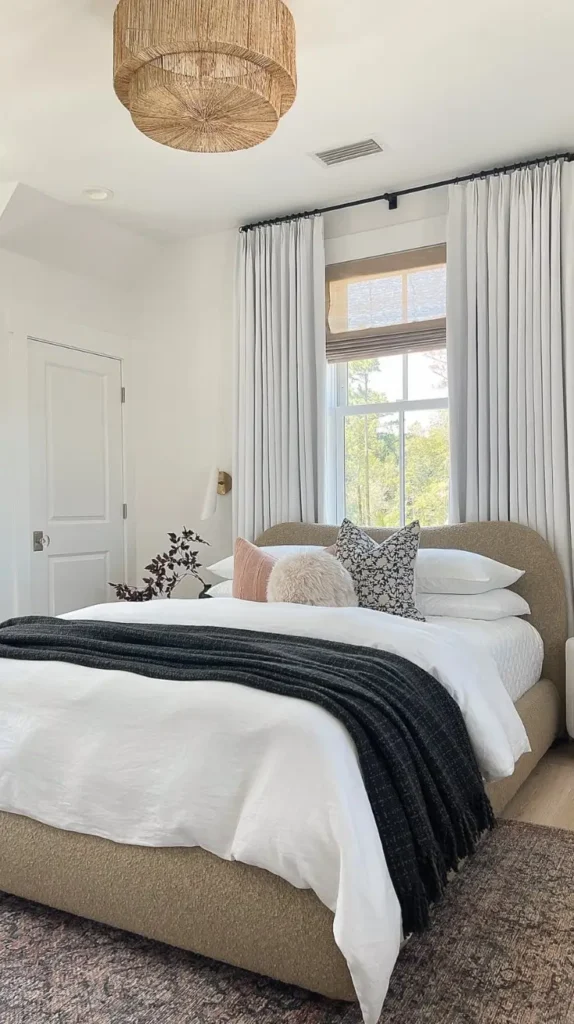
A hotel-style bedroom layout brings a feeling of calm confidence into everyday life. This arrangement focuses on comfort, structure, and visual flow. The bed naturally becomes the center of attention, framed by balanced furniture and soft lighting. Everything feels placed with purpose, which creates an instant sense of relaxation when entering the room. We often notice how this layout encourages slower evenings and better rest because the space feels special, not rushed.
Clear walking paths are a key feature here. Nothing feels cramped or awkward. Furniture placement allows easy movement, which supports both comfort and peace of mind. Layered bedding, supportive pillows, and coordinated bedside elements add warmth without clutter. The room feels polished but never cold.
Emotionally, this layout offers reassurance and indulgence at the same time. It turns the bedroom into a retreat from daily pressure. Even ordinary nights feel restorative. For people who want comfort, structure, and a sense of escape, this layout quietly delivers lasting satisfaction.
Small Bedroom Layout that Feels Bigger
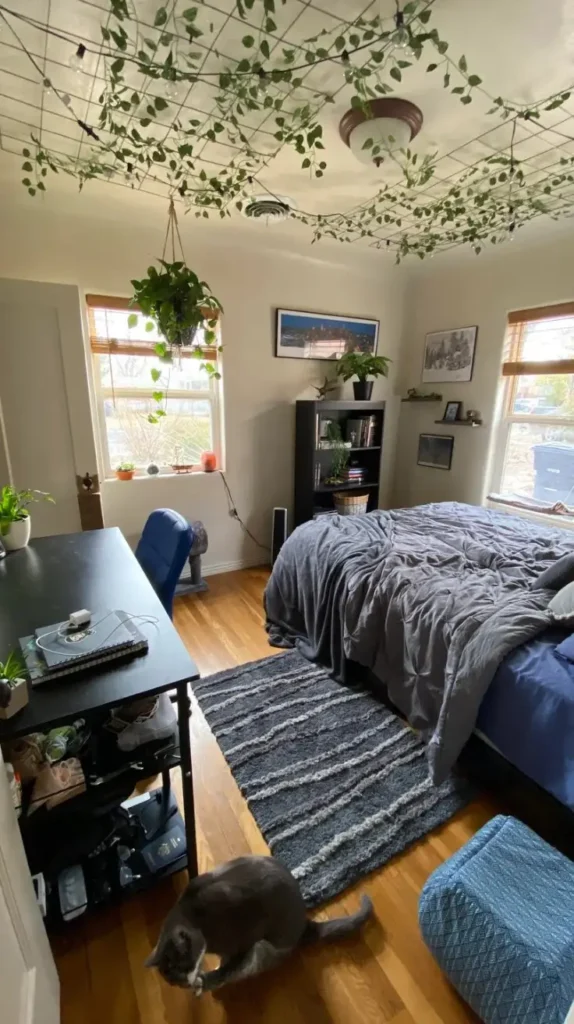
A small bedroom can still feel open and inviting when the layout is planned carefully. This arrangement focuses on creating space through smart placement rather than adding more furniture. The bed sits where it allows clear movement and open sightlines, helping the room feel less confined. We often see how removing unnecessary pieces instantly changes the atmosphere.
Vertical storage plays an important role here. When storage moves upward, the floor feels lighter and easier to navigate. Light colors, simple lines, and thoughtful spacing help reflect light and create visual depth. The room feels calmer because there is less visual pressure.
Emotionally, this layout reduces frustration. Small spaces can feel overwhelming, but a thoughtful arrangement brings ease and comfort. The bedroom feels supportive rather than restrictive. This approach proves that size does not define comfort. The right layout can make even the smallest bedroom feel peaceful and welcoming.
Read – Bedroom Ideas for Small Rooms
Shared Bedroom Layout for Harmony
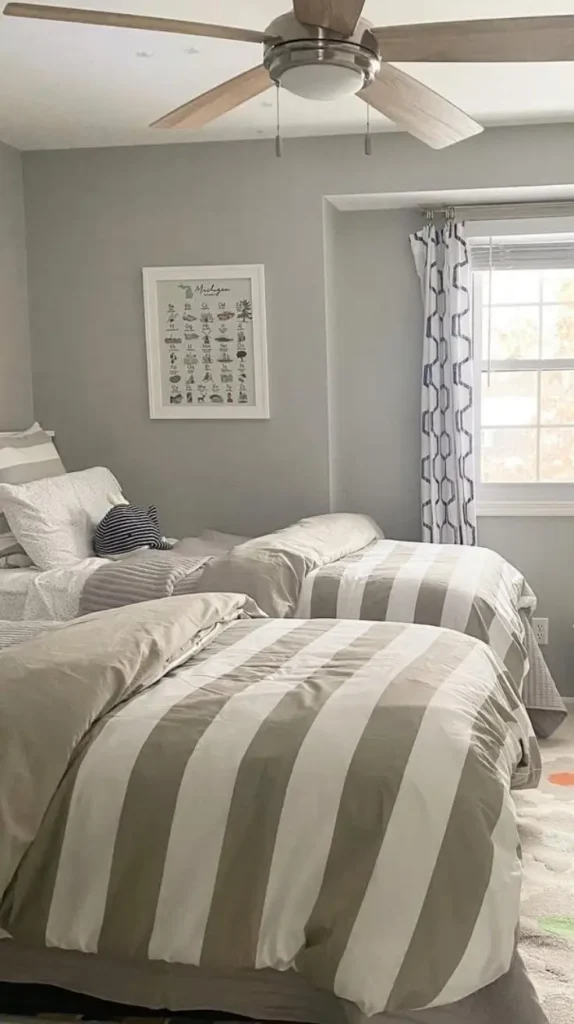
A shared bedroom works best when the layout supports both togetherness and personal comfort. This arrangement focuses on creating balance so everyone using the room feels respected and at ease. Beds are placed in a way that gives each person their own clear space while still keeping the room visually connected. Storage areas are divided thoughtfully, so belongings stay organized and personal boundaries remain clear.
This layout reduces daily tension. When everyone knows where their space begins and ends, the room feels calmer. We often notice that shared bedrooms feel more peaceful when walking paths remain open and furniture placement feels fair. Lighting also plays an important role, allowing each person to follow their own routine without disturbing the other.
Emotionally, this arrangement supports cooperation and trust. The bedroom becomes a place of rest rather than disagreement. Whether shared by siblings, partners, or roommates, this layout helps relationships feel supported. A harmonious shared space encourages better communication and makes daily life feel lighter and more comfortable.
Read – Twin Bedroom Ideas
Bedroom with Workspace Integration
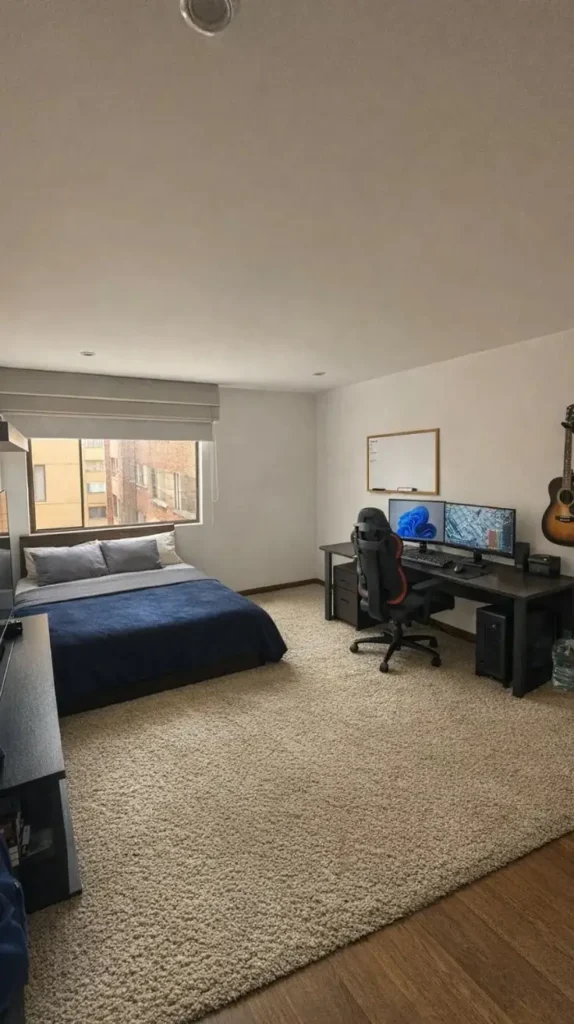
Blending work and rest in one room can feel overwhelming without the right layout. This arrangement protects relaxation by creating a clear visual and emotional separation between sleeping and working areas. The bed stays positioned as the main comfort zone, while the workspace fits into a defined corner or wall area that feels contained.
Furniture placement helps guide behavior. During the day, the workspace supports focus and productivity. At night, the bed remains free from work-related stress. We often notice that when work items stay organized and out of sight after hours, sleep quality improves naturally.
Lighting supports this balance. Brighter light encourages focus during work hours, while softer light signals rest later in the day. Emotionally, this layout helps maintain healthy boundaries. Work stays controlled, and rest stays protected. For modern lifestyles, this approach keeps the bedroom peaceful while still supporting daily responsibilities.
Reading Nook Bedroom Layout
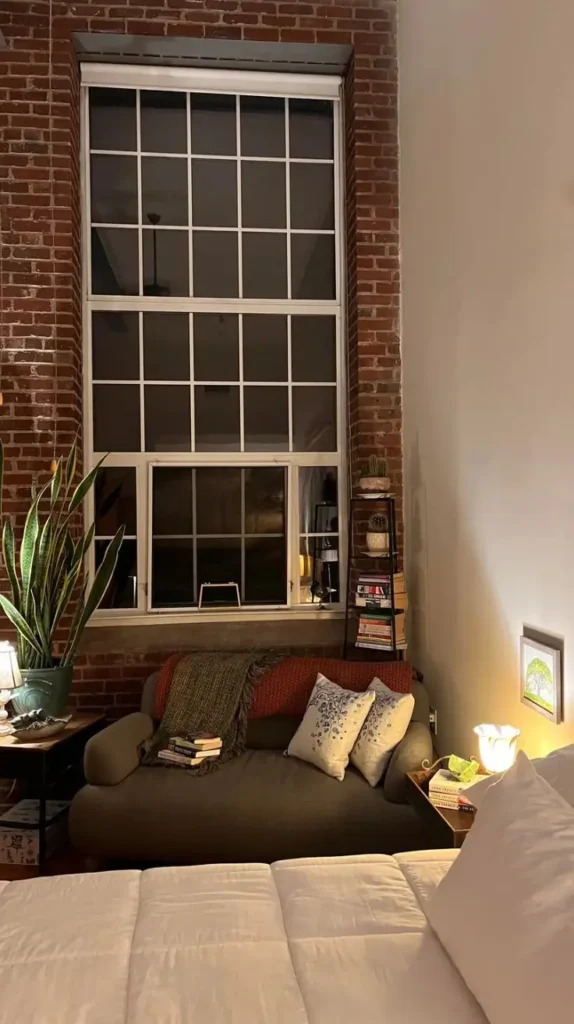
A reading nook adds emotional depth to a bedroom by creating a quiet space for rest beyond sleep. This layout uses a corner or unused area to form a comforting retreat. A chair, soft lighting, and gentle textures invite slow moments without effort. The bed anchors the room, while the nook adds warmth and personality.
This arrangement encourages intentional relaxation. We often notice that bedrooms with reading nooks feel more personal and less rushed. The space supports habits like reading, reflection, or quiet rest, which helps the mind unwind before sleep.
Emotionally, this layout nurtures calm and creativity. The bedroom becomes a place where the day gently fades instead of stopping abruptly. A reading nook creates balance by offering both rest and quiet engagement. For people who value peace and reflection, this layout transforms the bedroom into a space of emotional restoration.
Feng Shui Inspired Layout for Energy Flow
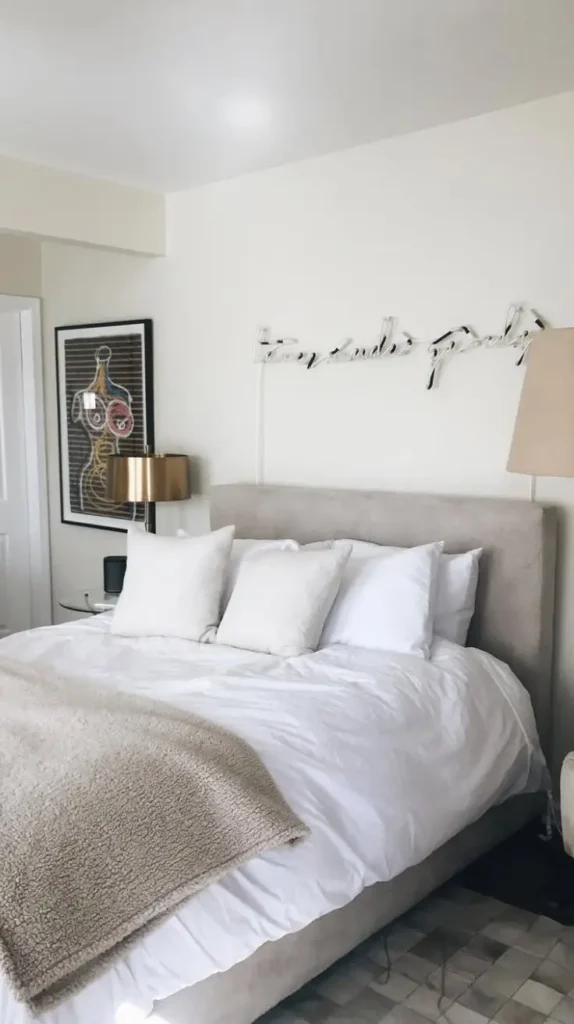
A Feng Shui-inspired layout focuses on comfort, balance, and emotional security. Furniture placement supports smooth movement and open pathways, allowing the room to feel grounded and welcoming. The bed sits in a position that feels protected, offering a clear view of the room without creating tension.
This arrangement reduces visual and emotional clutter. Symmetry and thoughtful spacing help the room feel calm and stable. We often notice that even small changes in placement can improve how the space feels emotionally. The room feels more supportive without needing dramatic changes.
Emotionally, this layout encourages relaxation and peace. The bedroom feels safe, making it easier to rest and recharge. For people sensitive to their surroundings, this approach creates harmony between the space and emotional well-being. The result is a bedroom that quietly supports comfort and balance every day.
Flexible Layout for Changing Needs
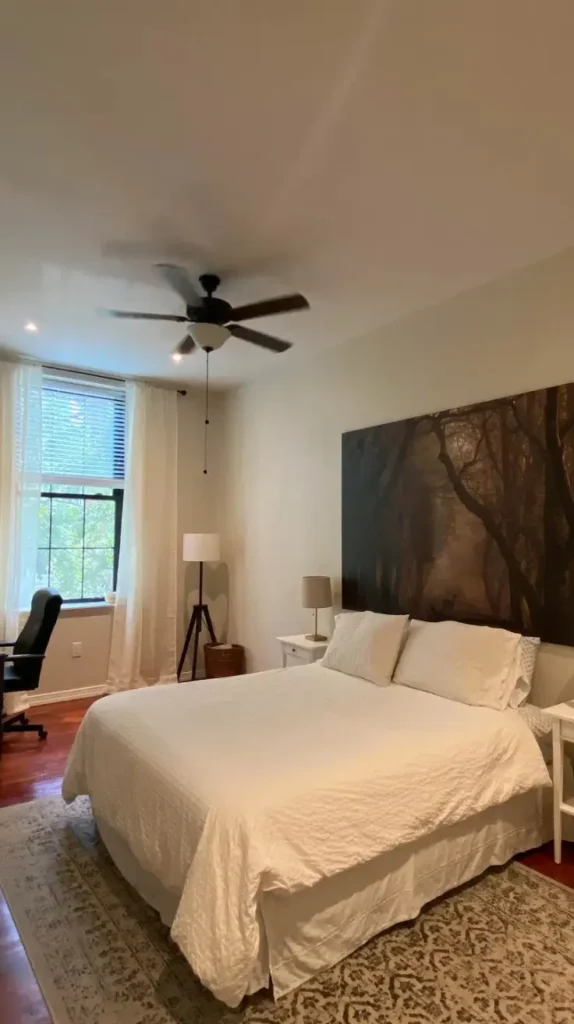
Life changes over time, and a bedroom should be able to change along with it. A flexible layout allows furniture to move easily as routines, preferences, or family needs evolve. Lightweight pieces, modular storage, and open floor space make adjustments simple and stress-free.
This arrangement works well for people who value freedom and adaptability. We often notice that flexible bedrooms feel less restrictive and more empowering. The space does not feel locked into one purpose. It adapts smoothly to new habits or stages of life.
Emotionally, flexibility creates comfort and confidence. The bedroom feels supportive rather than limiting. Changes feel natural instead of disruptive. This layout reminds us that the most comforting space is one that grows and adjusts with life, offering stability even as everything else shifts.


