
Swine flu is a growing threat to Canadian farms and experts are calling on farmers to be more diligent in biosecurity protocols and monitoring.
Why it matters: Better management of swine flu outbreaks can reduce economic losses and break the disease cycle.
The effects of swine flu are far-reaching, with influenza-positive groups in the United States show $4.50 less profit per head compared to influenza-negative groups. A study from the United Kingdom showed a $5 to $12 profit difference.
A report published in Science Direct said, the overall Canadian economic impact of disease outbreaks is in excess of $3.6 billion. Additionally between 14 million and 21 million animals are slaughtered as a result of the disease.
If a disease outbreak occurred in a central production region of Ontario, research revealed there would be an immediate 85 per cent decline in Ontario’s price of market hogs, due to a drop in demand for pork and being largely shut out of the international market.
Swine veterinarian Greg Dimmers of Great Lakes Livestock Consulting said economic losses can be avoided with better nursery management. Dimmers pointed to a recent research program in Mexico that showed nursery performance improved by 37 grams per day, along with reduced mortality and lower treatment costs.
“They reduced the mortality by about half a percentage point, and they reduced treatment costs by about 40 cents per pig. When we take that information together, along with some other information that’s out there that you can find, I think we’re conservatively looking at about $3 to $10 per pig cost for having influenza on a farrow-to-finish basis,” he said.
Dimmers noted prevention can be challenging due to the multiple ways an infection can break out on a farm. The most common outbreak source is inadvertently bringing an infected pig onto a farm, but there are other avenues.
“I think there’s some good data out there to show that we spread influenza around regionally, through the air, probably a couple kilometres distance, depending on weather conditions. Influenza can come in contaminated equipment and in some cases, with contaminated water, especially if you’re using surface water,” he said.
Dimmers added swine influenza can spread back-and-forth between pigs and humans.
“Once we bring influenza into the sow farm, the sow farm is a really efficient way of amplifying that virus,” he said, noting that this method of infection is also efficient at infecting nursing piglets.
“When those piglets get infected, they do a really good job of shedding a ton of virus and spreading it around the farm.”
Further to this, he said older piglets can infect younger ones, creating a cycle of infection.
Taking control
Dimmers said control measures can start with weaning pigs that are negative for the virus. He believes there are two cycles of control, with the first being an examination of the routes of bringing viruses into the farm.
“If we’re continuously bringing viruses into the farm, we’re going to have a really tough time trying to stabilize and control that in the sow farm,” he said. “When it comes to stopping virus introduction to the farm, all of the general biosecurity practices that we talk about apply to influenza, like they do to other diseases. I think another thing that we have to take a close look at is the animals that are coming into the farm. We got to look at our breeding stock and what the shedding status is.”
The second method of control is ending the cycle of infection in nursing piglets.
Dimmers recommended running a batch system, allowing for periods when there are no nursing piglets on the farm.
“If you’ve got no piglets and there’s nothing really to infect, you will see that batch farms tend to have an easier time controlling flu than weekly farrowing farms,” he said.
Monitoring biosecurity
“If you’re bringing in animals to the farm that are shedding viruses, you’re going to have a tough time really getting effective control and stability for flu in the farm,” said Dimmers.
He added that it’s worth considering implementing a vaccination protocol to try to reduce shedding at time of entry.
“If you’re bringing in gilts and they’re positive and they’ve already been vaccinated, then it’s probably warranted to take a closer look and see what strains you’re dealing with and whether your vaccine is having effective control over the strains that you’re facing,” he said.
Dimmer adds that timing is significantly important to effective vaccination protection. He said a vacation at the time of entry or in the few days before is not enough to provide full protection.
“If you really want to reduce the amount of virus you’re bringing in with gilts, you’ve got to be vaccinating at least two weeks before they come in, and probably more like four weeks in some situations,” he said, adding regular testing will assist in monitoring progress in all aspects of identification and prevention.
At the provincial level, Dimmers said, the Ontario government is working with farmers to help them identify which exact strains are being passed around. He said the province will be able to provide a sub-type to identify if the disease on a farm is H1N1, H1N2, or H3N2. He added that there are also subsidies available for testing.
“For all for the $50 test, you can get a lot of information on what’s going on with those samples that you submit. It’s a really cost-effective way to get quite a lot of information,” he said.
Prevention of swine flu
Dimmers said many farmers may not be aware of some of the simple things they’re doing that may be enhancing the risk of transmission. He noted something as simple as changing clothes and washing hands between handling piglets can have infection-reducing results.
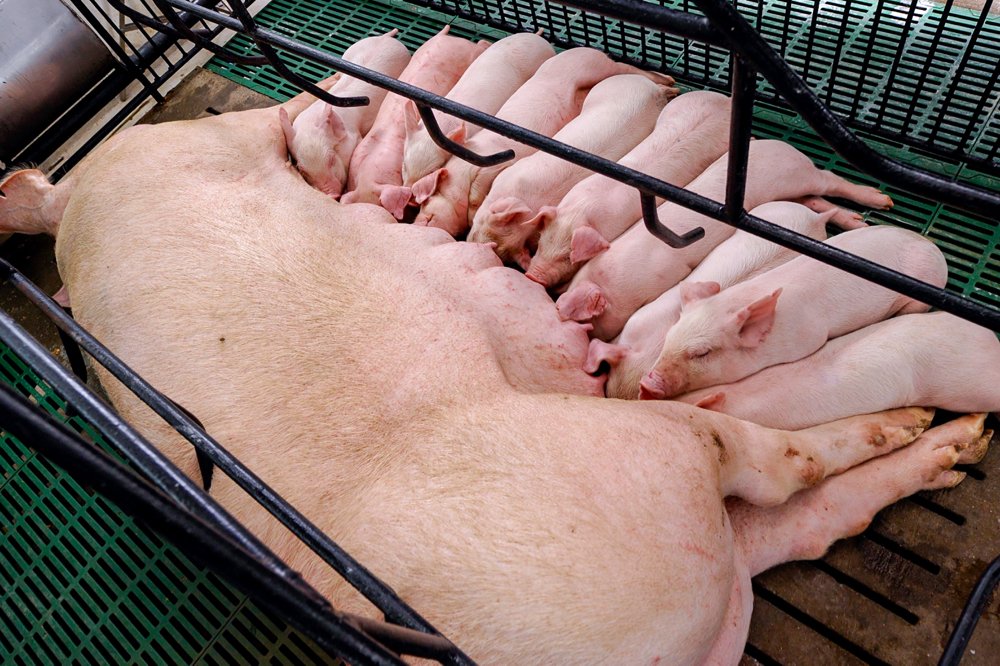
“If you’re trying to control the flu, think about how you’re moving your nurse sows around. Those sows have a lot of viruses on their skin. So if you’re taking those from weaning and moving them back to younger litters, you’re also dragging a lot of flu virus back to those younger piglets,” he said. “So the last tool, and I think the most important tool — this is really the cornerstone of influenza control — is sow vaccination.”
The influenza strains can evolve faster than many vaccines can keep up, which Dimmers said has left many vaccines “quite dated.” He said autogenous vaccines have become a popular choice within the pork industry because they take strains directly from the farms to manufacture better-matching vaccines. That’s resulted in things like regional autgenous vaccines which are “newer” but Dimmers also noted the disease can outpace the vaccine.
“You should still be doing the testing and sequencing of that virus and comparing it to a vaccine,” he said.
Dimmers added that it’s important for farmers to be aware of the health of their pigs, noting a piglet having a cough doesn’t necessarily mean it also has the flu. He recommended implementing a monitoring program that is based on more than clinical signs.
“You can have coughing without the flu, and you can have the flu without coughing, and I think that the diagnostic testing for surveillance really comes in,” he said.
Dimmers believes that over time influenza elimination does seem like something that can be done without too much effort. He said this begins with reducing the amount of virus and determining what virus is circulating on the farm.
“Once we know that information, it’s somewhat straightforward in order to choose a vaccine and implement that vaccine,” he said. “You might also choose to use some other internal biosecurity measures. Once we’ve done that, I think the important step following it is to monitor with testing and see how your program is working.”
If the program isn’t working as expected, go back and look at adding additional steps, improving vaccine matches or other measures.
The post Diligence key to swine flu prevention in Ontario appeared first on Farmtario.


