
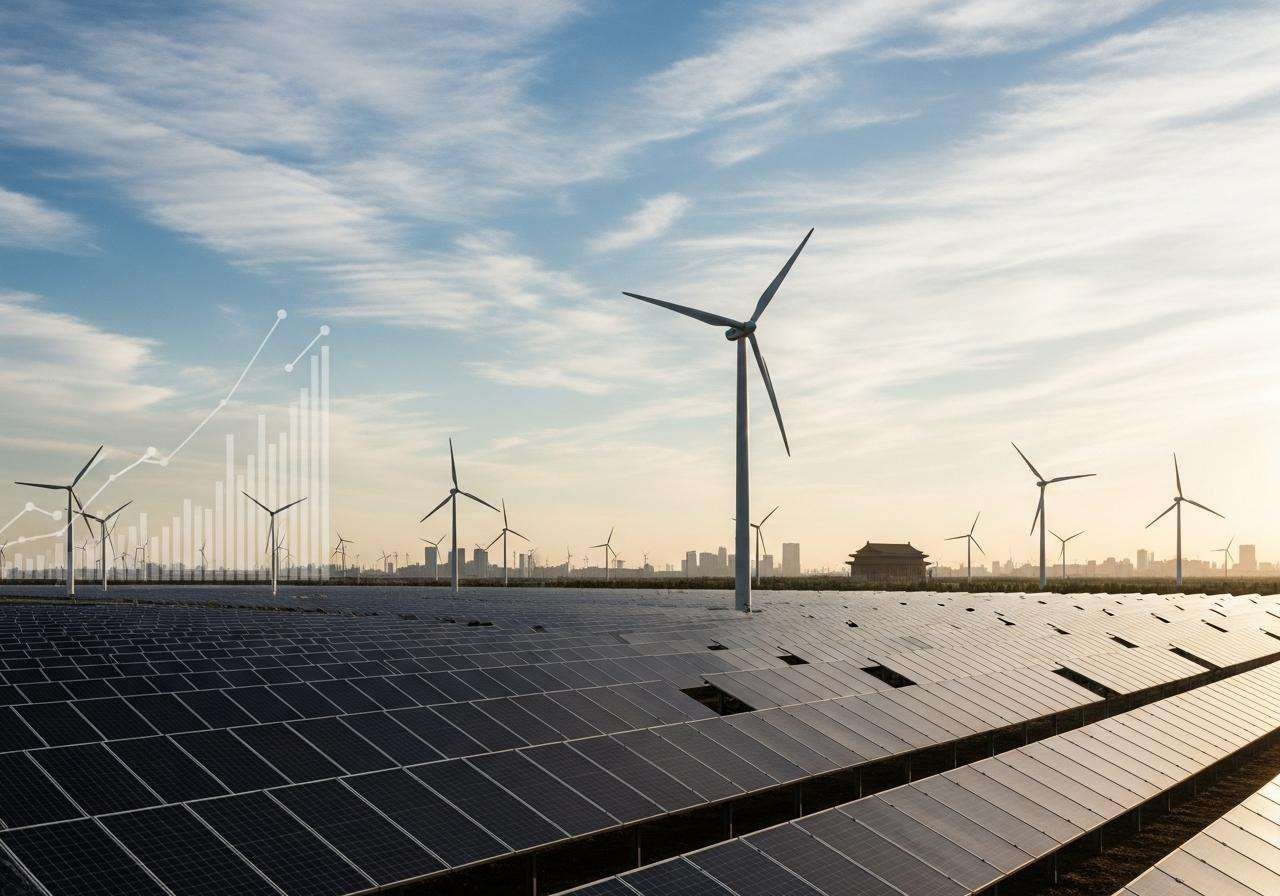
Introduction to China’s Renewable Energy Journey
When you think of China, you might picture bustling megacities powered by huge coal burning power plants which are also needed to power their endless factories. But in actuality over the past two decades, China has become the world’s most powerful force in renewable energy, reshaping not only its own energy future but also the planet’s.
With huge hydroelectric dams and more on the way together with massive solar and wind projects China’s motivation is very practical on multiple fronts.
Firstly it is a country that consumes roughly a quarter of the world’s energy, as it houses 17% of the world population but also serves as the world’s factory. Secondly it does not have major oil reservers and has to import massive amounts of energy as well as fertilizer to feed its huge population. Lastly Smog-choked skies and record heat waves have made it clear that fossil fuels come with consequences and the future consequences such as increased heat and sea level rise will be disastrous.
At the same time economically it serves the purpose of the ambition to move from “the world’s factory” to the world’s clean energy powerhouse with wind, solar and EV production leading the world. .
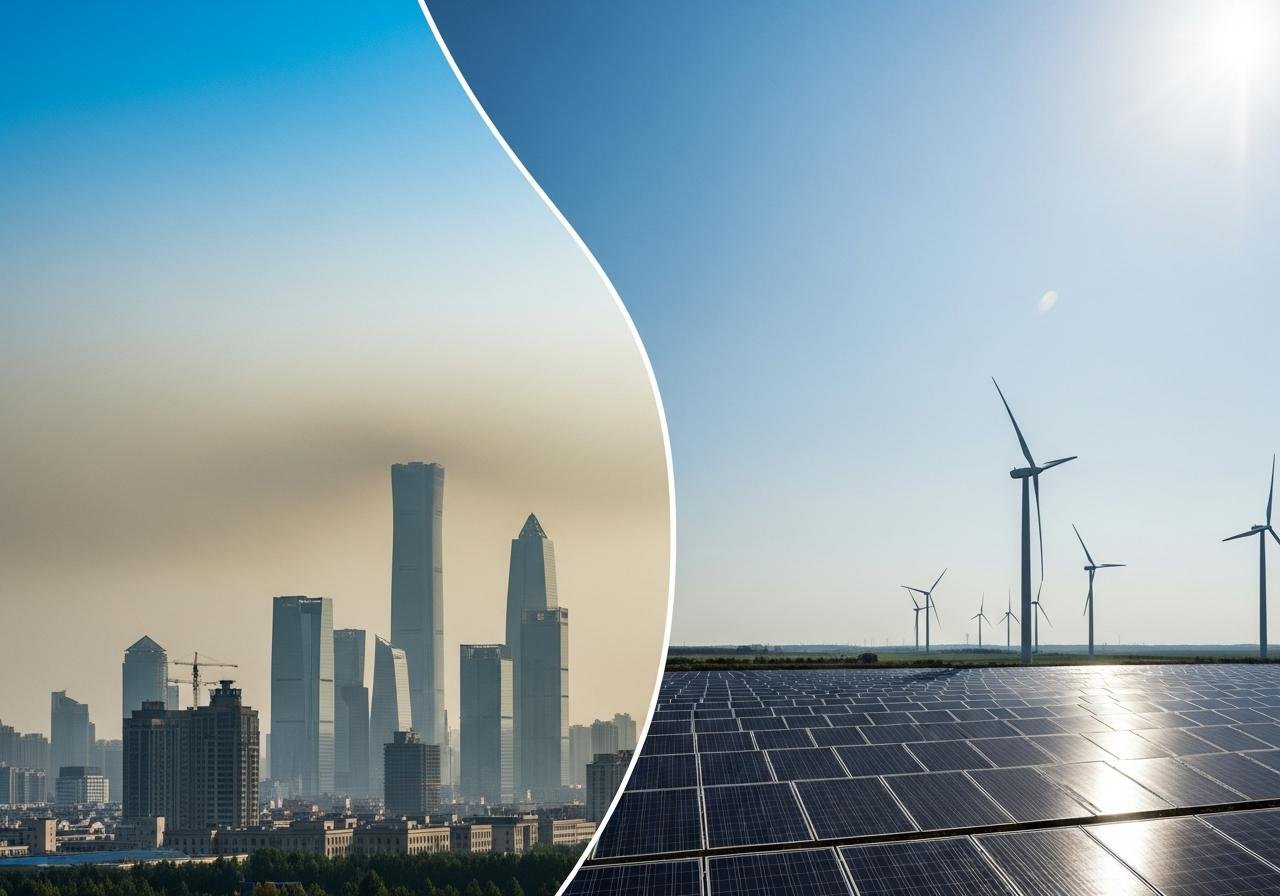
Government Policies and Investments
China’s green revolution didn’t happen by accident as the government has poured hundreds of billions of dollars – if not trillions – into renewables, setting up policies that turned clean energy from a niche industry into a national mission. Through its Five-Year Plans, it established clear renewable targets and paired them with formidable incentives subsidies for solar installations, feed-in tariffs for wind, and low-interest green loans for developers.
State-owned enterprises, alongside private innovators, have turned these policies into reality with the result being a tidal wave of renewable projects that now eclipse any other nation’s.
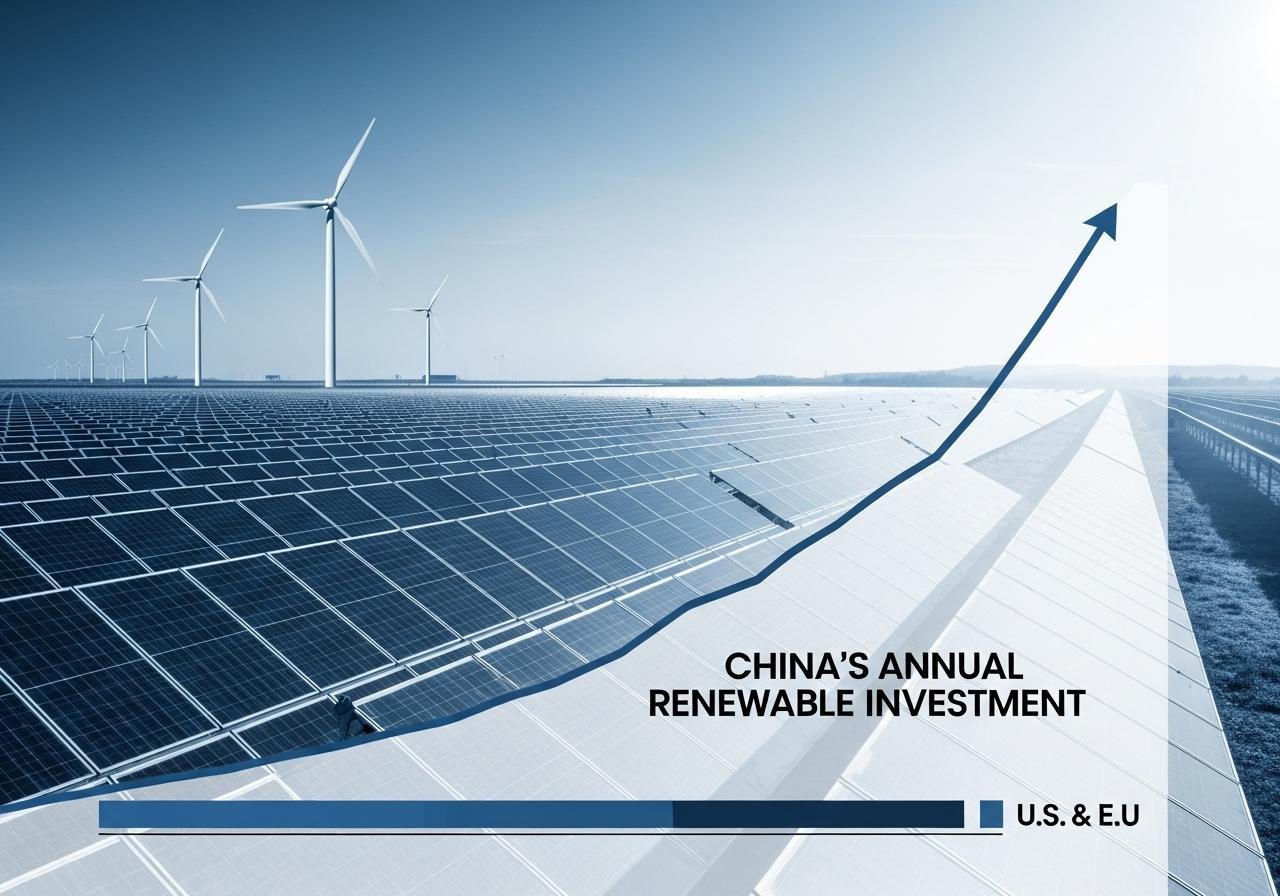
China invests more annually in renewables than the U.S. and the European Union combined. It’s not just policy muscle it’s industrial strategy at a staggering scale.
Solar Energy Development
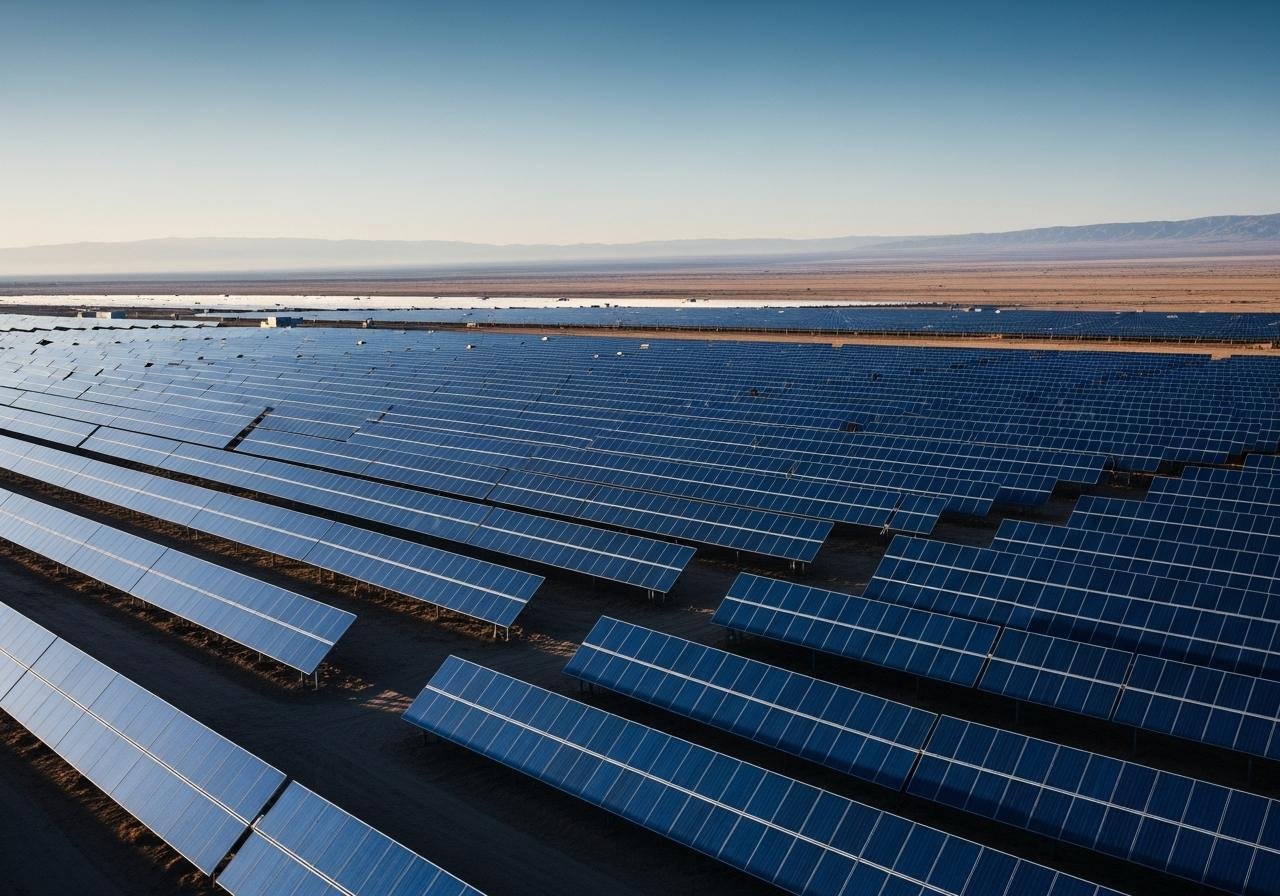
Few symbols capture this transformation better than a sea of blue solar panels stretching across China’s deserts as the country leads the world in solar capacity, with enormous farms in regions like Qinghai and Inner Mongolia feeding gigawatts of clean electricity into the grid.
China’s mastery of solar manufacturing has also changed the economics of energy everywhere. By producing affordable, high-efficiency panels, it made solar power cheaper for nearly every other country. In 2023, Chinese factories accounted for more than 80% of global solar panel production a dominance born of engineering precision and relentless scaling. What once cost a fortune now powers homes and cities at a fraction of the price and countries like Pakistan are seeing boons as individuals, businesses and communities can now access power cheaply. Which brings us to batteries….(see below)
Wind Energy Achievements
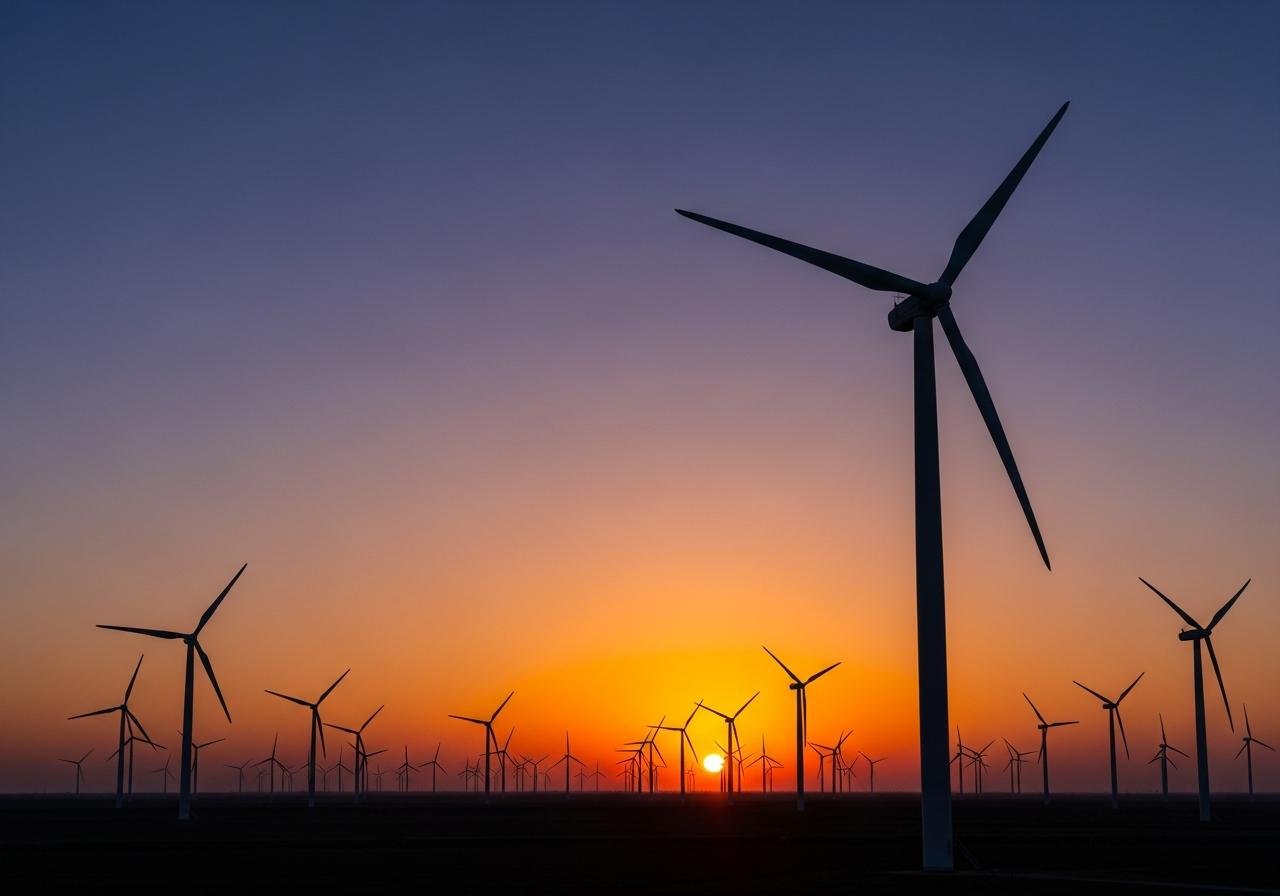
Step into China’s northern plains or along its coastal provinces, and you’ll see the silhouettes of wind turbines cutting graceful arcs across the horizon.
No matter what Trump says – in reality China’s wind industry is vast both on land and at sea and has grown faster than anywhere else in the world. It hosts the largest onshore wind farms and is rapidly expanding offshore projects in the South China Sea.
Behind this success are continuous technological advances: larger rotor blades, smarter control systems, and improved energy storage to capture the breeze even when the wind wanes. As of 2024, China’s installed wind capacity surpassed 400 gigawatts, nearly as much as the rest of the world combined. And it’s still building.
Hydropower and Biomass Energy
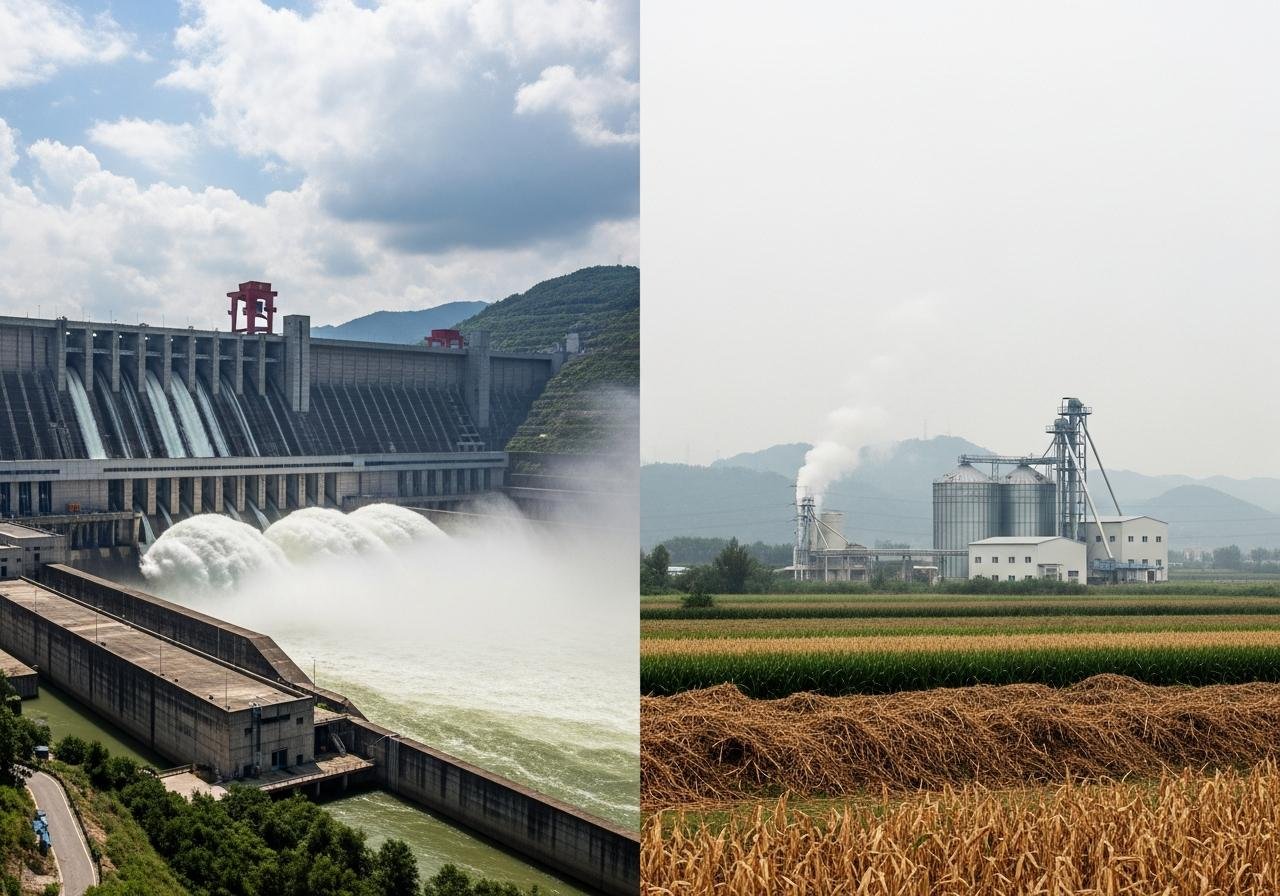
Hydropower has long served as China’s renewable backbone. The colossal Three Gorges Dam spanning the Yangtze River remains the largest power station on Earth. It alone can produce around 100 terawatt-hours of electricity annually, enough to power dozens of major cities. But the story doesn’t end there with several massive hydropower projects, such as the Baihetan Dam in Sichuan Province, continue to feed China’s grid with low-carbon energy.
Meanwhile, in rural areas, China is quietly advancing biomass energy converting agricultural and animal waste into usable fuel. It’s a solution rooted in practicality, helping reduce local pollution while providing sustainable livelihoods for farmers.
Battery Energy Storage
Which brings us to batteries—the technology that turns renewable energy from something intermittent into something dependable.
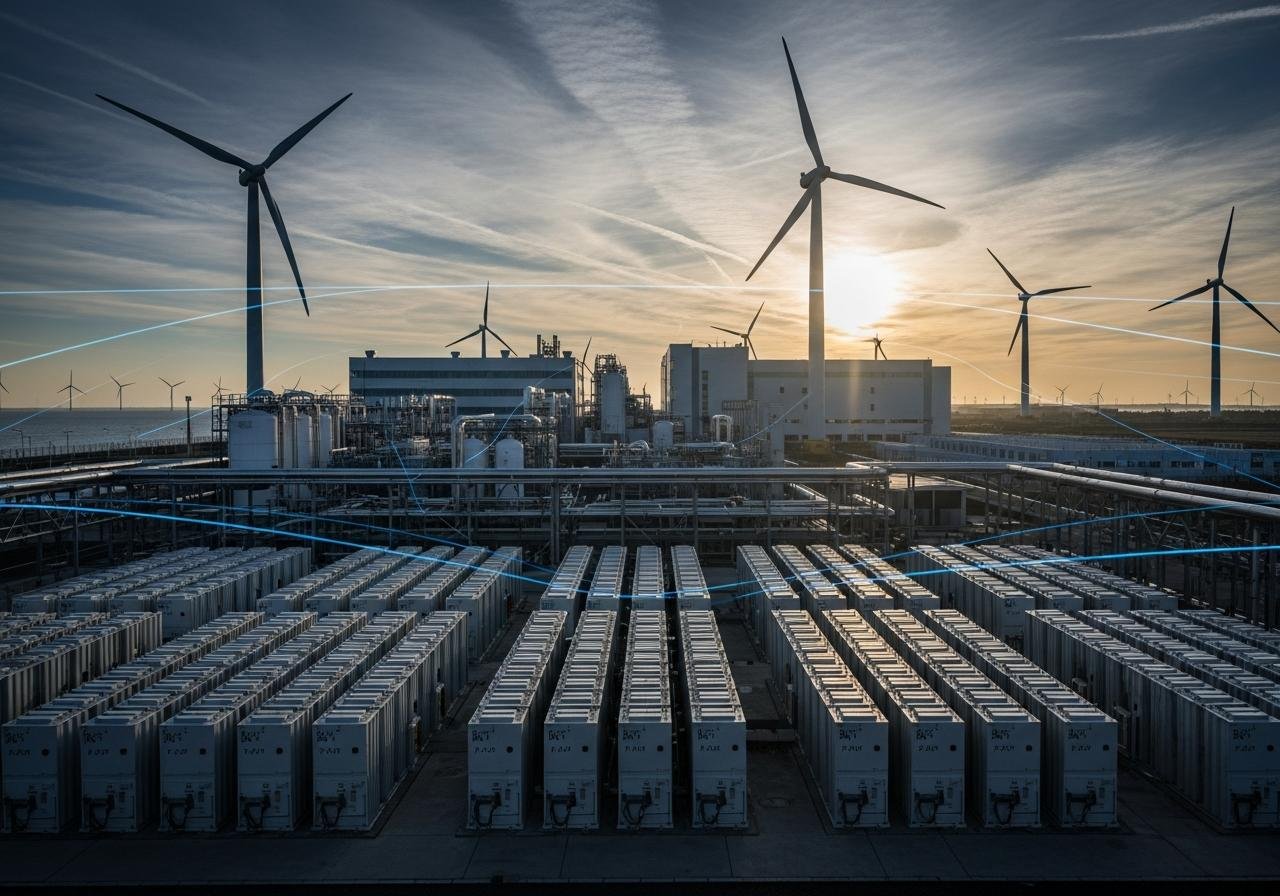
Few images capture this shift better than massive grid-scale battery installations rising beside solar and wind farms across China. In regions like Qinghai and Gansu, enormous battery systems store surplus electricity generated during the day and release it at night, stabilizing the grid and reducing reliance on coal-fired backup power. Clean energy, once limited by the sun or wind, becomes available on demand.
As with solar, China’s manufacturing scale has reshaped the global economics of batteries. By dominating lithium-ion production—particularly lithium iron phosphate (LFP) batteries that are cheaper, safer, and longer-lasting—Chinese factories now supply the majority of the world’s battery cells. This scale has driven battery prices down by more than 80% over the past decade, making energy storage affordable not just for wealthy nations, but for the rest of the world as well.
Pairing low-cost solar with batteries to deliver power after sunset, during outages, or far from centralized infrastructure completes the renewable equation – ensuring that clean energy isn’t just generated cheaply, but delivered reliably.
Challenges in Transitioning to Renewable Energy
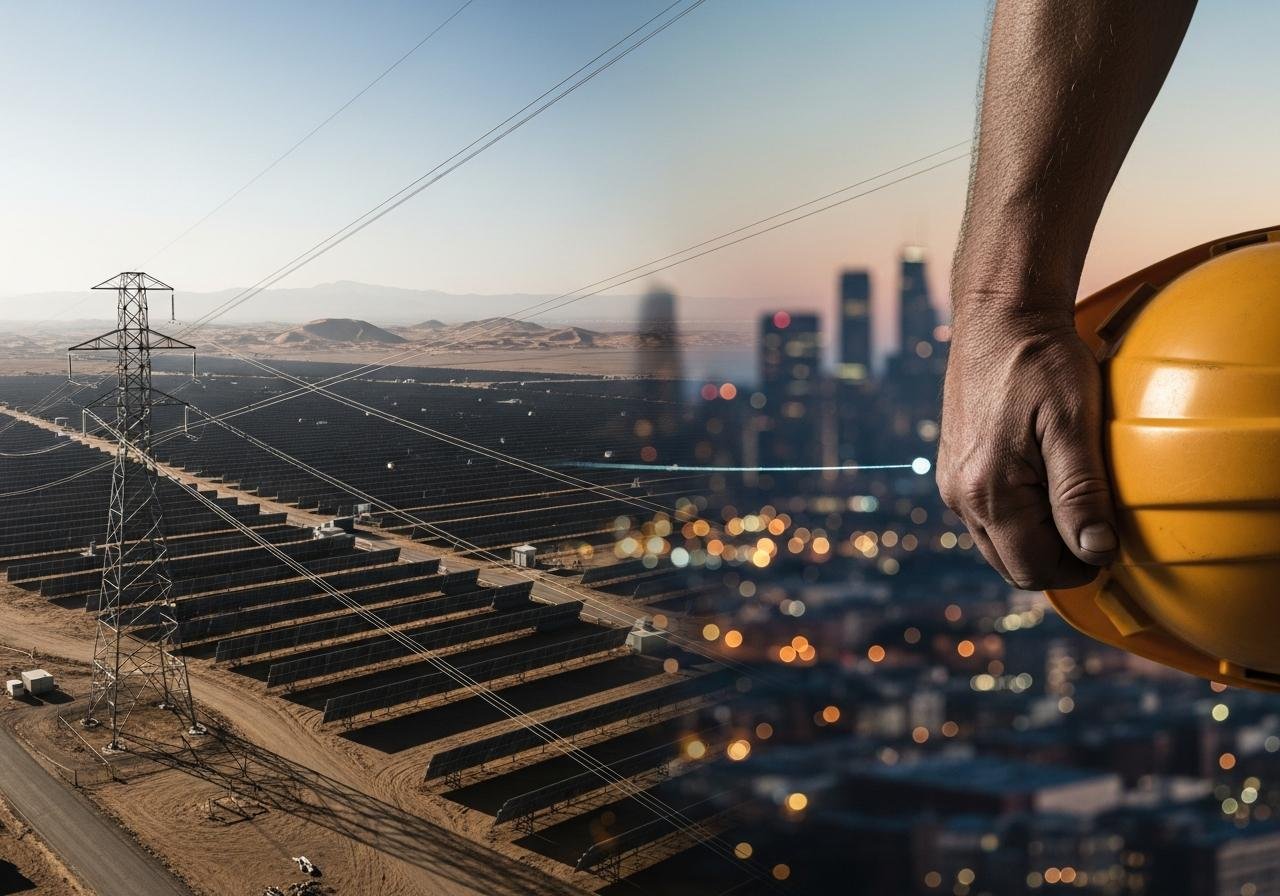
Of course, even Hercules had his labors. China’s renewable surge faces its own trials. Integrating intermittent solar and wind power into a grid built for coal remains a technical puzzle. Transmission lines must stretch from remote renewable-rich regions to dense urban centers, and sometimes energy is wasted simply because it can’t be delivered fast enough.
There are environmental concerns too: hydropower dams have altered river ecosystems, and large solar farms can displace fragile desert habitats. Economically, the phase-out of fossil fuels could disrupt jobs in coal mining regions, raising tough social questions about a just transition.
China’s Global Influence in Renewable Energy
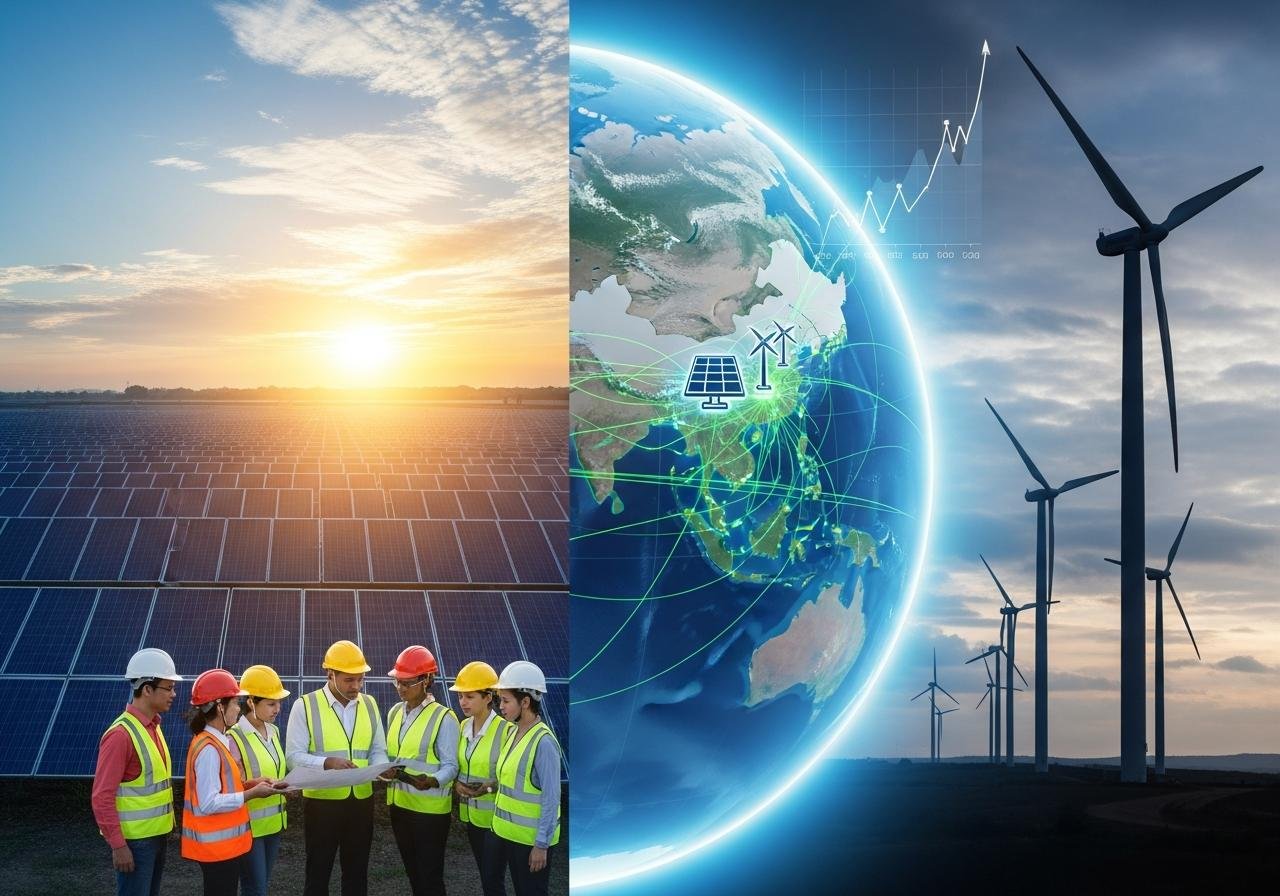
China isn’t just transforming its own energy landscape it’s exporting that change abroad. Through the Belt and Road Initiative, it’s financing renewable projects across Asia, Africa, and Latin America. Chinese companies now supply solar panels to nearly every continent and are helping build wind farms in countries from Pakistan to Brazil.
On the policy front, China’s leadership at international climate summits has grown more pronounced. When the world talks about carbon neutrality or green industrialization, it looks increasingly toward Beijing for clues about what comes next.
Future Prospects and Innovations
Looking ahead, China’s renewable ambitions show no sign of slowing. The country is racing to deploy advanced energy storage systems giant batteries and hydrogen projects that can balance supply and demand across seasons. It’s also developing smart grids powered by artificial intelligence, capable of managing energy flows with remarkable precision and as Beijing has pledged to peak carbon emissions before 2030 and reach carbon neutrality by 2060 it’s betting on innovation,
Conclusion: Reflection on China as a Renewable Energy Leader
In less than a generation, China has gone from coal giant to clean energy colossus. Its massive investments, technological leaps, and policy endurance have redefined what renewable ambition looks like. The ripple effects are global solar panels in California or wind turbines in Scotland likely trace some part of their lineage back to Chinese innovation.
If the 20th century was shaped by oil empires, the 21st may well be defined by clean energy titans and China, in many ways, already wears that mantle. The world’s Renewable Hercules may stumble on occasion, but it’s carrying us all toward a greener horizon.
FAQs: China Is a Renewable Hercules
1) What does “Renewable Hercules” mean when people describe China
It means China operates at a scale that heavily influences global renewable energy supply chains, deployment rates, and costs so when China expands solar, wind, grids, or batteries, worldwide markets feel it.
2) Why is China so dominant in solar power?
China has built massive manufacturing capacity for solar panels and key inputs, while also installing solar at very large volumes domestically. This combination pushes costs down and accelerates adoption globally.
3) Is China also a leader in wind energy?
Yes. China installs large amounts of onshore wind and is rapidly expanding offshore wind, supported by domestic turbine manufacturing and large coastal demand centers.
4) How important is hydropower to China’s renewable mix?
Hydropower is a major pillar of China’s electricity system and provides dispatchable power that can help balance variable wind and solar though drought risk can affect output in some years.
5) Does China’s renewable growth reduce global emissions?
It can, because scaling renewables lowers reliance on fossil generation. However, the net climate impact depends on how quickly renewables displace coal and how overall electricity demand grows.
Reference: https://e360.yale.edu/digest/china-renewable-photo-essay
The post China is The Renewable Hercules appeared first on Green.org.


