
Crime is an ongoing concern for residents of rural Ontario — but the OPP says adopting four simple crime-prevention principles can help.
Crime Prevention Through Environmental Design (CPTED) recommends these pillars for rural security:
natural surveillance,
access control,
territorial reinforcement, and
target hardening.
Auxiliary Inspector Brad Hull, OPP West Region regional commander, noted during a Grey Bruce Farmers Week on-demand prerecorded session there are various steps rural property owners can take to protect their property.
Why it matters
Farmers face a range of crimes, including theft of equipment, vehicles, and fuel, break-ins, mischief, fraud and even arson.
Natural surveillance is about how a community feels, to residents, visitors, and interlopers such as potential criminals.
Are curtains drawn and roads deserted? Are there dark areas where criminals can lurk? Or is there traffic and a sense of community, creating a perception that this is a place where crime won’t be ignored?
One of the simplest steps is to be an active member of your community.
Talk to your neighbours, know your neighbours,” Hull said. “Communities that interact are safer communities.”
Report any suspicious behaviour, no matter how minor, because investigations may reveal crime patterns or link it to another case, said Sgt. Jill Johnson of OPP West Region’s Crime Prevention and Community Support Bureau.
Ensuring your 911 number is clearly visible is a basic natural surveillance technique and essential to emergency service response.
Johnson explained that time is often critical in emergencies such as active break-and-enters. When police respond but cannot locate the property due to an unclear or obscured address, it creates delays that could impact safety.
Helping hand
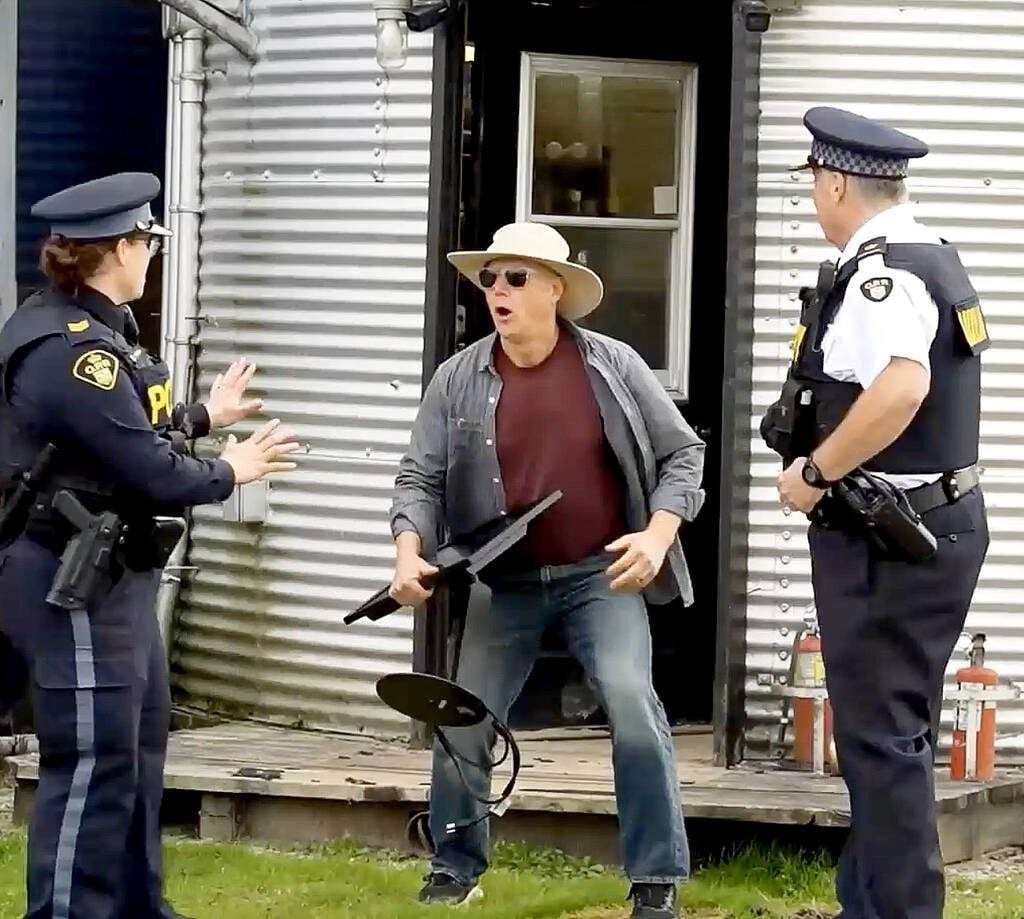
Hull said OPP auxiliary officers offer a Safeguard Program evaluation, which helps people strengthen home and farm security, with supporting information offered online through the police service’s website.
Install deadbolts with four long screws in the strike plate, lock all windows, and use security film on windows where tools and equipment are stored. These upgrades help block visual access and secure storage areas, making targeting your farm more difficult for thieves.
Hull advised maintaining a list of valuables and property, such as tools, laptops, machinery, and vehicles, including make, model, value, description, serial numbers, and photographs for proof of ownership. He also recommended marking items for identification, which can help if serial numbers are altered.
Many rural properties are set back from the road, and landscaping, although beautiful, can create sight barriers that shield criminal activity, which is where a combination of access control, territorial reinforcement, and target hardening becomes essential.
This includes installing gates, motion-sensor lights and high-quality video surveillance, securing buildings, vehicles, and machinery, or even something as simple as having a dog.
Entrance gates aren’t necessarily practical for all working farms, Hull noted, but they can act as visual deterrents — like a dog’s bark — by creating a psychological barrier that signals heightened security and warns off thieves.
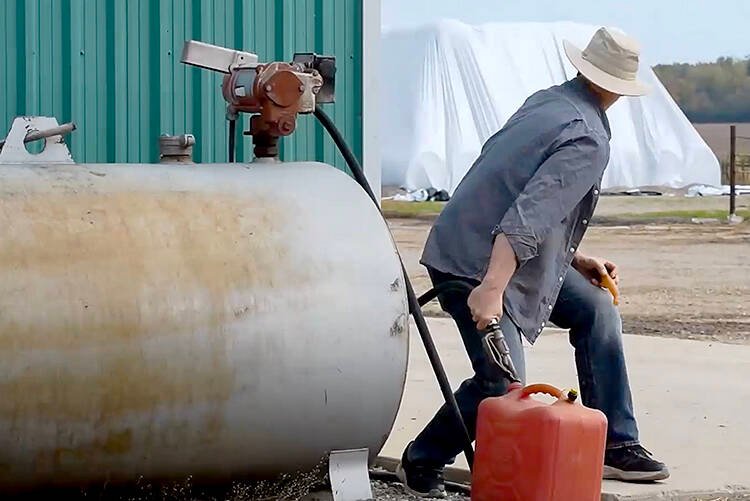
A big target is fuel, and during busy seasons like planting or harvest, it isn’t unusual to see a higher volume of vehicles moving in and out of a farm, said Hull.
Hull acknowledged that locking items may be inconvenient during busy seasons but emphasized that the additional minute required can help protect against theft.
Vehicle theft
Stolen vehicles, especially farm vehicles at the edge of a field with easily accessible keys, can significantly impact the community and police services, explained Johnson. She said the drivers may be unlicensed, dealing with substance issues, and unconcerned with road safety, putting everyone — your family, the school bus, and the fuel or milk tanker — at risk.
“Oftentimes, they’re driving the vehicle while high or impaired on substances, whether it’s drugs or alcohol, or both,” said Johnson. “People don’t think about the draw on resources.”
Initially, a multi-pronged approach is required: police seek the stolen vehicle, someone collects statements and evidence, footage is requested and reviewed, a be-on-the-lookout alert is issued, and social media posts solicit tips.
Even if the vehicle owner chases the thief with a secondary truck, emergency services will order them to disengage to prevent crashes, as it’s riskier than calling it in, said Johnson.
If a crash occurs, emergency services like fire, ambulance, and possibly the K9 unit respond. This could lead to another vehicle being stolen or set on fire to destroy evidence. If recovered, it’s important to cancel alerts, report the vehicle’s found status, and gather evidence, since most stolen vehicles are linked to other crimes, she said.
“We’re having to dedicate all this time and manpower to this investigation, all because the keys were left in the vehicle,” Johnson stated, advising developing safer, less obvious options, like using truck apps to remotely lock, unlock, or disable the vehicle when connectivity is reliable.
Brighten up
Installing motion lights in high-target areas provides another layer of protection, especially when combined with surveillance cameras.
Hull mentioned there are several inexpensive, easy-to-install, very bright LED motion lights, including solar-powered options that eliminate electricity and wiring costs, which instantly attract attention — a factor thieves usually avoid.
Johnson said today’s affordable, high-quality video surveillance is a valuable CPTED tool: it can quickly deter or help arrest thieves, and clear footage is strong evidence in court, often more reliable than eyewitnesses.
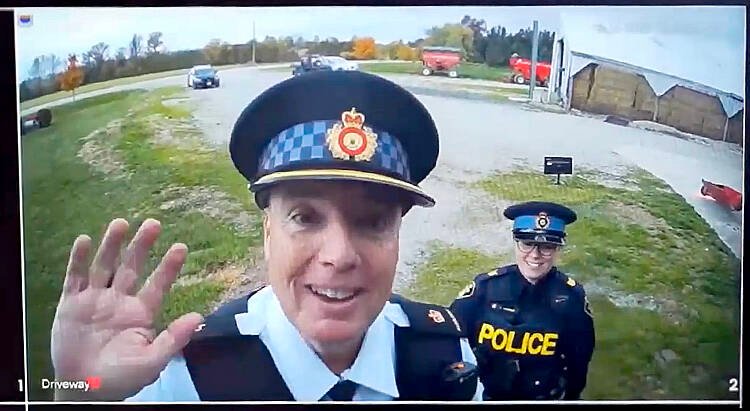
She suggests installing multi-camera units that provide wide coverage, especially at entrance points like doors and windows, the back of buildings, and areas where machinery is stored, or oversight is limited and encourages those with surveillance systems to join CAMsafe.
The private, secure database allows rural residents and farmers to register outdoor security cameras and designate contacts for police to connect with. It does not provide live access.
Johnson uses a time-is-of-the-essence example: a child going missing. Instead of going door-to-door, police can use the database to quickly reach out and ask “John Doe” to check his surveillance video, and while he does, police are phoning the next person to ask the same thing.
“If they find something, then they might provide that footage to us. Hopefully, they would, if something serious had happened in their area,” she said. “When time really does matter, that makes a big difference.”
The post Crime proof your farm by design appeared first on Farmtario.


