
Scientists, researchers and stakeholders from around the world gathered in Manchester over the last week for the 12th Plenary session of the Intergovernmental Science-Policy Platform on Biodiversity and Ecosystem Services (IPBES).
During the session from 3-9 February, more than 150 member governments approved the landmark Business and Biodiversity Report. The report concludes that businesses are pivotal to halting and reversing biodiversity loss, yet insufficient information about their impacts, dependencies, risks continues to hinder progress.
Developed over three years by 79 experts from 35 countries and regions, the report brings together perspectives from science, the private sector and Indigenous Peoples and local communities. It underscores that global economic growth has come at the significant ecological cost, creating systemic risks to the economy, financial stability and human wellbeing.
In 2023, public and private financial flows harming nature were estimated at $7.3 trillion. By contrast, just $220 billion was directed toward biodiversity conservation and restoration.
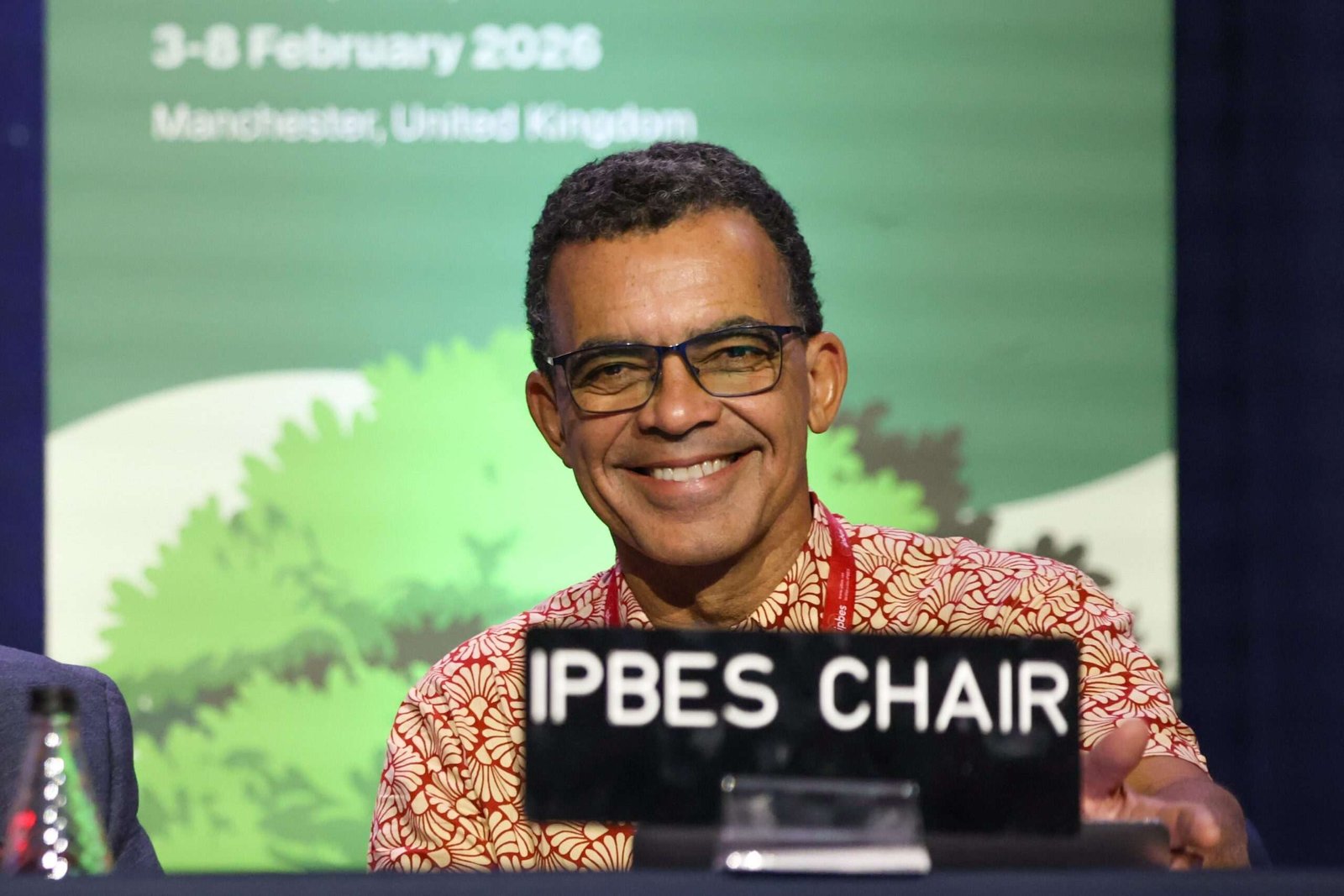
Dr. David Obura, Chair of IPBES and member of the Earth Commission, highlighted the urgency of the assessment:
“This first-ever fast-track IPBES Assessment Report was delivered with urgency as we begin the second half of this decade, at the request of our Governments, as a vital contribution to efforts by businesses, governments, financial actors and the whole of society to meet the goals and targets of the Global Biodiversity Framework, the Sustainable Development Goals and the Paris Agreement on Climate Change. It relates very directly to Target 15 of the Global Biodiversity Framework, which focuses on businesses, but ultimately to all our shared global goals because businesses are at the center of how our economies, and large parts of our society, depend on and impact nature.”
The Future Earth delegation attending the Plenary will soon share reflections, offering personal insights and perspectives from the session.


