
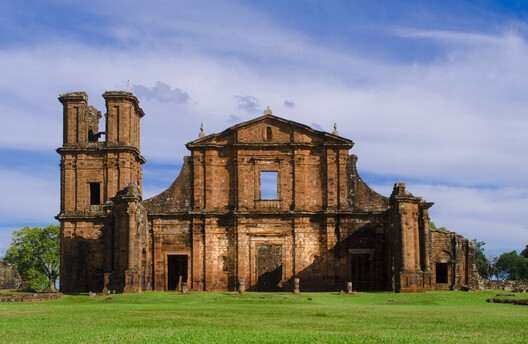
Ruins of São Miguel das Missões – Rio Grande do Sul – Brazil. Image © wikimedia commons by Dicklyon licensed under the Creative Commons Attribution-Share Alike 4.0 International license.
When we enter a museum, walk through a historic center, or review a country’s list of protected heritage sites, we rarely think about the process behind those choices. Who decided, on behalf of all of us, that certain objects, places, and architectures deserved to be preserved and disseminated, while others were discarded?
In most cases, the power of decision lies with specialized professionals—historians, museologists, architects, geographers. But on what basis are these decisions made? Can the complexity of history be reduced to a checklist? Or, more fundamentally, which version of history underlies these choices?


