
By bringing soil, feed and animal performance data into one place, Quebec farmer Maxime Leduc believes he can help livestock producers tackle one of agriculture’s toughest challenges: reducing enteric methane emissions without sacrificing profitability.
Leduc is the founder of Mon Système Fourrager (My Forage System), a digital decision-support platform built specifically for forage-based livestock operations. He’s currently one of 10 semi-finalists in Agriculture and Agri-Food Canada’s Agricultural Methane Reduction Challenge.
WHY IT MATTERS: There is currently little to no good quality field-level data Canadian farmers need to identify problem areas, calculate production costs or assess impacts of best management practices for forage crops.
Finalists will be selected this spring, with up to two winners to be announced in 2028, who will each receive up to $1 million to scale their solutions.
Leduc, a sheep and beef farmer with a PhD in animal science from Université Laval who completed post-graduate work with McGill and Lactanet, kept running into the same issue: farmers are being encouraged to adopt best management practices for forages, but few had the data needed to know whether those changes actually worked.
“Forage systems are long-term systems,” he said.
“If you make a mistake in seeding, you might not see the impact for a long time. If you choose the wrong bull, it’s two years before you fully understand the outcome.”
That makes it harder to connect management decisions to results — and even harder to justify change. The core problem, Leduc said, is data.
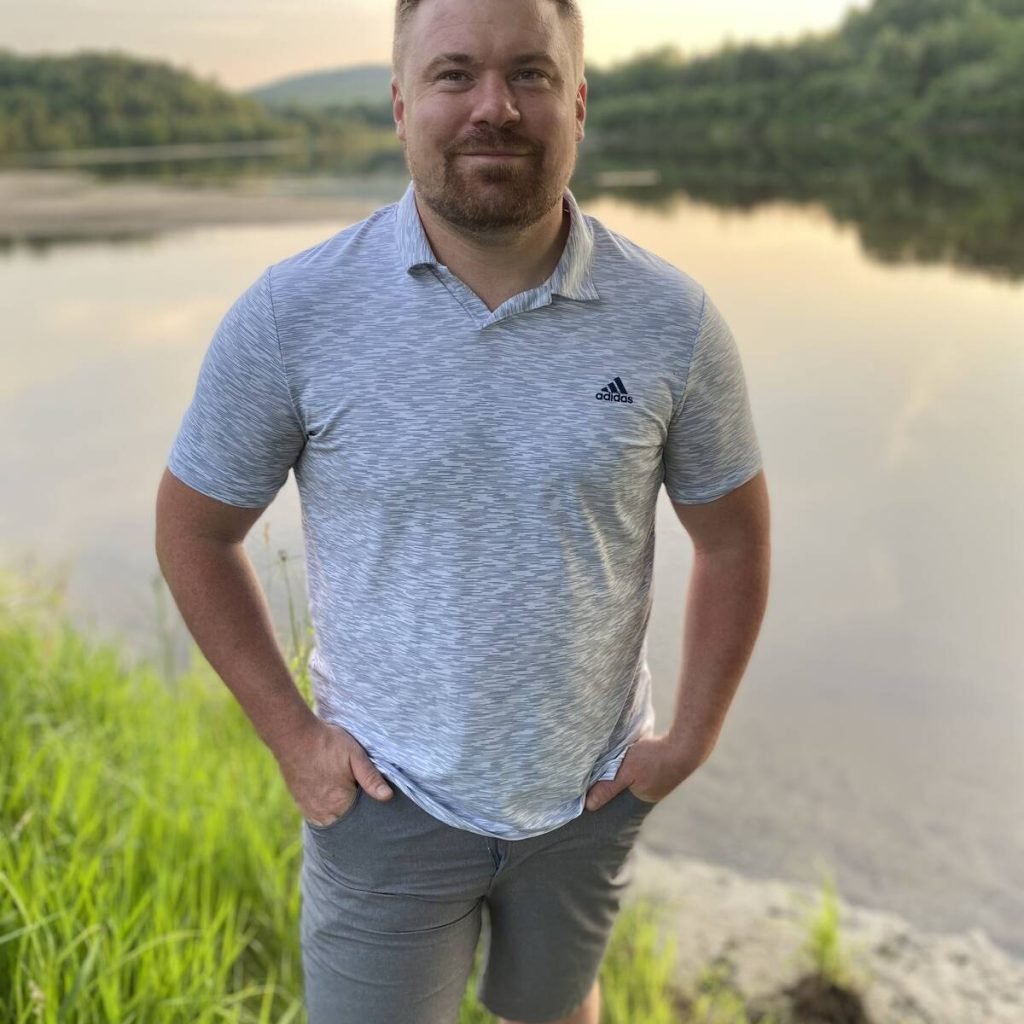
“In forage systems, data is not collected in a standardized way. Producers want answers right away. But to get analytics, you need data — and in forage, that takes time,” he said, adding this gap limits progress not only on productivity, but also on greenhouse gas reductions.
Enter Mon Système Fourrager, an integrated platform that connects data “from soil to animal,” letting users log and import field management data, harvest information, forage and silage analyses, and observations such as winter survival or stand density.
Leduc also acquired and is modernizing EweManage, a sheep and goat management software program, and is developing Agri-Doc, a module for agronomists to easily log information during farm visits, generate reports required for provincial support programs and transcribe voice notes directly into structured records. The goal is to make data capture faster and less burdensome.
“Data collection is like accounting,” said Leduc.
“Rationally, it’s good. Emotionally, it’s boring.”
He is also experimenting with mobile chatbot interfaces that will allow producers to ask questions and receive insights based on their own Excel-based records.
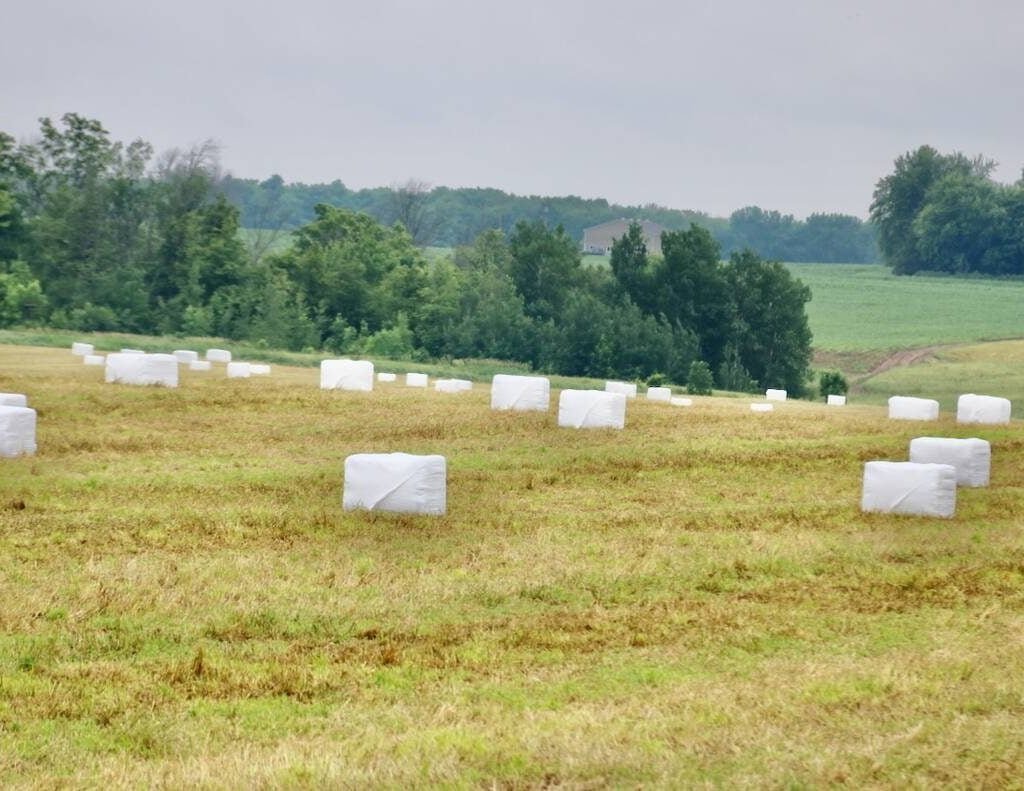
According to Leduc, helping producers measure yields, track forage analyses and link feed quality to animal performance will support more precise feeding strategies that can improve digestibility, reduce methane intensity and increase overall farm efficiency.
Leduc emphasized that practices that reduce emissions often also improve profitability — but only if producers can see and measure the impact.
“You need to recognize you have a problem, know the possible solutions, evaluate them and then monitor the results,” he said.
“Without data, you can’t do that.”
Rather than marketing directly to individual producers one by one, Leduc is focusing on partnerships with forage labs and agronomists who already need to collect and interpret data. If advisers adopt the platform, producers are more likely to follow.
He currently has a few hundred users of his technologies, mostly in Quebec, where he works closely with a network of producers, agronomists, agricultural organizations like the Canadian Forage and Grassland Association, and forage labs.
Next milestones include launching the agronomists’ tool and hopefully advancing to the final round of the methane challenge, which would provide an additional grant of up to $500,000 to support further development and testing of his system. He’s also received funding from Investissement Quebec.
His longer-term vision is straightforward: keep the business viable and help producers become more profitable while reducing their environmental footprint. The forage sector’s future depends on closing the data gap, he says.
“The answer lies in accessing and leveraging the data producers already collect, but don’t use fully,” he said.
The post Closing the forage data gap: innovation aims to cut methane and boost margins appeared first on Farmtario.


