Researchers have developed a method using bacteria and food waste to produce chemicals, potentially replacing an industrial process that currently relies on fossil fuels and generates significant greenhouse gas emissions.
Industrial hydrogenation, used to make plastics, medicines and food products, typically draws hydrogen from coal or natural gas. The process releases between 15 and 20 kilograms of greenhouse gas for every kilogram of hydrogen produced.
A team led by the Wallace Lab at the University of Edinburgh found a cleaner approach by harnessing E. coli’s natural ability to produce hydrogen during fermentation. The bacteria break down sugars to create energy without oxygen, releasing hydrogen gas in the process.
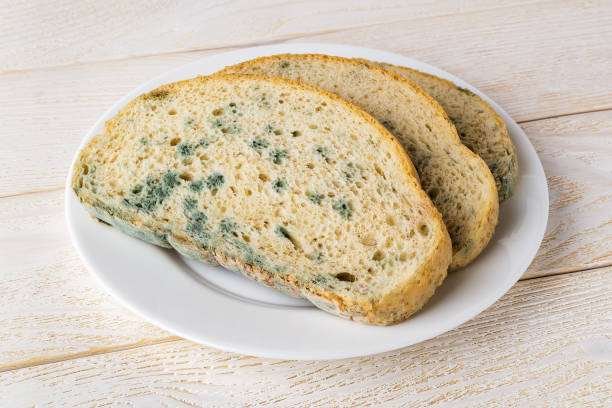
The researchers fed the bacteria simple sugars or stale bread, then added a palladium catalyst that binds to the bacterial cell membrane. The catalyst uses the hydrogen released by E. coli to add hydrogen atoms to other molecules, transforming them into ingredients for medicines, perfumes and other products.
When the team used waste naan bread as feedstock, the bacteria produced enough hydrogen to drive reactions at nearly 99 percent efficiency in some cases. The experiments created several valuable compounds, including adipic acid for nylon production, behenic acid for cosmetics and hair conditioners, and raspberry ketone, a flavor compound.
Because the system runs on waste at near-ambient temperatures, it could cut pollution substantially. A life cycle assessment found the technology could be carbon negative under some conditions, meaning it removes and stores more carbon than it releases.
The research, published in Nature Chemistry, demonstrates how food waste can serve as raw material for high-value chemicals, potentially helping the chemical industry reduce its dependence on fossil fuels.
The post Scientists harness E. coli to create green chemicals from food waste appeared first on World Bio Market Insights.