Italian biomaterials company Vegea has expanded production capacity for GrapeSkin, its bio-based material made from wine industry waste, as it celebrates its 10th anniversary.
The expansion includes upgraded production lines and new manufacturing units for fashion-grade and interior-grade applications. This will increase volume, speed up sampling timelines and improve delivery reliability for design teams.
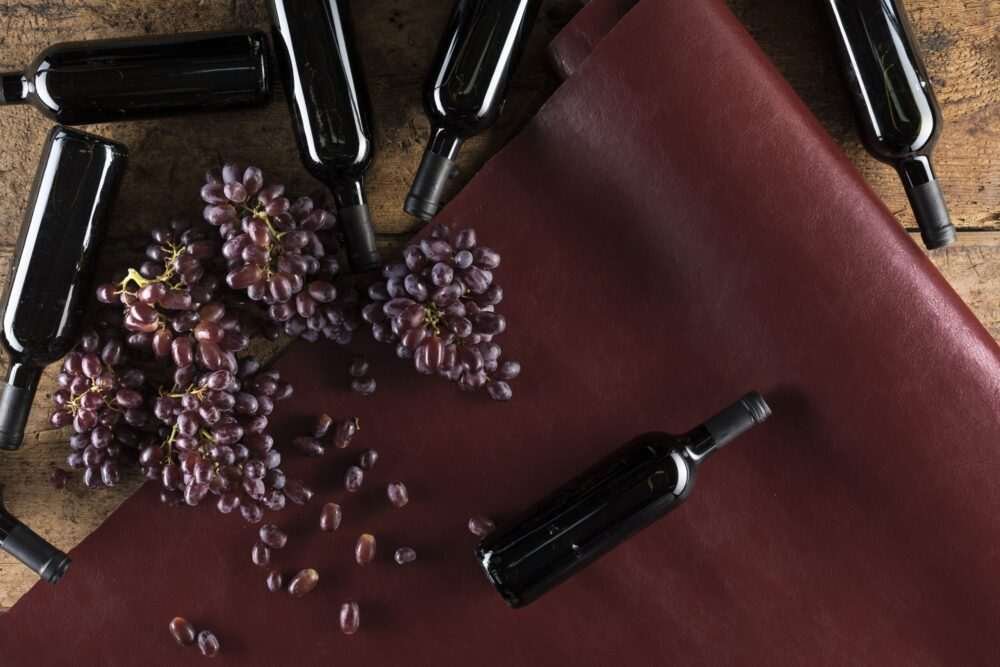
GrapeSkin is made from grape marc: the skins, seeds, stems and pulp left over from winemaking. The material consists of approximately 55 percent grape waste, combined with vegetable oils, natural fibers and water-based polyurethane applied to recycled polyester or cotton fabric.
It mimics leather in appearance, feel and durability but is entirely plant-based. The material is used in fashion accessories, shoes, handbags, clothing, interiors and automotive applications as an animal-free alternative to conventional leather and plastics.
Brands including Calvin Klein, Diadora, and Bentley have already adopted GrapeSkin in their projects and collections.
“Designers need reliable access to innovative materials,” said Francesco Merlino, founder of Vegea. “Our expanded production supports creative timelines with consistency and quality.”
The expansion maintains material quality while scaling capacity. Appearance, texture and performance remain consistent with full bio content.
For luxury brands, the increased capacity ensures scalable delivery of premium bio-based materials that meet sustainability requirements without compromising craftsmanship or design flexibility.
Founded in 2016, Vegea converts agricultural waste into high-quality material alternatives. Through GrapeSkin, the company integrates agriculture, chemistry and textile production in a circular model with a reduced environmental footprint.
The post Vegea scales up biomaterial made from grape waste appeared first on World Bio Market Insights.