
At Rancho Juntos in South Texas, rancher James Clement is demonstrating how well-managed cattle can help restore grasslands while strengthening the long-term future of ranching. Through adaptive grazing, Clement is rebuilding soil health, increasing ground cover, and storing carbon in the soil profile.
On Rancho Juntos, the difference between degraded land and healthy grassland is easy to see. Bare soil absorbs heat quickly and supports little biological activity. Areas with living plants and trampled grass cover stay cooler and retain more moisture.
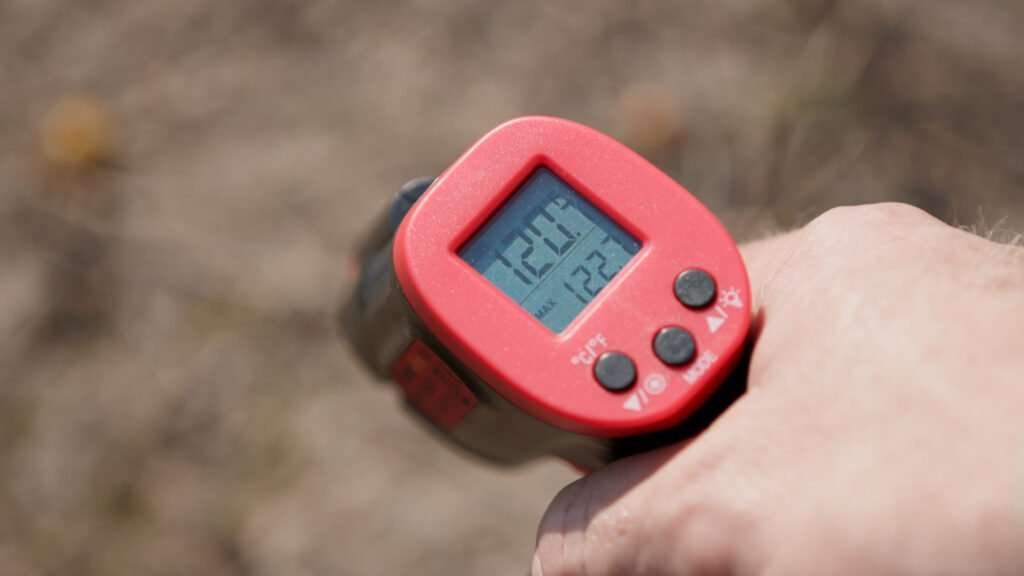
Field measurements show bare ground reaching temperatures of 120F, while nearby covered soil remains dramatically cooler. Ground cover protects the soil surface, supports root growth, and creates the conditions for biological activity to return.
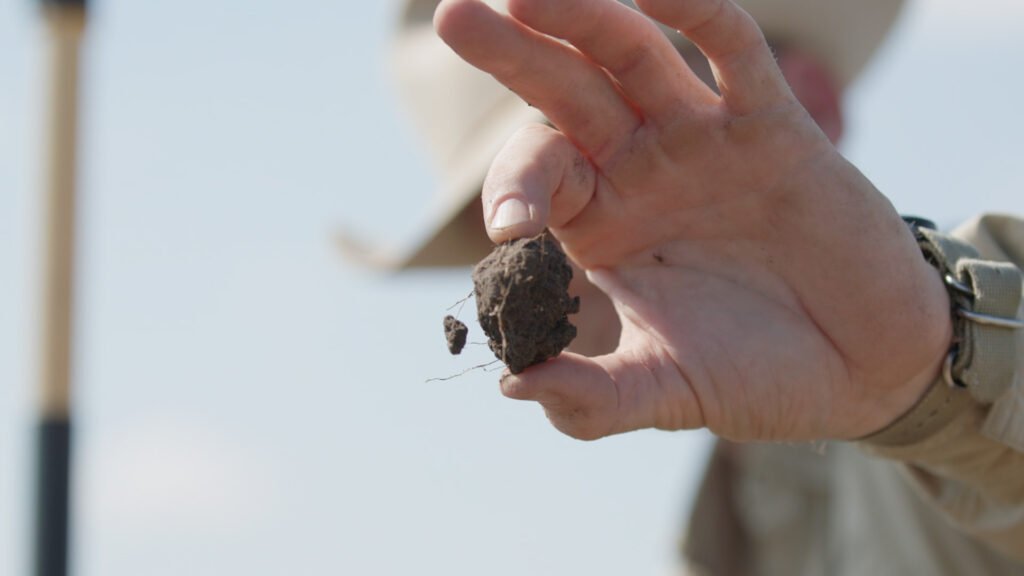
Rebuilding Soil from the Surface Down
Adaptive grazing helps recreate the ecological processes that shaped grasslands for generations. As cattle move across the land, grazing pressure, hoof impact, and manure distribution stimulate plant growth and cycle nutrients back into the soil.
Over time, grasses recover, root systems deepen, and soil structure begins to rebuild. Healthier soil forms stable aggregates that improve water infiltration and allow carbon to accumulate deeper in the soil profile.
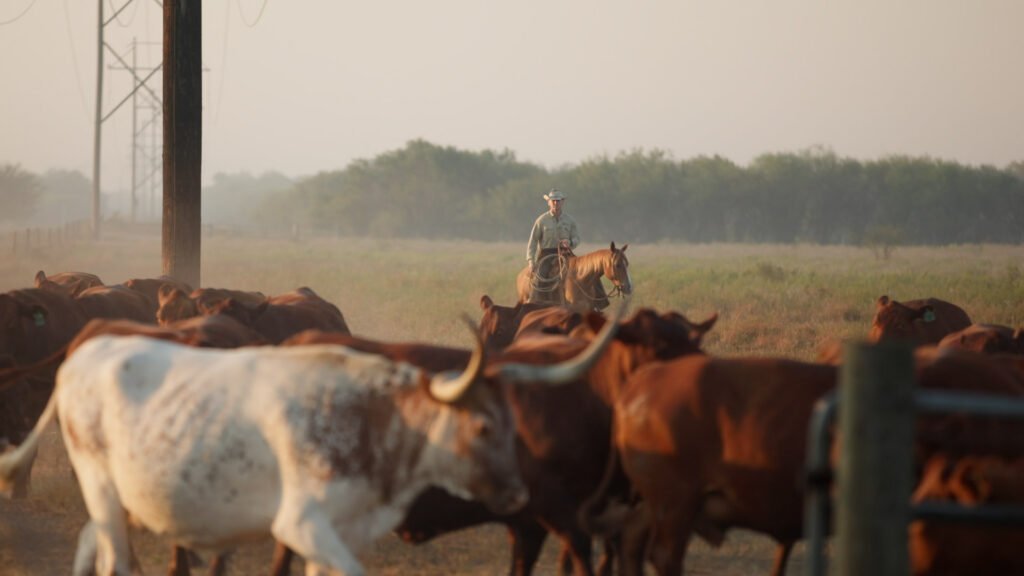
“We spend a lot of money and technology as ranchers trying to replicate what a cow does anyways,” Clement says. “Cows are our primary goal to achieve our results.”
Carbon Beneath our Feet
As plant cover increases and roots expand below the surface, carbon moves into the soil where it supports structure and biological activity. These changes strengthen the land’s ability to absorb rainfall, support wildlife habitat, and remain productive during periods of drought.
Soil carbon measurements help track this progress and demonstrate how improved grazing management can generate measurable outcomes.
Stewardship That Scales
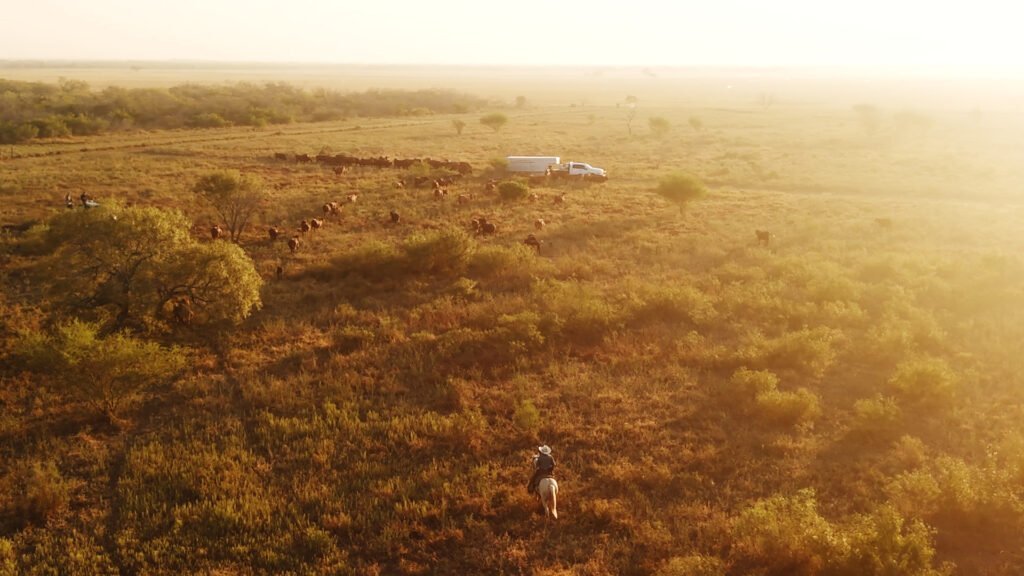
Across the United States, more than 600 million acres of grasslands are actively grazed. When ranchers adopt practices that restore soil function and build carbon, the impact can extend far beyond individual ranches.
At Rancho Juntos, the work continues pasture by pasture. Cattle move across the land, grasses respond, and the soil slowly rebuilds its structure and function. The results show how regenerative grazing can strengthen working landscapes while restoring the ecosystems that depend on them.
For more videos from the Rooted in Change series, head over to the videos page to watch the latest as they premiere. You can also stay up-to-date and subscribe for upcoming releases on our Youtube channel.
The post Leading with Livestock at Rancho Juntos appeared first on Grassroots Carbon.


