
There’s something irresistibly enchanting about stepping into a space that feels hidden from the world. A secret garden is more than just a collection of plants, it’s a private sanctuary, a quiet retreat, and a place where nature and emotion blend beautifully. Tucked behind hedges, hidden beyond winding paths, or concealed within small backyard corners, these magical spaces invite curiosity and spark a sense of wonder.
The beauty of creating a secret garden lies in its mystery. Every corner holds a surprise. Every detail tells a story. And just when it feels like everything has been discovered… another hidden element appears. Ready to uncover the charm? Let’s step inside.
Hidden Entryways That Spark Curiosity
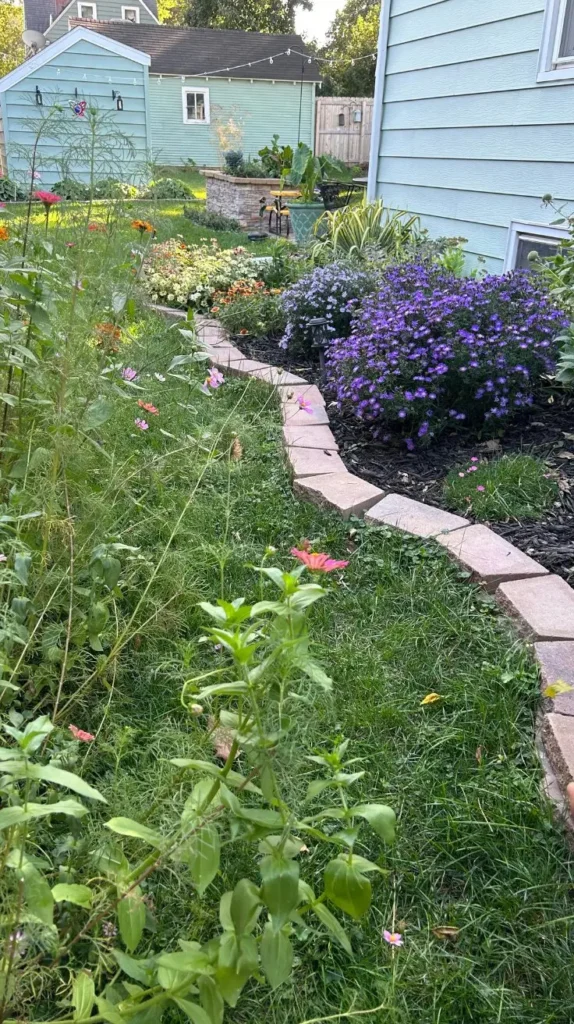
A truly captivating space always begins with a sense of mystery, and that feeling starts right at the entrance. Instead of a wide, obvious opening, a concealed entryway builds anticipation and draws people in naturally. A narrow wooden gate covered in climbing vines, a curved arch wrapped in blooming roses, or even a path partially hidden by tall grasses can create that magical first impression. The idea is to make visitors pause, look closer, and feel invited into something special.
The entrance should feel like a transition between two worlds. Outside, everything may feel ordinary and busy. But stepping through that hidden doorway brings a shift; suddenly, the air feels softer, the sounds quieter, and the surroundings more peaceful. This emotional contrast is what makes the experience unforgettable.
Adding small details like hanging lanterns, textured stone pathways, or fragrant plants enhances the moment even more. The goal is not just to enter a garden, but to step into a private retreat that feels personal and enchanting. And once inside, curiosity only grows stronger.
Enchanting Garden Pathways That Lead the Way
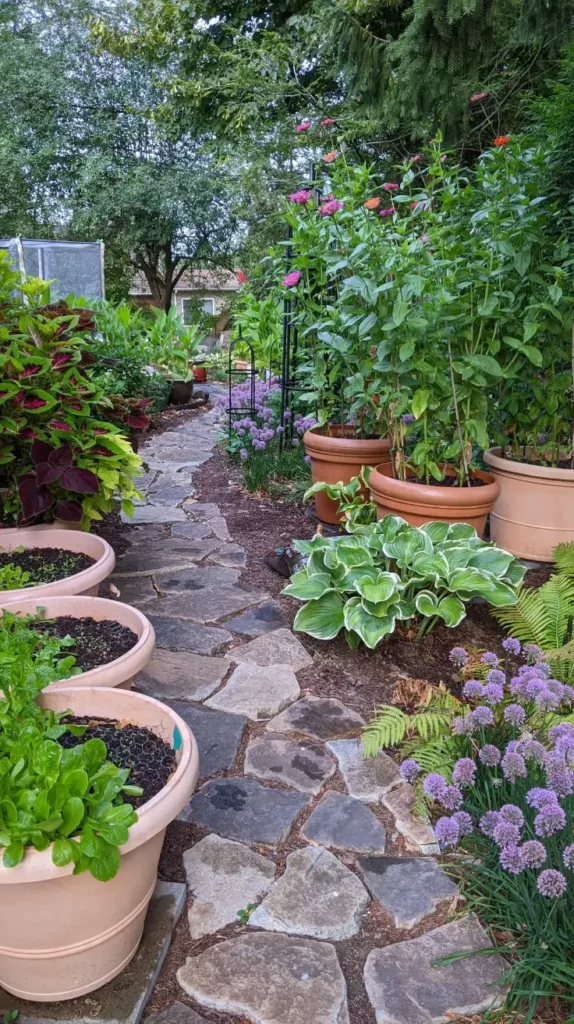
Pathways are more than just ways to move through a space, they shape the entire experience. Straight, predictable paths can feel ordinary, but winding, curved pathways create intrigue and encourage exploration. Each turn offers a new view, a new texture, or a hidden feature waiting to be discovered.
Using natural materials like stone, gravel, or wood helps the path blend seamlessly into its surroundings. Moss growing between stepping stones or soft plants spilling over the edges adds a relaxed, organic feel. These details make the path feel alive rather than structured.
A well-designed pathway also controls the pace. It gently slows movement, allowing time to notice the small details, the rustling leaves, the scent of flowers, or the play of light and shadow. This slow journey makes the garden feel larger and more immersive.
Lighting along the path can enhance the experience during the evening, creating a soft glow that guides the way without overpowering the natural beauty. And as each turn reveals something new, the sense of discovery continues to build.
Lush Green Walls for Privacy and Mystery
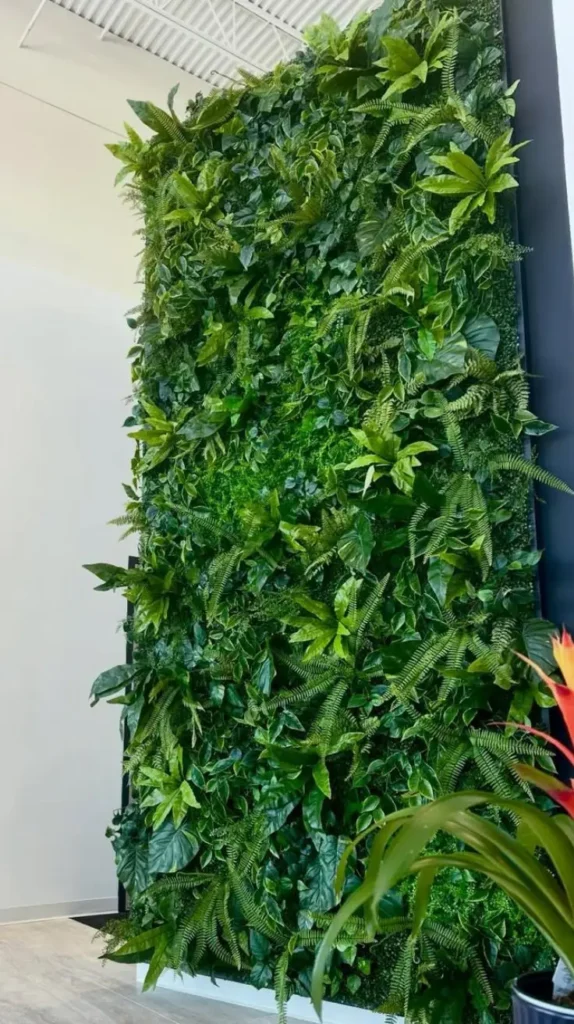
One of the most important elements in creating a secluded outdoor retreat is the feeling of being enclosed. Green walls formed by dense plants, hedges, or climbing vines provide both privacy and a sense of escape. They block out distractions and create a peaceful environment where everything feels calm and contained.
Tall hedges or layered plantings can act as natural barriers, while climbing plants can soften fences and walls. This combination creates depth and texture, making the space feel rich and full. The different shades of green add visual interest without overwhelming the senses.
These living walls also help reduce noise, making the area feel quieter and more relaxing. The outside world fades away, replaced by the gentle sounds of nature. This creates a comforting atmosphere that encourages relaxation and reflection.
Adding small openings or hidden gaps in the greenery can create glimpses of what lies beyond, adding to the mystery. These subtle details make the space feel dynamic and intriguing, inviting exploration without revealing everything at once.
Secret Seating Areas for Quiet Moments
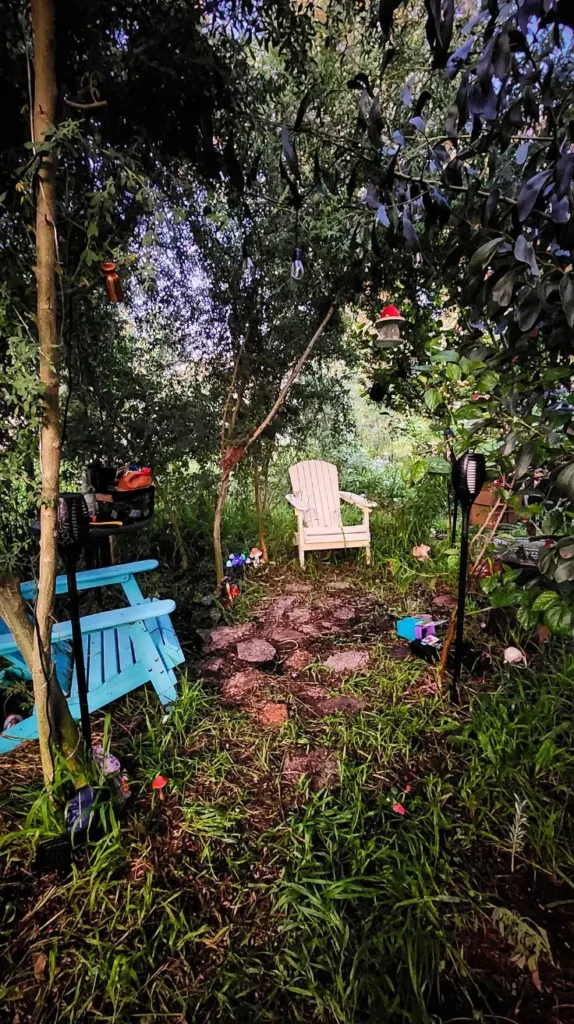
Every peaceful outdoor space needs a place to pause, and hidden seating areas provide the perfect opportunity to rest and reflect. Tucked away behind plants, beneath a tree, or in a quiet corner, these spots offer comfort and privacy.
The seating itself doesn’t need to be elaborate. A simple wooden bench, a stone seat, or even a hammock can create a cozy atmosphere. Adding soft cushions or natural fabrics enhances comfort while keeping the design relaxed and inviting.
Placement is key. The seating should feel slightly hidden but still connected to the surroundings. Being surrounded by greenery creates a sense of safety and calm, making it easier to relax and unwind.
These areas can also be personalized with small details like lanterns, side tables, or decorative elements. This makes them feel like an extension of the home rather than just an outdoor feature. And once settled into these quiet spaces, time seems to slow down. The world feels distant, and the moment becomes the only thing that matters.
Water Features That Whisper Serenity
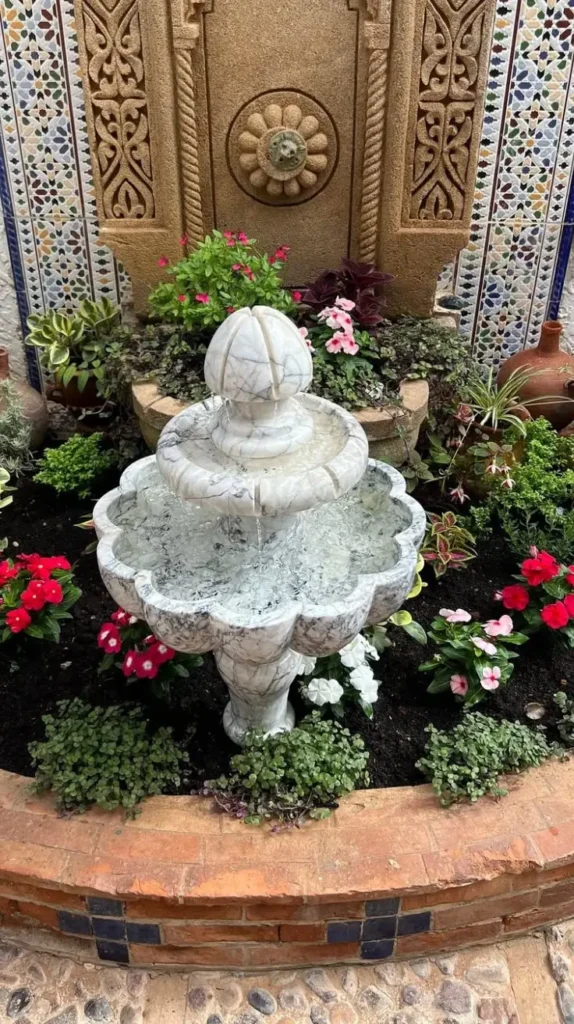
The presence of water changes everything. The moment a gentle trickle or soft ripple enters the space, the entire atmosphere shifts into something calmer, quieter, and more soothing. A thoughtfully placed water feature doesn’t just decorate, it transforms. Whether it’s a small stone fountain, a hidden pond, or a subtle cascading feature, the sound alone creates a natural rhythm that softens the surroundings.
Water has a way of masking unwanted noise, replacing it with a peaceful, continuous flow that feels almost meditative. This makes the environment feel more private, even in a busy area. Placing the feature near a resting spot enhances its calming effect, allowing moments of stillness to feel deeper and more meaningful.
Surrounding the water with greenery, such as ferns, grasses, or soft, flowering plants, helps it blend effortlessly into the landscape. Reflections dancing on the surface during sunrise or evening light add a quiet kind of magic. Over time, the feature becomes more than just a visual element. It becomes the heart of the space, gently anchoring everything around it.
Vibrant Flower Beds That Add Color and Life

Color brings energy, warmth, and personality into the space, and carefully arranged flower beds act as living artwork. A thoughtful mix of shades, soft pastels paired with bold bursts of color, creates balance while keeping the environment visually exciting. Instead of overwhelming the senses, the arrangement should feel natural, as if it has grown into place over time.
Layering plays a key role in achieving this effect. Taller blooms are placed toward the back, and shorter, delicate flowers are placed near the front, creating depth and movement. This layering guides the eye gently across the space, making it feel more expansive and alive.
Seasonal variation adds another dimension. As different plants bloom at different times, the space constantly evolves, offering something new with each visit. This change keeps the environment from feeling static or predictable.
Fragrance enhances the experience even further. A subtle scent carried through the air adds an emotional layer, making the surroundings feel more immersive. These flower beds do more than decorate, they breathe life into every corner.
Vintage Decor That Tells a Story
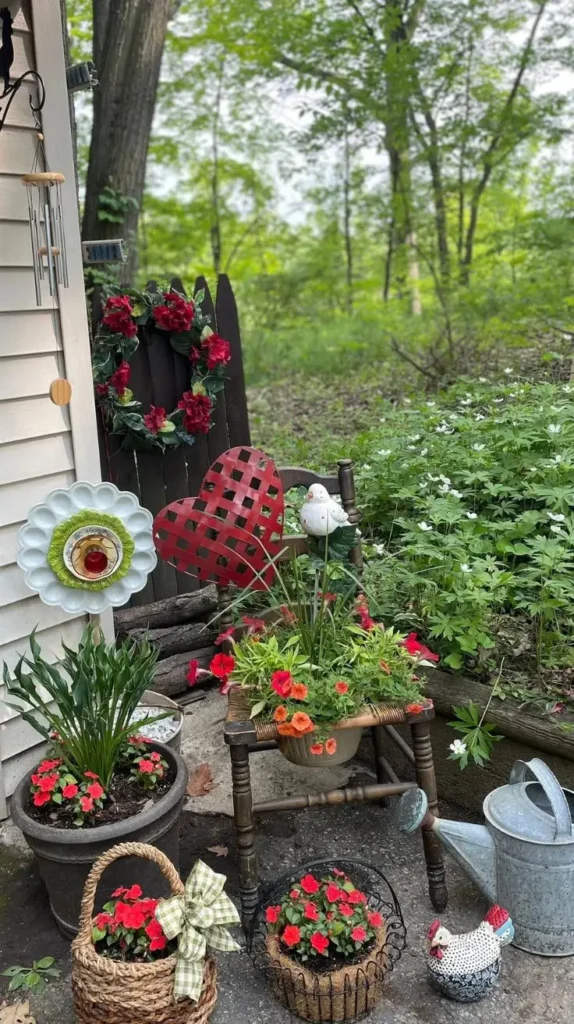
There is something deeply comforting about elements that carry a sense of history. Vintage decor introduces character in a way that feels effortless and authentic. Slightly worn textures, faded finishes, and imperfect details create a charm that modern pieces often lack.
Old lanterns, weathered benches, ceramic pots, or even repurposed tools can become meaningful additions. These items don’t need to match perfectly; in fact, a mix of different styles often feels more natural. Each piece contributes to a layered story, adding depth without overwhelming the space.
Placement matters just as much as the items themselves. Tucking a decorative object among plants or placing it quietly beside a pathway allows it to be discovered gradually. This sense of discovery adds to the overall experience, making the environment feel thoughtful and personal.
Over time, these elements blend seamlessly into their surroundings. They no longer feel like decorations but like part of the environment itself, quietly holding stories that continue to unfold.
Read – Vintage Garden Decor Ideas
Climbing Plants That Create Natural Canopies
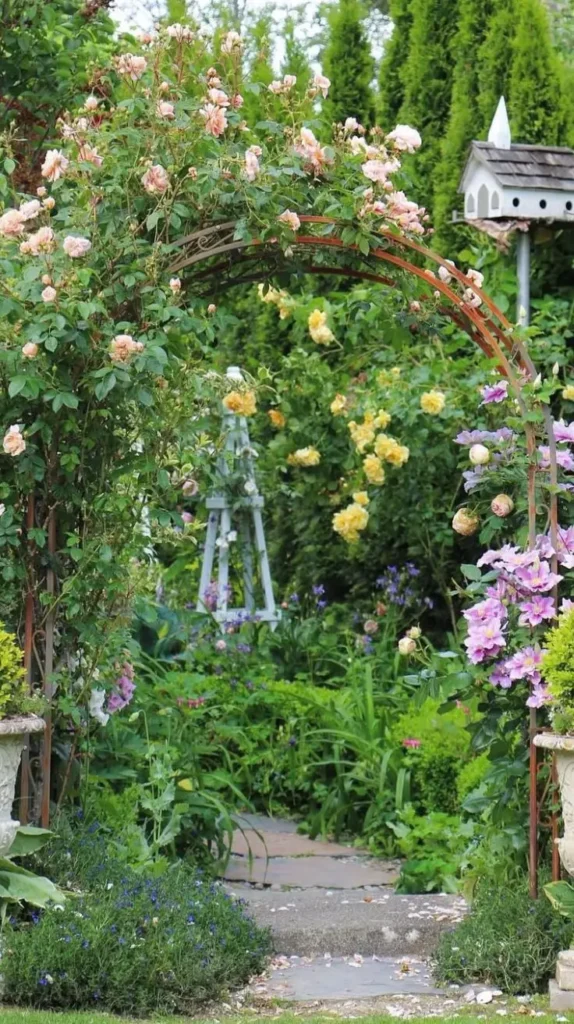
Vertical growth adds a whole new dimension, and climbing plants are one of the most beautiful ways to achieve it. When trained over arches, trellises, or pergolas, they create soft, natural canopies that feel both protective and inviting.
These overhead layers filter sunlight, allowing gentle beams to pass through leaves and flowers. The result is a shifting pattern of light and shadow that changes throughout the day, adding movement and life to the space.
Climbing plants also soften structures that might otherwise feel harsh or out of place. Wooden or metal frames become living features, blending seamlessly into the environment. This integration creates a sense of harmony that makes everything feel connected.
Walking beneath these canopies offers a subtle but powerful experience. It feels like entering a different section, a new chapter within the same space. This layered design keeps the environment engaging, encouraging exploration and quiet moments of discovery.
Soft Lighting for a Magical Evening Glow
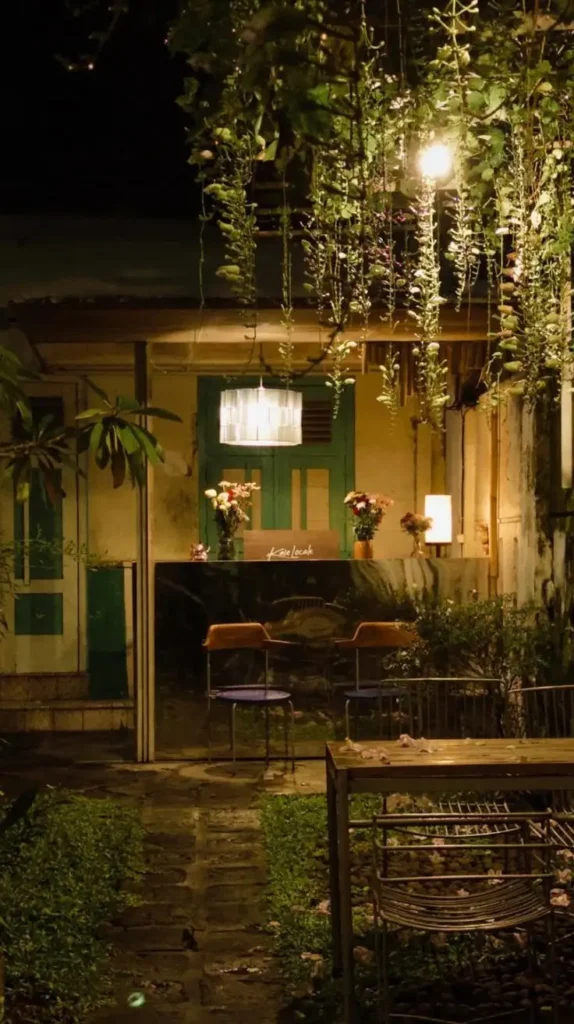
As daylight fades, lighting becomes the element that defines the mood. Soft, warm illumination creates an atmosphere that feels intimate and comforting rather than bright or overwhelming. The goal is to enhance, not overpower.
Small lights placed along pathways guide movement gently, while lanterns or string lights add a soft glow to seating areas and focal points. This layered approach creates depth, allowing different parts of the space to stand out subtly.
Shadows play an important role as well. Instead of eliminating darkness, good lighting embraces it, creating contrast that adds mystery and charm. The gentle flicker of light against leaves or stone surfaces brings a quiet sense of movement.
At night, the environment transforms completely. Familiar features take on a new personality, and the space feels more enclosed, more peaceful. This transformation makes it possible to enjoy the surroundings in a completely different way, extending its beauty beyond the daylight hours.
Hidden Garden Art for Unexpected Surprises
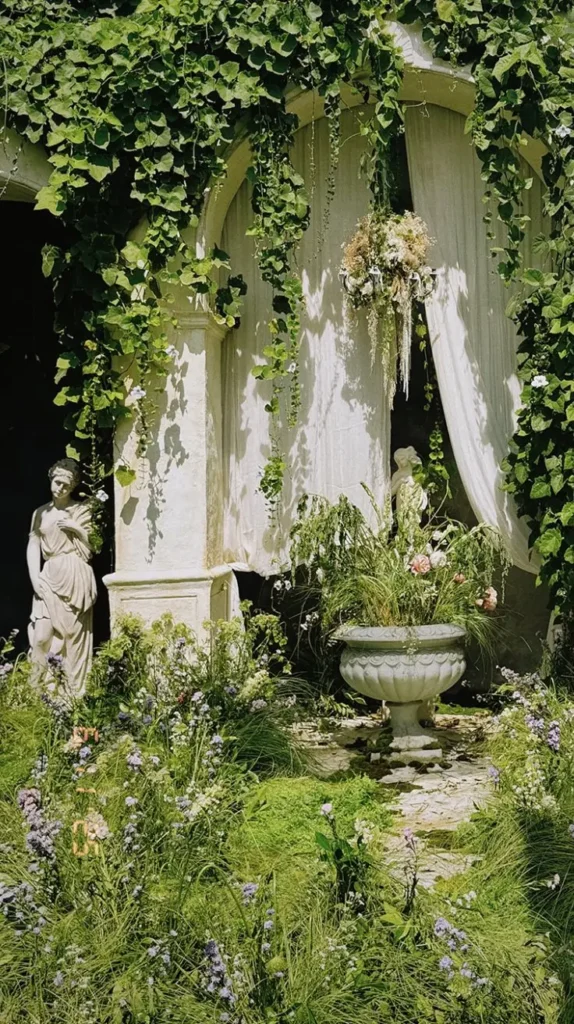
Art has a unique way of transforming any outdoor space, but in a secluded setting, it becomes something far more powerful. Instead of placing decorative pieces in obvious spots, hiding them within the landscape creates a sense of discovery that keeps the experience fresh and exciting. A small sculpture tucked behind leafy plants, a carved stone partially hidden along a pathway, or a subtle handmade ornament placed near a quiet corner can completely change how the space feels.
These artistic elements should not demand attention; they should invite curiosity. The joy comes from noticing them slowly, almost by accident. This creates a personal connection, making each visit feel different as new details come into focus. Over time, these hidden features become part of the environment, blending naturally with the surrounding plants and textures.
What makes this approach truly special is its unpredictability. Even after spending time in the space, there is always the possibility of noticing something new. This continuous sense of discovery keeps the atmosphere engaging and ensures the environment never feels static or fully revealed.
Natural Stone Elements for Rustic Charm
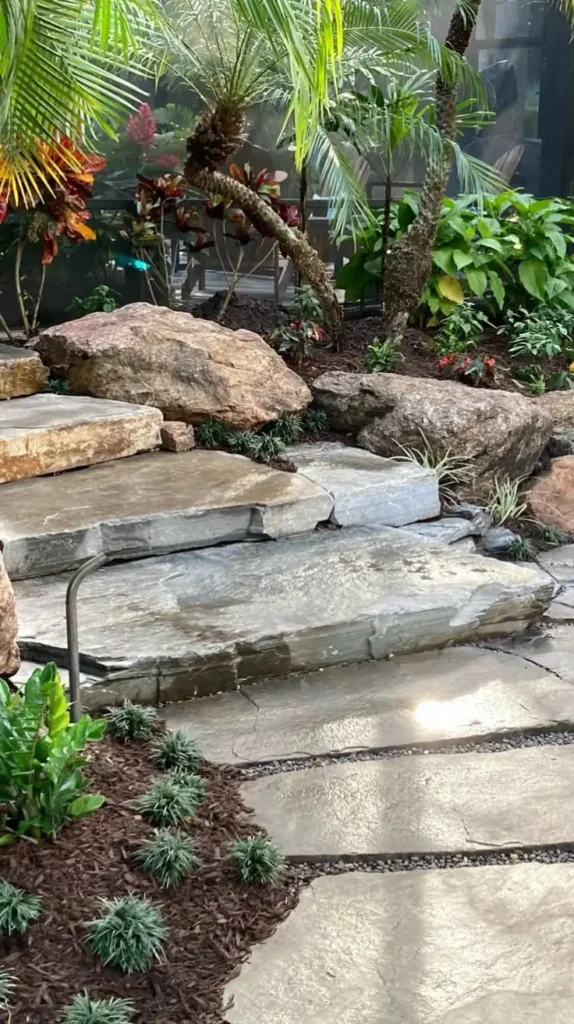
Stone brings a grounding quality that balances the softness of greenery and flowers. Its texture, weight, and natural appearance create a sense of stability that anchors the entire space. Whether used for pathways, low walls, or seating areas, stone adds both visual interest and durability.
Unlike manufactured materials, natural stone blends effortlessly with the environment. Its irregular shapes and subtle color variations make it feel organic, as if it has always belonged there. This helps create a seamless connection between the built elements and the surrounding landscape.
Over time, stone develops character. Exposure to weather, the growth of moss, and slight discoloration enhance its charm rather than diminish it. This aging process adds authenticity, giving the space a timeless feel that evolves naturally.
In addition to its aesthetic value, stone provides structure. It defines areas, guides movement, and creates balance. This combination of beauty and function makes it an essential element in shaping a space that feels both natural and thoughtfully designed.
Fragrant Plants That Awaken the Senses
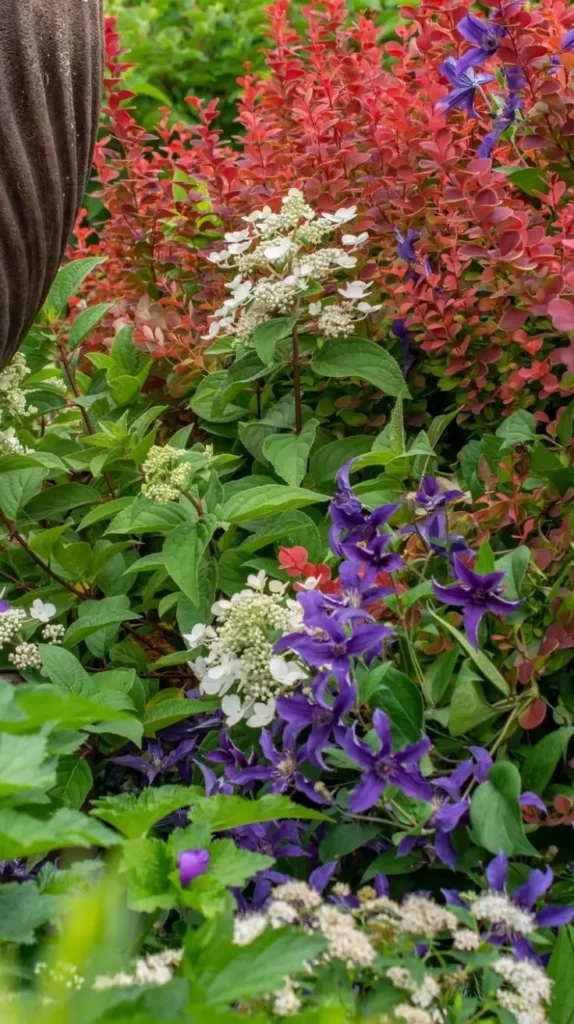
A truly immersive outdoor space engages more than just the eyes, it reaches the senses in subtle and memorable ways. Fragrant plants play a key role in creating this deeper experience. A gentle scent drifting through the air can instantly shift the mood, making the environment feel calm, refreshing, and inviting.
The placement of these plants is just as important as the choice itself. Positioning them near seating areas or along frequently used paths ensures their presence is noticed without becoming overwhelming. This creates moments where the scent appears naturally, enhancing the experience without drawing too much attention.
Different fragrances can evoke different emotions. Soft floral scents create a sense of relaxation, while fresh, herbal aromas can feel energizing and uplifting. Combining a variety of scents adds depth, allowing the environment to feel layered and dynamic.
Over time, these subtle fragrances become part of the identity of the space. They create lasting impressions that linger in memory, making each visit feel familiar, comforting, and deeply connected to the surroundings.
Wildlife-Friendly Features for a Living Garden
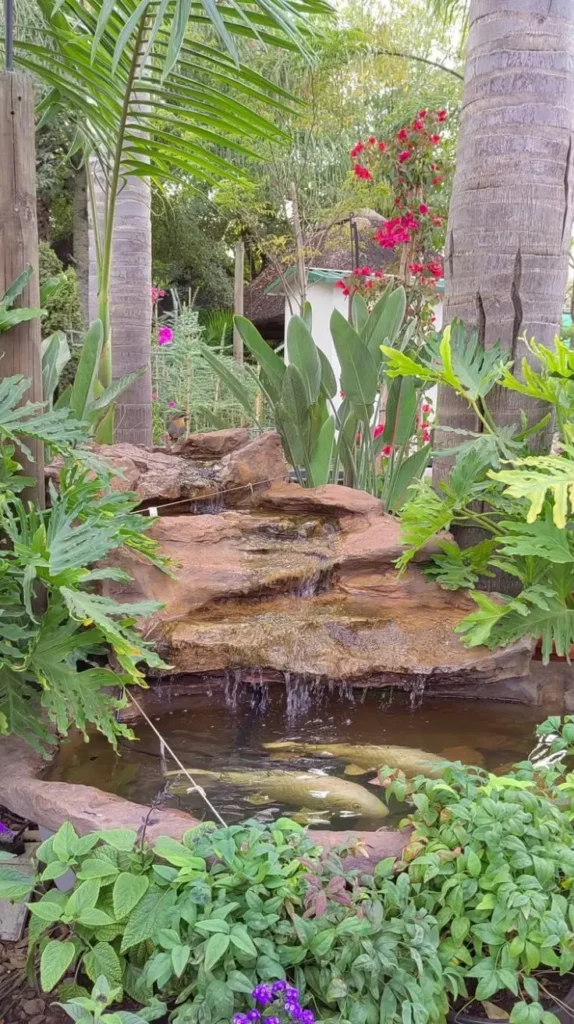
An outdoor space becomes truly alive when it welcomes nature in its most active form. Birds, butterflies, and other small creatures add movement, sound, and unpredictability that transform the environment into something dynamic and ever-changing.
Creating a wildlife-friendly setting doesn’t require complex additions. Simple features such as shallow water sources, flowering plants, or small sheltered areas can naturally attract different species. These elements provide the essentials, food, water, and safety, encouraging wildlife to visit and stay.
The presence of these creatures brings a unique sense of connection. Watching a bird land near a water feature or seeing butterflies move gently between flowers creates moments of quiet wonder. These interactions make the space feel more engaging and meaningful.
This living aspect ensures that no two visits feel the same. The environment evolves not only through design but through the natural rhythms of life, adding depth and energy that cannot be replicated by static elements alone.
Seasonal Touches That Keep It Fresh
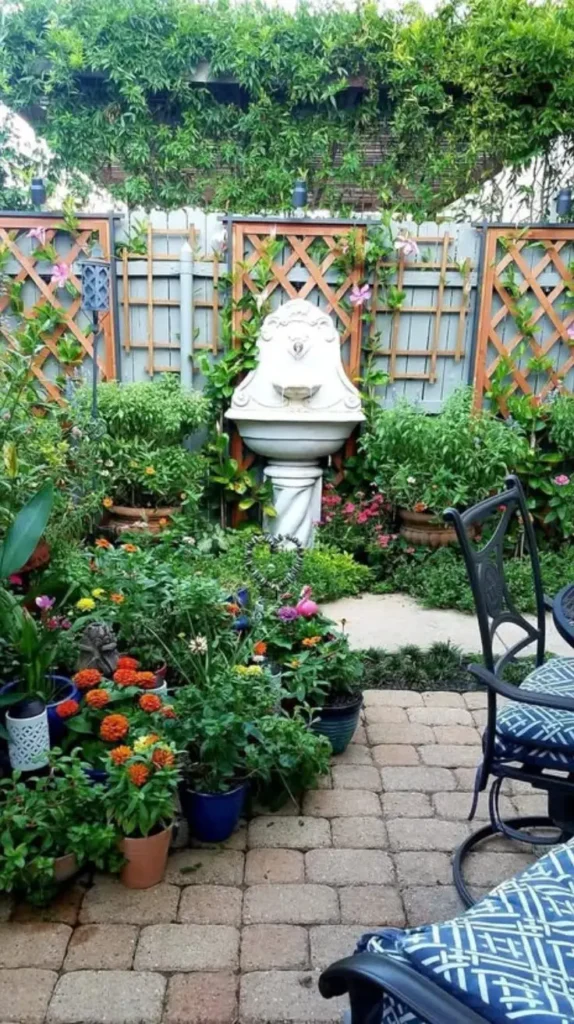
One of the most beautiful aspects of a well-designed outdoor space is its ability to change with time. Each season brings its own colors, textures, and atmosphere, creating a continuous cycle of transformation that keeps the environment feeling fresh and exciting.
In warmer months, the space may feel lush and full, with vibrant colors and active growth. As the seasons shift, softer tones and subtle textures take over, creating a more relaxed and reflective mood. This natural progression adds depth, making the environment feel alive and responsive.
Incorporating seasonal elements enhances this effect. Changing plants, adjusting small decorative details, or simply allowing nature to take its course ensures that the space never feels static. There is always something new to notice, whether it’s a fresh bloom, a change in light, or a shift in color.
This constant evolution keeps the experience engaging. It invites repeated visits and offers something different each time, turning the space into an ongoing journey rather than a fixed design.
Personal Touches That Make It Truly Yours
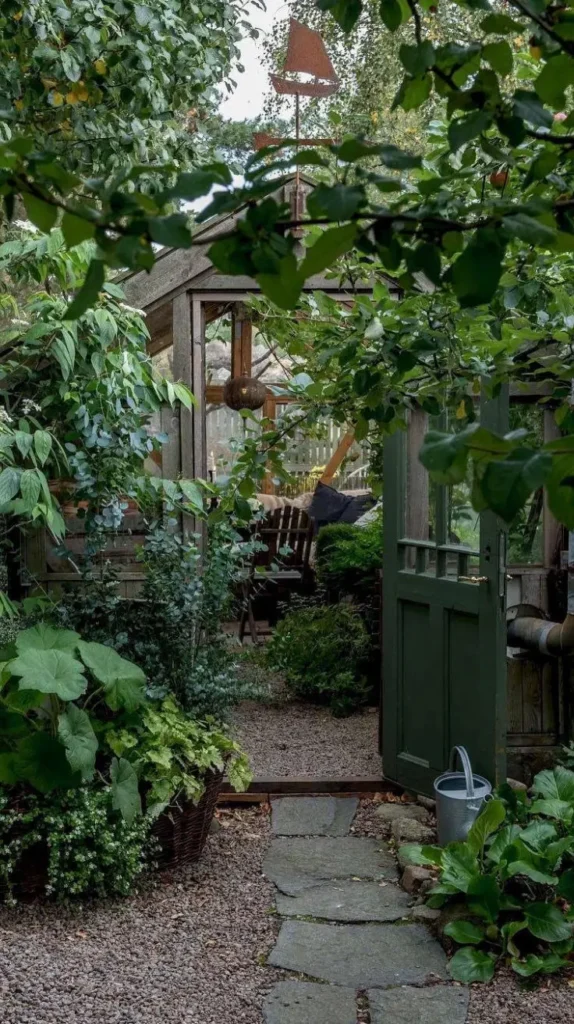
What truly sets a space apart is the presence of personal meaning. Beyond design and structure, it is the small, thoughtful details that create a deep emotional connection. These personal touches transform the environment into something unique and irreplaceable.
Incorporating meaningful elements, such as handmade items, favorite plants, or objects with sentimental value, adds a layer of individuality that cannot be duplicated. These details reflect personal experiences and preferences, making the space feel authentic and lived-in.
Over time, these elements evolve. New additions are introduced, older ones shift or change, and the environment grows alongside personal experiences. This ongoing process keeps the space dynamic, ensuring it never feels complete or static.
The result is more than just a visually appealing setting. It becomes a place of comfort, reflection, and connection, a space that feels deeply personal and continuously evolving. And with every visit, it reveals something new, strengthening that connection even further.


