

Introduction
Every year, thousands of Vermonters take to the roads, parks, and public spaces with one simple goal: pick up trash and leave their communities better than they found them.
What started as a one-day cleanup effort has become one of the most successful environmental initiatives in the country—and a powerful model for how communities can take action on waste..
What Is Green Up Day
Green Up Day is a statewide volunteer event held annually on the first Saturday in May in Vermont.
Residents collect litter using designated green bags and leave them roadside for organized pickup.
It is the largest single-day volunteer event in the state and a model for community-driven environmental action.
The Opportunity Beyond Cleanup
Green Up Day proves something important:
People are willing to participate.
But it also reveals a gap—without proper infrastructure, litter returns.
This is where long-term waste and recycling systems become critical.
The Role of Waste Infrastructure in Parks and Public Spaces
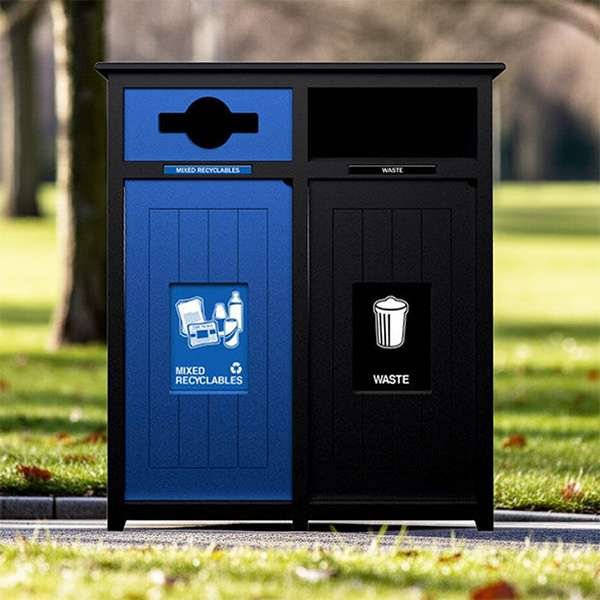
Parks, trails, and roadside areas are some of the most common locations for litter accumulation. These environments require durable, intuitive systems that make proper disposal easy.
Recycle Away supports these environments with purpose-built solutions like:
- Park recycling bins and containers designed for playgrounds, trails, and recreation areas
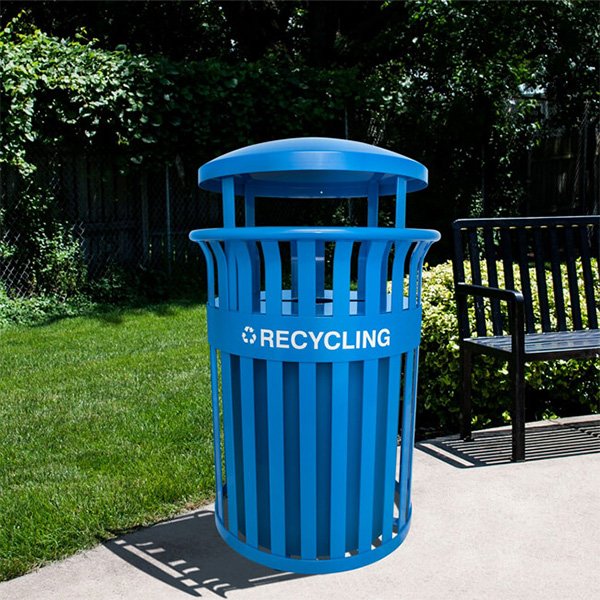
- Outdoor recycling bins built with weather-resistant materials and clear labeling for high-traffic environments
- Streetscape recycling containers that integrate into urban and community settings while maintaining durability
These systems help communities move from reactive cleanup to proactive waste prevention.
Event Waste: The Missing Link in Community Cleanups
Events often generate a significant portion of public space waste.
Festivals, community gatherings, and even Green Up Day itself can benefit from temporary or permanent waste systems.
Recommended Event Solutions
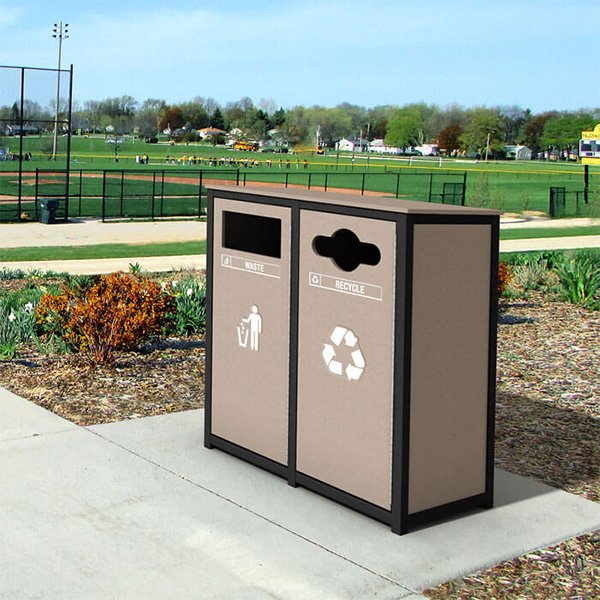
- Outdoor recycling stations that support both landfill and recycling streams in one location
- Multi-stream bins for sorting bottles, cans, and waste
- Portable stations for flexible placement at events and gatherings
These systems are designed for high-volume environments like parks, stadiums, and public events, making them ideal for community initiatives.
From Cleanup to Prevention: A Better Model
Green Up Day removes hundreds of tons of waste annually, but prevention requires infrastructure.
Communities that invest in:
- Permanent park recycling systems
- Event-based recycling stations
- Consistent signage and placement
…will see long-term reductions in litter and improved diversion rates.
Recycle Away specializes in custom, durable, and highly visible recycling systems that support these outcomes across parks, campuses, and public spaces.
How to Build a Green Up Program With Long-Term Impact
Step 1: Run the Cleanup Event
Mobilize your community with a simple, one-day initiative.
Step 2: Analyze the Waste
Identify what types of waste are most common and where they occur.
Step 3: Install Infrastructure
Use solutions like:
- Park recycling bins for trails and open spaces
- Outdoor stations for high-traffic areas
- Event recycling systems for gatherings
Step 4: Standardize and Educate
Consistent bins and signage create long-term behavior change.
Conclusion
Green Up Day is one of the most powerful examples of community action in the U.S.
It demonstrates that:
- People care
- Participation scales
- Impact is measurable
But the future is not just about cleaning up waste.
It is about designing systems that prevent it.
By combining the energy of Green Up Day with the right recycling infrastructure, communities can turn one day of action into year-round environmental progress.
Design and Plan Green up Day in your Town
Articles of interest:
- Create Your Own Green Up Day
- Vermont Receives Grant to Support Clean Energy and Food Scrap Recycling
- Vermont Pioneers New Composting Laws
- Vermont Making Big Steps Toward Reducing Carbon Footprint
FAQ: Parks, Events, & Community Cleanup


