
BTG Pactual Timberland Investment Group (BTG Pactual TIG) announced that its Latin American Reforestation Strategy raised $1.24 billion in commitments from global investors. The company said this is the largest reforestation fund closed to date. This shows how forest restoration is becoming a major part of climate finance.
ezstandalone.cmd.push(function () { ezstandalone.showAds(119); });
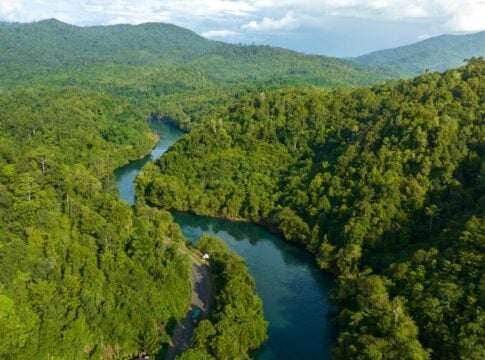
The strategy focuses on restoring degraded land across Latin America while also developing sustainable commercial forestry. The project targets around 660,000 acres of land, mainly in Brazil and other parts of the region.
Mark Wishnie, chief sustainability officer at BTG TIG, remarked:
“General progress has continued. These are very long-term commitments, and the shifts in sort of policy and politics in one place or another, particularly for companies or investors that have global footprints, those long-term plans have to take some of that volatility in policy environments into account.”
ezstandalone.cmd.push(function () { ezstandalone.showAds(127); });
The fund comes at a time when governments and investors are spending more on nature-based climate solutions. Reforestation is becoming an important tool for carbon removal, biodiversity protection, and long-term emissions reduction.
Millions of Trees, Thousands of Acres: Inside the Latin America Push
Roughly half of the land will be conserved or restored as native forest and habitat. The other half will be used for certified commercial tree farms.
ezstandalone.cmd.push(function () { ezstandalone.showAds(128); });
The reforestation strategy is already active on the ground. According to BTG Pactual TIG, around 29 million trees have already been planted across more than 64,000 acres in Brazil. More than 53,000 acres are under conservation, while restoration work has started on another 50,000 acres of native vegetation.
The company said the strategy has already identified more than 1,000 plant and animal species across project areas. It also reported that over 400 miles of streams are under enhanced protection.
ezstandalone.cmd.push(function () { ezstandalone.showAds(129); });
Much of the activity is concentrated in Brazil’s Cerrado biome, one of the world’s most biodiverse ecosystems. The region is also one of the most threatened by deforestation linked to agriculture and cattle production.
BTG Pactual TIG said the projects are designed to balance commercial forestry with ecosystem restoration. Commercial tree farms can earn timber revenue over time. Restored forests can provide carbon credits and boost biodiversity.
The strategy also aims to support local economies. At full deployment, the projects are expected to create around 2,700 direct and indirect jobs.
ezstandalone.cmd.push(function () { ezstandalone.showAds(130); });
Carbon Markets Under Pressure, But Demand for Forest Credits Keeps Growing
The fundraising milestone comes during a period of increased scrutiny for global carbon markets. Revenues from emissions‑trading systems exceeded $100 billion in 2024 and set a new record in 2025, according to the World Bank and ICAP analyses.
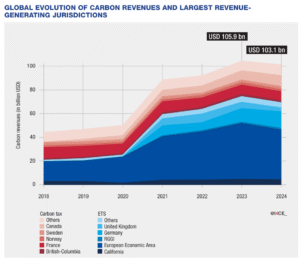
At the same time, buyers are becoming more selective, demanding higher quality and transparency for carbon credit projects. Several markets have slowed due to political uncertainty, energy security concerns, and growing scrutiny over carbon credits.
At the same time, demand for high-quality carbon removal projects continues to grow.
ezstandalone.cmd.push(function () { ezstandalone.showAds(131); });
Large companies are under pressure to reduce emissions and meet net-zero targets. Many companies are now investing in nature-based solutions. For example, reforestation helps them reduce emissions in their operations and supply chains.
Microsoft, for example, agreed in 2024 to purchase 8 million tons of carbon removal credits linked to BTG Pactual TIG’s strategy over time. This reflects a wider market shift. Companies are increasingly looking for long-term carbon removal projects instead of short-term offsets.
The voluntary carbon market (VCM) could still expand significantly over the next decade. Analysts from various climate research groups predict a big rise in carbon credit demand by 2030. This is due to stricter corporate climate rules worldwide.
ezstandalone.cmd.push(function () { ezstandalone.showAds(132); });
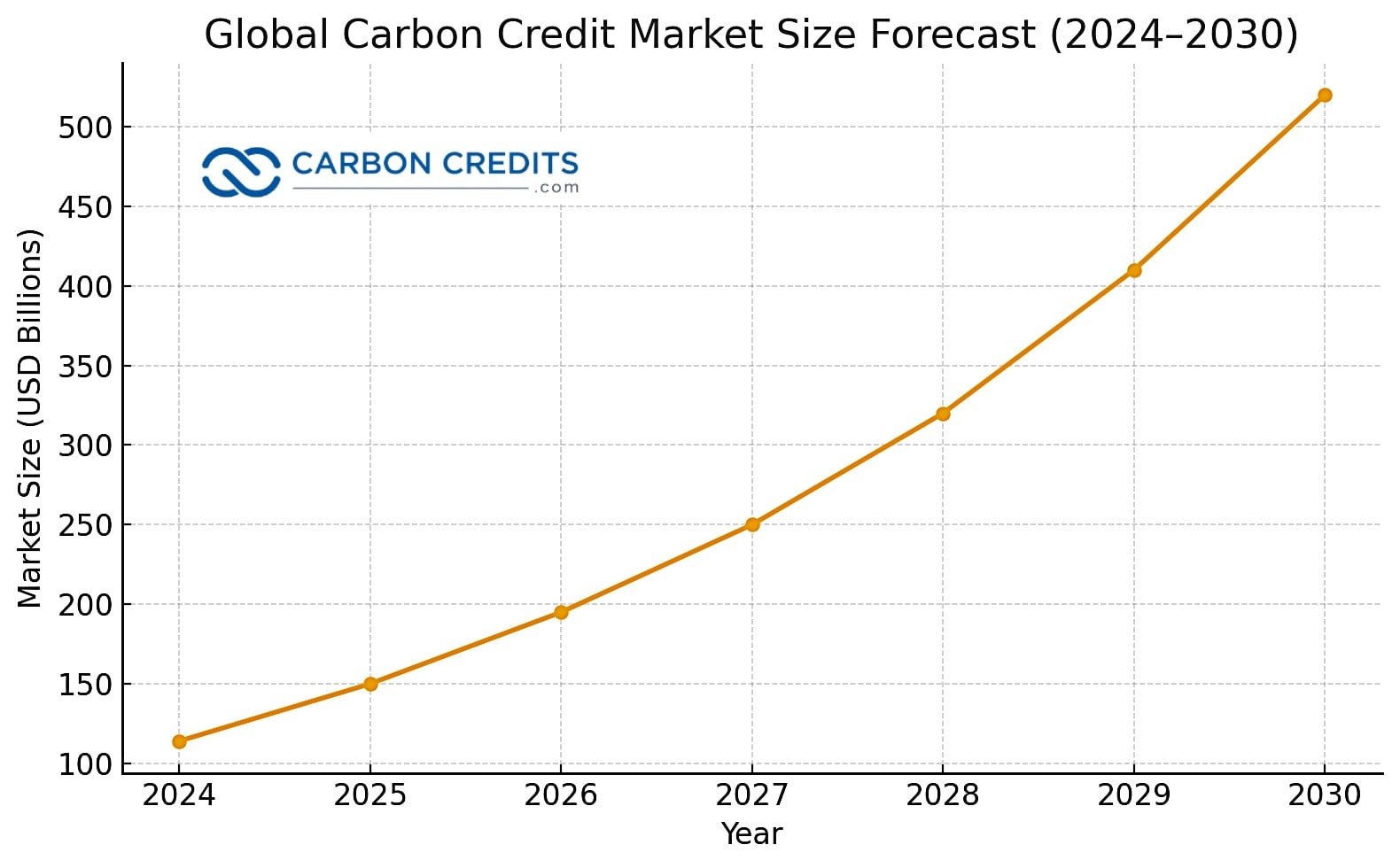
However, investors are becoming more selective. Projects now face stronger demands for transparency, biodiversity protection, and measurable climate impact. This is where nature-based solutions come in.
Why Global Investors Are Pouring Money Into Trees
Institutional investors are increasing exposure to forestry and land restoration assets. BTG Pactual TIG’s investor group includes pension funds, development banks, foundations, insurers, and corporations from several countries.
Participants include:
- International Finance Corporation (IFC),
- Brazil’s development bank BNDES,
- CAF Development Bank of Latin America,
- Dutch development bank FMO,
- Singapore-based GenZero,
- Mining company Vale, and
- Japanese shipping company Mitsui O.S.K. Lines.
ezstandalone.cmd.push(function () { ezstandalone.showAds(133); });
The broad investor base shows that reforestation is now viewed as both an environmental and financial opportunity.
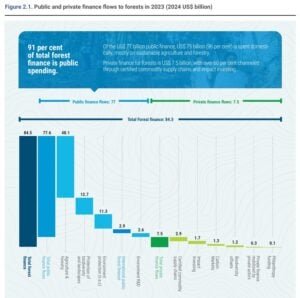
Forestry assets are attracting interest because trees can generate multiple forms of value over time. These include timber production, carbon credits, land appreciation, and biodiversity outcomes.
ezstandalone.cmd.push(function () { ezstandalone.showAds(134); });
Natural climate solutions are also gaining policy support worldwide as forests play a vital role in fighting climate change. Research published in Nature Climate Change estimates they absorb about 7.6 billion metric tons of CO2 each year.
Latin America is key to forest restoration. It has plenty of land, rich biodiversity, and quick tree growth. BTG Pactual TIG said some trees planted in Brazil since 2023 have already reached more than 30 feet tall due to favorable growing conditions.
- SEE MORE: Forest Finance Hits Record Growth in 2025: Investment Doubles for Nature-Based Climate Action
ezstandalone.cmd.push(function () { ezstandalone.showAds(135); });
BTG Pactual Expands ESG and Sustainable Finance Strategy
The reforestation fund is part of BTG Pactual’s broader sustainability strategy.
BTG Pactual is the largest investment bank in Latin America. The company has expanded its sustainable finance and environmental investment activities over the past several years.
Its timberland division manages about $7.5 billion in assets. This includes commitments across roughly 3 million acres in the U.S. and Latin America. The bank signs the UN Principles for Responsible Investment (PRI). It also supports frameworks for nature-related financial disclosures.
ezstandalone.cmd.push(function () { ezstandalone.showAds(136); });
ESG-linked investments are growing in the financial sector. This rise continues even with political debates about sustainability policies in some countries. Banks and asset managers are putting more money into projects for renewable energy, biodiversity, carbon reduction, and climate adaptation.
Nature-based investments are crucial. They tackle several environmental challenges simultaneously. Specifically, reforestation helps with carbon removal, protects water, recovers soil, and restores habitats—all in one project.
Reforestation Becomes a Bigger Part of the Climate Economy
The BTG Pactual TIG fundraising milestone highlights how forests are becoming part of the global climate economy. Governments alone may not have enough funding to restore degraded ecosystems at the scale required. Private capital is increasingly filling that gap.
ezstandalone.cmd.push(function () { ezstandalone.showAds(137); });
Large restoration projects are now being structured more like long-term infrastructure investments. They combine environmental goals with commercial returns from timber, land management, and carbon markets.
Yet momentum continues to build.
As more companies set net-zero goals and biodiversity targets, the demand for big restoration projects will likely rise. Latin America has great growth potential, with its large forest resources and good climate conditions supporting this.
For BTG Pactual TIG, the $1.24 billion close marks more than a fundraising milestone. It shows how reforestation is evolving from a niche environmental effort into a major global investment strategy.
ezstandalone.cmd.push(function () { ezstandalone.showAds(140); });
The post BTG Pactual Closes Record $1.24B Reforestation Fund as Forest Carbon Markets Enter the Big Leagues appeared first on Carbon Credits.


