
A proposed high-density residential development near the Ontario Food Terminal has prompted a provincial Minister’s Zoning Order request.
Why it matters: The Terminal’s critical role in Toronto’s food supply and employment is at stake in the zoning decision.
Fiera Real Estate’s proposed 4,000-unit condo site at 125 The Queensway would border the Terminal’s east side entrance, which was identified as a Provincially-Significant Employment Zone in 2019. The site is also across from the Humber Wastewater Treatment Plant.
In April, the Ministry of Municipal Affairs and Housing received a Minister’s Zoning Order request from the Ontario Food Terminal board seeking to preserve the current general employment areas zoning at 125 The Queensway. The request was supported by the Minister of Agriculture, Food and Agribusiness.
Fiera’s development can’t proceed unless the city and province agree to redesignate the site as mixed-use to allow residential development. In 2023, Fiera made a similar bid, but both governments rejected it, prompting Fiera to file an appeal with the Ontario Land Tribunal in October 2025.
Industry support
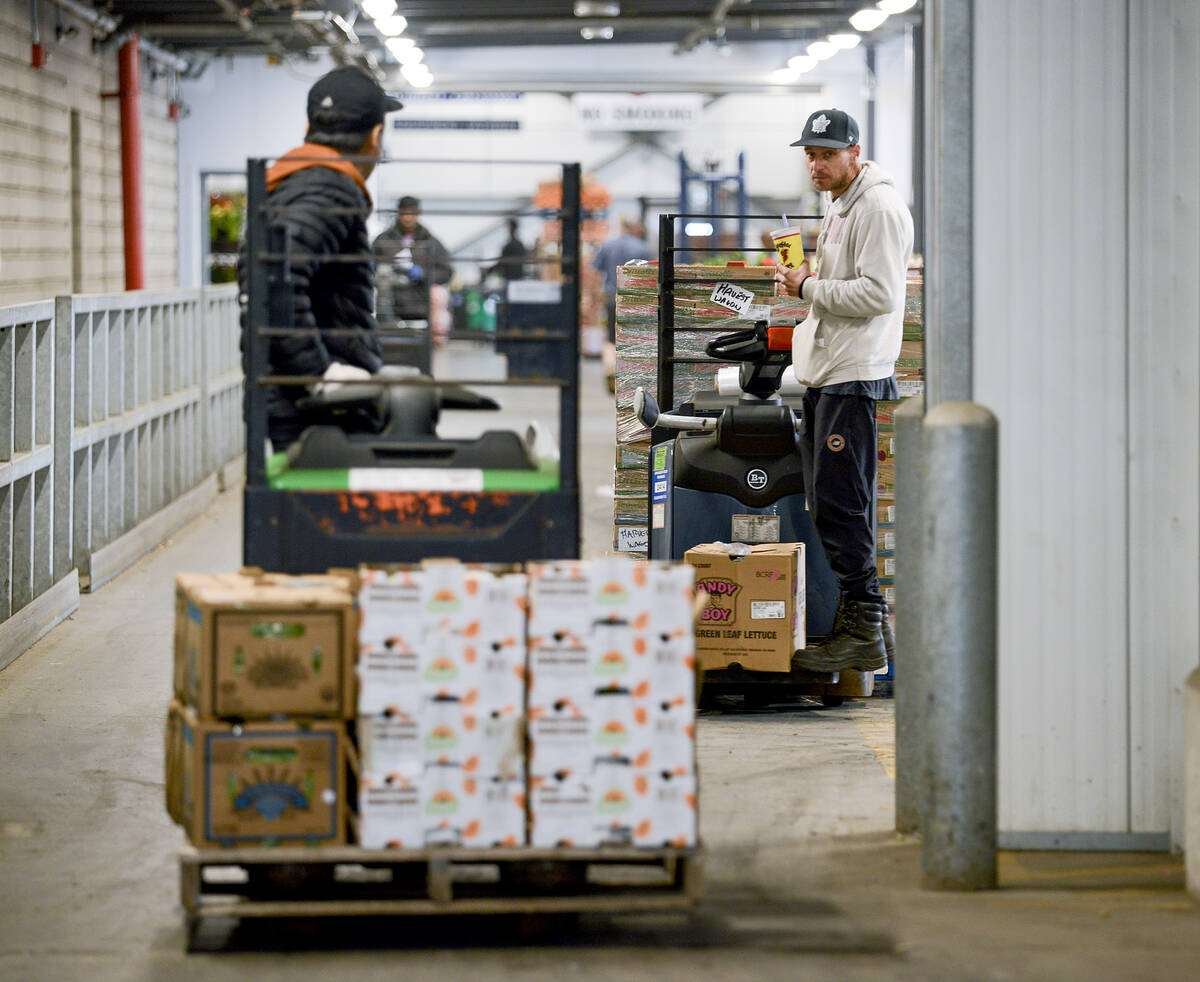
In January, the Ontario Fruit and Vegetable Growers’ Association and the Toronto Wholesale Produce Association sent letters to Toronto’s Planning and Housing Committee. Both organizations commended the committee for rejecting earlier redesignation requests and urged them to maintain that stance.
“This introduction in residential use is not compatible with the early morning noise necessary for movement (of) goods at the Terminal,” wrote Paul Scarafile, then chair of the Toronto Wholesale Produce Association. “As well as the traffic which results from those operations.”
He acknowledged Toronto’s need for affordable housing, but also residents’ need to work and eat, before asking the city to oppose the site owner’s official plan amendment application.
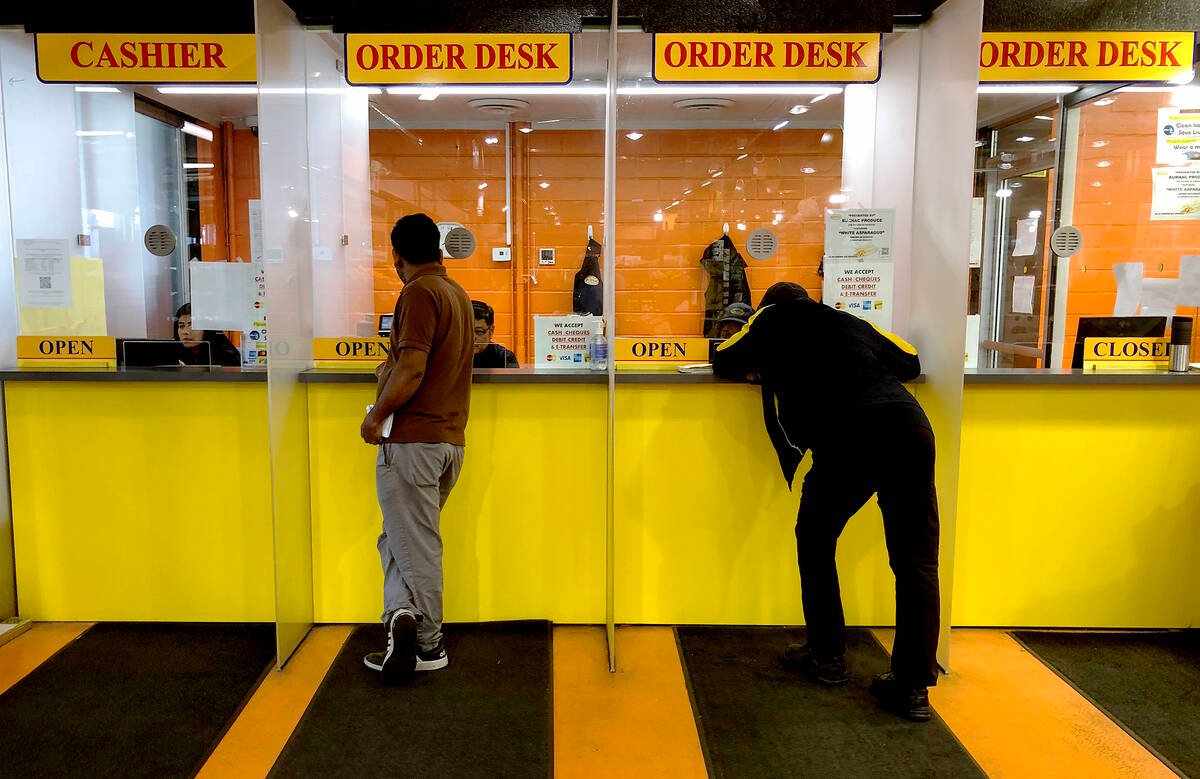
Scarafile told the committee that the Terminal plays a fundamentally important role in food security and equity by working with the Daily Bread Food Bank and Second Harvest.
Food security
Alison Robertson, Ontario Fruit and Vegetable Growers’ Association executive director, wrote that multiple studies, including The Ontario Food Terminal: Supporting Food Access (2022) and Reconsidering the Wholesale Food Market (2025), underscore the Terminal’s irreplaceable role in ensuring Ontarians, especially Torontonians, have daily access to affordable fresh fruit and vegetables.
“The proposed rezoning is inconsistent with Toronto’s planning and food policy commitments,” Robertson wrote, citing the Toronto Food Charter, Poverty Reduction Strategy, Black Food Sovereignty Plan, and C40 Good Food Cities Declaration. “All of which prioritize equitable access to healthy, affordable food.
In a May 6 letter supporting the Minister’s Zoning Order, Ontario Federation of Agriculture president, Drew Spoelstra, wrote that they support the Provincial Planning Statement (2024) policies protecting the agri-food network, including transportation networks and distributors.
Invaluable food hub
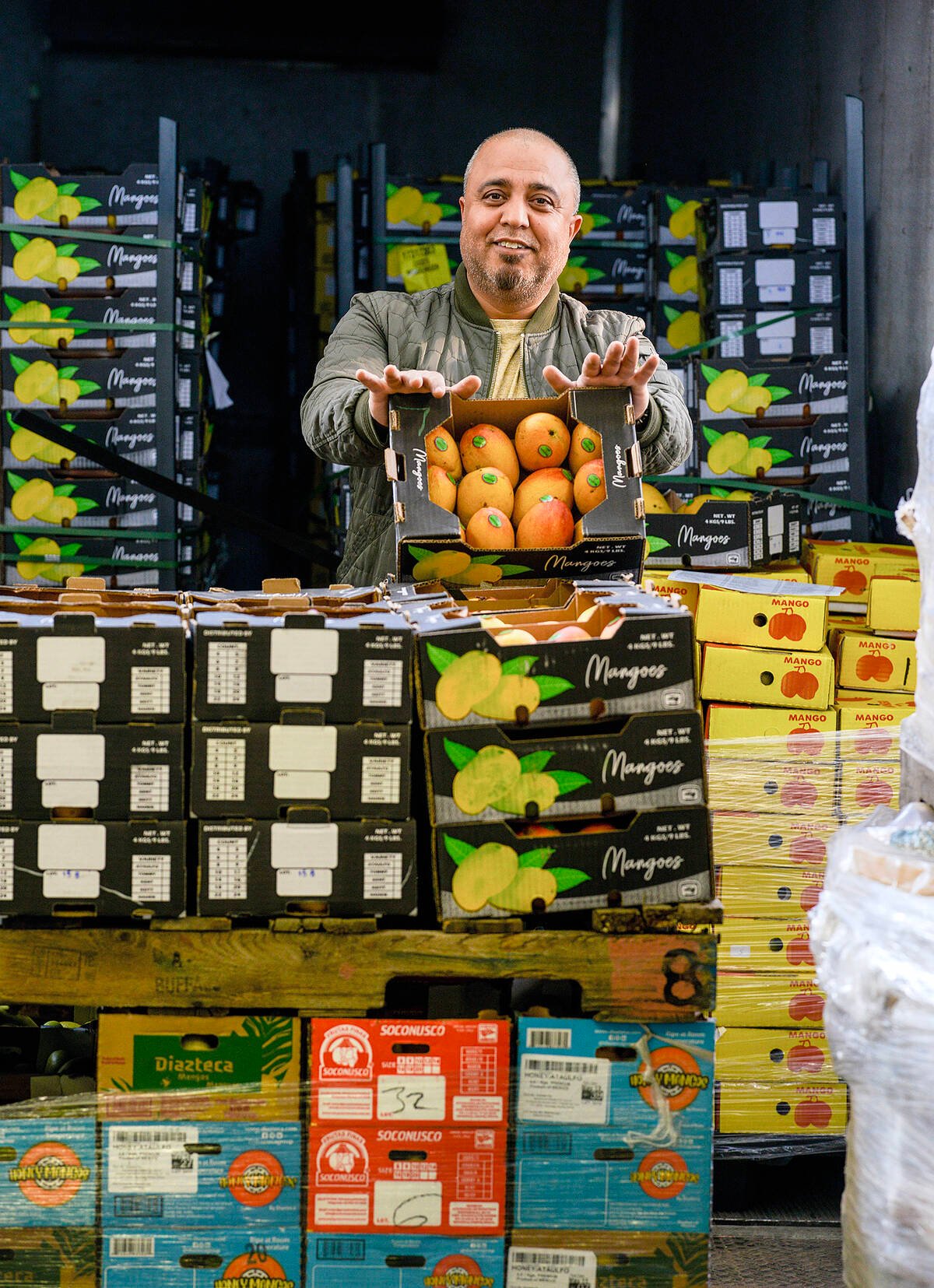
“Agri-food network assets, like the Ontario Food Terminal, are critical to agricultural vitality, as they ensure farm products reach consumers,” he wrote. “The (Terminal) is not simply a wholesale market; it is an essential public institution that supports food security.”
Allowing high-density residential units next to the Terminal would likely create land-use conflicts and threaten the Terminal’s future operations, directly challenging its essential role in food distribution.
According to Spoelstra, the Terminal sees 5.6 million pounds of food change hands daily, with buyers coordinating 1 million yearly vehicle trips to ensure agri-food products are delivered to other distributors, grocery stores, restaurants, markets, caterers, florists, garden centres, landscapers, and various institutions.
“Farmers, buyers, and resellers are connected,” Spoelstra further explained in the submission. “Which also ensures that produce not needed in one market area can efficiently be rerouted to another, or to other provinces, reducing spoilage and improving net margins.”

The way forward
Ideally, the OFA wants the Ministry of Municipal Affairs and Housing, the City of Toronto, and the Terminal to craft a multilateral agreement that protects the Terminal’s current operations and potential future growth, using local land-use planning tools.
Additionally, the letter suggested that the Ministry of Environment, Conservation and Parks update the 1995 Environmental Land Use Planning Guide to address modern land-use compatibility needs and techniques and technologies for compatible development.
“If a multilateral agreement cannot be reached, then a minister’s zoning order (MZO) may be needed to protect the OFT,” concluded Spoelstra. “Protecting the OFT from land-use conflicts is vital to the tens of thousands of households that depend on this crucial hub for their jobs, and critical to food security throughout the province.”
The consultation on the minister’s zoning order closed on May 10.
The post Development pressure triggers Ontario Food Terminal Minister’s Zoning Order request appeared first on Farmtario.


