
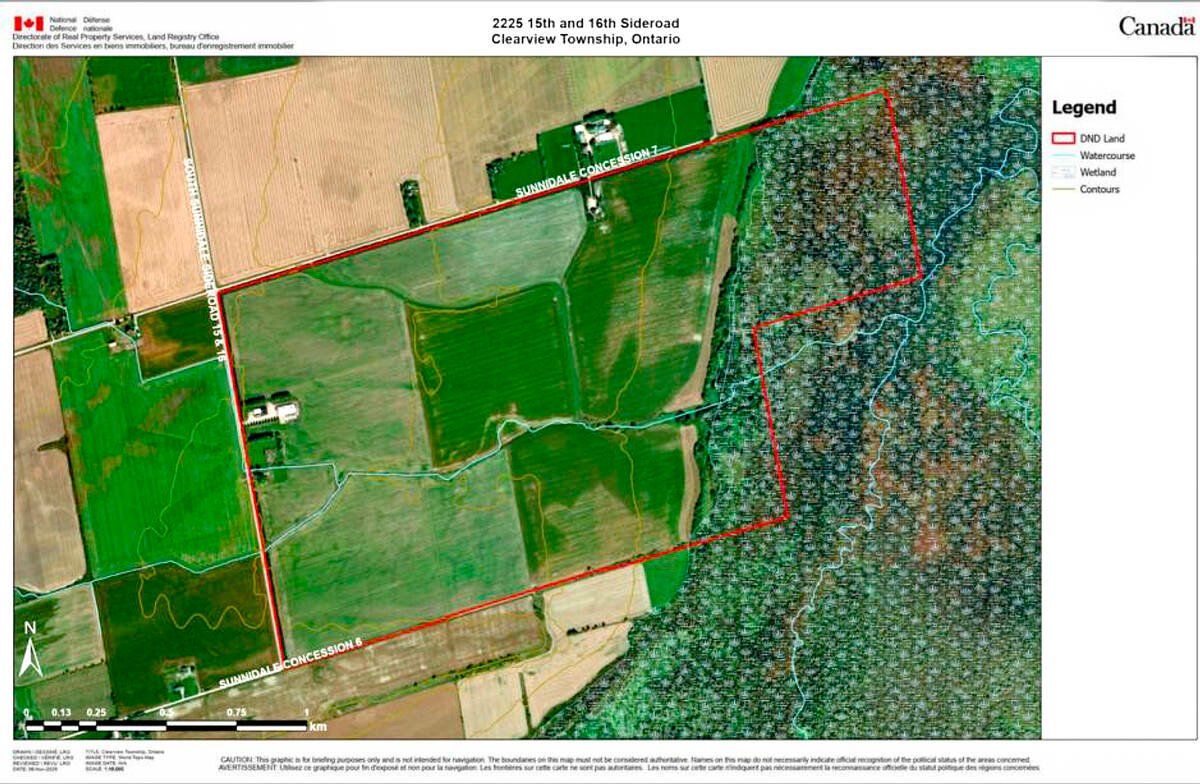
In December 2024, Dan de Boer learned that a 700-acre land parcel near his Clearview Township farm had been sold to “an investor.”
After the 700-acre sale closed, de Boer learned that the “investor” was the Department of National Defence (DND). The department has been planning a long-distance Arctic Over-the-Horizon Radar as part of North American Aerospace Defence Command (NORAD) modernization, to monitor Canada’s north up to 3,000 kilometres away.
The catch: The 700-acre parcel is only sufficient for the project’s first phase.
In summer 2025, de Boer and his neighbours began receiving letters asking if they would sell their property to the federal government. De Boer says some small property owners, who would otherwise be surrounded by the installation, agreed. However, the farming community — those who own most of the land needed for the radar project — said no.
“We’ve been here for 27 years now. Built it from the ground up. It’s good land. We run a family business. The farmers want to stay,” de Boer says. “You build your operation around the land base you have … All the letters got sent back ‘Not interested. Period.’”
Recognizing food security
This raised concerns for residents about possible future expropriation in the name of national defence, as well as doubts over whether officials have thoroughly considered which other vital national defence assets could be permanently sacrificed if the project proceeds.
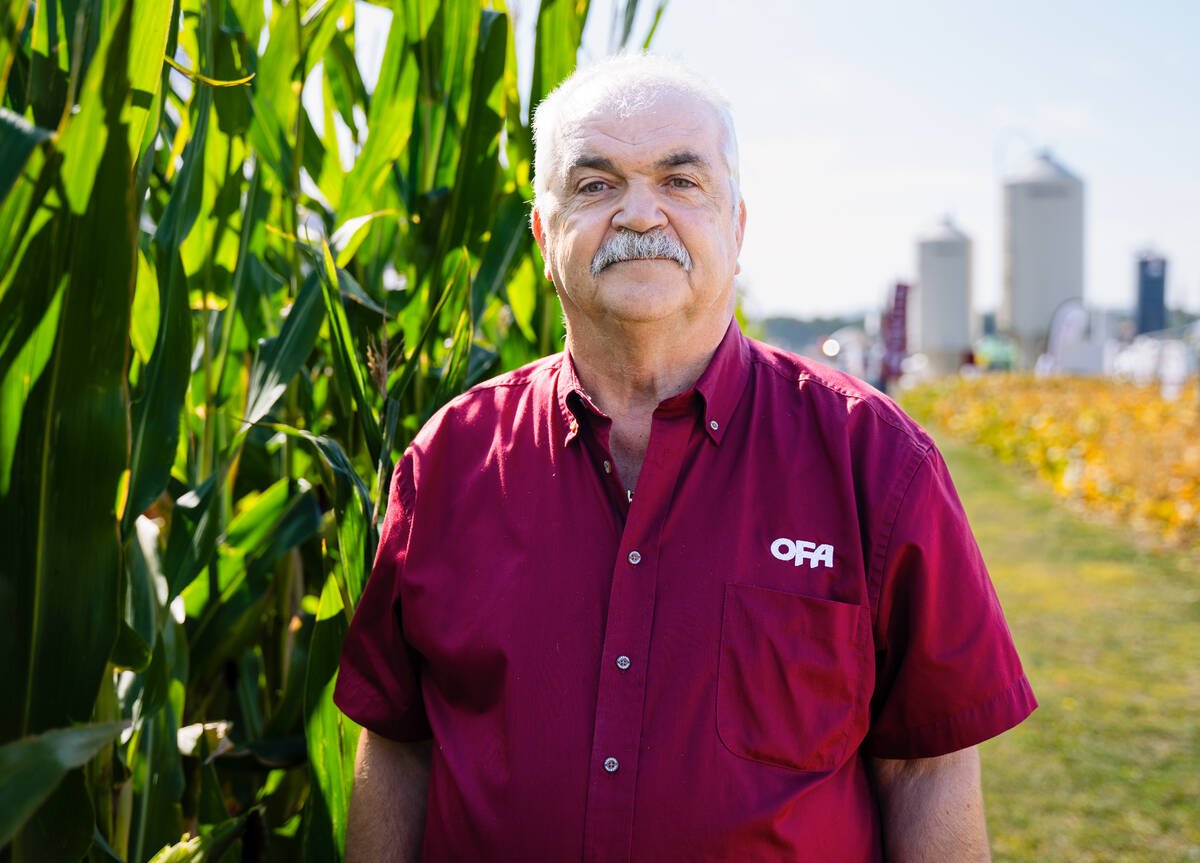
Paul Maurice, a Simcoe County farmer and Ontario Federation of Agriculture executive member, notes broad support within the agricultural community for investments in defence and preparedness.
However, in Clearview Township’s case, he suggests officials fail to recognize this could sacrifice one pillar of national security for another.
“We keep talking about national security. National security cannot exist without food security. We can grow some phenomenal vegetables there,” Maurice states.
Modernizing NORAD
The current radar system plans include installations in Clearview Township and the Kawarthas, each requiring a separate transmission and reception site with rows upon rows of antennas, with the project divided into several phases.
Sources from the Kawartha region indicate construction would occur on the Canadian Shield, drawing relatively little ire from the farming community.
It’s a different story in Clearview Township, where an additional 2,600 acres of farmland — two parcels totalling at least 1,300 acres each, outside the current 700 acres — are proposed for development.
Communication lacking
The defence department sent letters expressing interest in buying additional land near the already-secured 700-acre Clearview farm, followed by community open houses.
Even after meetings with government officials, de Boer says his family “left with more questions” than before, about what the installation would look like and how it would affect farm operations.
He adds that the defence minister did respond to a petition sent to the House of Commons, but the reply was “very generic.”
“We’re up against a wall and they’re not giving us a hint as to what’s going to happen. You ask, ‘What is this going to look like?’ They can’t tell you anything,” says de Boer. “Especially when it comes to defence, they’re the top of the pile. They can do whatever they want. I hope we never get there.”
Residents echo that answers to questions about the federal government’s decision to build its radar facility in Clearview have been inadequate so far.
Inflexible requirement
The Arctic Over-the-Horizon Radar system must be constructed in southern Ontario, according to DND, so the signal stays “outside the auroral zone, where the Northern Lights interfere with radar performance.” The optimal latitude for achieving full coverage of Canada’s northern approaches, and especially the critical northeast corridor, “runs through southern Ontario.”
A set of “complex and inflexible requirements” also determines site selection. The department lists parcel size, latitude, orientation, distance separation between parcels, environmental conditions and constraints, and adjacent land use as critical considerations. The installation also requires flat, dry land in a remote area, proximity to electrical power sources, and to be “a suitable distance from radio noise sources.”
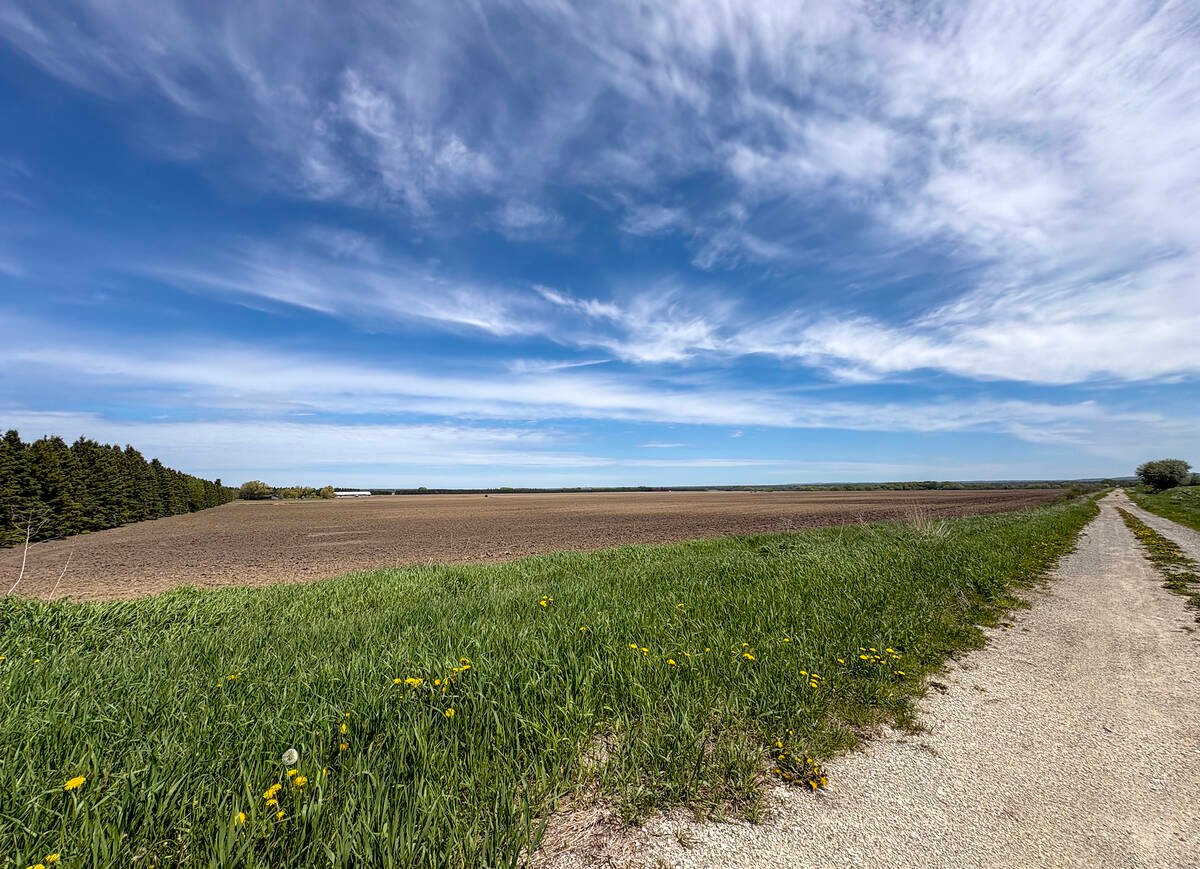
From de Boer’s perspective, much of southern and central Ontario is “far from flat and dry.” There is a 100-foot drop across the length of the proposed installation area, for example, and much of the land is “not dry” because it’s not currently tiled or contains important portions of the area’s watershed.
“They say they need low density. That is true for the rural part. But we still listen to radios,” de Boer says. “We still use GPS. There’s lots of things going on, and that all makes radio noise.”
Regional development
Terry Dowdall, the MP for Simcoe-Grey, questions whether DND recognizes the significant development already underway in the Clearview area.
Issues include the potential site being between several urban centres and along a high-traffic route, as well as concerns about negative impacts on the Minesing Wetlands, which comprise the eastern edge of the 700-acre parcel.
“I don’t know if they’ve looked into the areas around, or if they’ve looked into the sewer and water development in the area,” says Dowdall. “Even the farmers have not been allowed to do a lot of things because of the wetlands. It’s kind of bizarre [DND] is going to totally knock down everything on this property.”
Dowdall is concerned that the purchased acreage is only one piece of the puzzle and the timeline to get the radar operational is increasing pressure to get shovels in the ground.
“I think the project is being rushed,” he says. “It’s not the right location and there’s a lack of communication for the individuals that are going to be directly affected.”
De Boer puts it more bluntly, asserting the government bought the initial parcel “without having done any background work, any due diligence. Nothing.”
Farmtario sought clarification from DND on the suitability of the purchased Clearview Township acreage and the further proposed project area. No reply was received by publishing time.
Suggested alternatives
Community members suggest Canadian Forces Base Borden — a 20,000-acre property — is an obvious alternative to the destruction of thousands of acres of prime farmland and environmental risk to the region’s watershed and nearby Minesing wetlands.
DND resources state CFB Borden and the 4th Canadian Division Training Centre in Meaford, Ont. “present environmental and topographical constraints, and are currently busy training establishments responsible for preparing thousands of military personnel annually across a wide range of disciplines.”
“These factors would significantly challenge meeting Stage 1 program requirements within the required capability timelines.”
It’s anticipated that the first stage of the project on the Clearview Township parcel will be fully installed by the end of 2029, with full Arctic Over-The-Horizon capability not expected to be complete until 2043.
De Boer was told by department representatives that the Clearview Township farm was acquired because it was the first suitable site identified since the search began in 2022-2023.
“If they would have gone with (CFB) Borden in 2022, when they started looking for land, you would have already had it done,” says de Boer.
Dowdall and four members of Parliament expressed support for using CFB Borden and concerns over farmland loss in a letter submitted to the minister of national defence on April 28.
Radar lifespan versus generational farming
Maurice also supports reconsidering the military base, while raising additional concerns about the radar system’s projected lifespan.
“The life expectancy of this project is 30 years. Is it worth ruining thousands of acres of prime Class 1 land for a project that might bring us a benefit for 30 years?” questions Maurice.
The 30-year lifespan was shared with the community during public consultations.
“What’s really important is the effect it will have on generational farms, and the impact it has on the community,” Maurice says. “Without having these farms in the area and keeping the feed and hardware stores going, I hate to use the word ‘ruin,’ but it ruins the community.”
Farmtario sought clarification on the project’s anticipated lifespan, but DND didn’t respond by press time. However, the department states the following:
“The site acquired in Clearview as part of Stage 1 is a preliminary receive site and will be used until a permanent location for the full capability is established…The land will be needed for as long as this system remains relevant to Canada’s defence. There is no fixed timeline, but regular evaluations will determine whether the system and the land continue to be required. These assessments will be shared with the public as they become available.”
The post Over-the-horizon radar plan pits frontier security against food security appeared first on Farmtario.


