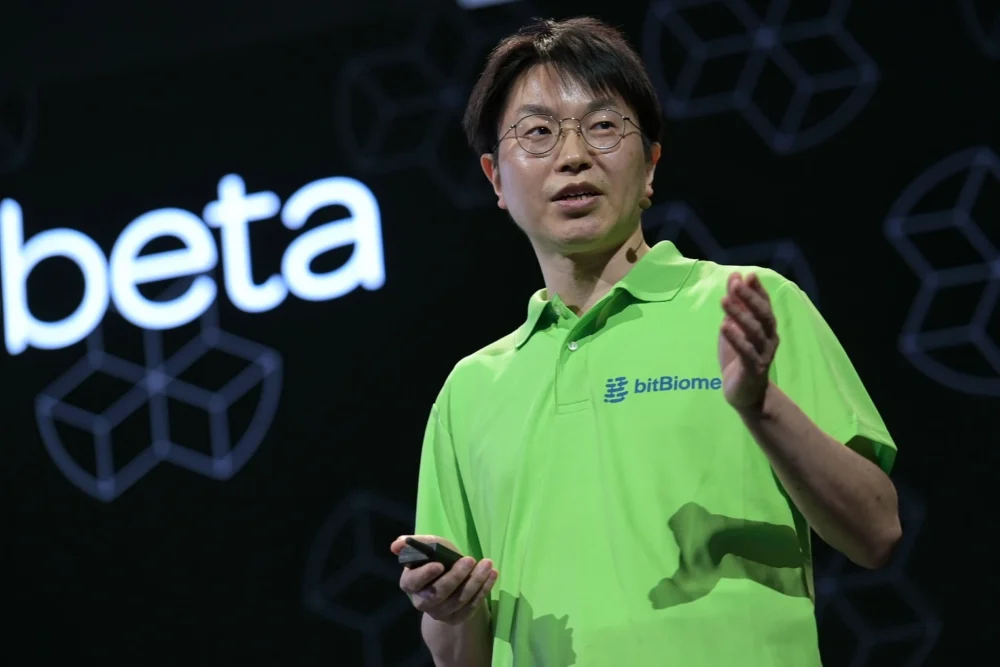
bitBiome, a leader in discovering and designing enzymes, proteins, strains, and ingredients, has closed an oversubscribed seed extension funding round. This new investment shows growing confidence in the company’s technology and global reach.
With the funding, bitBiome will speed up its efforts to discover and engineer microbial enzymes and pathways. The company uses a large, carefully curated microbial database. It also relies on advanced modeling, AI, and high-throughput platforms for enzyme and strain engineering. These tools give bitBiome an edge in the bioengineering field.
Yuji Suzuki, CEO of bitBiome, said their unique data and modeling set them apart. The company now has over $45 million in total funding, including grants. This will help them improve their predictive models, grow internationally, and build new partnerships.
Investors are paying more attention to platforms with strong data, AI, and scalable pathways. bitBiome’s approach combines biodiversity, artificial intelligence, and high-throughput engineering. This positions the company at the forefront of the industry.
Olivia Jones from IQT commented that bitBiome’s microbial database and modeling give it an advantage. She sees their technology as important for enzyme innovation and biosecurity. She also noted their potential to grow globally.
Shinya Kasuga of IT-Farm is proud to support bitBiome. He highlighted their use of AI and microbial genome data to develop new enzymes. He also pointed out their microfluidics and biosynthesis tech as key strengths.
Andrew Hyung of Valuence Ventures praised bitBiome’s proprietary sequencing and AI tools. He said their solutions can turn microbial biodiversity into real products. He also sees a clear path to global expansion and new applications.
Kazuaki Konno of Darwin Ventures highlighted their platforms: “bit-MAP,” “bit-GEM,” and “bit-EVO.” These tools allow fast, precise gene and enzyme discovery. He noted their progress in product pipelines and growth potential.
The post bitBiome secures oversubscribed funding to accelerate microbial engineering appeared first on World Bio Market Insights.