
Creating domestic production for phosphate and nitrogen is one long-term way to manage high fertilizer input costs. In the meantime, staggering fertilizer purchases can help farmers manage rising fertilizer prices.
The war in Ukraine and ongoing disruptions in the Strait of Hormuz have destabilized fertilizer markets, pushing prices up by as much as 50 per cent and forcing farmers to rethink purchasing decisions.
Casper Kaastra, CEO and executive vice-president of Sollio Cooperative Group, told Farmtario his company is working at domestic and national levels to ensure Canadian farmers are getting market prices.
He said current spring prices are higher than last year but lower than replacement costs. He added geopolitical tensions, such as the war in Ukraine and export restrictions by China, continue to impact global supply.

Building an input strategy
Currently, Canada imports all phosphate and most nitrogen, with prices influenced by global markets. Kaastra said farmers should begin planning purchases in late summer through winter for the next season.
“Fertilizer is traded openly globally. There are some countries who will put on export restrictions. China is a good example of that,” he said.
Kaastra added that, as a result, the impact is felt worldwide even when a country is not trading directly with one implementing restrictions.
“We’re not necessarily importing from those regions specifically, but because it’s an openly traded product, then the competition for that product is global and the price impact is immediate,” he said.
Kaastra said Canada is finding alternative trade partners to help mitigate the impact of geopolitical tensions. He said north and northwest Africa are key supply sources for both nitrogen and phosphate products. Meanwhile, Central America supplies Canada with nitrogen products. He added phosphate is being imported from Florida, while some specialized fertilizers are coming from parts of Europe. Western Canada continues to be the predominant source for potash.
Price volatility will continue
Kaastra noted global events mean prices for fertilizer will remain unpredictable.
“The price that farmers are paying today, that ship has kind of sailed. The product that farmers are using today had to be purchased a month and a half ago in order to have it physically in position here right now,” he said, adding the global price for the same products will likely be higher by the spring of 2027.
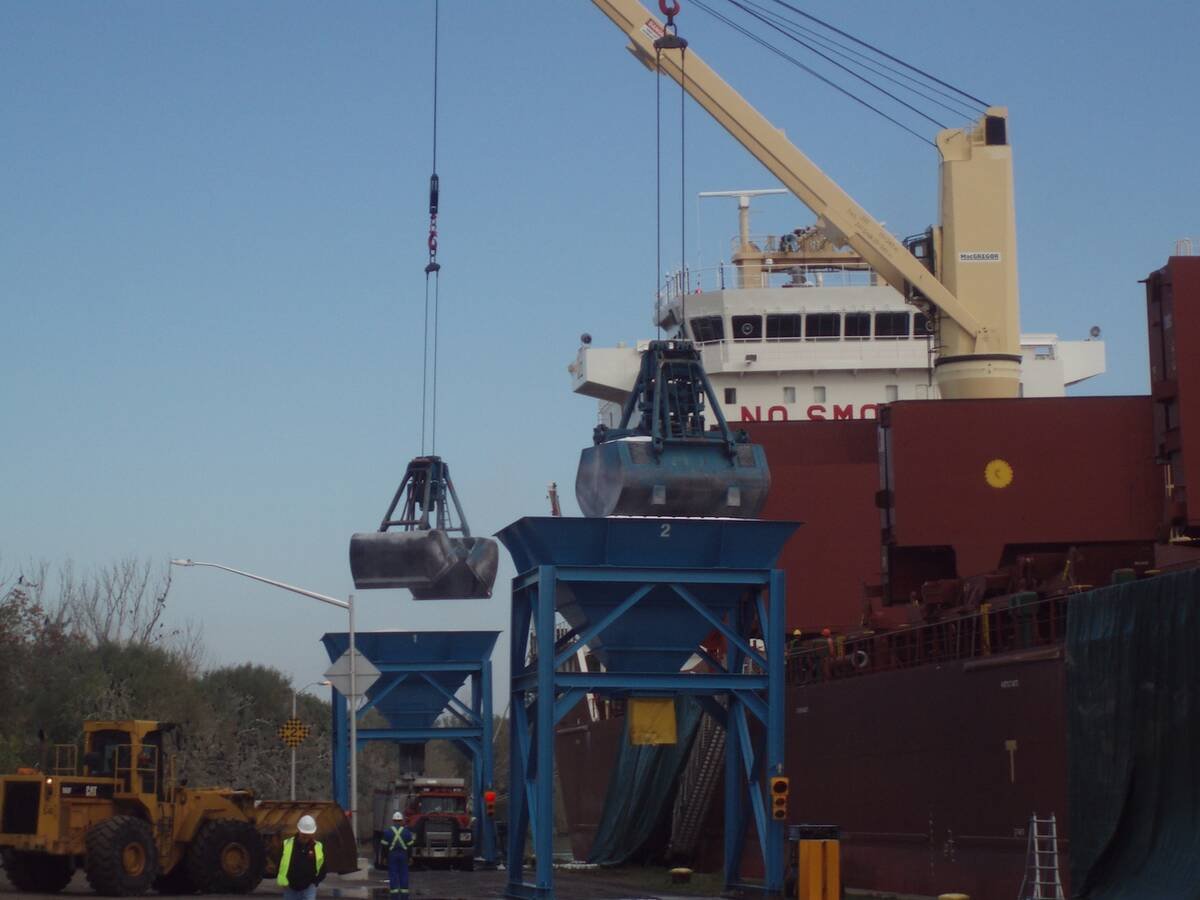
He said farmers should be having conversations now about the purchases they are going to make for next season.
“I think farmers obviously need to stay close to their retail suppliers,” he said, adding farmers can take a staggered approach to their input strategy. “I think the key message that I would have for farmers in this environment is they don’t have to buy everything all at once. It’s pretty rare for a farmer to sell all their grain at one point in time, I don’t know why their purchasing strategy needs to be different from their selling strategy.”
Bring production home
Kaastra said he and his team are in frequent consultation with the federal government to find solutions that will reduce costs for farmers. He said the government has its ear to the ground on ways to bring domestic input production to Canada.
“Canada is a net importer of nitrogen, and because fertilizer trades openly and freely, the price, regardless of the region, follows what’s happening around the world,” he said.
Kaastra believes it is prudent for Canada to continue finding ways to invest in domestic production, adding that despite the interest, these projects may take years to develop.
“The government relations side is very interested in knowing what can be done to help support infrastructure investment, so that we can get the product in place when it’s needed, so it’s important that, you know, we maintain focus on ports and rail infrastructure,” he said.
In the meantime, he said the agriculture industry can focus on positioning Canadian agriculture so it is ready to compete in the next growing cycle.
“Let’s have those conversations and figure out how we position ourselves competitively for spring of ’27,” he said.
The post Refine your fertilizer pricing strategy now for next season appeared first on Farmtario.


