
At a recent conference co-organized by Future Earth, researchers discussed how international collaboration can remain resilient and relevant as geopolitical tensions reshape the global research landscape.
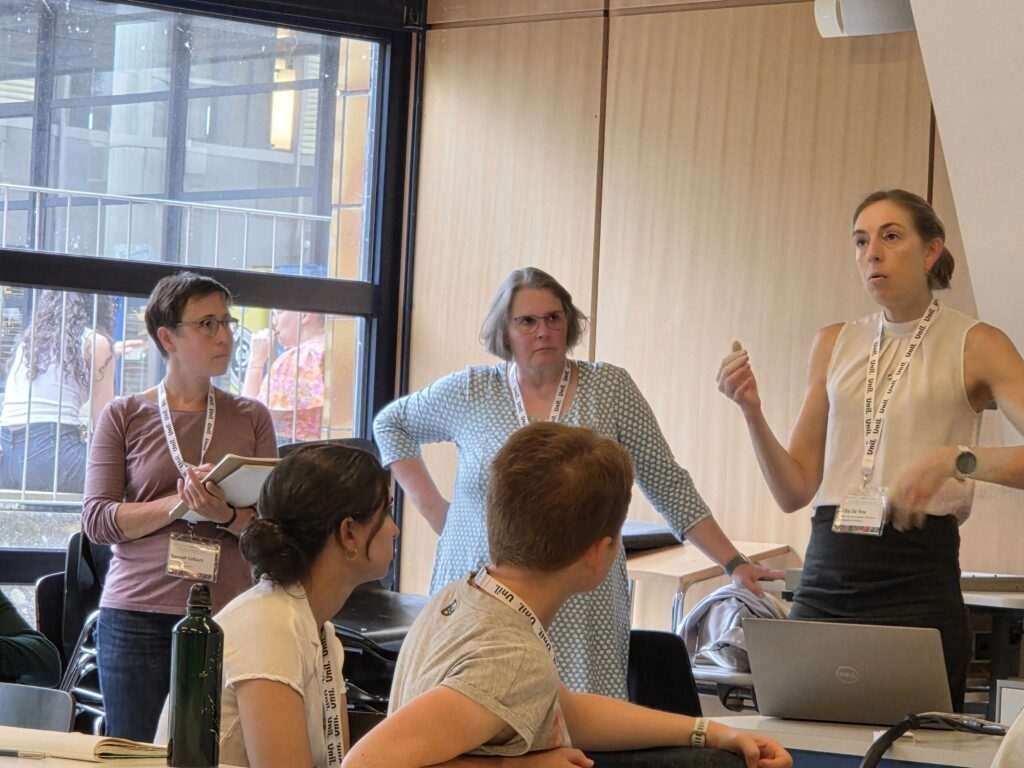
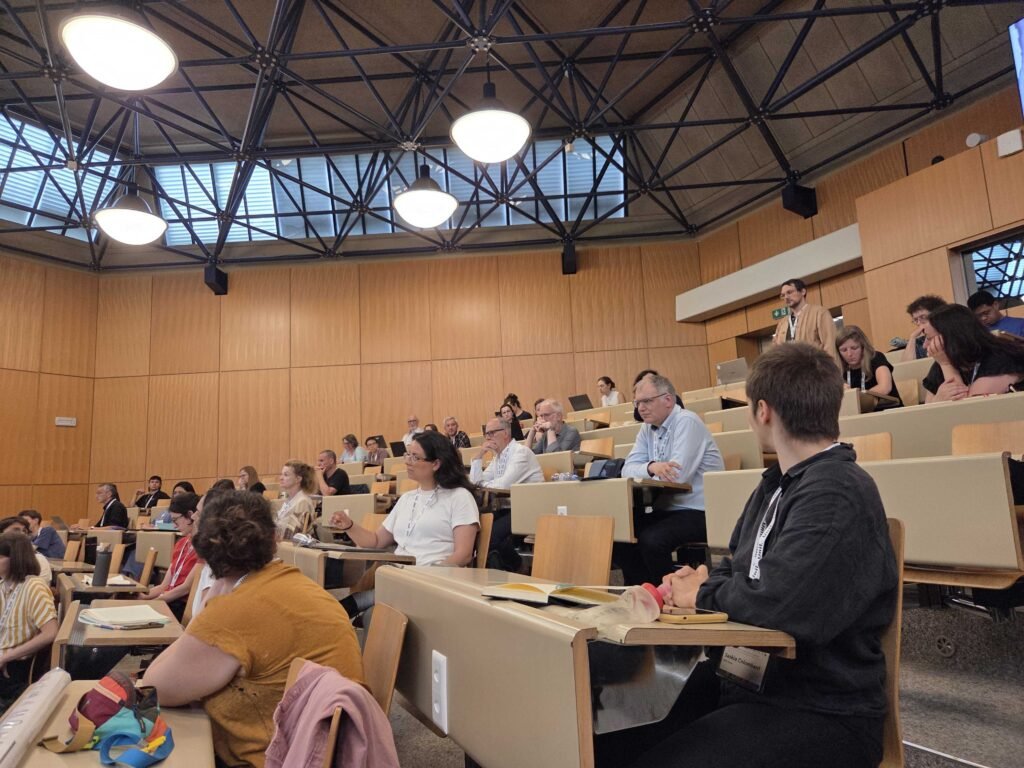
As geopolitical pressures strain international funding and erode trust in science, sustainability researchers are asking a critical question: how can international collaboration endure when the problems it seeks to solve are increasingly global, but the systems supporting it are becoming more fragmented?
For many participants at Towards a Just and Habitable World: Exploring the Role of Technology, a scientific conference co-organized by Future Earth’s Pathways Initiative, the German Committee Future Earth and partners, the answer lies in strengthening the networks that make international science possible. These networks provide the infrastructure for collaboration, knowledge exchange, and science-policy engagement across borders.
“International research collaboration and science diplomacy are needed more than ever during today’s increasing geopolitical tensions,” said Wendy Broadgate, Interim Executive Director of Future Earth, who attended the conference. “International networks support international collaboration, transdisciplinary approaches, new generations of sustainability scientists and consolidation of knowledge for policy and societal decisions.”
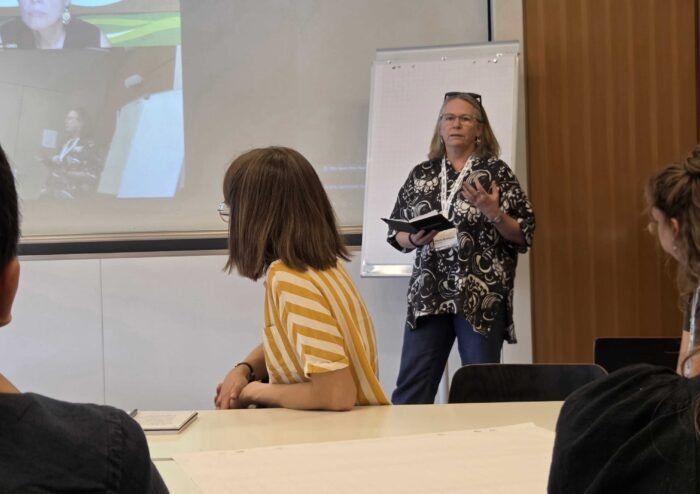
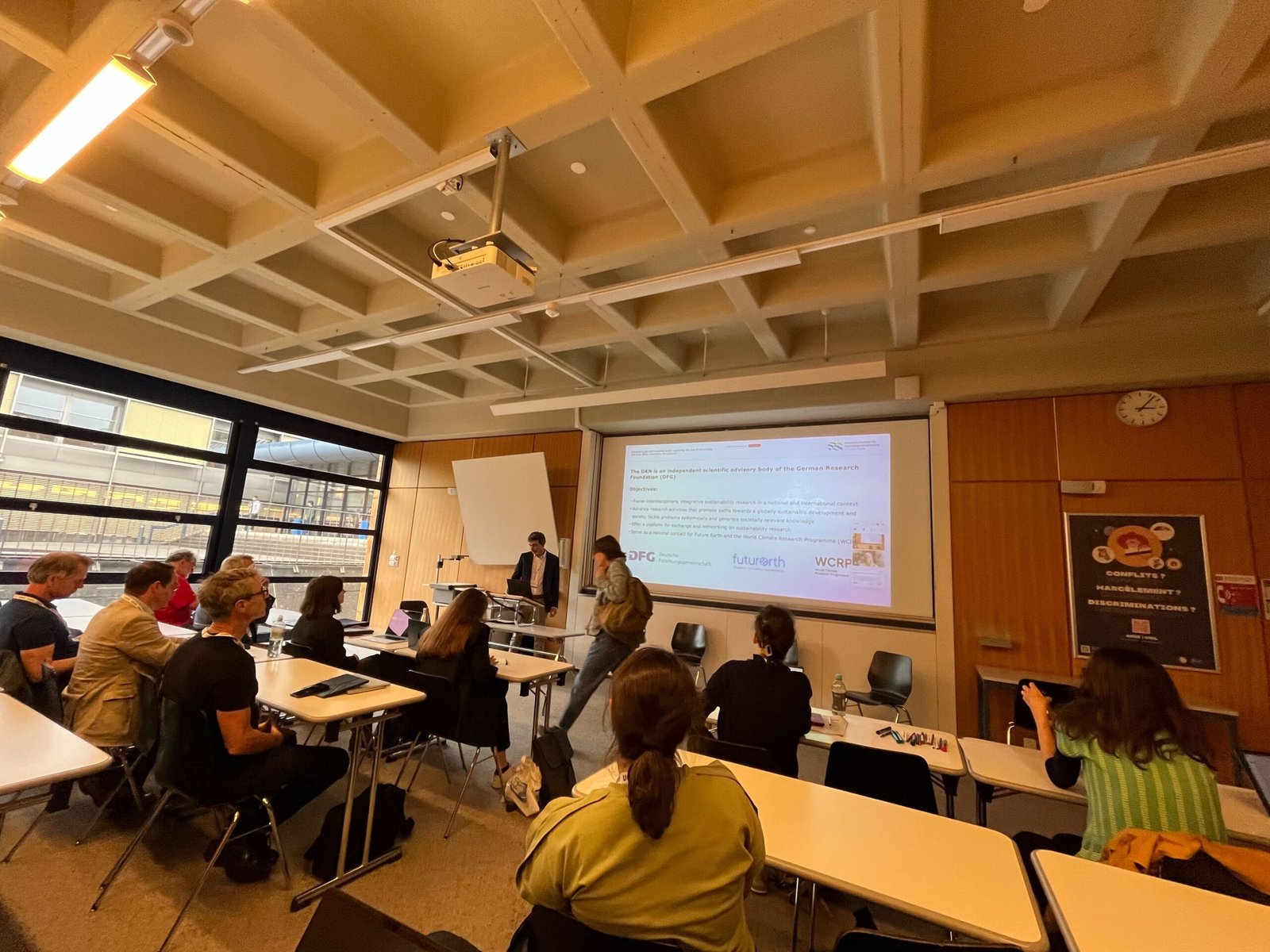
This topic took center stage for the session “Rethinking international research collaboration and networks,” which brought together representatives from across several Future Earth’s ecosystem of networks, including the Global Mountain Biodiversity Assessment, bioDISCOVERY, the Global Land Programme, Programme on Ecosystems and Society and the German Committee Future Earth. The Mountain Research Initiative and a German Early Career Network also participated.
During it, participants compared challenges and potential solutions. The conversation included how geopolitical shifts, including the withdrawal of US funding from international collaboration, are leaving gaps.
“To meet these challenges, networks are exploring more resilient models, like distributed global infrastructure and diversified funding from philanthropy, governments and even crowd-funding,” said Broadgate.
The discussion underscored a role Future Earth has played since its founding: providing the connective tissue to link disciplines, regions, and sectors. Through its Global Research Networks and broader community, Future Earth helps ensure that sustainability science remains international, interdisciplinary, and capable of informing decisions at the scales where today’s challenges unfold.


