
Lyme disease is no longer a distant concern for Ontario farmers — it is a growing threat spreading across the province.
The numbers tell the story. According to federal data, public health units across Canada reported 28,033 human cases of Lyme disease between 2009 and 2025. Annual cases surged dramatically, rising from just 144 in 2009 to 7,105 in 2025, highlighting the rapid spread of a disease once considered relatively rare.
Experts are calling on the agriculture industry to take action as cases continue to climb.
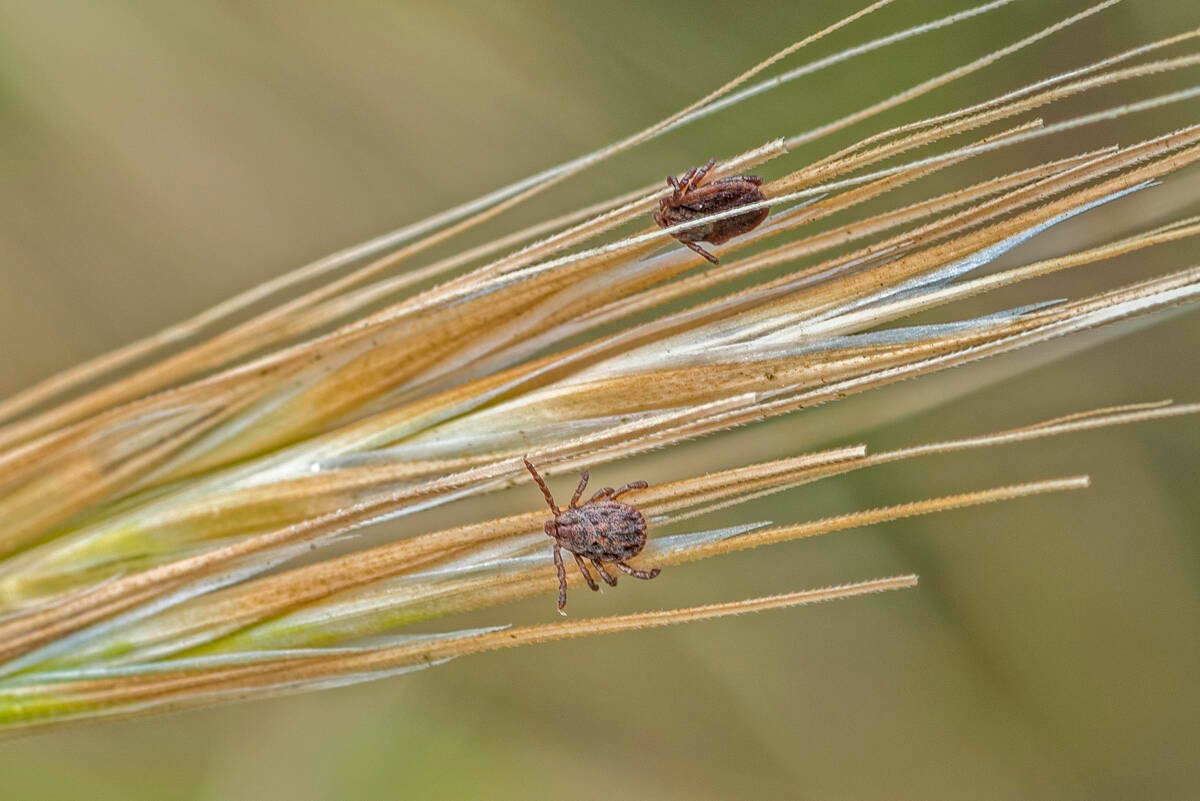
The most common ticks in Ontario are the blacklegged tick (Ixodes scapularis), a reddish-brown tick with a black shield behind its head, and the American dog tick (Dermacentor variabilis), which is slightly larger.
The blacklegged tick is the species most likely to carry Lyme disease. Farmers are particularly vulnerable through contact with livestock and pets, which can carry ticks picked up from rodents, deer and other wildlife.
Janet Sperling is an Alberta-based entomologist and president of the Canadian Lyme Disease Foundation (CanLyme), an organization that provides resources and information about the disease to the public and medical professionals.
Sperling believes not enough effort has been devoted to effective control measures. She noted there has been a historical lack of action in addressing both prevention and awareness of the threat posed by ticks, particularly within the farming community.
“The issue with Lyme disease is that it’s generally found in little rodents or migratory birds,” Sperling said, adding that this is one reason it is critical for farmers to control rodent populations around their farms. She noted that cats can be valuable allies because they are less likely to carry ticks due to their grooming habits.
Sperling said horses, mules, donkeys and dogs are among the animals most likely to be affected by ticks. Cattle do not appear to show the same prevalence. This may be attributed to genetic resistance, active pasture management and the routine use of chemical treatments in grazing areas.
As Lyme disease rates continue to rise, Sperling advised farmers to treat clothing with permethrin, use DEET or icaridin-based insect repellents on exposed skin, and control rodent and deer populations. She also recommended using chickens as a natural method of tick control.
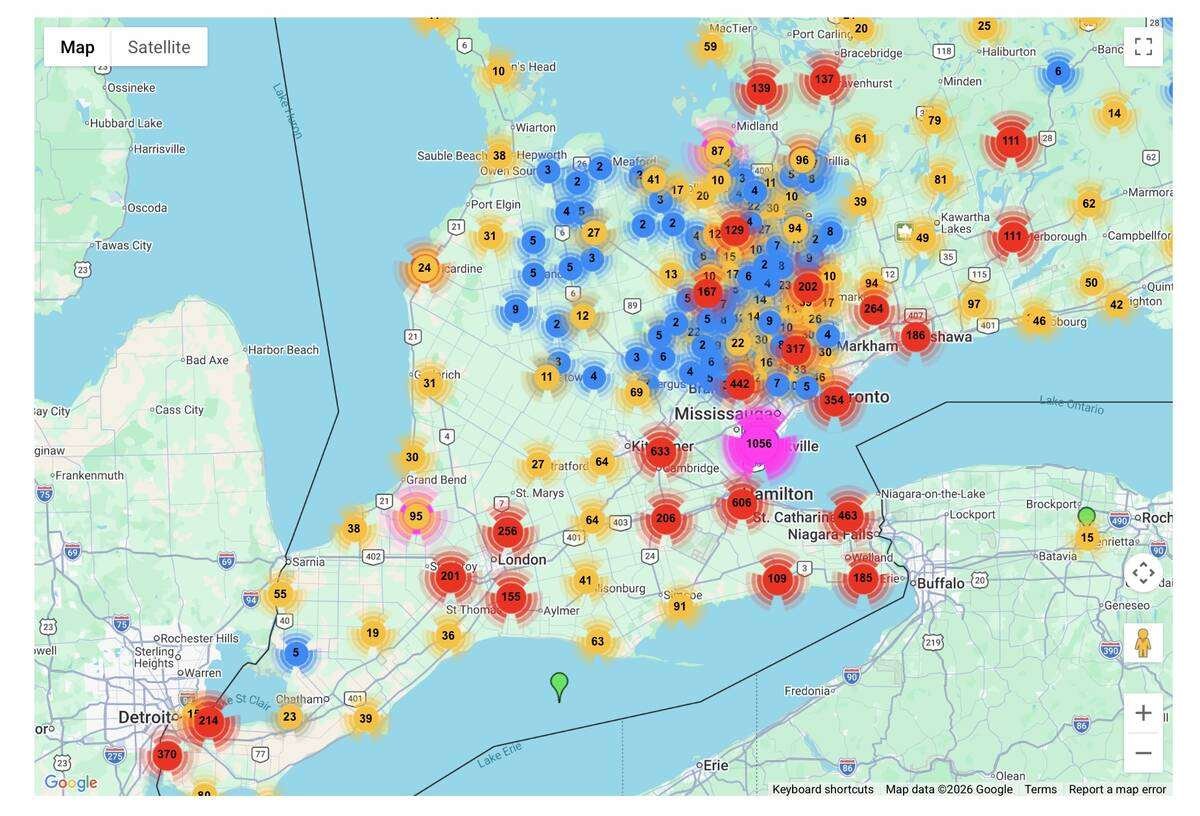
She encouraged farmers to become part of the solution. The eTick website partners with farmers, universities, researchers and organizations across Canada to provide a platform where people can report ticks and help track their spread.
“I don’t have all the answers, but I can tell you we can figure it out, and that involves co-operation,” Sperling said.
Limited treatment options
Steve O’Neill of the Ontario Lyme Disease Clinic specializes in the treatment of chronic Lyme disease and co-infections. O’Neill said many people are unaware of how quickly Lyme disease transmission can occur.
“Although Health Canada states that ticks must be attached for at least 24 hours to transmit the infection(s), it has been shown that it can be much less time than that,” he said.
He noted that standard Canadian testing focuses on Lyme disease and may not identify potential co-infections. He added that some patients choose to use non-Canadian laboratories, such as ArminLabs in Germany or IGeneX in the United States, in pursuit of additional diagnostic testing.
O’Neill warned that not everyone infected through a tick bite will develop a bull’s-eye rash. He said only about one-third of people who are bitten by an infected tick experience this hallmark symptom.
He advised farmers to watch for significant health changes, including flu-like symptoms, fever, fatigue, and muscle and joint pain.
“This can happen over a wide range of time, from a couple of days to weeks or months later, and the severity can range from mild to severe,” O’Neill said.
Doxycycline is commonly prescribed to treat Lyme disease, particularly when treatment begins soon after infection. O’Neill said treatment within two to three weeks of infection may improve outcomes and help reduce the risk of long-term complications.
“The doctor may prescribe antibiotics for only one day to up to 21 days. Twenty-one days is what Health Canada recommends for positively tested Lyme disease,” he said. “An additional consideration is that Health Canada guidelines for antibiotic treatment do not distinguish between recent and chronic infection; both are treated similarly. Unfortunately, with chronic Lyme disease, a 21-day course of antibiotics is rarely curative.”
He added that some patients also explore herbal treatment options alongside conventional care.
The post Lyme disease cases rise as Ontario farmers face growing tick threat appeared first on Farmtario.


