
The 2026 municipal election is months away, but Ontario’s agriculture industry already knows its concerns.
Why It Matters
Ontario loses up to 300 acres of prime farmland to development every day — and municipal candidates will have more influence over what happens next than many farmers realize. From stormwater fees to worker housing permits to road funding, this election cycle is shaping up as a critical moment for the sector’s long-term viability.
Farm organizations and advocacy groups are demanding municipalities push back harder against provincial and federal development agendas they say threaten rural communities and Ontario’s agricultural backbone.
Farmtario spoke with leaders across the industry to find out which issues are shaping up to be the defining battlegrounds of this election.
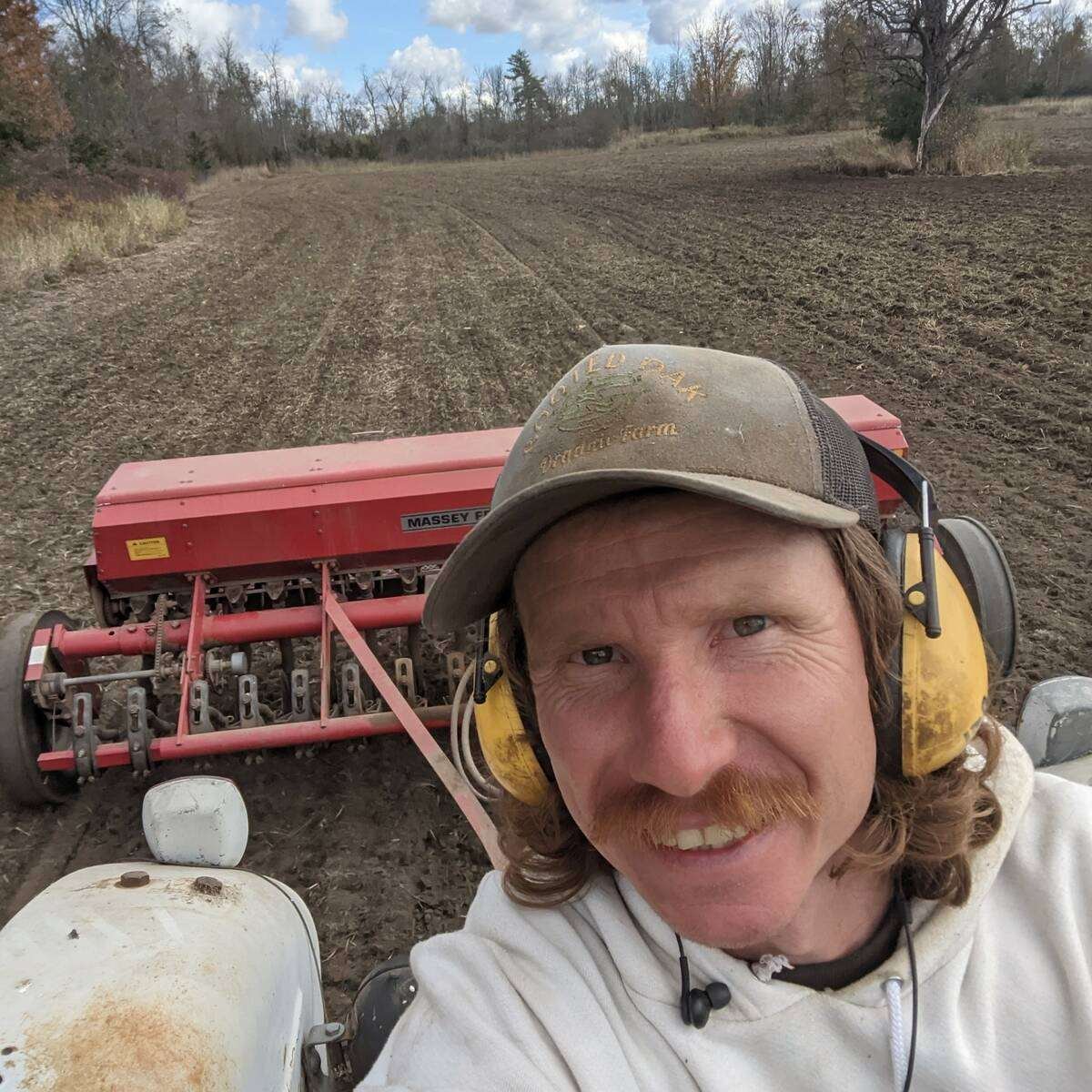
Josh Suppan, president of the National Farmers Union-Ontario and NFU Region 3 co-ordinator, said farmland is under threat throughout Ontario, with two of the biggest current concerns being the appointment of strong regional chairs and the amalgamation of conservation authorities.
“These two things will allow development of farmland to be pushed through much more easily. With access to farmland and the cost of production a constant issue, having farmland being protected rather than developed seems like an obvious choice to ensure our food sovereignty and security goals,” he said.
A voice for farmers
An election is an opportunity to make a statement about the issues that matter most to a voter. Drew Spoelstra, president of the Ontario Federation of Agriculture, said this municipal election is about making sure there are strong agricultural voices around the table at municipal councils across Ontario and identifying what OFA can do to support those farmers in those roles.

Spoelstra said specific issues, such as residential development proposed next to the Cargill grain terminal in Sarnia and residential development proposed next to the Cargill beef plant in Guelph, continue to be on the organization’s radar.
He added the Alto high-speed rail project in Eastern Ontario and concerns over farm and rural community disruption, land expropriation and limited local benefits are also at the forefront for the agriculture industry.
Spoelstra said issues like these are driving a critical need for more farm voices around decision-making tables.
“The agriculture sector is an economic force in Ontario, and ensuring municipal government decisions support farming and agriculture and food systems remains our top priority,” he said.
There are two key issues Spoelstra believes will play a significant role in agriculture heading into the next election cycle: stormwater management fees and municipal responsibilities under the Drainage Act.
The OFA is looking for a continued commitment that stormwater management fees not apply to agricultural and rural properties.
“Our farm and rural lands provide many water/environmental benefits to municipalities that must be taken into account,” he said. “These include absorption of stormwater through infiltration, replenishing aquifers, creeks, streams, lakes and wetlands and reducing flooding and drought risks, slowing peak flows thereby decreasing erosion, and filtering contaminants. It is important to ensure farms and rural properties are not charged for services they do not use — these rural and farm properties are not connected to a municipal storm sewer system.”
Protecting migrant workers
Mike Chromczak, chair of the Ontario Fruit and Vegetable Growers Association (OFVGA), believes ensuring local production is a focus for decision-makers is key to protecting agricultural businesses in Ontario. He said it is important that fruit and vegetable growers have a voice when decisions are made.
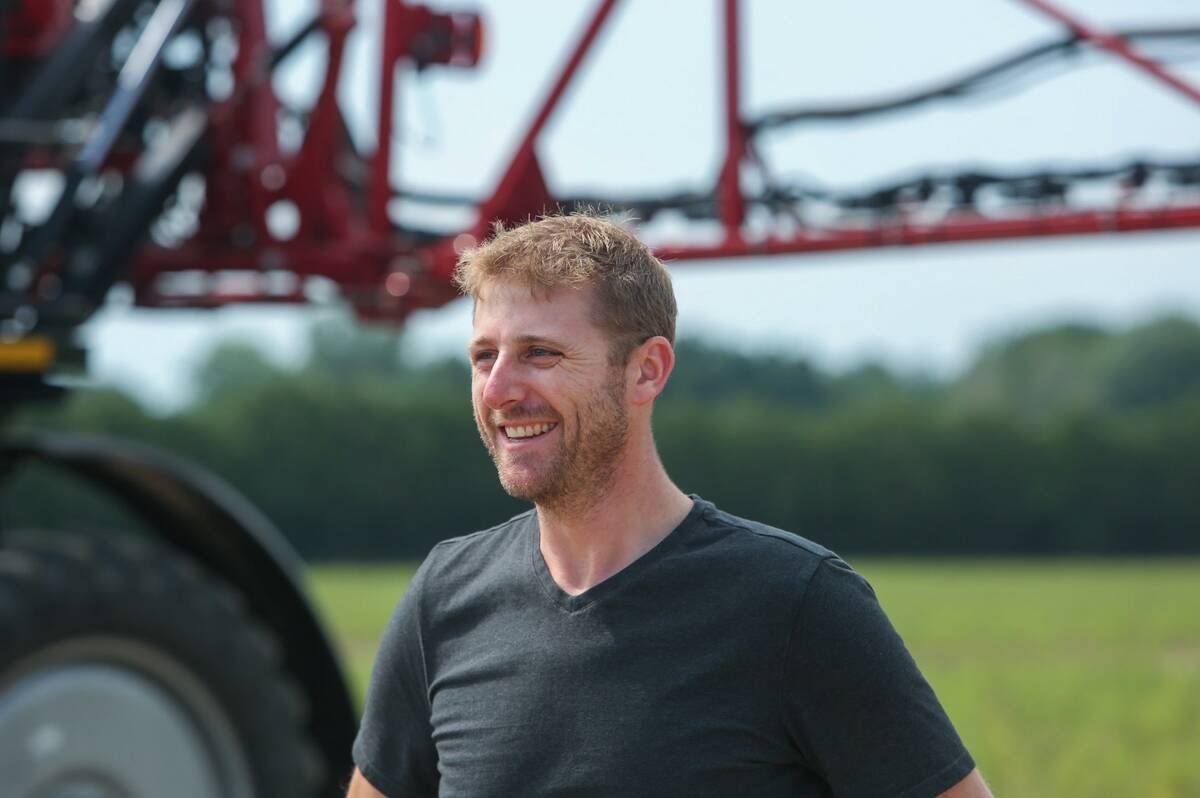
“It is crucial that municipal leaders recognize the economic value of food production to their local region, and that local policies reflect that contribution to the economy,” he said, noting every municipality is different, each with its own strengths and challenges.
He added that, despite this, all policies created at the municipal level, from zoning bylaws to development charges, have a direct impact on the farms that feed communities.
“As we enter this election cycle, we wish to see candidates who will look at these policies through a lens that supports local food production, and include growers in those conversations.”
One particular issue that stands out for Chromczak is on-farm worker housing. He said Ontario’s fruit and vegetable sector depends on international agri-food workers, adding growers are committed to providing them with safe, quality housing.
According to Statistics Canada, there are 83,363 on-farm employees working in Ontario. Although there are no exact numbers on how many require housing, More Than a Migrant Worker, an organization that communicates about foreign workers in Ontario, estimates the number is in the thousands.
“At the municipal level, we’re running into serious roadblocks with rising development charges and permitting fees, lengthy permitting delays, and zoning bylaws that don’t always reflect the realities of farm operations, or reflect provincial policy,” Chromczak said.
He said the OFVGA is asking municipal candidates to commit to working with the fruit and vegetable sector to remove these barriers and ensure farmers have a voice in the decisions that shape their ability to operate and invest in their farms to grow food for the local region, Ontario and beyond.
Keeping politicians informed
Grain Farmers of Ontario board chair Jeff Harrison believes education is one of the key ways to remove these barriers. He said the number one issue for his organization heading into the election is making sure agriculture is understood as a critical economic driver, not an afterthought in local decision-making.

“Municipal governments have a direct impact on the ability of Ontario grain farmers to keep producing food, support rural communities, and run competitive farm businesses,” he said, adding safe, reliable roads and bridges are especially important for keeping farm businesses connected to markets.
Harrison said Ontario grain and oilseed farmers are facing increasing global competition, especially from the United States, where governments continue to invest heavily in agriculture and rural infrastructure.
“That is why it is important for municipalities to recognize farming as a critical economic driver and a strategic industry for Ontario,” he said.
Harrison noted Ontario’s grains and oilseeds sector contributes approximately $27 billion annually to the provincial economy, supports more than 90,000 jobs and pays almost $1 billion annually in municipal taxes across the province.
“Grain and oilseed farming is also foundational to Canada’s food security, supporting domestic food production, livestock feed, renewable fuels and food processing across the country,” he said, adding GFO also encourages municipalities to keep rural infrastructure investment a priority and to work with farmers on practical approaches to source water protection and stormwater management.
“We look forward to working with municipal leaders who understand agriculture, value the contribution farmers make, and want to help maintain a competitive and resilient agricultural sector for the future,” he said.
Controlling urban sprawl
Between 175 and more than 300 acres of Ontario’s prime agricultural land are lost to development every day, yet there is little municipalities can do to stop this trend.
Chicken Farmers of Ontario CEO Denise Hockaday said her organization is encouraging municipalities to continue protecting and supporting the long-term viability of local food production.

She said farmers need policies that continue to protect Ontario’s prime farmland. She cautioned that once those homes are built, those new residents will still need food grown close to home.
“Municipal leaders should champion strong farmland protection policies that limit unnecessary loss of prime agricultural land to non-agricultural development. Protecting farmland through responsible zoning, long-term land-use planning, and clear urban boundary policies is critical to ensuring future generations of chicken farmers can continue growing safe, healthy, locally-grown chicken,” she said.
Ontario farm organizations may differ in their priorities, but they share a common message for municipal candidates: decisions made at the local level have far-reaching consequences for food production, rural economies and the long-term viability of agriculture. As the 2026 election approaches, industry leaders say ensuring agriculture has a strong voice at council tables will be essential to protecting Ontario’s food security for future generations.
Watch for Farmtario’s continuing coverage of the Oct. 26, 2026, municipal elections in Ontario and their impact on agriculture. Next up will be a regional look at municipal election issues.
The post Ontario agriculture sets priorities ahead of 2026 municipal election appeared first on Farmtario.


