
Animal Justice is filing to appeal the constitutionality of the Security from Trespass and Protecting Food Safety Act, 2020, at the Supreme Court of Canada.
On June 3, the Ontario Court of Appeal overturned a lower court ruling declaring parts of the Security from Trespass and Protecting Food Safety Act, 2020, unconstitutional.
The lower court ruling changes parts of legislation that protected farms from people entering farm production areas under false pretences.
“I do not agree that the legislation violates the respondents’ Charter rights,” said the Appeal Court’s decision. “What the respondents (Animal Justice and two co-applicants) claim is a right to access the property of others on their own terms and for their own purposes. Freedom of expression does not provide for this.”
Why It Matters
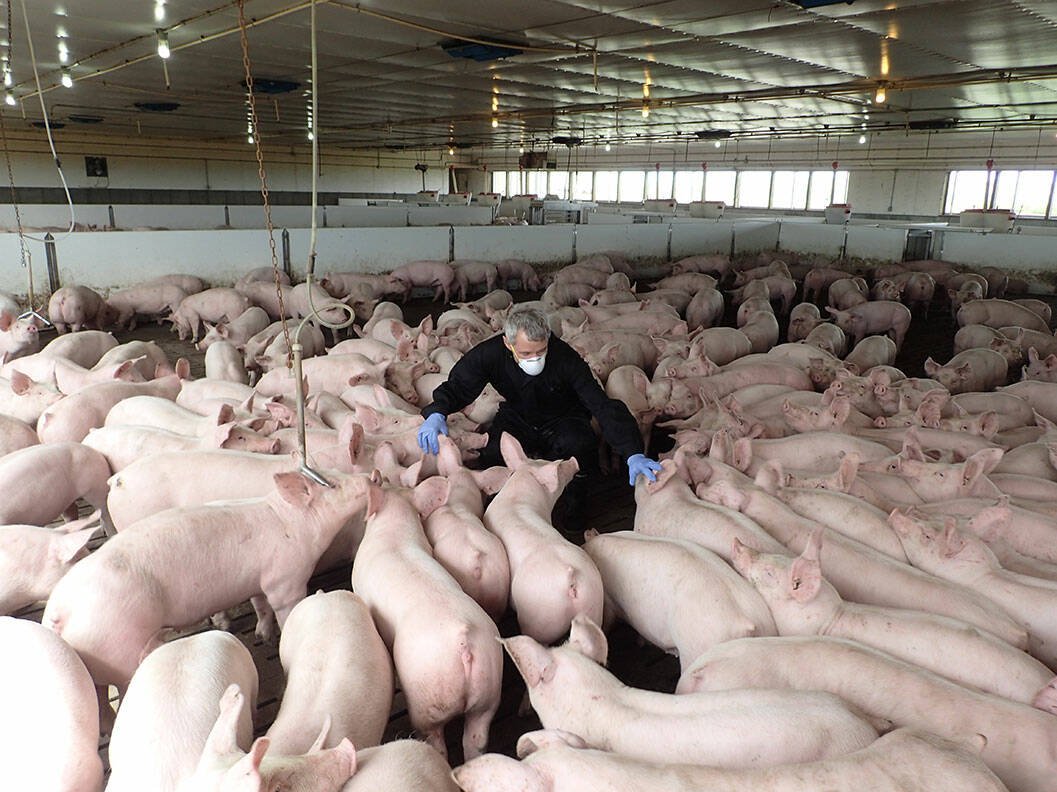
The act bans individuals from accessing farms and animal processing facilities under false pretenses, such as by obtaining jobs to conduct undercover investigations or whistleblowing on animal cruelty.
How the case reached this point
In April 2024, Ontario Superior Court Justice Markus Koehnen struck down key provisions within the act — specifically prohibiting journalists and activists from using deception to obtain farm employment, and consent for access, to document conditions undercover — which violated freedom of the press and of expression under the Charter of Rights.
The decision acknowledged that, as fundamental as news reporting is to “the health of a free society,” it doesn’t entail that any means used to gather that information are constitutionally protected.
“Or that any law that creates an impediment to news gathering is constitutionally suspect,” stated the decision.
What the Appeal Court ruled
The appellate court concluded that under Ontario law and regulation, animal advocacy groups and whistleblowers remain unrestricted in how they communicate their messages about farm practices to the public.
Furthermore, it stated the Charter’s purpose is not to safeguard the practice of lying to farmers to record how animals are treated, with the end goal of gathering information for an “exposé to further a political cause.”
“They can say what they like, to whomever they like. What they are restricted from doing is entering farms without informed consent,” stated the decision. “Farm operators are entitled to know whom they are dealing with so they can assess what risks they are willing to accept.”
Farm groups welcome the ruling
The agricultural community is celebrating the move, saying it reaffirms the importance of protecting Ontario farms, livestock and poultry from longstanding concerns related to farm trespass, biosecurity and on-farm safety.
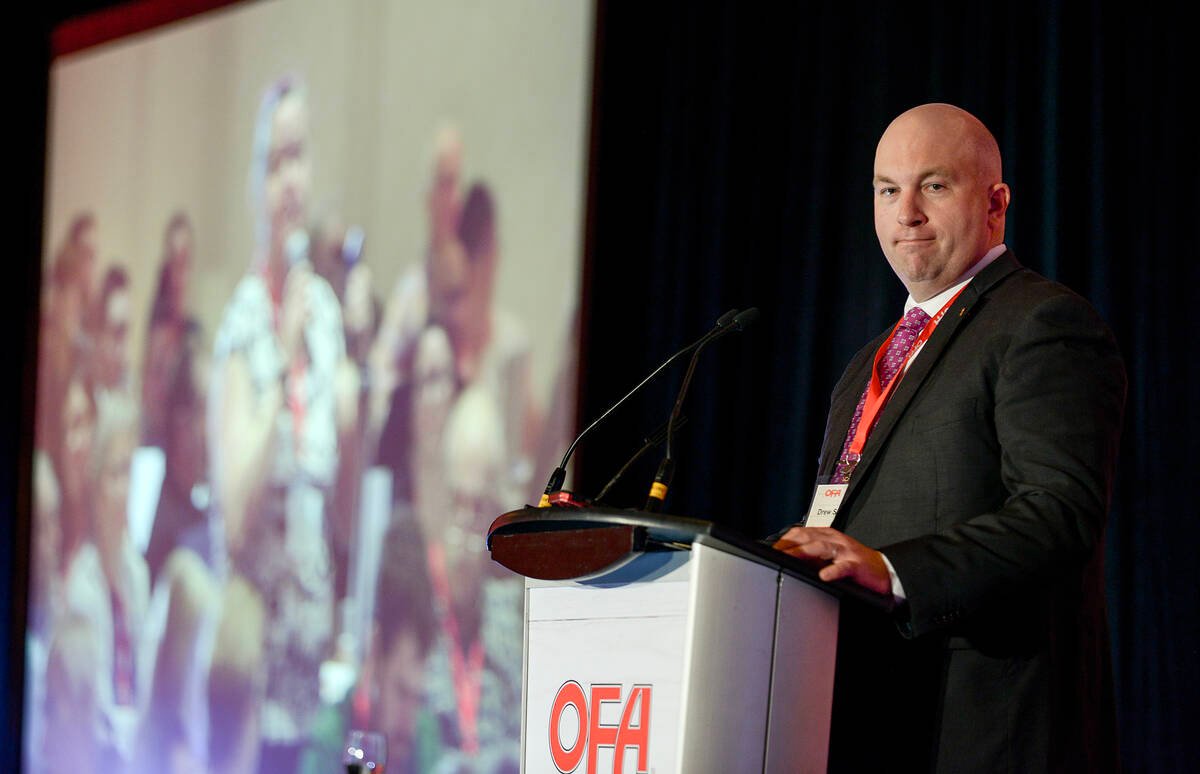
“The Court’s ruling reinforces the importance of respecting private property rights while maintaining strong standards for animal welfare and food safety,” said Drew Spoelstra, president of the Ontario Federation of Agriculture. “Ontario farmers are committed to transparency, accountability and the responsible care of animals.”
LeaAnne Wurmli, Beef Farmers of Ontario’s director of communications, said the court’s decision reinforces that farmers should not be forced to accept deception, trespass or unauthorized access as a condition of operating their businesses, or a risk to their livelihoods.
Wurmli said the farm organization respects the right to peaceful and lawful protest, freedom of expression, public discussion about food production practices and animal agriculture, and is committed to animal care, transparency and accountability.
However, farms are private property, workplaces and often, family homes and at its core, she said, the case was not about the right to speak, criticize agriculture or advocate for policy change; it was whether individuals should have the right to gain access to private farms and workplaces through deception.
“The decision reinforces an important principle: transparency and public debate must be balanced with respect for private property, biosecurity, animal welfare, employee safety and the integrity of the food system,” she said in a release.
Animal Justice vows to fight on
Animal Justice lawyer and director of legal advocacy, Kaitlyn Mitchell, stated in a June 3 release that it was a “dark day for freedom of expression in Ontario.”
Mitchell said the ruling puts employee whistleblowers, journalists and animal protection advocates at risk of prosecution for “doing vital work to expose hidden animal suffering inside Ontario farms and slaughterhouses.”
“This is a legal battle of massive importance and consequence,” wrote Camille Labchuk, Animal Justice executive director and lawyer, in a June 15 email. “Our lawyers have already begun working to get this case before the Supreme Court of Canada — a process in itself that will take months of legal expertise to ensure that animals have a fighting chance at the country’s top court.”
Whistleblower protection disputed
The regulation stipulates that consent obtained by a false statement will not be considered obtained under false pretences if the person is a journalist and meets other criteria and that employees of farm or animal processing facilities are exempt from liability when acting as whistleblowers.
“Undercover exposés are vital to exposing illegal animal abuse and suffering caused by standard industry practices, and we plan to continue fighting to protect this fundamentally important form of expression,” said Mitchell.
Contrary to that, the appellate court decision stated that a whistleblower can report “multiple incidents sequentially” anonymously to the appropriate authorities without limiting their investigation.
However, the whistleblower is not sheltered if the practice they believe is harmful to a farm animal is legal.
“This is key because many of the practices (the) respondents oppose and want to document are lawful and common in farming,” stated the Appeal Court. “They hope that showing images of these lawful practices will lead the public to stop consuming animal products or advocate for stricter regulation, or both.”
The post Farm trespass law restored on appeal, but the battle moves to the Supreme Court appeared first on Farmtario.


