

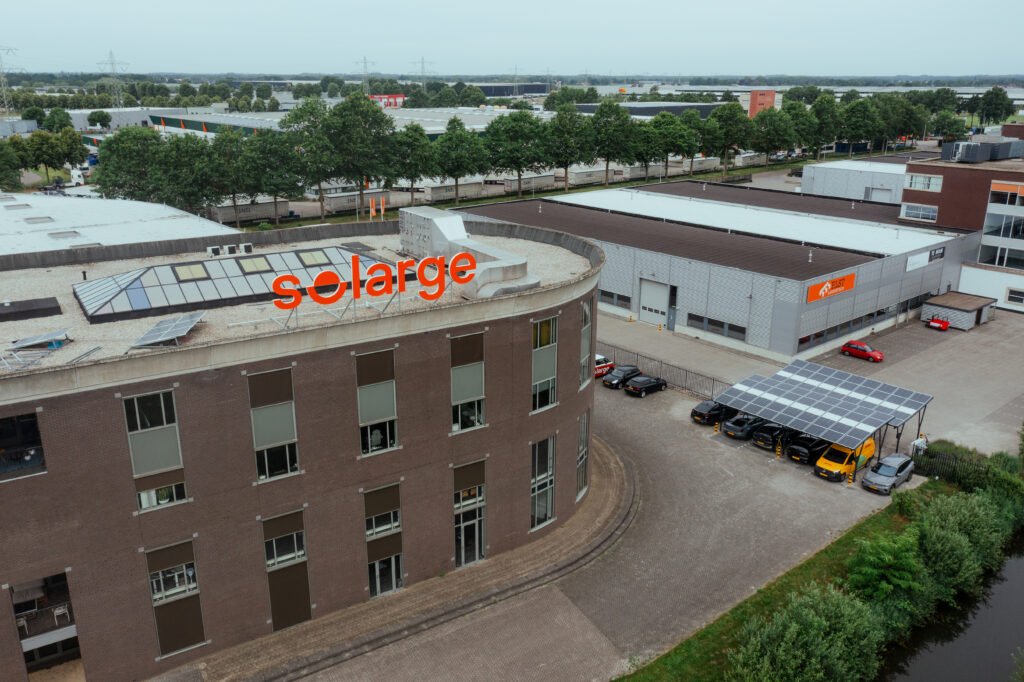
The European photovoltaic industry seeks to differentiate itself from Asian competitors by focusing on innovation, sustainability, and circularity. An example of this strategy is Solarge, a Dutch manufacturer that produces ultra-lightweight, fully recyclable solar modules at an automated plant in Weert, in the southern Netherlands.
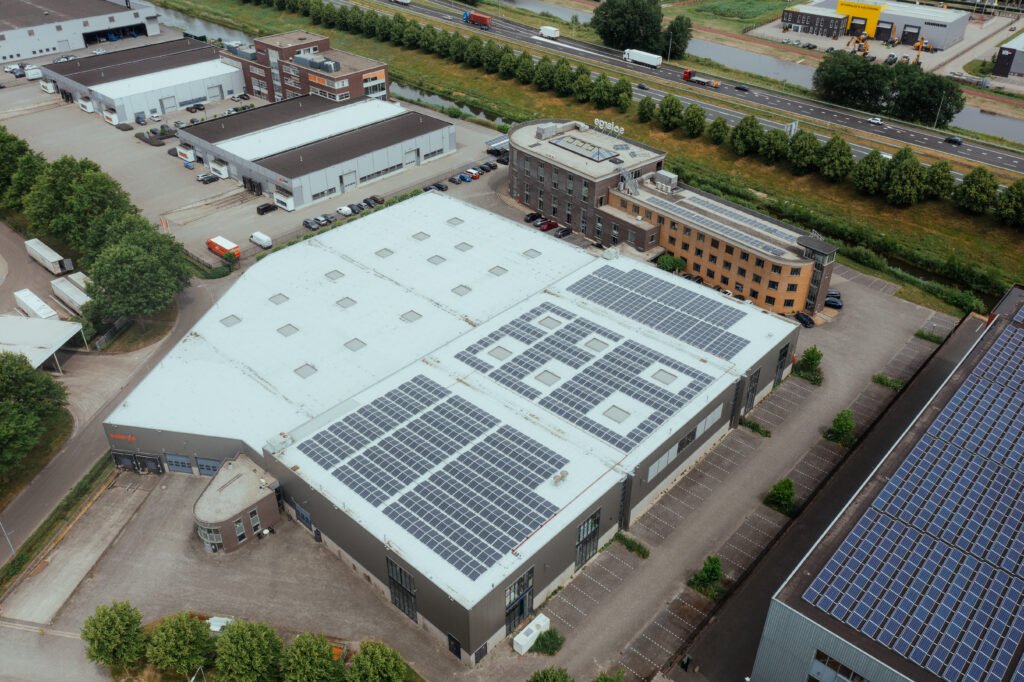
Operational since May 2023, the factory currently has an annual production capacity of 150 MW—equivalent to around 300,000 solar panels per year—but plans are in place to scale up output. The company also states that its facilities and infrastructure are designed to support a future expansion to 400 MW.
A solar panel without glass, aluminium or toxic substances
Solarge’s flagship product is the SOLO module, which departs from conventional panel design. Instead of glass and aluminium frames, it uses composite materials, reducing the module weight to 5.5 kg/m², which is approximately half that of traditional solar panels.
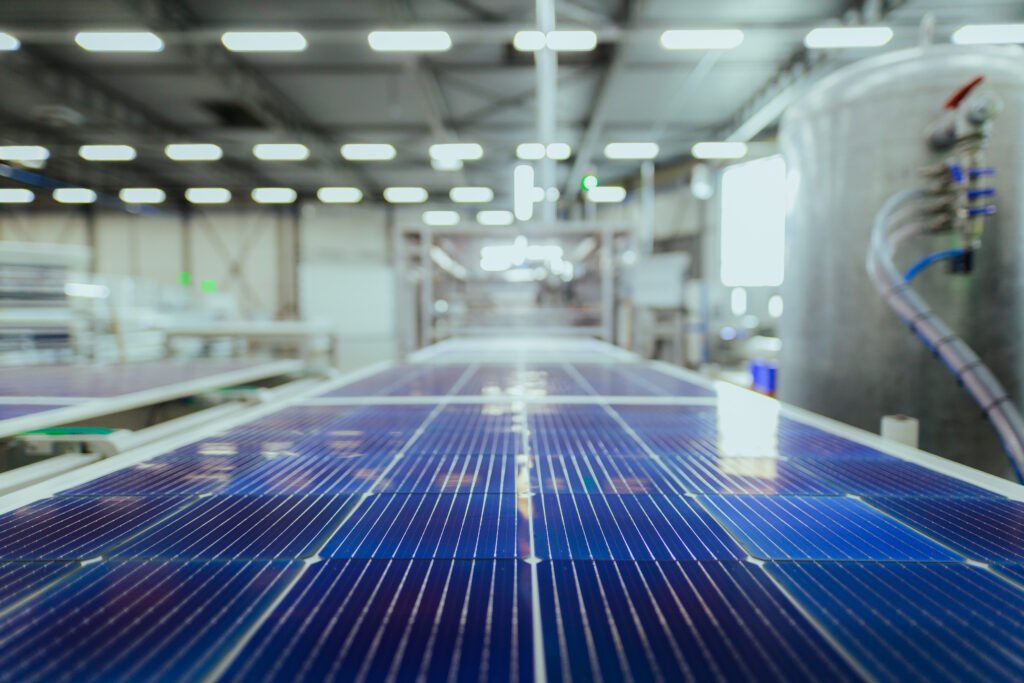
The company also highlights the elimination of substances considered environmentally problematic. The module is free of the so-called “forever chemicals,” or PFAs, and antimony—two materials that are attracting increasing regulatory and environmental scrutiny.
Thanks to this design, the manufacturer has developed a fully circular panel. The company offers a buy-back guarantee at the end of the product’s life and commits to recovering and recycling all materials without resorting to “downcycling,” meaning the recovered materials retain their quality and value in subsequent applications.
First solar module certified under Cradle to Cradle Circularity 4.1
Solarge says its focus on circularity has enabled a dual milestone: the SOLO module is, according to the company, the first solar panel worldwide certified under the C2C Certified Circularity program and the first to meet the requirements of version 4.1 of the standard.
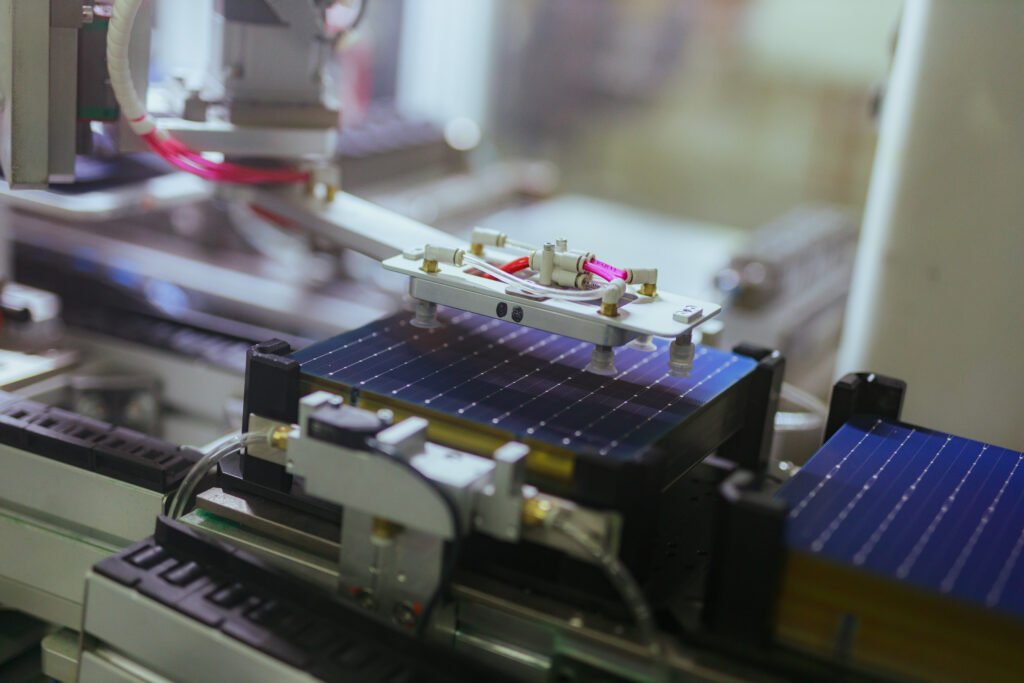
The certification obtained is at Silver level, independently verifying that the product has been designed according to lifecycle and resource-optimization criteria aimed at keeping materials in continuous use for as long as possible.
A solution for roofs with structural limitations
The manufacturer highlights weight reduction as one of its key competitive advantages. Millions of square metres of roofing on industrial facilities, logistics centres, public buildings, and older structures cannot support conventional photovoltaic systems due to structural limitations.
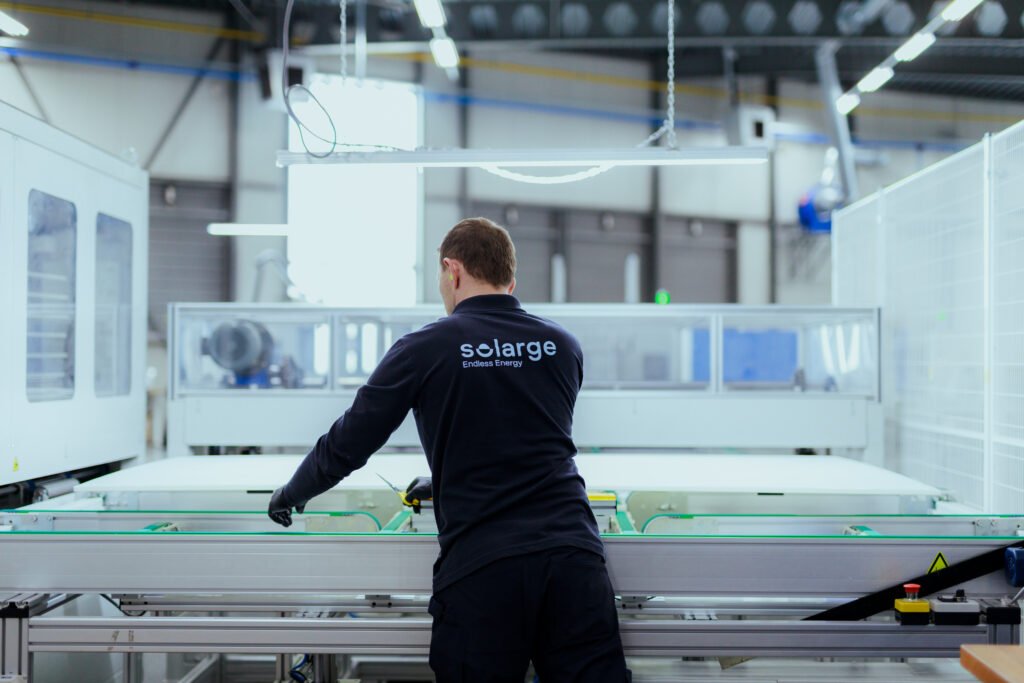
According to the company, its modules allow these surfaces to be used without the need for structural reinforcement, as their low weight maximizes the available area for solar installations. They also highlight applications such as photovoltaic carports, ground-mounted systems, and projects linked to airports and transport infrastructure. In these latter cases, Solarge emphasizes that the panel design helps to minimise glint and glare, a particularly important factor in airport environments.
Previous articles in pv magazine‘s new series on solar manufacturing facilities around the world covered Sunmaxx’s PVT module factory in Germany, SoliTek’s fully-automated line in Lithuania, United Solar’s polysilicon factory in Oman, Belga Solar’s module production facility in Belgium, Midsummer’s CIGS factory in Italy, and Tindo Solar’s PV module plant in Australia.
The post Inside PV manufacturing: Solarge’s module factory in Netherlands appeared first on pv magazine Global.


