
Imagine a typical suburban neighborhood. Homeowners are tending their gardens and children are playing outside, but new updates about ocean pollution leave some residents concerned as scientists report about microplastics contaminating even the most remote seafloors and affecting millions of marine life.
However, many homeowners are unaware that daily activities on their own properties can also contribute to the microplastics problem, regardless of their distance from the sea.
A study from the University of Vienna found that land sources, which include residential areas, account for 20 times more airborne microplastics than oceans. These particles are so small that people and animals can inhale them. The wind can take them far, and then the particles settle in soil and water. It affects both terrestrial and aquatic life. In fact, your home could be generating microplastics right now.
Understanding Microplastics from Land Sources
Microplastics are plastic fragments that measure between one nanometer and five millimeters. Note that a nanometer is a fraction of a human hair’s width. Most of these particles come from the degradation of larger plastic products. Some are made to be small, like the primary microplastics in the form of beads in toothpastes and facial exfoliants.
Plastic materials can turn into particles due to friction, regular wear and abrasion. UV and thermal radiation can also gradually degrade them, and the extent varies depending on the material and weathering conditions. Once microplastics are produced, the wind can lift and disperse them across vast distances. Strong air currents can carry them high into the atmosphere, allowing them to reach even remote environments.
In arid or dry weather, microplastics can mix with dust on soil, roads and other surfaces. Mechanical disturbances, like passing vehicles or agricultural tilling, can cause these particles to rise back into the air.
The Land-to-Air Pathway
How microplastics transition from land to air varies depending on the source. For example, exterior building paints can peel and flake due to UV radiation and weathering. They turn brittle and shed fragments that the wind can disperse.
Microfibers from synthetic textiles can shed particles when running a load of laundry. These travel through wastewater and get trapped in treatment plants, a substantial amount ending up in agricultural fields as fertilizer, and microplastics in soil can become airborne through erosion.
Health and Environmental Concerns
Microplastics are physical hazards and toxic chemical vectors across ecosystems. People can consume 74,000 to 121,000 microplastic particles annually through air and food exposure. Inhaled particles can damage the lungs, and their toxic chemicals and additives can contribute to health problems like cancer and reproductive issues. Buildups in the soil and water can contaminate food sources and disrupt ecosystems.
The Home Property Audit: Finding Where Microplastics Are Generated
Here’s a look at the various sources of microplastics around your home and how to check them for particle buildup.
Zone 1: Driveway and Parking Areas
These are typically the areas that generate the most microplastics because of tire wear.
| Source | Problem | Scale | Check for |
|---|---|---|---|
| Car tires | Wears down whenever cars accelerate, brake or turn | Can shed 2.8 to 4 kilograms during its lifetime | Black dust accumulation in your driveway edges |
Zone 2: Lawn and Landscape Surfaces
These outdoor surfaces can produce a significant amount of microplastics.
| Surface | Problem | Scale | Check for |
|---|---|---|---|
| Synthetic turf | Releases particles due to UV radiation, while rubber infill materials degrade | Up to 20,000 artificial turf fibers a day can end up in bodies of water | Black rubber granules migrating beyond the turf area |
| Plastic landscape edging and weed barriers | Releases microplastics into the soil due to UV radiation | Depends on the material quality and sun exposure | Brittle, flaking plastic edges |
| Rubber mulch | Degrade over time due to friction and abrasion | Can release a substantial amount, sometimes on par with motorway tire wear | Black dust in the surrounding areas |
Zone 3: Outdoor Furniture and Recreation Areas
These surfaces get a lot of use and are often exposed to the elements.
| Surface | Problem | Scale | Check for |
|---|---|---|---|
| Plastic furniture | Surface flaking due to UV radiation | Minor compared to turf and tires, but cumulative | Faded, chalky surface and plastic dust when wiping |
| Playground equipment | Wears down due to friction, abrasion and UV radiation | Minor compared to turf and tires, but cumulative | Shiny wear patterns and rough textures |
| Trampoline mats and netting | Gradually deteriorates due to UV and friction | Concentrated the microplastic particles due to the enclosed setup | Fraying edges and powder on the surface |
Zone 4: Building Exterior and Structures
These areas often bear the brunt of extreme weather.
| Surface | Problem | Scale | Check for |
|---|---|---|---|
| Vinyl siding | Releases microplastic particles due to weathering | Wears down slowly but constantly over the building’s lifetime | Fading color and chalky residue |
| Plastic planters and pots | Degrades due to UV radiation | Minor but avoidable with shade | Brittle, cracking plastic |
| Outdoor plastic storage sheds | Fully exposed to UV, which can accelerate particle generation | Moderate, depending on the material quality | Fading, surface roughness |
Zone 5: Gardens and Growing Areas
These features are often deliberately placed in the sun, which can accelerate plastic deterioration.
| Surface | Problem | Scale | Check for |
|---|---|---|---|
| Plastic mulch film | Intended for single-season use, but fragments can remain in the soil afterward | Can be significant in agricultural settings, but moderate in home gardens | Film fragments in soil after removal |
| Landscape fabric under mulch | Deteriorates over time and mixes with the soil | Depends on the quality, with subpar materials disintegrating faster | Black threads are visible in mulch |
| Plastic plant pots buried at grade | Degrades due to UV radiation | Minor |
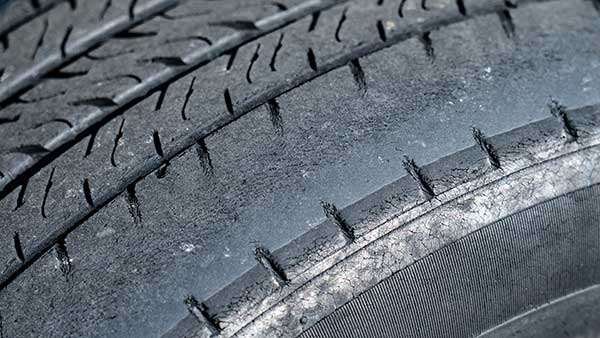
The Biggest Culprit — Tire Dust Management
Tire dust is one of the most abundant forms of microplastics in the environment.
Every vehicle in the world creates tire dust whenever it’s on the move. The contact between the rubber tread and pavement creates mechanical shearing and intense frictional heat, which scrapes off microscopic layers of material. Cars can produce roughly 110 milligrams of tire wear per kilometer, which can increase with intense acceleration, braking and turning. It’s no wonder tire particles from vehicles account for 60% of the overall microplastic pollution.
Tire microplastics are roughly 100 nanometers or smaller, which means they disperse easily in the air. What makes these harmful is their hazardous composition. Typical tires are around 24% synthetic rubber, 19% natural rubber and a plastic polymer.
Reduction Strategies for Homeowners
It takes a holistic approach to reduce the tire dust you generate. Consider these strategies:
- Avoid aggressive starts and hard stops, as they generate significant friction.
- Drive at lower, consistent speeds to generate fewer particles.
- Drive on smooth, seal-coated asphalt surfaces whenever possible.
- Use wet cleaning methods in your driveway to capture and wash particles away.
- Plant dense foliage along your driveway edges to capture airborne microplastics.
- Invest in higher-quality tires with slower wear rates.
Tire Dust Management Limitations and Reality
It’s impossible to eliminate tire wear completely because friction is a basic physical requirement for vehicles to roll, steer and brake. Instead, the goal is to minimize unnecessary generation and contain particles before they enter the ecosystem.
For example, direct car wash water with tire particles, brake dust and soap away from storm drains, which lead to local waterways. If possible, you can instead guide the hazardous water toward a sanitary sewer for wastewater.
Synthetic Turf — The Hidden Cost of “Low Maintenance”
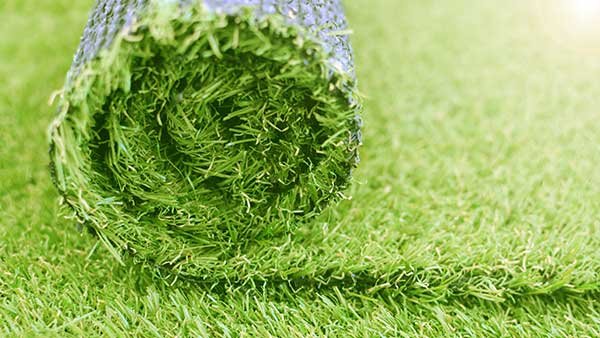
Artificial grass is one of the most significant sources of microplastics in residential areas.
Sunlight, temperature fluctuations and mechanical wear, like foot traffic, can splinter artificial grass blades into microscopic fragments. The turf’s infill can also spread beyond the perimeter and pollute nearby soils and aquatic environments. While artificial grass can typically last between eight and 15 years, it can start shedding fibers years before the end.
Health Concerns With Synthetic Turf
Artificial turf and the recycled tire crumb rubber infill it contains include harmful elements, like polycyclic aromatic hydrocarbons (PAHs), volatile organic compounds (VOCs) and heavy metals. Synthetic grass also absorbs heat, and it can get 30-50 °Fahrenheit hotter than natural fields during sunny days. The turf can get hot enough to cause direct contact burns and induce heat exhaustion during hot days. Imagine children who love playing on lawns coming home with burns.
If you’re considering artificial grass for your lawn, here’s a sample breakdown of its typical costs:
- Artificial grass installation: Costs around $5-$20 per square foot, which can cover both materials and labor. Fixed contractor setup and base prep fees can affect the price of smaller projects.
- Maintenance: Deep cleaning, power brushing and infill replacements fall between $300-$800 per year. You can save money if you do these tasks yourself, but you may still need to rent or invest in upkeep equipment.
- Removal and disposal: Standard removal and hauling typically costs $1-$3 per square foot. Contractors may charge more if the job involves specialized hazardous waste disposal.
- Natural grass: Only costs $0.10-$1 per square foot to put down sod and seed. While ongoing watering can increase your consumption, investing in an irrigation system can help you save 20% to 50% on water bills in the long run.
Alternatives to Synthetic Turf
You can have a beautiful yard without generating microplastics with these alternatives:
- Natural grass: Produces biodegradable clippings
- Clover lawns: Drought-tolerant, effective in nitrogen-fixing and rarely needs mowing
- Native groundcovers: Adapted to the local climate and require minimal maintenance
- Decomposed granite or gravel: Permeable and plastic-free
- Mixed approach: Hardscape for high-traffic areas and natural groundcovers for the rest
What to Do If You Already Have Synthetic Turf
Keep your artificial lawn’s microplastic particles minimal with these tips:
- Rinse the turf regularly to prevent synthetic fiber buildup.
- Replace the infill with natural materials whenever possible.
- Contain the edges to prevent infill migration.
- Plan for removal when the synthetic lawn’s lifespan ends.
Material Swaps That Reduce Microplastic Generation
Replacing certain items and features in your yard can minimize the plastic fragments your property generates.
| Material | Alternatives | Impact | Cost | Notes |
|---|---|---|---|---|
| Resin or plastic outdoor furniture | Wood (FSC-certified), metal (aluminum, steel), stone | Eliminates the UV degradation source | Comparable or higher up front, but longer lifespan offsets it | Wood requires sealing or staining, and metal may need rust protection |
| Plastic landscape edging | Metal (aluminum, steel), stone, brick, wood | Permanent materials don’t degrade | Metal or stone costs more up front but lasts indefinitely | The installation has a similar difficulty level |
| Rubber mulch materials | Wood chips, bark, straw, leaves | Organic mulches are biodegradable and microplastic-free | Cheaper and available locally | Need replenishment annually (1–3 inches) |
| Plastic landscape fabric or weed barriers | Cardboard, newspaper, natural fiber mats (jute, coir) | Biodegradable options decompose cleanly | Cheaper or free (cardboard) | Works equally well for initial weed suppression |
| Plastic plant containers | Terra cotta, ceramic, wood, fiber pots | Reduces the UV degradation source | Similar or slightly higher | Terra cotta is breathable but breakable, while fiber pots are compostable |
| Plastic playground equipment and play surfaces | Wood, metal | Reduces friction-generated particles | Comparable for new installations | Modern wood or metal equipment meets safety standards |
| Rubber mulch as groundcover for play areas | Wood chips (playground-certified), sand, pea gravel | Eliminates major particle source | Cheaper | Certified wood chips meet fall-height requirements |
Maintenance Practices That Minimize Particle Generation
Learning how to reduce microplastics involves exploring upkeep strategies and determining which one works best for your yard setup.
Cleaning Strategies
Here are practices that trap and isolate microplastics, keeping them from becoming airborne or washing directly into vulnerable ecosystems.
- Opt for wet cleaning methods over dry sweeping, as the latter can agitate settled dust and launch particles into the air.
- Use high-efficiency particulate air (HEPA) vacuums when cleaning patios and enclosed areas, as they can safely trap microscopic plastic fragments.
- Direct your wash water to the sanitary sewer to keep it from flowing into the storm drain or seeping into the soil.
- Clean your outdoor furniture regularly to prevent particle accumulation.
UV Protection
Sunlight can cause plastic materials to fade, crack and splinter into tiny fragments, which is why UV protection strategies can help reduce microplastic generation, such as:
- Cover or store outdoor items when they’re not in use.
- Use natural fiber covers instead of plastic tarps to block UV rays without adding synthetic pollutants to your space.
- Invest in shade structures to reduce direct sun exposure and lower heat accumulation, both of which accelerate material breakdown.
- Apply UV-protective sealants to plastic items and surfaces to create an extra barrier against sunlight.
Vegetation Management
Plants can trap and immobilize particles, which keeps them from spreading. Here are strategic vegetation management tips to cultivate extra barriers to microplastics:
- Grow dense plants along high-particle areas, like driveways and roads, to reduce wind speed and trap microscopic fragments.
- Cultivate groundcovers to create a physical mesh at the soil level to lower wind velocity near the ground and stop microplastics from becoming airborne.
- Water your garden, lawn or yard regularly to keep the soil and surrounding foliage damp and ready to capture dust and plastic particles.
- Avoid using leaf blowers, as they can lift and re-aerosolize settled particles instead of removing them.
Seasonal Considerations
With the right seasonal care, you can minimize the mechanical wear and chemical breakdown of synthetic fabrics. Consider these tips:
- Deep clean in spring to remove the plastic particles that winter frost and winds have turned brittle.
- Set up UV protection measures in summer to protect plastic furniture, features and surfaces from solar radiation and high temperatures.
- Remove plastic and sweep up debris before winter storage to prevent freeze-thaw cycles from trapping particles deep in the soil.
- Remove debris and organic matter from your yard before spring meltwater flushes accumulated microplastics into waterways.

The Indoor-Outdoor Connection
Microplastics can enter your home from outside, and once they settle, the risk of occupants inhaling or ingesting them increases.
How Yard Microplastics Enter Your Home
Microplastics in the environment can get into indoor spaces in various ways. Shoe treads can pick up contaminated dirt and dust and track them into the house. Open doors and windows can let wind-blown microplastics pass through.
Microplastics in the soil and yard debris can stick to your clothes when you work outside. Your pet’s fur and paws can act like static brushes, gathering plastic-laden dirt and dust when they roam your yard.
Indoor Accumulation and Exposure
When synthetic particles infiltrate your home, they can settle in dust and cling to various household items. Carpets and upholstery can trap them. Every time you sit on your plush sofa or walk over a rug, you risk releasing the microplastics that have settled.
Using a non-HEPA vacuum to clean can also blast fine plastic particles back into the air, where they remain suspended for hours. Airborne microplastics typically stay close to the ground. That means crawling toddlers, young children and pets are the ones most at risk of inadvertently breathing them in.
Reduction Strategies for Indoor Spaces
While there’s no telling exactly how much microplastics are present in your home, you can take measures to reduce them. Consider these tips:
- Ask everyone to take off their shoes and leave them at the door.
- Place a coarse scraper mat outside the door to encourage people to loosen the debris in their shoe treads.
- Add a highly absorbent doormat inside the door to trap fine particles before they hit indoor floors.
- Run HEPA air purifiers designed to trap the tiny, floating particles.
- Wipe hard surfaces with a damp cloth and mop before vacuuming to keep microplastics from recirculating into your breathing space.
- Wipe or wash your pet’s paws after every outdoor time.
Ventilation Considerations
Ventilation with microplastics reduction in mind can be tricky. While you need fresh air to reduce plastic fragment concentrations, opening doors and windows also risks letting in particles. The key is to balance filtration. Combine controlled, short bouts of ventilation with aggressive indoor air filtration.
You can run portable HEPA air purifiers. However, if you want a more long-term solution, upgrading your HVAC system to MERV 13+ filters is a good step. Microplastics can bypass common, low-rated filters, which are typically MERV 8 and below. In contrast, higher-rated models can capture most microplastics.
You can also invest in window screens. While they can let in microscopic particles, they’re a good partial barrier against larger bits of dust and macro-debris.

A Cost-Benefit Analysis of Microplastic Reduction
Here’s a closer look at how material swaps and mindful changes can help you reduce the microplastics you generate.
High-Cost Swaps With Long-Term Savings
Replacing plastic lawns and furnishings with more natural alternatives may seem expensive up front, but they tend to provide significant savings down the line.
| Synthetic turf to natural lawn and similar alternatives | |
|---|---|
| Up-front cost | $2,000–$8,000 removal + $500–$3,000 landscaping |
| Annual savings | $300–$800 synthetic maintenance vs. $200–$500 natural lawn |
| Payback | 3–7 years, then ongoing savings |
| Plastic furniture to wood or metal | |
|---|---|
| Up-front cost | 20–50% more initially |
| Lifespan | 2–3x longer (15–25 years vs. 5–10) |
| Net cost | Lower over its lifetime |
Moderate-Cost Swaps With Environmental Benefit
These swaps offer excellent environmental benefits without breaking the bank.
| Rubber mulch to natural mulch | |
|---|---|
| Up-front cost | Natural is cheaper ($30–$50/cubic yard vs. $100–$200) |
| Replacement frequency | Annual (natural) vs. every 3–5 years (rubber) |
| Annual cost | Similar or |
Low or No-Cost Changes With Immediate Impact
Integrating these practices into your daily life can give you immediate results at little to no cost. A shoes-off policy and adopting wet cleaning practices are free. Covering outdoor items with natural fiber covers and vegetation may be free or low-cost, depending on what materials you already have.
Prioritizing Investments
Reduction methods have different levels of impact:
- Highest impact: Synthetic turf removal, tire dust management
- Medium impact: Investing in natural furnishings and planters, especially in high-UV areas
- Lower impact: Small item swaps and seasonal considerations
- Free impact: Cleaning and maintenance practice changes
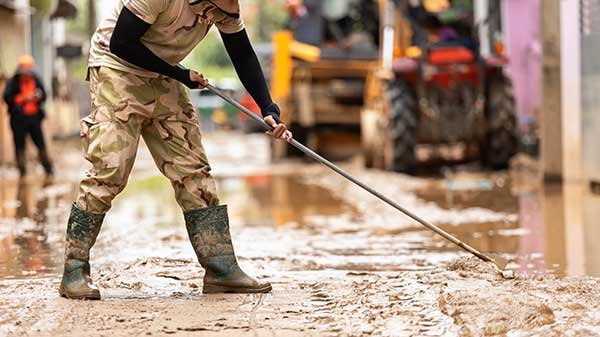
Beyond Your Property — Community-Level Actions
The microplastic problem goes beyond your property line. Here are some ways you and your community can help reduce it.
Municipal Landscaping
Municipal landscaping mitigates microplastic pollution by stopping it at the source. It replaces plastic surfaces with healthy soil and natural vegetation to trap micro-debris. You can help drive changes in it by:
- Advocating for natural materials in public parks to reduce the things that shed fragmented plastics
- Questioning synthetic turf installation in schools, sports fields and other high-traffic, high-UV areas
- Supporting tree-planting programs, which increase biological filters that can also prevent runoff after rain
Storm Drain Management
Urban stormwater runoff can carry microplastics to lakes, rivers, oceans and water reservoirs. Storm drain management helps intercept these particles before they reach vulnerable waterways. You can help promote it by:
- Supporting programs that filter stormwater before waterway discharge, like those that place engineered systems and catch basin inserts into storm sewer networks
- Preventing direct runoff from your driveway to storm drains by grading the ground toward a lawn or gravel pit
- Setting up a rain garden, which helps filter runoff and hold water up to 24-48 hours after rainfall
Road Maintenance
Community road maintenance strategies can intercept tire particles and other microplastics at different stages of their journey. These include street sweeping programs, where mechanical or regenerative-air sweepers regularly travel along curbs to vacuum and sweep up accumulated dirt, debris and tire dust.
Another option is porous pavements with interconnected void spaces that trap particles and allow water to filter through the road surface and into the underlying soil. Finally, vegetation buffers along roadways can catch plastic fibers and settle them into the soil before the water reaches municipal stormwater networks.
Policy Advocacy
Advocating for policies helps translate environmental concerns into enforceable laws. It compels industries and authorities to take responsibility for microplastic pollution at the source by lobbying for systematic changes instead of relying solely on people’s habits. Examples of advocacies worth fighting for include:
- Extended producer responsibility (EPR) for synthetic turf, which shifts the burden of waste management to the manufacturers
- Tire wear particle regulations, which are already emerging in Europe
- Municipal and state building code updates that limit outdoor plastic materials
- Public awareness campaigns, which help build a coalition of voters who can demand legislative action
Measuring Your Impact
Gauging your microplastic reduction methods can help you pinpoint which changes yield the best health and environmental returns.
Qualitative Indicators You’re Reducing Microplastics
Your swaps and practice updates are likely working if you see these signs:
- Less black dust accumulation in driveway edges and other high-impact locations
- Cleaner rainwater runoff
- No visible plastic fragments in garden soil
- Less surface debris on patios and decks
Quantitative Approaches
If you want a more detailed look at the results of your efforts, consider these quantitative approaches:
- Conduct before-and-after air quality testing using specialized equipment.
- Have dust samples analyzed in a laboratory.
- Visually document the material degradation of your plastic items and surfaces.
- Track the replacement frequency of your outdoor items.
Realistic Expectations
You can’t eliminate all microplastics in your property unless you give up a modern lifestyle. Instead, the goal is to reduce as many unnecessary sources as possible. Every swap and habit change matters cumulatively. Also, keep in mind that your personal, more sustainable choices can help drive market shifts toward better materials.
From Yard to Watershed — Why Your Property Matters
Microplastic pollution often starts at home. The great news is that, as a homeowner, you have the power to manage the sources in your property. Ensure every landscaping decision considers your potential microplastic impact on the environment. With consistent efforts and choices, you can influence your neighbors and drive market demands toward more sustainable solutions.
About the Author
Rose Morrison is the managing editor of Renovated Magazine. She has over six years of experience writing about sustainability, circular economy, and better building. When not contributing to various reputable publications and advocating for environmental awareness, Rose loves being outdoors and spending time with her pets.
The post Guest Idea: Home Microplastics Reduction Strategies That Work appeared first on Earth911.
- Source: https://earth911.com/home-garden/guest-idea-home-microplastics-reduction-strategies-that-work/


