
Across the country, state agriculture departments prove that regional food procurement and distribution works for both farmers and consumers. Through federal and state programs, National Association of State Departments of Agriculture members are helping connect farmers to new markets while ensuring communities have access to fresh, nutritious food. These on-the-ground successes are strengthening regional food systems nationwide.
The need is clear. Small- and medium-sized farmers are ready to supply regional markets, and institutions like food banks, schools and hospitals want to buy local. Strategic investment paired with state-led implementation can help close these gaps and turn demand into durable market access.
States are already leading the way. In Washington, the U.S. Department of Agriculture’s Commodity Supplemental Food Program, which provides nutritious food to low-income seniors and serves more than 700,000 individuals nationwide, has been enhanced through state funding to better meet local needs. With a caseload of more than 5,400 participants, the Washington State Department of Agriculture expanded the program beyond supplemental to a full-service food distribution, supporting home delivery, adding fresh locally grown produce and investing in nutrition education. Adding regional produce to this service not only provides fresh, nutritious produce to seniors in rural Washington but also opens a new market for farmers to sell their products.
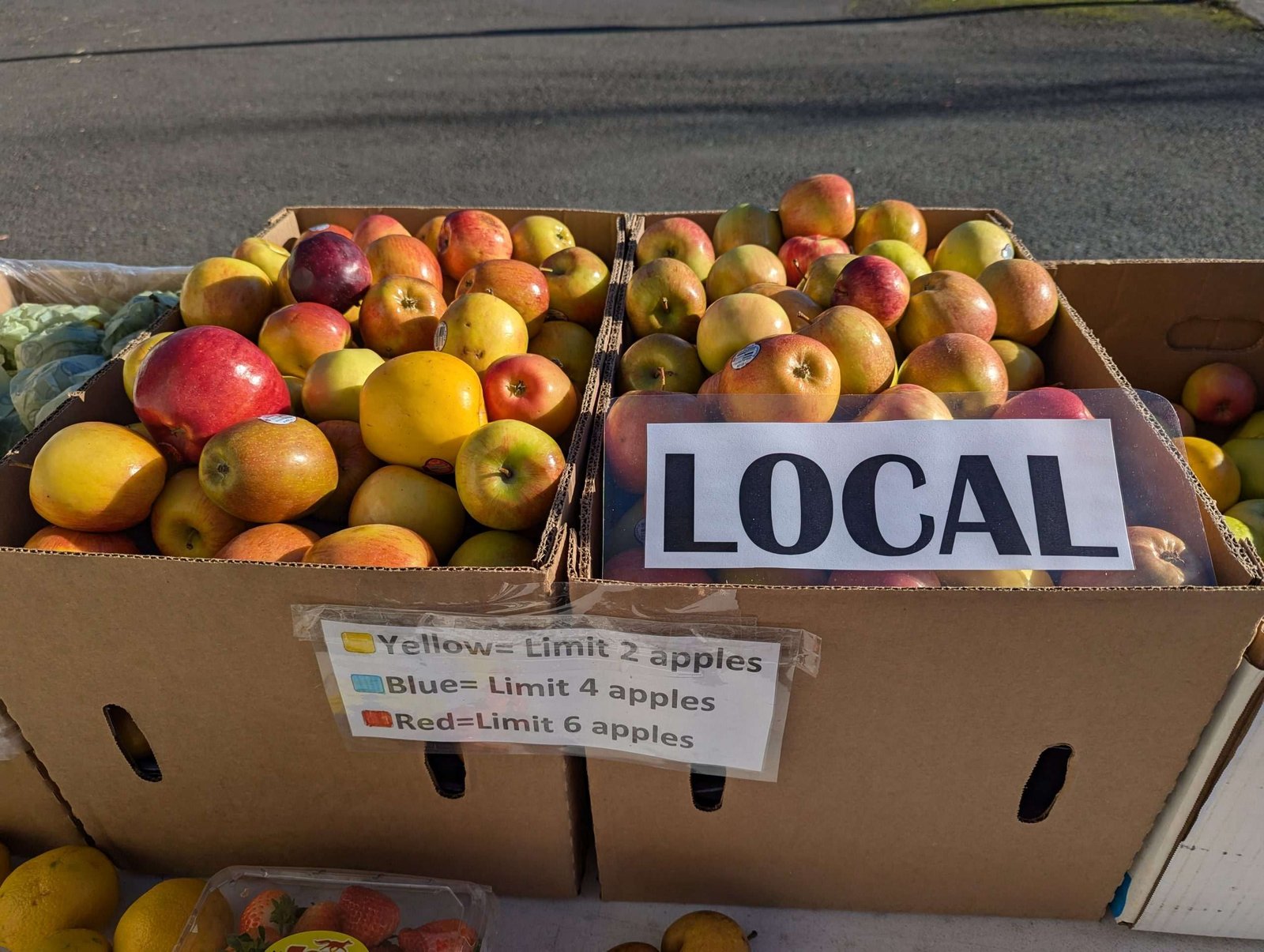
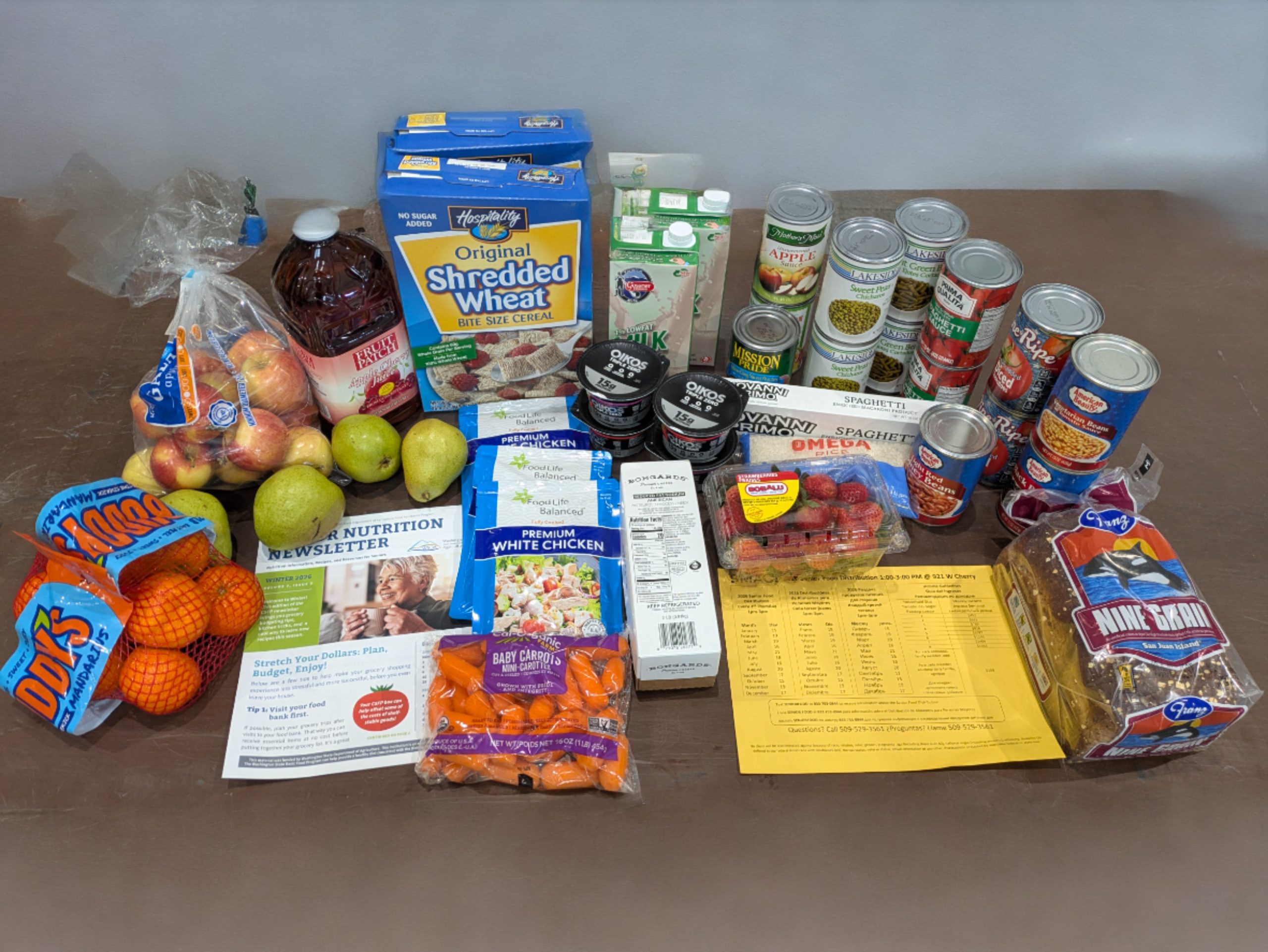
Local food available through the Commodity Supplemental Food Program in Washington.
Pennsylvania Department of Agriculture’s Agricultural Surplus System provides another example of strengthening regional food supply chains through state led programs. With consistent state funding and bipartisan support, PASS connects food banks directly with Pennsylvania farmers, creating reliable markets for farmers and increasing access to fresh, local food. The program has grown steadily, even during periods of uncertainty, thanks to coordinated advocacy and strong partnerships across the agriculture and hunger relief sectors.
Other states are continuing this momentum. Connecticut is using state and federal funding to help eligible residents access Connecticut grown fruits and vegetables while supporting local farmers and farmers’ markets across the state through the Farmers’ Market Nutrition Program, while Kentucky is making it easier for schools to buy directly from farmers and using state funds to award the schools utilizing the USDA Child Nutrition programs.
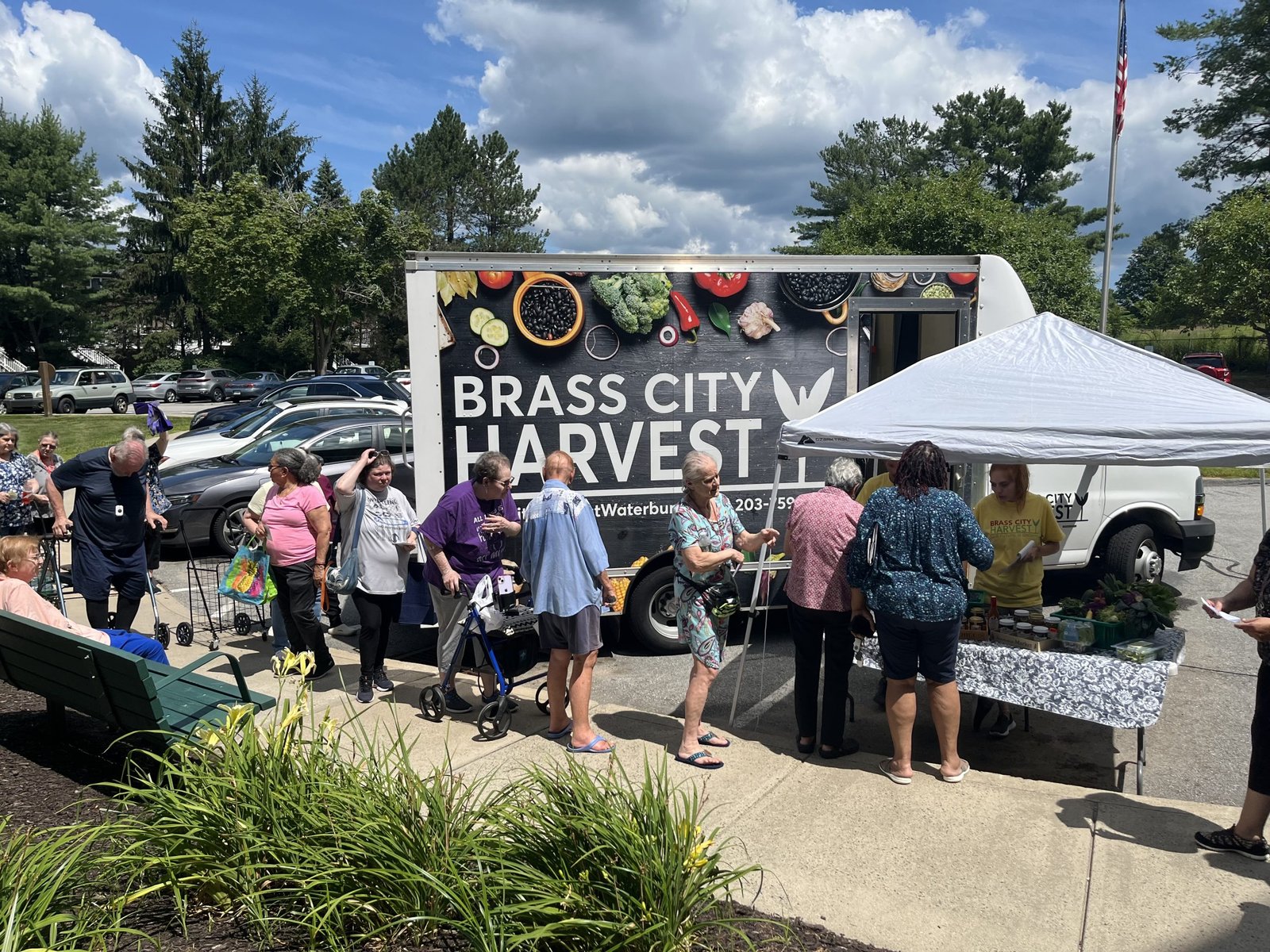

Participants shop at a Senior Farmers Market Nutrition Program pop-up market, where the Connecticut Department of Agriculture partnered with a certified CT Grown vendor to bring fresh, locally grown products directly to senior distribution sites.
These improvements made by the state department of agriculture demonstrate how permanent federal funding for flexible, state-led food purchasing programs help bridge local and regional farmers with new market access, address regional nutritional insecurity and hunger, and advance national public health outcomes.
NASDA continues to recommend and advocate for the expansion and codification of funding for cooperative agreements with state departments of agriculture for local and regional food purchases. State agriculture departments are uniquely positioned to coordinate with federal, state and local partners to meet regional needs for farmers, producers and hunger relief. As part of this effort, NASDA successfully elevated member priorities in the 2026 farm bill process.
The Farm, Food, and National Security Act of 2026 passed in the U.S. House of Representatives includes the Local Farmers Feeding Our Communities Act, which would codify state-led food purchasing programs for institutions such as food banks and schools. In the U.S. Senate, lawmakers introduced the bipartisan Strengthening Local Food Security Act, which would codify USDA’s local food purchasing cooperative agreement programs. Senators also introduced the bipartisan American Food Supply Chain Resiliency Act of 2026, which would codify and expand USDA’s Resilient Food Systems Infrastructure program by investing in middle-of-the-supply-chain equipment and infrastructure while establishing a Regional Food Systems Hubs program to provide streamlined access to business and technical assistance, coordination and resources for regional food systems.
NASDA supports expanding investments in food system infrastructure like aggregation, transportation and cold storage to strengthen the supply chain. Additionally, NASDA is advocating for permanent, flexible, state-led food purchasing programs that connect regional supply with regional demand. These proven models create new market opportunities for farmers, reduce food waste, and improve access to healthy foods, and more information on these policies and more can be found on NASDA’s one pager. Learn more about the regional food procurement and distribution policies that NASDA is advocating for at nasda.org/regional-food.
###
NASDA is a nonpartisan, nonprofit association which represents the elected and appointed commissioners, secretaries and directors of the departments of agriculture in all 50 states and four U.S. territories. NASDA engages state departments of agriculture to strengthen U.S. agriculture and allied industries through policy, partnerships and public outreach. To learn more about NASDA, please visit www.nasda.org.
Contact Information
Lauren Zajicek
Associate Director, Communications
lauren.zajicek@nasda.org
The post Regional food procurement: State solutions driving national policy appeared first on NASDA.


