
There are roughly 3 million unplugged, non-producing oil and gas wells scattered across the United States alone. Most of them sit quietly, seemingly dormant, no longer pumping anything out of the ground. For decades, regulators and researchers largely treated them as a minor footnote in the larger story of fossil fuel emissions. New research, however, tells a dramatically different story – one that could reshape how we think about methane pollution, climate accountability, and the enormous cost of doing nothing.
A growing body of scientific evidence now suggests that non-producing oil and gas wells are emitting microbial methane at rates up to 1,000 times higher than previous estimates had accounted for. That is not a rounding error. That is a fundamental misunderstanding of where our methane is coming from, and it carries serious implications for climate targets, air quality, and the communities living near these forgotten wells.
What the New Research Actually Found
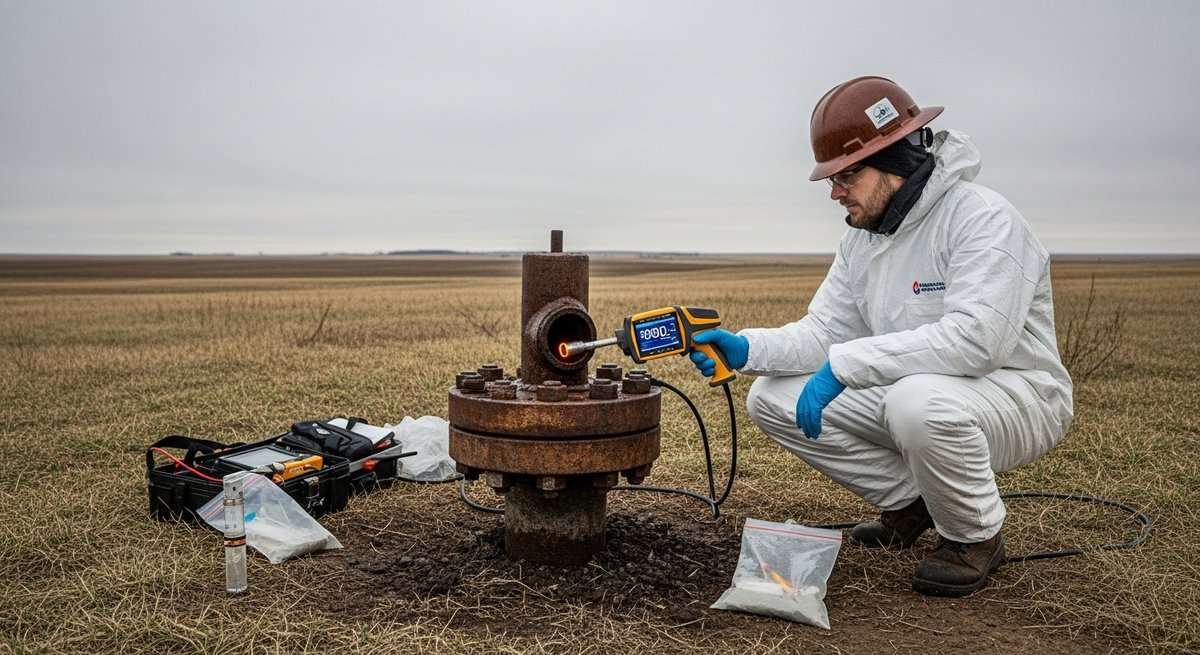
Researchers studying non-producing and abandoned oil and gas wells across major U.S. basins have been picking up methane signals that simply did not match what the models predicted. The source of the excess emissions is not thermogenic methane – the kind released when fossil fuels are extracted – but microbial methane, produced by bacteria living in shallow subsurface environments around well casings.
Microbial methane forms when microorganisms break down organic matter in low-oxygen conditions underground. Near old well infrastructure, the disturbed geology and compromised casings create ideal conditions for this bacterial activity to thrive. The result is a slow, steady, and largely invisible stream of methane seeping upward and into the atmosphere.
Previous emission inventories had either ignored this pathway entirely or assigned it negligible values. Field measurements using advanced sensors and isotopic analysis have since revealed the true scale. Some individual wells are emitting at rates orders of magnitude beyond what was ever factored into national greenhouse gas accounting.
This connects directly to broader concerns about why methane demands urgent and immediate attention as a climate driver, not just a secondary concern behind carbon dioxide.
Why Non-Producing Wells Have Flown Under the Radar

Part of the problem is definitional. A “non-producing” well is not the same as a properly plugged or decommissioned well. Many of these wells were drilled decades ago, generated revenue for a while, and then simply stopped being profitable. The companies that owned them moved on. Some operators went bankrupt. Others transferred ownership in ways that made tracking nearly impossible.
What remains is what the industry calls orphan wells – unplugged, inactive, often without a responsible party to manage them. In the U.S., estimates of orphan well counts range from hundreds of thousands to over a million when including wells with no solvent operator on record.
Regulatory frameworks were not designed with microbial emissions in mind. Inspection programs, when they exist at all, typically focus on liquid spills, surface equipment, or thermogenic gas leaks. The quiet biological activity happening in the shallow soils and sediments around old well casings was not something traditional monitoring was set up to catch.
Gas flaring has long been recognized as a significant pollution source from the fossil fuel sector – as covered in our reporting on gas flaring’s massive carbon pollution contribution – but idle and orphaned well emissions have received comparatively little policy or public attention.
The Climate Math Gets Worse
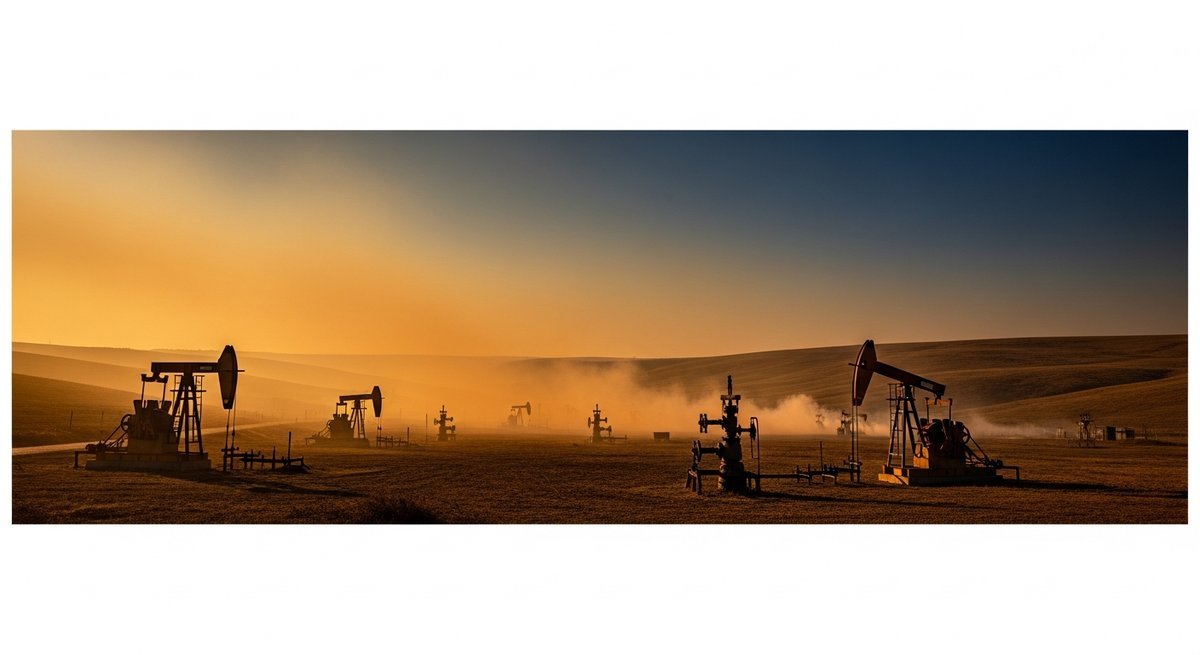
Methane is a potent greenhouse gas. Over a 20-year period, it traps roughly 80 times more heat than carbon dioxide. That short-term warming potential is precisely why climate scientists and policymakers have increasingly focused on methane reduction as one of the fastest ways to slow near-term temperature rise.
If current national emission inventories are underestimating non-producing well methane by a factor of 1,000, that gap represents a substantial hidden source of climate forcing that is not being accounted for in any national or international climate target. Countries and regions that have committed to net-zero pathways could be significantly off track without even knowing it.
Governments have been designing methane reduction strategies largely around active production sites – compressors, pipelines, storage tanks. The assumption was that once a well stops producing, the emissions problem largely goes away. That assumption is now seriously in doubt. Understanding where greenhouse gases actually come from is foundational to any serious climate strategy, and the relationship between greenhouse gas emissions and environmental harm is already well-established across multiple sectors.
Air Quality and Community Health Concerns
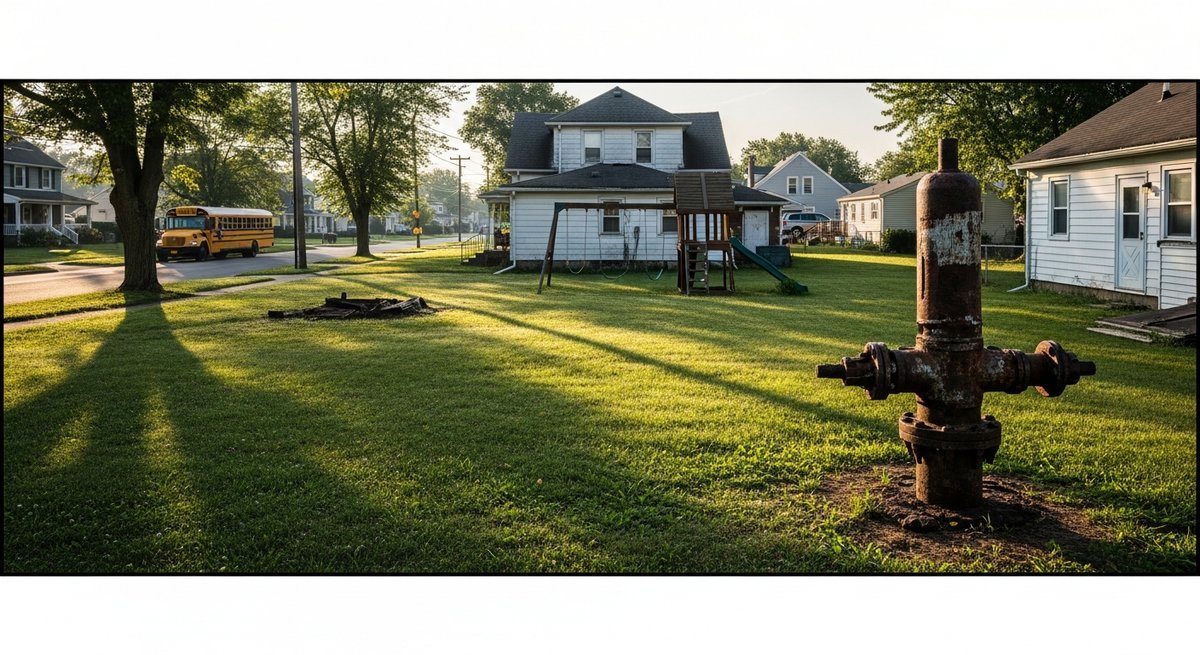
Beyond the climate numbers, there is a human dimension to this story that often gets lost. Non-producing wells are not clustered in remote wilderness. They are found in rural backyards, near farmland, close to schools, and within city limits in older oil-producing regions like Pennsylvania, West Virginia, Ohio, California, and Texas.
Methane itself is not acutely toxic to humans at most ambient concentrations, but its presence in the shallow subsurface near wells is often accompanied by other volatile organic compounds and, in some cases, hydrogen sulfide. Communities near clusters of abandoned wells have reported odors, headaches, and respiratory symptoms for years, with limited recourse because ownership and accountability are so difficult to establish.
The new emissions data strengthens the case that these are not just minor nuisance issues. They represent real ongoing environmental exposure for people who live near infrastructure that, in many cases, was installed before their parents were born.
What Needs to Change: Policy, Plugging, and Accountability
The research points toward a few concrete areas where action is both urgent and technically feasible.
First, emission inventories at the state and federal level need to be updated. National climate accounting frameworks must incorporate microbial methane from non-producing wells as a tracked, measured, and reported emissions category. Without accurate data, neither reduction targets nor enforcement make sense.
Second, the pace of well plugging needs to accelerate significantly. In the U.S., federal infrastructure funding has already directed billions toward plugging orphan wells – a meaningful start, but one that barely scratches the surface given the estimated backlog. Each properly plugged well eliminates a source of both climate emissions and community health risk.
Third, responsibility frameworks need teeth. When operators abandon wells without proper decommissioning, there must be enforceable financial consequences. Bonding requirements that have not been updated in decades leave states holding enormous cleanup liabilities that ultimately fall on taxpayers.
Tracking methane from the air is increasingly viable. Satellite-based monitoring programs are improving rapidly, and initiatives like Google’s global methane emission mapping effort signal a new era where large-scale invisible emission sources can be identified and attributed far more precisely than before.
The Bigger Picture on Methane and Energy Transition
This discovery is part of a growing recognition that the fossil fuel sector’s true emissions footprint is larger and more complex than legacy monitoring systems ever captured. From routine flaring to pipeline leaks to microbial emissions from dormant wells, the cumulative picture is one of systemic underestimation.
For the energy transition to succeed, we need honest accounting. Decarbonization strategies built on flawed baselines will not deliver the climate outcomes they promise. And communities near old oil and gas infrastructure deserve the same scrutiny and protection as communities near active production sites. The gap between what we knew and what we now know is jarring – but it is also clarifying. It tells us exactly where to look next.
Frequently Asked Questions About Non-Producing Well Methane Emissions
What are non-producing oil and gas wells?
Non-producing wells are oil and gas wells that have been drilled and previously used for extraction but are no longer actively pumping resources. They include idle wells that may still have an operator of record, as well as orphan wells where no solvent responsible party can be identified. Many have deteriorating or compromised casings and have never been properly sealed through a formal plugging process.
What is microbial methane and how is it different from thermogenic methane?
Microbial methane is produced by bacteria – specifically methanogens – that break down organic compounds in low-oxygen underground environments. Thermogenic methane forms through geological processes involving heat and pressure acting on buried organic matter over long time scales. Isotopic analysis can distinguish between the two, and the recent findings specifically identified microbial methane as the dominant emission source from non-producing wells, not residual fossil gas leaking from formations below.
How significant is the 1,000-times underestimation?
- Previous emission inventories treated microbial methane from idle and abandoned wells as negligible or near-zero.
- Field measurements using direct sampling and sensor arrays found individual wells emitting far beyond modeled values.
- Aggregated across the millions of non-producing wells in the U.S. alone, this represents a potentially enormous untracked source in national greenhouse gas accounts.
- The discrepancy is large enough to meaningfully affect national methane budgets and potentially shift climate target calculations.
What health risks do abandoned wells pose to nearby communities?
- Methane seeping from old well infrastructure can accumulate in confined spaces and create explosion risks.
- Co-occurring volatile organic compounds and hydrogen sulfide pose direct inhalation health risks.
- Residents near orphan well clusters have documented odor complaints and respiratory symptoms.
- Groundwater contamination is a separate but related risk from wells with corroded or improperly sealed casings.
What does “plugging” a well mean and does it solve the problem?
Well plugging involves sealing a wellbore with cement and other materials at multiple depths to prevent fluid or gas migration between underground formations and the surface. A properly plugged well dramatically reduces methane emissions and eliminates most pathways for contamination. However, the quality of the plug matters, and wells plugged with older techniques may not remain effective long-term. Verification and monitoring after plugging are also important parts of a complete decommissioning process.
Who is responsible for orphan well cleanup costs?
When operators abandon wells without proper decommissioning, liability typically falls to state regulatory agencies, which often lack the funding to address the full backlog. In the U.S., federal infrastructure legislation has allocated funds specifically for orphan well plugging programs. However, the scale of the problem – potentially over a million unplugged wells – far exceeds currently available funding, making this an ongoing fiscal and environmental challenge for state governments.
Can satellite monitoring help detect these emissions?
Yes. Satellite-based methane detection technology has advanced rapidly and can now identify emission plumes at increasingly fine spatial scales. These tools are especially valuable for detecting large point sources and aggregated regional emissions that ground-based monitoring would miss. Combining aerial surveys, satellite data, and targeted ground-level sampling creates a much more complete picture of where methane is actually escaping into the atmosphere.
This article is for informational purposes only.
The post Non-Producing Oil and Gas Wells Emit Microbial Methane at Rates 1,000 Times Higher Than Previously Estimated appeared first on Green.org.


