
From May 15 through June 15, Ontario received 85 per cent to 115 per cent of normal precipitation while temperatures were normal to 2 C above normal. This trend in weather is expected to continue over the next 30 days.
Given the greenhouse conditions, traders are factoring in above-trend yields for Ontario and the United States corn, soybean, and wheat markets tend to make seasonal lows during the second or third week of August.
Quick look:
- Soybeans: U.S. production of soybeans expected to rise on growing conditions.
- Corn: Lower cattle-on-feed numbers push corn prices lower.
- Wheat: Ontario winter wheat tonnage could hit a record.
Soybeans
Ontario soybean prices continue to grind lower due to a lack of domestic and export demand. Domestic crushers appear to have their nearby requirements covered. The crush pace will be at seasonal lows during the summer as crushers take their downtime for upgrades and maintenance.
Export movement has come to a standstill with Brazil dominating the world market. We’re now estimating the 2026 Ontario soybean crop at 4.3 million tonnes. This is up from our earlier estimate of 4.1 million tonnes and up from the 2025 output of 3.6 million tonnes.
From August 2025 through April 2026, China was the largest buyer of Canadian soybeans at 1.9 million tonnes. Algeria (527,000 tonnes), Netherlands (523,000 tonnes) and Iran (431,000 tonnes) were the other main buyers. Canadian soybean exports have been under 2,000 tonnes per week over the past couple of months as the market functions to ration demand. Canadian prices are premium to Brazil, and to Argentina.
The soybean market tends to make seasonal lows in August. During August, China usually steps forward for a large volume of Canadian soybeans for October, November and December shipment. This buying provides solid market support.
The U.S. Midwest has experienced optimal conditions. Traders are also factoring in trend to above trend yields for the U.S. soybean crop. We’re projecting the U.S. soybean crop to finish in the range of 121 million-123 million tonnes, up from the 2025 production of 116 million tonnes. This comes on the heels of record Brazilian output of 180 million tonnes, up eight million tonnes from last year.
The managed money funds have been actively selling soybeans and soybean meal. The non-commercial trader was still holding a massive long on the soybean oil at the time of writing this article. The war risk premium in the crude oil market and energy complex has been eroding. It appears the U.S. and Iran have come to terms on a peace deal. Look for the funds to be active sellers of the soybean oil, soybeans and soybean meal over the next couple of months.
We’ve advised farmers to be 100 per cent sold on their 2025 production and 10 per cent to 15 per cent sold on their 2026 crop.
Corn
Ontario corn prices are expected to trend lower through July and the first half of August. Cattle-on-feed inventories are declining and will be at seasonal lows during August. Domestic ethanol processors appear to have their nearby requirements covered. Export demand remains sluggish with limited opportunities. We’re now estimating the Ontario corn crop at 10.2 million tonnes. This is up from our earlier estimate of 9.8 million, and up from the 2025 production of 9.5 million.
Brazilian and Argentine corn offers are most aggressive on the world market as the South American harvest advances. Brazil’s safrinha harvest is nearing the halfway mark and yields are coming in better than expected. Brazil’s total corn output is estimated at 138 million-140 million tonnes, up from the year-ago crop size of 136 million tonnes.
The record Argentine harvest is about 70 per cent complete and progress will accelerate moving forward. The crop is now estimated at 61 million tonnes, up 12 million tonnes from last year.
Similar to Ontario, the U.S. Midwest is experiencing greenhouse conditions and traders are factoring in above trend yields. We’re projecting a U.S. corn crop of 415 million tonnes, up from the U.S. Department of Agriculture’s June estimate of 406 million tonnes but down from the 2025 production of 432 million tonnes. U.S. corn demand also makes a seasonal low in August like the Ontario market.
We’ve advised farmers to be 100 per cent sold on their 2025 production. It’s going to be a late harvest so we’re not advising any new-crop sales yet.
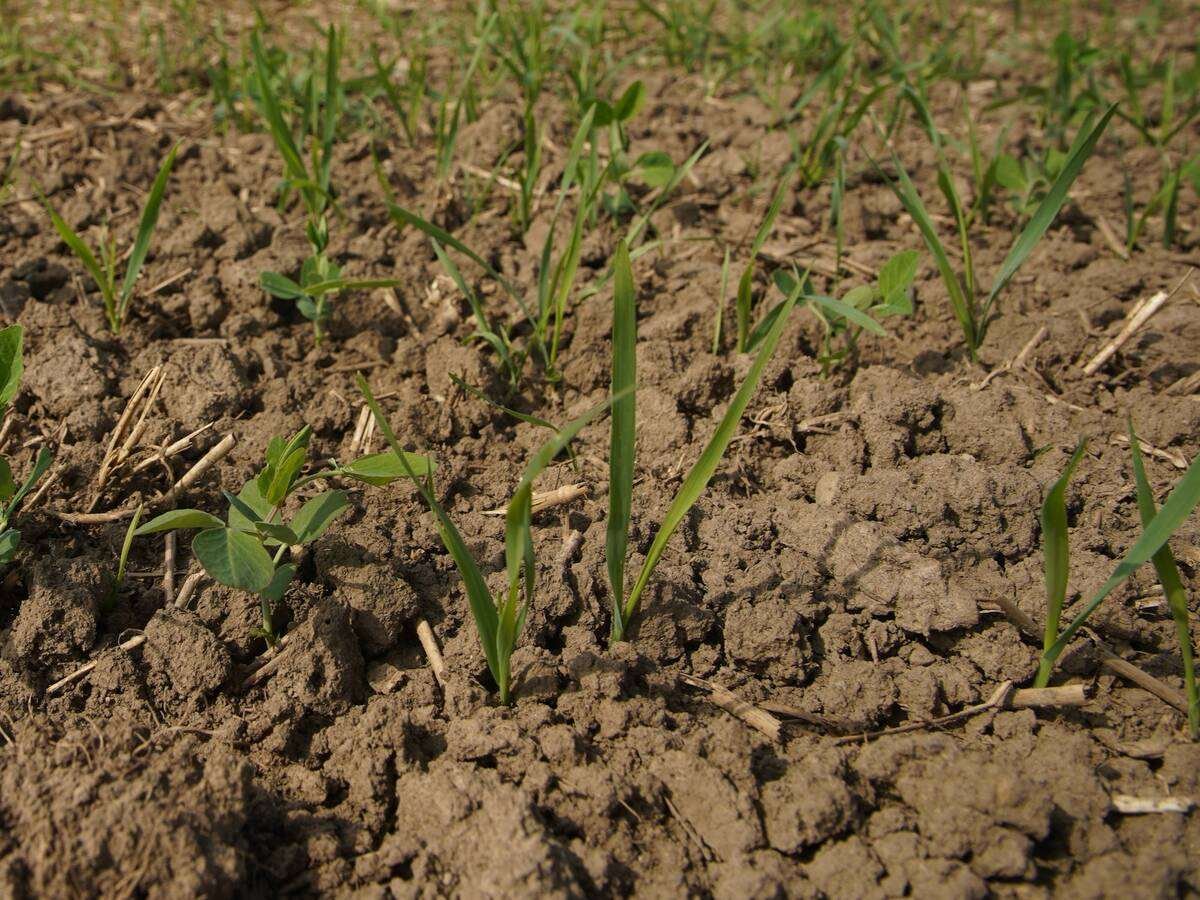
Ontario’s total 2026 winter wheat crop is still expected to be down slightly from the previous year but its per-acre yields may be record-setting. Photo: File
Wheat
The Ontario winter wheat crop may experience record yields this year. We’re now projecting a winter wheat crop of 2.8 million tonnes, down from the 2025 crop of 2.9 million tonnes. Ontario spring wheat production is estimated at 70,000 tonnes, down from the 2025 output of 94,100 tonnes.
Western Canada has experienced optimal weather over the past month. Total Canadian spring wheat production is estimated at 28.6 million tonnes, down from last year’s crop of 29.3 million tonnes. It’s a bit early and we don’t want to be presumptuous, but the spring wheat crop could reach 30 million tonnes if the weather continues to co-operate. Statistics Canada will release their next acreage survey on June 30. We’re expecting a two to four per cent increase year-over-year in spring wheat acreage, which is contributing to the larger production forecasts.
The U.S. winter wheat harvest was 25 per cent complete as of June 14. The southern Plains and a large portion of the Midwest have received above-normal precipitation over the past couple of weeks. There is potential 30 per cent of the soft red winter crop to be downgraded to feed quality. This will enhance U.S. demand for Ontario soft red winter.
Europe is in a heat wave and analysts have trimmed their production forecasts. We’re now estimating the European soft wheat crop at 122 million tonnes, down from earlier forecast of 126 million tonnes and down from the 2025 output of 135 million tonnes.
Russian and Ukrainian crops’ yield forecasts have improved. USDA had the Russian crop at 88 million tonnes, down only two million tonnes from last year. Ukrainian wheat output is estimated at 23.5 million tonnes, down 500,000 tonnes from 2025.
U.S. farmers sell 50 per cent of their winter wheat in the summer months. European and Russian farmers sell 30-40 per cent at harvest or shortly after harvest. Despite the smaller U.S. and European crops, the world is awash with wheat in the summer months. The lower production prospects from the major exporters enhances the two main seasonal rallies in the crop year. The first rally occurs from Sept. 15 through Oct. 25.
The second major rally occurs in the late winter or spring when the Northern Hemisphere’s winter wheat comes out of dormancy. You sell 50 per cent in the first rally. You sell 50 per cent in the second rally.
The post Ontario crop prices under pressure from good growing weather appeared first on Farmtario.


