
From geopolitical uncertainty to the ever-present threat of disease, Ontario’s pork industry continues to navigate a growing list of challenges.
The Ontario Pork Congress (OPC), held June 17-18 in Stratford, gave producers an opportunity to explore the latest innovations, technologies and resources designed to keep operations efficient, resilient and profitable.
OPC president Victoria Stewart, a nutritionist with Trouw Nutrition Canada, shared with Farmtario the key trends shaping the industry and the challenges producers face moving forward.
According to Stewart, the sector has undergone a significant transformation in recent years, embracing modernization while adapting to increased competition in the global marketplace. Despite these pressures, she said Ontario pork producers remain focused on the future and are taking proactive steps to stay competitive and profitable.
Two of the industry’s biggest challenges are porcine epidemic diarrhea (PED) and porcine reproductive and respiratory syndrome (PRRS).
“It does obviously cut into profits, particularly in sow barns when they are affected. It can be pretty devastating for some,” she said, adding the industry is working on creating enclosures that help reduce the risk of disease transmission.
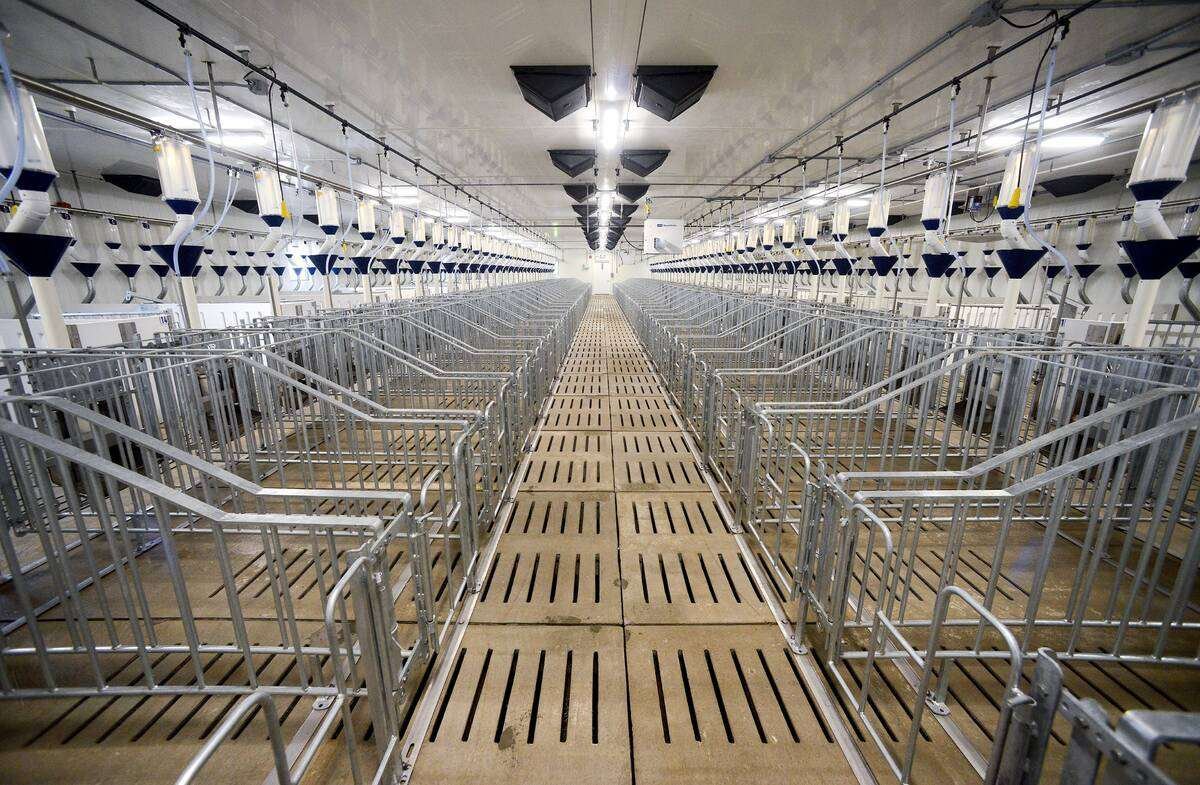
Sow housing
Under Canada’s Pig Code of Practice, all Canadian commercial hog producers must transition their facilities to open or loose sow housing by July 1, 2029.
This requirement has driven significant farm renovations across the industry and is expected to support growth as producers expand capacity, she said.
The recent wave of tariffs affecting parts of the agriculture industry has not had the same impact on pork producers. Stewart said regional supply chains remain strong, and producers continue to build export opportunities in markets outside the United States. She noted that markets continue to open in regions such as China.
She noted that cull animals continue to move across the U.S. border because of limited processing capacity in Canada.
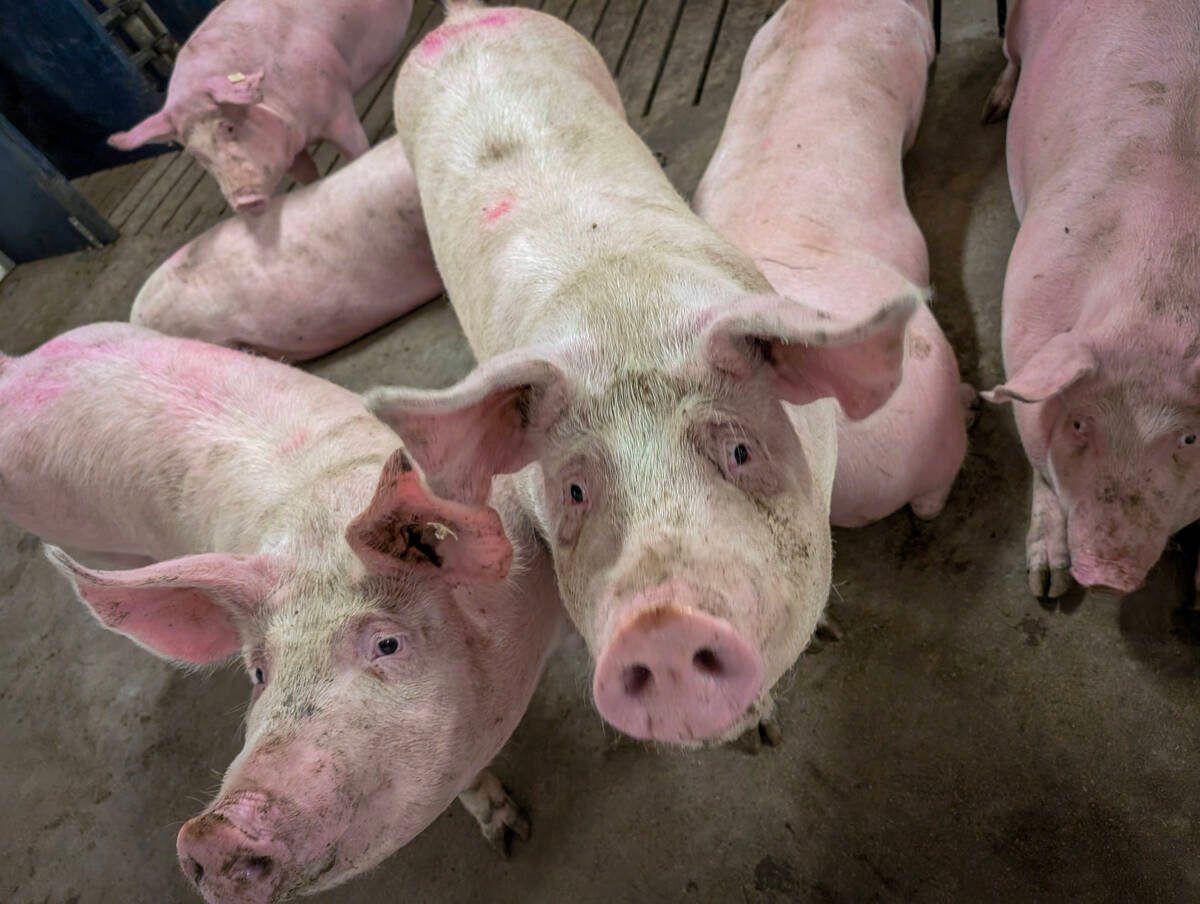
Artificial intelligence
As artificial intelligence and other technologies continue to transform agriculture, Stewart said the pork industry is embracing innovation, particularly in areas such as deadstock composting and electronic feeding systems.
“It’s all really producer-specific, but I think there’s a lot of opportunity for them,” she said.
Stewart believes imports will likely continue to decline as Canada strengthens its domestic supply.
“Imports are projected to fall by roughly 8.2 per cent in volume, driven by an expanded domestic herd,” she said.
She is also encouraged by signs of strong succession planning among independent producers.
“Over the last few years, I would say there have been a lot of changes. Older producers are still there to help, but definitely there are people taking over, getting into the industry and expanding, making their own business out of it,” she said.
The post Pork Congress shows industry focused on growth despite challenges appeared first on Farmtario.


