

The insights and technical expertise in this article were provided by our Co-founder & Creative Director, Leo Chao
The cosmetics industry is rapidly moving past better formulas toward a deep obsession with structural innovation and sensory design. In 2026, ingredient technologies have democratized, turning custom packaging into a brand’s ultimate competitive asset.
Here are the four custom cosmetic packaging trends we are tracking for 2026.
1. High-SKU Operational Engineering
As modern cosmetic brands expand into massive, hyper-customized catalogs of shades, tints, and finishes, traditional custom manufacturing breaks down. Buying custom packaging for every color variant is impossible due to high minimum order quantities (MOQs) and the high cost of factory tooling.
To survive this explosion in catalog size, the industry is moving toward highly structured primary packaging systems. By standardizing the expensive, hidden mechanisms and personalizing only the visible parts, brands can scale their catalogs efficiently while keeping colors perfectly consistent.
Packaging design solves this high-SKU operational bottleneck by splitting the container into two distinct parts: a universal hidden mechanism and a customizable outer piece. Instead of building an entirely new bottle or tube for every shade, engineers design a single master base—like an identical internal pump, cartridge, or core body—used across the entire product line. The color variations are then isolated to the smallest, lowest-cost external pieces, such as a tinted cap or a localized base ring. This allows brands to run a massive shade portfolio under one single, high-volume factory tooling order, dramatically lowering manufacturing costs.
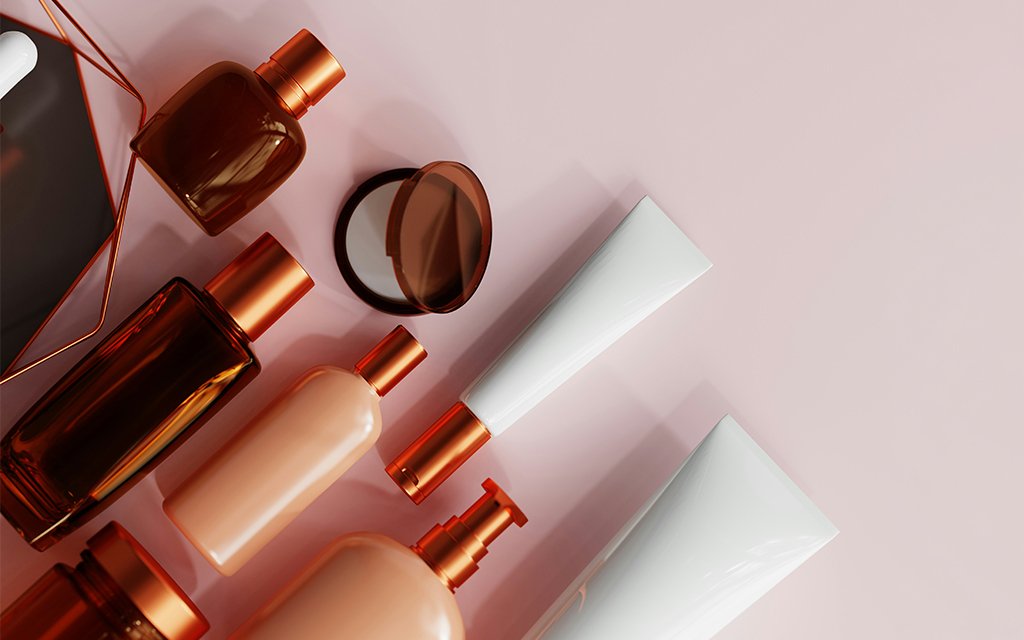
This architectural approach also solves a visual challenge on the retail shelf: identical formulations look completely different inside glass, plastic, aluminum, or flexible tubes. Packaging design neutralizes these material differences through advanced optical engineering. By layering semi-translucent walls, custom internal geometries, and glossy outer finishes, the physical container controls how light refracts through the product. This process ensures a perfectly uniform shade presentation across the entire collection, regardless of the underlying packaging material.
2. PR Influencer Box Visual Hook: Dynamic Secondary Packaging
To capture a customer’s attention within the three-second scroll window on social media, secondary packaging has moved away from flat folding cartons. It has evolved into interactive paper engineering that with mechanical movements to generate a potential viral unboxing moment.
Packaging design achieves this instant “wow factor” by integrating three sophisticated mechanical structures. Below are structures that are good for PR influencer boxes:
Telescopic Rigid Box
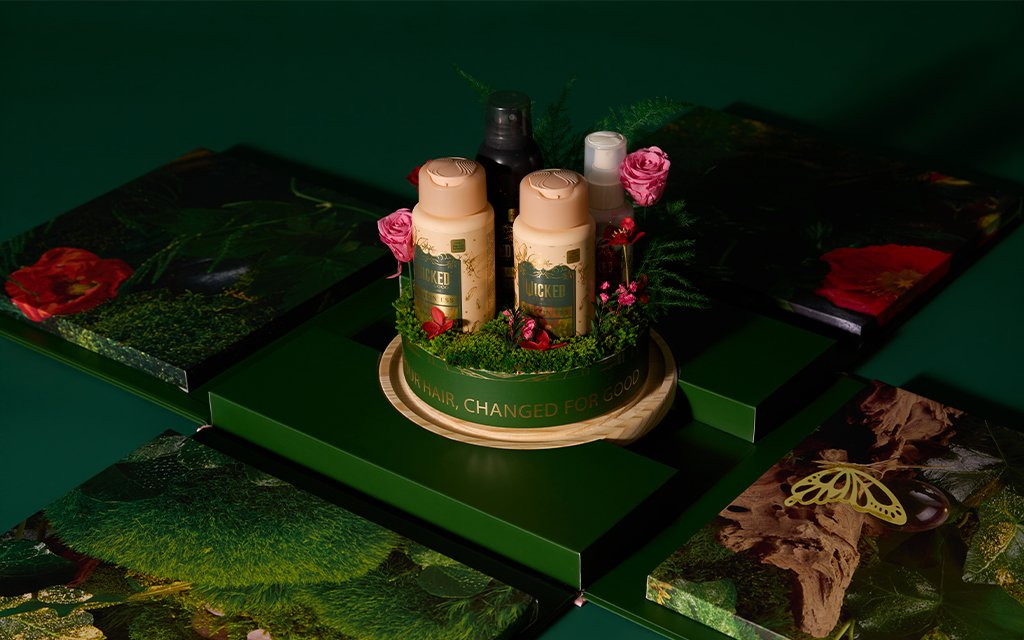
This structure utilizes a multi-layered sliding sleeve that drops or rises with a controlled, gravity-assisted resistance. Instead of a standard lid that simply lifts off, the inner chamber smoothly telescopes outward when held, slowly revealing the primary product as the outer layers glide away. This smooth, mechanical deceleration creates a dramatic sense of anticipation on camera, turning the reveal into a cinematic event before the product is even fully exposed. We designed in this structure for the Wicked movie PR packaging.
Bookstyle Rigid Box with Pop-Up
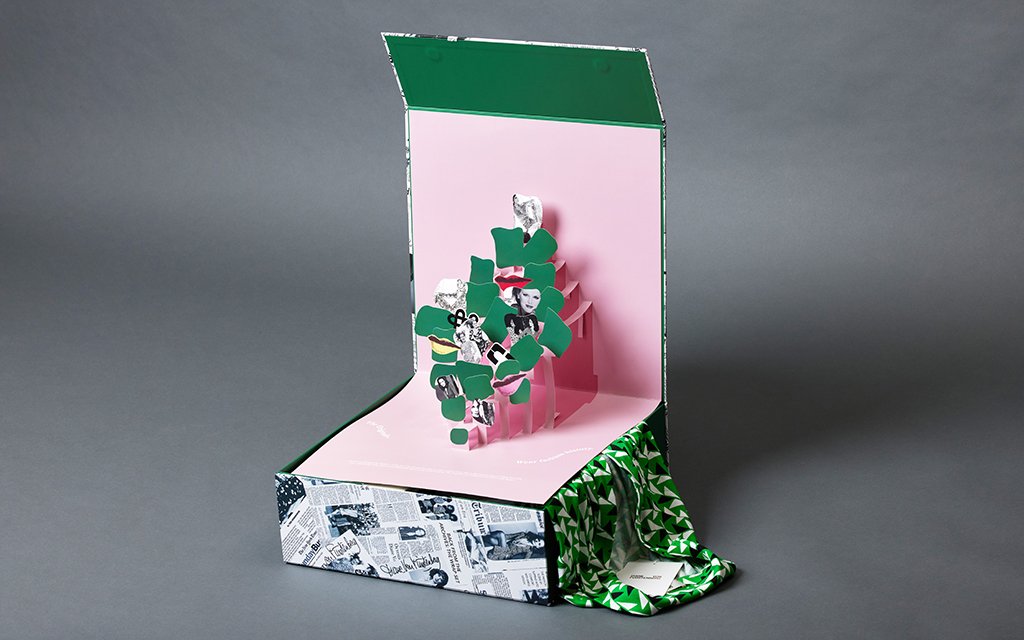
The Bookstyle Rigid Box example can be seen in Diane von Furstenberg’s 50th-anniversary campaign. This architecture opens like a premium hardcover book to reveal a dimensional, theatrical space inside. Lifting the main magnetic lid automatically activates an intricate internal staircase structure made entirely from layered paperboard. As the box unfolds, it images, branding and other elements out of the box cavity onto a multi-tiered pop-up stage, giving the product a runway feel. By suspending these layered elements in mid-air above a hidden product compartment, the all-paper packaging creates a highly personal, scrapbook-style depth that translates perfectly into high production value on a viewer’s screen.
Double Drawer Box
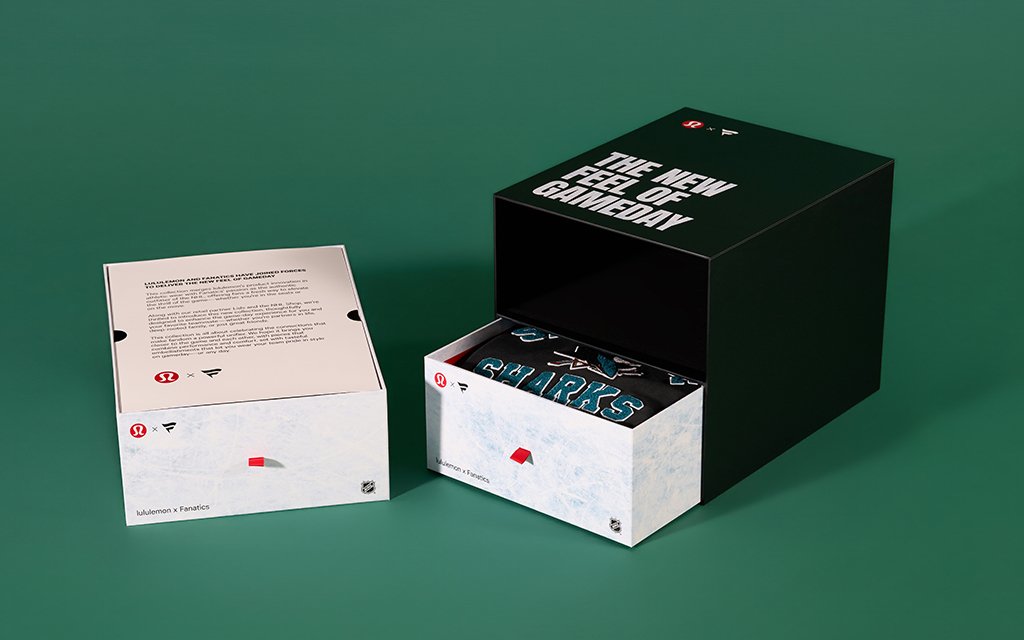
Engineered for a clean, layered reveal, a Double Drawer Box structure utilizes stacked, independently functional pull-out trays to organize complex product kits into a satisfying presentation. As seen in the Lululemon x Fanatics PR box, pulling a dedicated ribbon tab smoothly slides an entire product drawer horizontally out from the main rigid sleeve. This open-tray design instantly maximizes on-screen real estate, allowing creators to lift out individual layers, show off branded details, or showcase multiple items side by side. This packaging makes a dense multi-product unboxing feel organized, premium, and perfectly paced for the camera.
3. Tactile Ritual Design
Consumers do not evaluate prestige cosmetics solely through their formulas’ ingredients; they judge them through physical interaction. Packaging is heavily optimized around the specific mechanical steps of daily beauty routines: opening, dispensing, applying, and closing. Packaging can transform these routine steps into intentional, satisfying sensory habits that build long-term consumer loyalty.
Packaging design elevates these everyday routines by deliberately designing how a package sounds and feels during use. Instead of generic twists and pulls, engineers customize internal friction, magnetic weights, and material density. This results in distinct sensory signatures, such as the crisp, heavy snap of a premium magnetic lid, the smooth resistance of a precisely threaded cap, or the satisfying physical counterweight of cold, thick-walled glass in the hand.
Furthermore, packaging architectures are now engineered for the exact environment where a product is used. For private, intensive nighttime routines, design provides high-barrier airless pumps that feel clinical and highly protective. For mid-day travel, it delivers pocket-safe, locking closures that prevent leaks in a purse. Finally, the integration of cooling, textured metal applicator tips turns a basic application gesture into an intentional, soothing, spa-like massage.
4. Public Packaging and Accessory Design
Because modern cosmetics are frequently reapplied in offices, cafes, and restaurants, the primary container has moved onto the social stage. It is a visible lifestyle accessory nowadays.
Packaging design achieves this accessory status by building containers that latch directly into a wearable ecosystem. Shapes are intentionally engineered to fit seamlessly into specialized lifestyle products, like Rhode’s viral silicone phone cases that hold a matching lip tube, or e.l.f.’s custom clips that snap a lip oil directly onto the handle of a Stanley tumbler.
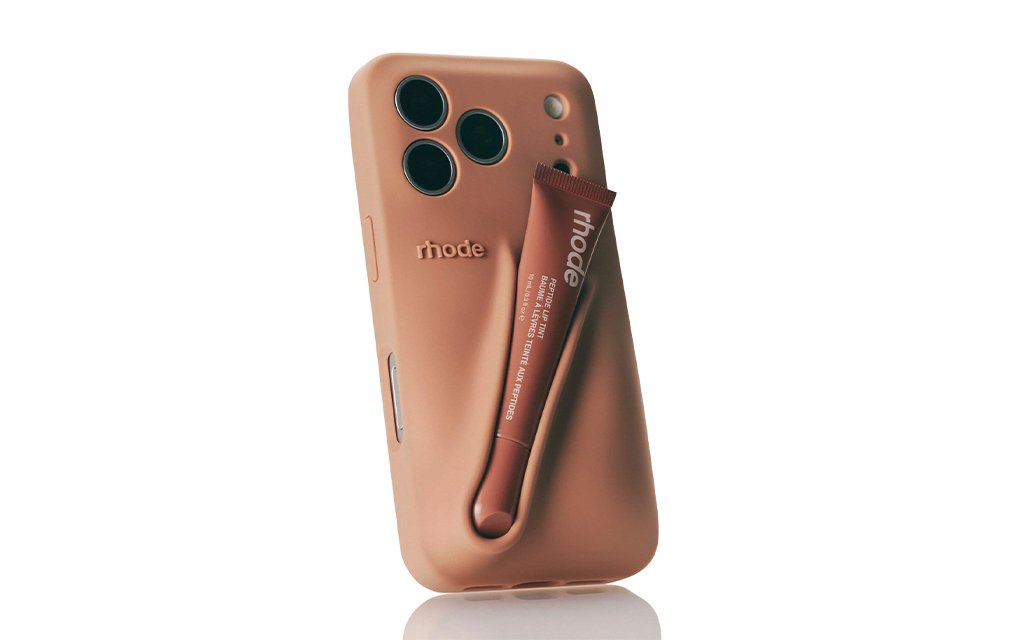
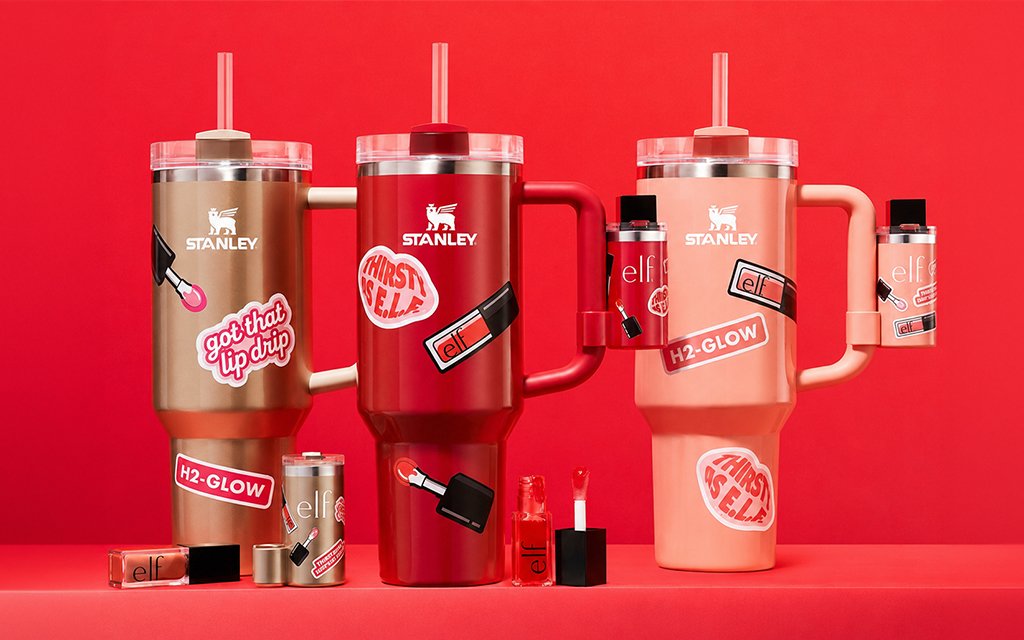
By designing the cosmetic container to be worn or carried openly, the packaging transcends its traditional role and becomes a visible extension of the consumer’s personal style.
To complement this high public exposure, the packaging visual architecture is shifting away from hard, cold shapes. Cosmetic packaging now uses soft, rounded geometries, smooth tactile coatings, and semi-translucent materials. This specific aesthetic language turns the package from a sterile container into a premium, tactile lifestyle object. When casually placed on a desk or table, the container acts as a chic personal artifact, subtly signaling the user’s taste and curated lifestyle to those around them.
Cosmetics trends come and go like the season. Their packaging changes with them. Zenpack hopes you enjoyed learning about the trends we are seeing for 2026. And if you are looking to streamline a complex lineup of cosmetic packaging, designing a viral unboxing experience for your makeup products, or creating a cosmetic-as-an-accessory product, Zenpack is here to bring your vision to life.
The post 2026 New Trends in Cosmetic Packaging appeared first on Zenpack Blog.


