
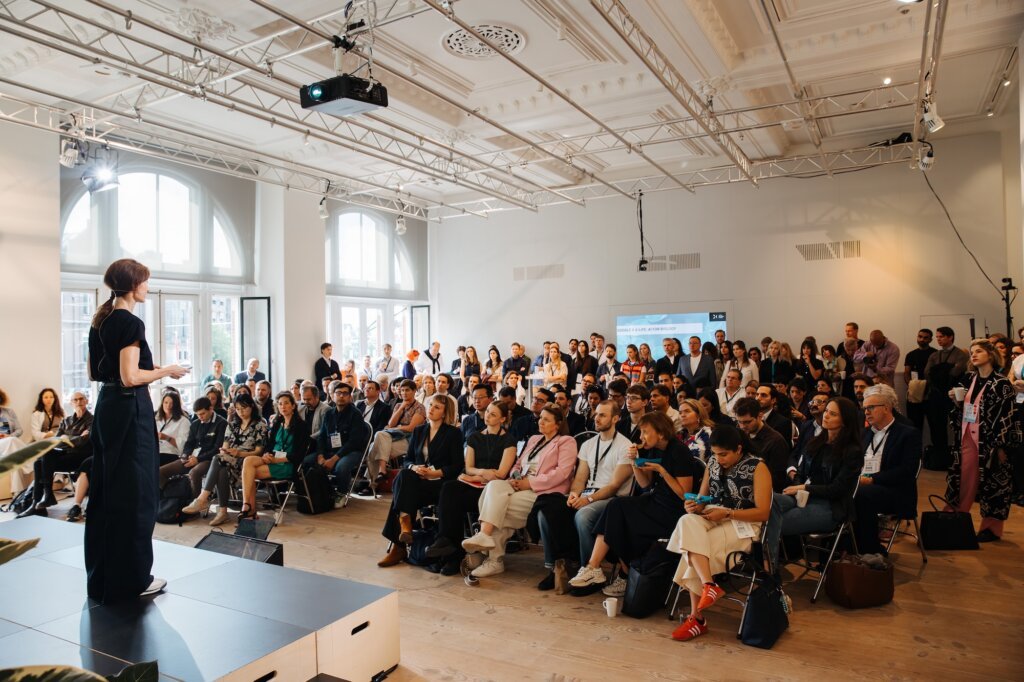
I recently spent two weeks in Amsterdam, attending Katapult Future Fest and Fashion for Good’s Innovation Fest. I came back with a full heart and a renewed sense that something real is shifting in the spaces where capital, innovation, and systems change converge.
There is a particular feeling that comes from being in a room with thousands of people who are all, in their own way, trying to build something kinder and more alive than what currently exists. I had that feeling more than once over those two weeks, and I am still carrying it.
Here is the headline: the language we have been speaking at the Biomimicry Institute for years, metamorphosis, regeneration, learning from nature, is no longer niche. It is not the poetic flourish at the end of a keynote. Investors are using it. Practitioners are using it, and not as metaphor but as a design question: what does it actually take to build systems that function more like ecosystems than machines?
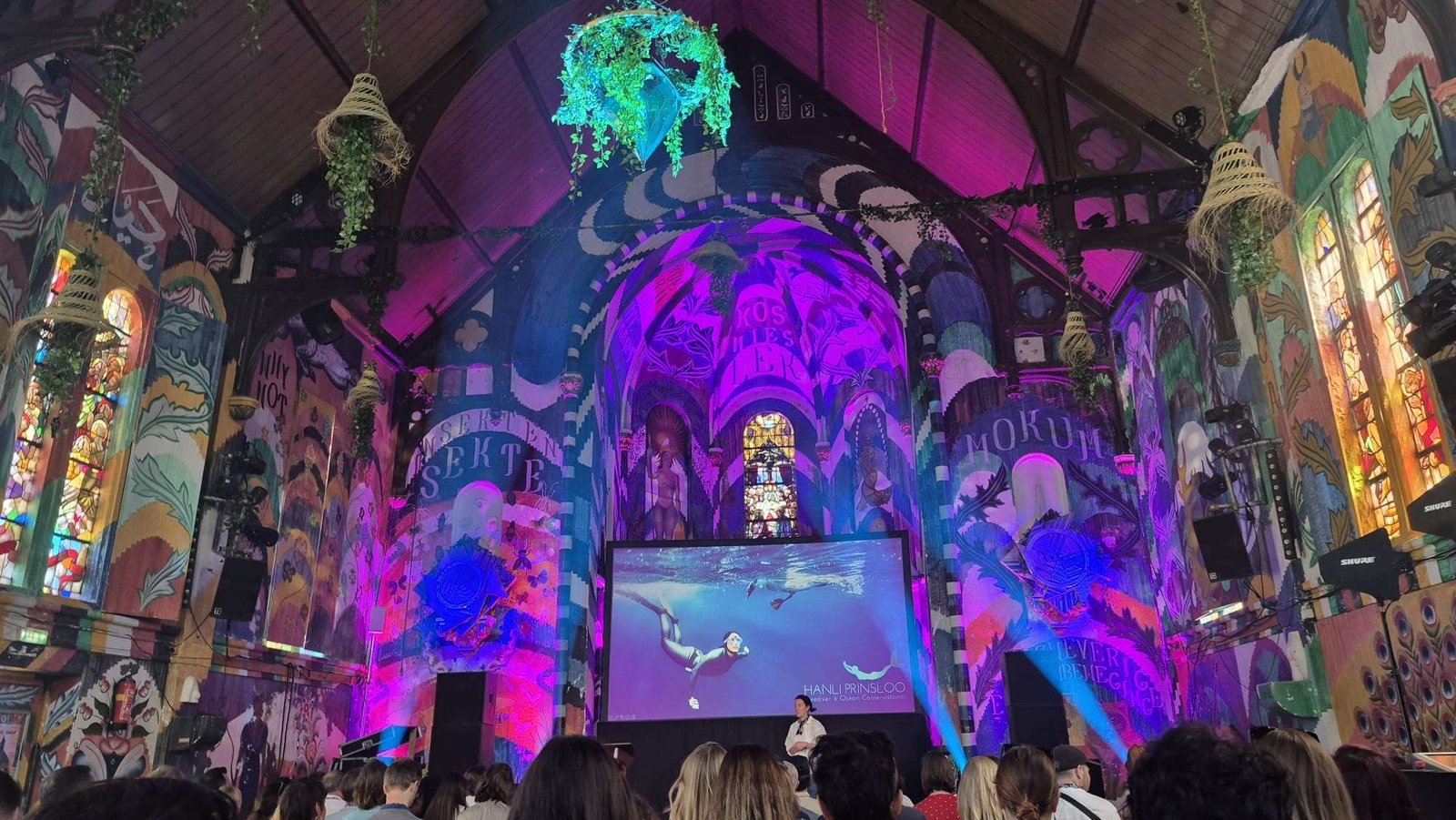
I sat in a lot of rooms over those two weeks, with shared meals and conversations in between. Here is what stayed with me.
Nature, now streaming
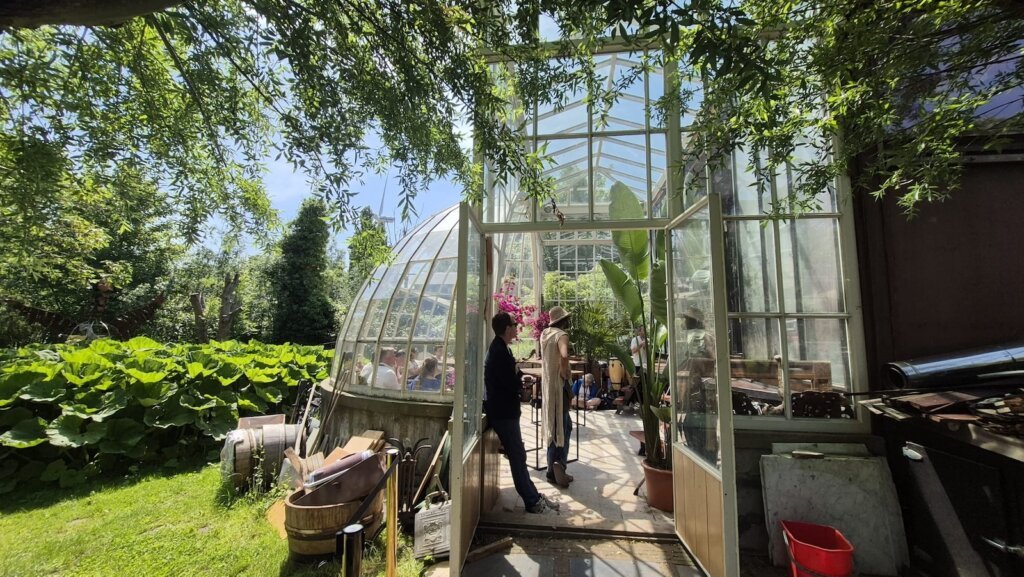
A session at KFF with Museum for the UN introduced me to Sounds Right, an initiative that gives nature official artist status on Spotify. Nature has a verified artist page, and royalties from tracks featuring its sounds flow back into conservation. It is both clever and quietly radical: once you treat the natural world as a collaborator with rights and a royalties structure, other assumptions start to shift alongside it.
The reef that does the math
Then there was Reefy, a startup building reef structures designed using the same mathematical patterns found in coral and other natural formations. This is biomimicry doing what it does best, learning deeply from nature’s underlying logic. The structural patterns that allow coral to withstand wave energy across millennia turn out to be excellent engineering specifications. Nature spent a very long time working that out.
Patient capital, impatient questions
Some of the most encouraging conversations at KFF happened in rooms full of impact investors wrestling seriously with what a ten-year investment horizon actually requires. Not nodding politely at the idea of patience, but genuinely grappling with it: what changes when you fund the way a forest grows rather than the way a quarter closes? These are the questions that move capital differently, and they were being asked out loud by people with the capacity to act on them.
And then, the circus
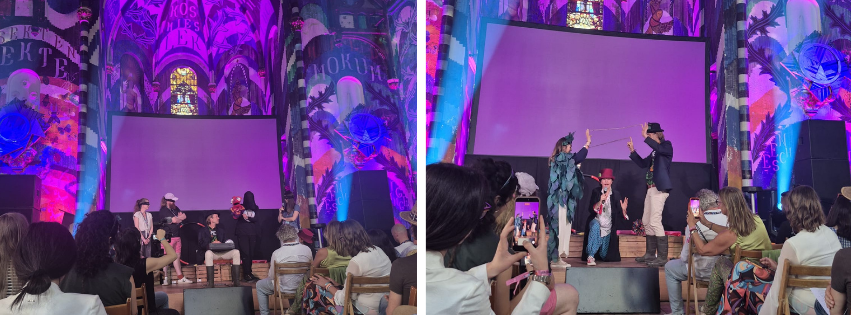
I want to tell you about Kate Raworth’s Economic Circus, which was honestly one of the most joyful and insightful sessions I have experienced in a professional setting in a while. She turned the tensions between nature and finance into live theatre. The audience set the world’s first extreme wealth line, a clown embodied the fragility of the biosphere, and the whole thing closed in a sing-along that somehow made Doughnut Economics feel like a celebration. The room held laughter and genuine emotion in roughly equal measure.
It was a powerful reminder of something we believe deeply at the Institute: how we communicate transformation matters as much as the ideas themselves. People do not shift systems because a slide deck told them to. They shift systems because something moved them.
Speaking on regenerative design
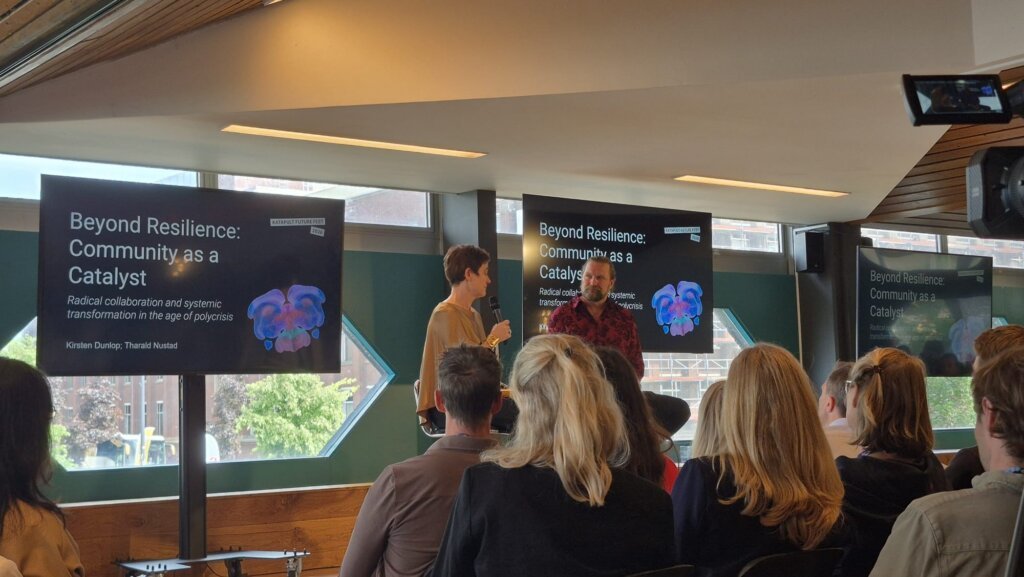
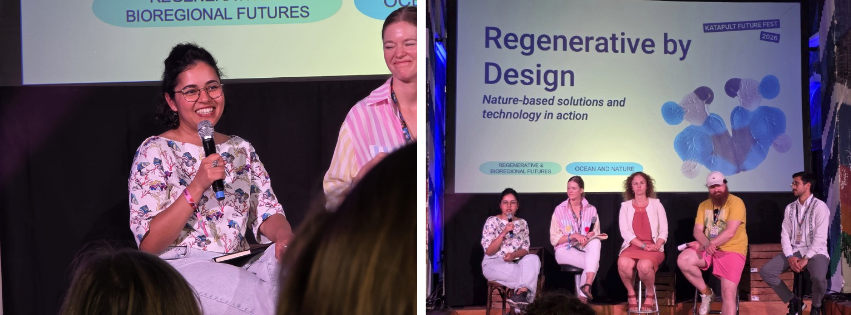
I also had the opportunity to speak on a panel, Regenerative by Design, alongside investors and founders working at the intersection of biomimicry, ocean infrastructure, and early-stage nature-inspired materials. The panel included Dr Philipp Staudacher (Innovate4Nature), Jaime Ascencio (Reefy), and Narina Mnatsakanian (Regeneration.VC), moderated by Katherine Stodulka (Quadrature Climate Foundation). It was a rich conversation, and a useful reminder of how much ground the field now covers: from reef engineering to structural colour in textiles to the systems-level questions Nature of Fashion is working on. The appetite in the room for what nature-inspired innovation can offer at scale felt real.
The Fashion for Good signal
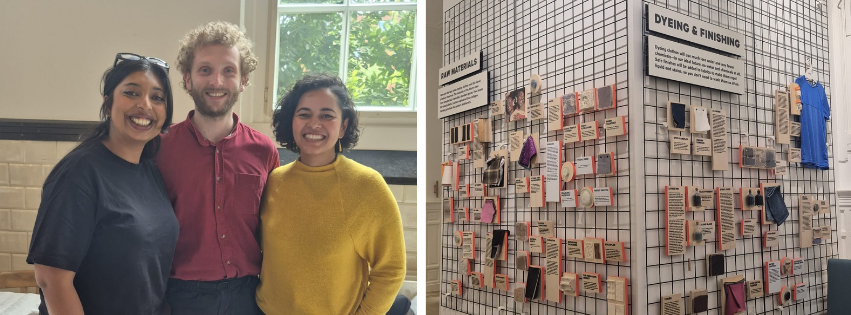
Innovation Fest ran at a different register, more technical, more commercial and more focused on the mechanics of scaling. But the signal underneath was consistent with everything I had heard the week before.
The fashion industry’s challenge is no longer a shortage of innovation. The labs are full. The pilots exist. What the sessions kept returning to was integration: getting promising technologies out of demonstration and into supply chains, decisions, and daily practice. The bottleneck has shifted from invention to absorption, and nearly every conversation named some version of the same gap.
That gap is precisely the terrain Nature of Fashion: Design for Transformation is operating in. Our work has never been about producing one more material in isolation. It is about helping an industry learn to behave like an ecosystem: interconnected, adaptive, regenerative by design. Hearing the sector articulate its own structural challenge so clearly felt less like a problem statement and more like an invitation.
What I brought home
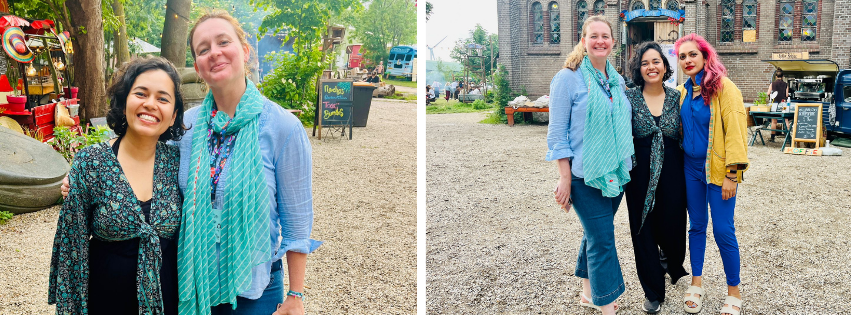
Beyond a renewed appreciation for Dutch cycling infrastructure, I came home with something less easy to put into a slide deck. Both festivals reminded me that this work is not done alone, and it is not meant to be. It happens in conversations over breakfast, in panels that run long because people do not want to stop talking, in the strangers who become collaborators by the second day. The people in those rooms, the ones building bioregional finance facilities, fermenting new fibres, redesigning reefs, asking hard questions about wealth and worth, are now part of a community I feel genuinely held by.
There is a real and growing appetite for new models, new narratives, and nature-informed approaches to transformation. For those of us who have been making this case for a while, that readiness is worth pausing on. The door is not just unlocked. People are holding it open, and inviting others to walk through with them.
To everyone who shared a meal, a question, or a moment of honesty in those two weeks, including the teams who built these spaces with such care, thank you. Feeling deeply grateful to be part of a community doing this work together.
Asha Singhal is the Director of Nature of Fashion at the Biomimicry Institute. She is a biomimicry practitioner, architect, designer, and researcher dedicated to crafting regenerative environments. Learn more about Asha and the rest of the team here.
The post Metamorphosis Beyond Metaphors: Notes from Amsterdam with Asha Singhal appeared first on The Biomimicry Institute.


