
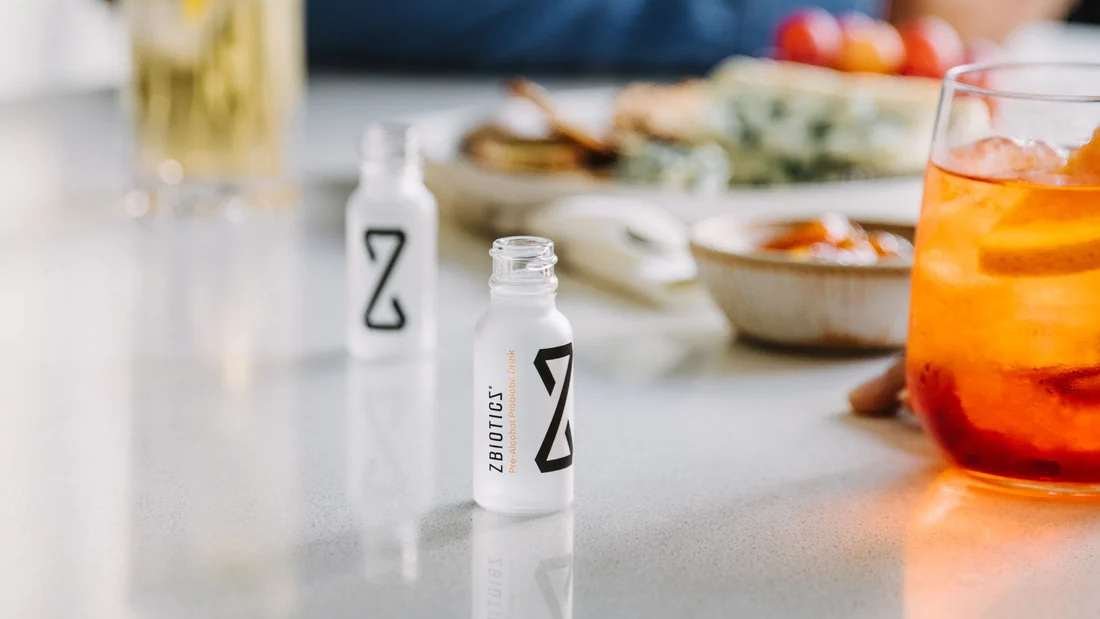
Designer probiotics startup ZBiotics has sold 15 million+ “pre-alcohol” shots designed to mitigate the effects of drinking and is seeing encouraging early traction for its second product, a probiotic that converts sugars into prebiotic fiber in the gut.
The San Francisco-based firm behind what it claims are “the world’s first genetically engineered probiotics,” is building a new category of products around bacteria engineered to express enzymes that perform specific functions in the gut, says cofounder and CEO Zack Abbott, PhD.
The firm—which is now profitable—first started selling its pre-alcohol shots direct to consumer in 2019, launched on Amazon in 2023, and is now ramping up its presence in brick-and-mortar accounts including Total Wine, Bevmo, specialty grocery chains, and restaurants, Abbott tells AgFunderNews.
“Our compound annual growth rate from 2021 through 2025 was approximately 113%.”
To date, the $7-9/bottle price has not put customers off, notes Abbott, who says Zbiotics’ explosive growth over the past couple of years suggests shoppers are willing to pay for a “better next day” after alcohol. “The price is not proving to be a barrier given the value we’re providing.”
How it works
The liver is very effective at breaking down alcohol into a toxic byproduct called acetaldehyde and producing an enzyme called acetaldehyde dehydrogenase or ALDH that converts it into acetic acid. However, the gut—where alcohol is also metabolized—does not do this second step as efficiently, claims Abbott. Which is where ZBiotics comes in.
Rather than producing and purifying ALDH via a costly precision fermentation process, ZBiotics sells shelf-stable shots containing a Bacillus subtilis strain engineered to produce the enzyme in the gut after surviving the stomach and germinating from its dormant spore state.
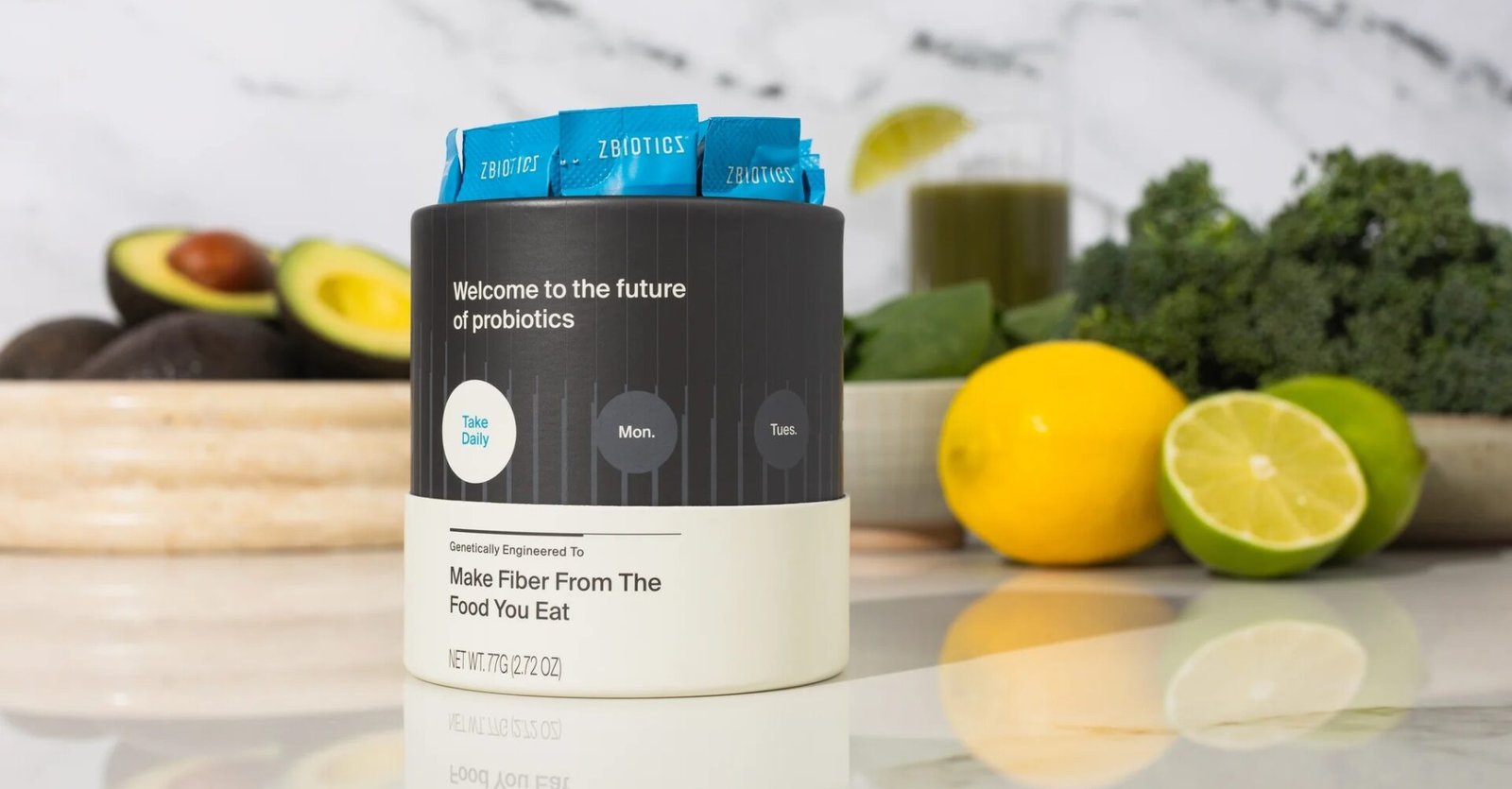
For its second product, ‘Sugar to Fiber’—a powdered probiotic in sachets that consumers can mix into foods and beverages—ZBiotics adopts a similar approach. It engineers a bacterium to produce levansucrase, an enzyme that breaks down sugar into its constituent parts: glucose and fructose.
It then strings together the free fructose molecules into long chains to make levan, a prebiotic fiber found in fermented foods such as natto.
Unlike fiber powders that can cause discomfort by delivering too much fiber at once, Sugar-to-Fiber converts dietary sugar into soluble fiber throughout the day, creating a steadier food source for the gut microbiome, claims Abbott.
Both products—which have gone through animal toxicity studies—have self-affirmed GRAS status, with full FDA GRAS submissions in the pipeline.
Marketing novel probiotics
While podcasts have proved to be a particularly effective marketing channel for ZBiotics’ wares, word of mouth is driving most of the firm’s business for its pre-alcohol shots, which have high repeat purchase rates and appeal to people in their 30s and 40s who want to enjoy a drink without ruining the next day, says Abbott.
The Sugar to Fiber product is “more about investing in your long-term health, and so the value proposition and customer mentality are different,” he says, although customers of both products tend to be health-conscious.
The core proposition of Sugar to Fiber is not around sugar reduction, but fiber and gut health, he says. “We’re talking about converting maybe 5-10 grams of sugar per day into 5-10 grams of fiber, which is not interesting from a calorie perspective, but is a meaningful amount of fiber [a macronutrient most Americans are short of].
“This isn’t about calorie reduction, weight loss, or blood sugar management. It’s about fiber creation and having a diverse mix of fibers and all benefits of that for a healthy microbiome.”
Validation
But how does ZBiotics know that its products perform as advertised?
According to Abbott, both products have been through extensive in vitro testing and model gut simulations, with human data from fecal samples to follow.
In lab tests, the engineered strain used in ZBiotics’ pre-alcohol product germinated in rich media and simulated small intestinal fluid, began showing ALDH activity after germination, and removed acetaldehyde far more quickly and effectively than a control strain of B.subtilis.
For the Sugar to Fiber product, he says, “There have been a lot of studies that show that levan helps the gut and short chain fatty acid production. We supply it via a powder that you can mix with food or drink, and then the idea is that you take it at the same time every day so the bacteria is essentially in your gut all the time. All day long as you’re eating, it’s pulling small amounts of sugar from your food and converting that into small amounts of fiber.”
What’s next?
Looking ahead, ZBiotics is building a pipeline of genetically engineered probiotics which may be combined with other ingredients to create novel products spanning a range of health benefits, says Abbott.
It is also working on formulations combining prebiotics, probiotics and polyphenols that ZBiotics recently acquired from January AI.
“They [January AI] did a ton of incredible groundwork and now it’s a matter of can we convert that into a viable product commercially,” says Abbott. “We think we can take that and combine it with genetically engineered probiotics to make an even more exciting product.”
ZBiotics is also exploring international markets, he said. “But there’s still a huge opportunity to grow more in the US where I think we’re still just scratching the surface.”
Further reading:
BiomEdit raises $18.4m Series B to expand designer probiotics platform
The post ZBiotics takes GM probiotics mainstream with 15m+ ‘pre-alcohol’ shots sold appeared first on AgFunderNews.
- Source: https://agfundernews.com/zbiotics-takes-gm-probiotics-mainstream-with-15m-pre-alcohol-shots-sold


