


Brands in the modern beauty space often pour millions into formula R&D, treating primary packaging as an afterthought. This is a critical missed opportunity. Real market differentiation demands serious material science.
Cosmetic packaging serves as the formula’s primary physical barrier. Executing this correctly requires integrating minimalist design with highly specialized manufacturing engineering. To build a lasting consumer connection, a brand must evaluate its packaging material strategy long before the product hits the retail shelf.
Locking in a precise custom packaging architecture during the initial design phase ensures the chosen substrates actively protect the active ingredients, while perfectly reflecting the quality of what’s inside.
Why Is Material Selection Critical for Cosmetic Formula Protection? Glass vs. Plastic
Glass: Molecular Inertness and Photo-Protection Engineering
Choosing between glass and high-performance plastics for premium packaging comes down to technical performance, not just aesthetics. The primary container must be engineered to maintain formula stability, barrier defense, and structural integrity over time.
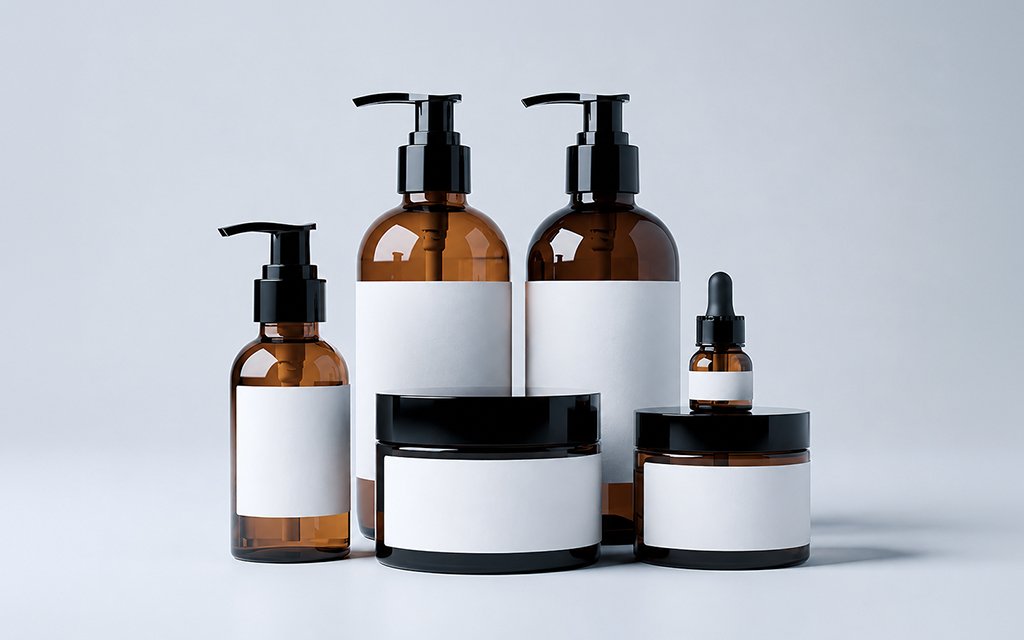
When packaging high-active serums or volatile botanicals, glass is the standard choice. However, the specific grade dictates the actual protection. Type I borosilicate provides a level of hydrolytic stability that standard Type II or III soda-lime cannot match. Because of its low alkali content, it resists chemical leaching, which helps maintain a sensitive formula’s exact pH balance throughout its shelf life.
Chemical inertness, however, is only part of the equation. The material also needs to mitigate UV degradation. To block light wavelengths, packaging engineers specify dark amber compounding, surface coatings, or zinc-oxide infused opal glass. Brands like Vintner’s Daughter rely on dark glass to protect light-sensitive botanicals, ensuring the active ingredients retain their potency from the filling line to the consumer.
Plastic: Structural Versatility and Optical Depth Engineering
While glass offers excellent barrier properties, plastics provide better structural design. PET and PETG are common specifications for crystal clarity and high chemical resistance. They are well-suited for heavy-wall injection molding; when the molding process and wall thicknesses are properly controlled, these polymers replicate the visual depth of glass without optical distortion.
Inside the package, Polypropylene (PP) is flexible and delivers high chemical resilience. These properties position PP as the gold standard for living hinges and inner product pods. In reusable systems, PP manages the physical stress of mechanical components effortlessly.
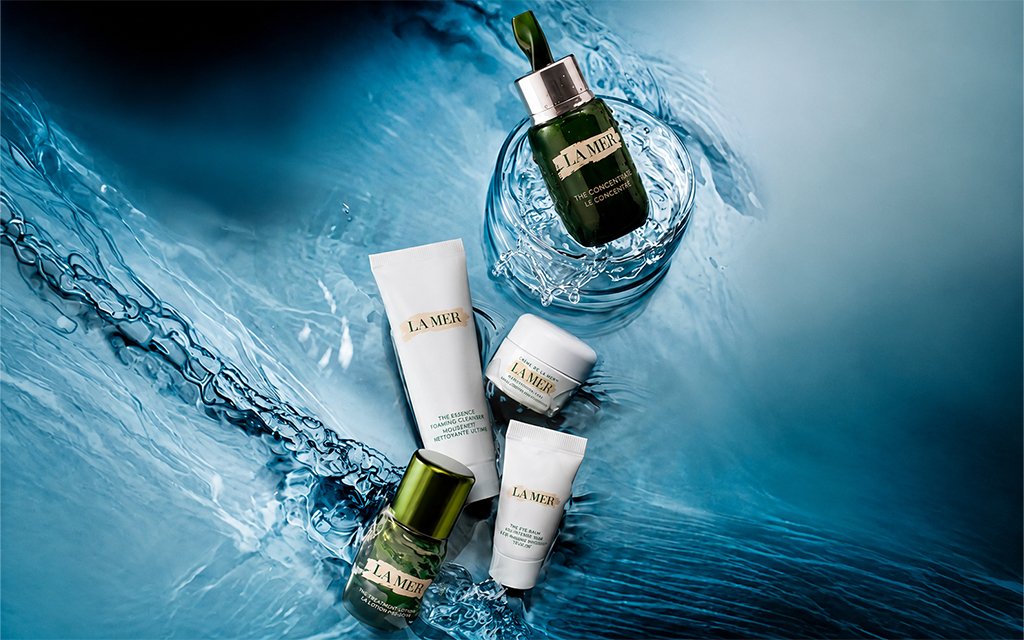
Then there is PMMA (Acrylic). Brands want the luxury weight of glass but cannot afford the shatter risk during transit or daily use. PMMA is a premier material solution to bridge this gap. By optimizing wall thickness and leveraging the material’s deep light refraction, packaging engineers can mimic that premium gravitational feel. La Mer strategically uses heavy-walled PMMA to manifest the substantial visual depth of glass, completely bypassing the risks of product loss and physical hazards.
How Do You Design Packaging for Premium Tactile Feedback?
Haptic Engineering: Gravitational Feedback and Acoustic Discipline
Luxury packaging relies heavily on tactile and acoustic feedback to convey quality. To eliminate the cheap, lightweight feel of standard plastics, packaging engineers embed hidden zinc or iron slugs inside the casing. This internal weighting adds mass to the assembly, delivering the substantial hand-feel that consumers associate with premium products.
Acoustics require the same mechanical discipline. When a customer closes a product, that premium audible click must hit a specific sound frequency. Controlling the sound decibels requires precise rib structure design, calculated wall clearances, and extremely tight snap-fit tolerances.
Surface Finishes: Translating Textures Into Formula Expectations
A package’s surface treatment establishes a brand’s positioning before the consumer ever opens the product. Matte or soft-touch polyurethane coatings communicate clinical purity and comforting hydration. Brands like Rhode and NARS rely on this low-glare tactile feedback to support an understated, contemporary minimalist position.
Conversely, high-gloss, clear surfaces emphasize shine and product color. This optical approach is highly effective for formulas like Dior’s Lip Glow Oil, where the translucent, high-shine casing gives an immediate visual cue about the glossy, fluid texture of the product inside.
Meanwhile, frosted and acid-etched surfaces evoke physical cooling and clean freshness. This textured finish triggers a subconscious connection to heritage apothecaries, a visual language long mastered by Chanel.
Aligning these exterior finishes with the specific characteristics of the formula ensures that the primary packaging effectively reflects the product type and elevates the overall user experience.
What Are the Engineering Challenges of Sustainable Beauty Packaging?
Material degradation presents a challenge to sustainable packaging compliance. Take primary cosmetic vessels made from recycled plastics. High-percentage PCR mixtures consistently trigger severe optical issues, causing the material to yellow and experience rapid mechanical fatigue over multiple heat cycles. For premium brands where visual consistency is mandatory, these material inconsistencies can limit the use of standard PCR.
The monomaterial design fixes this. Packaging engineers are now fabricating complex parts, such as mechanical pumps and lipstick elevators, completely out of 100% PP or 100% aluminum. This eliminates the internal steel springs and multi-resin glues that disrupt standard recycling.
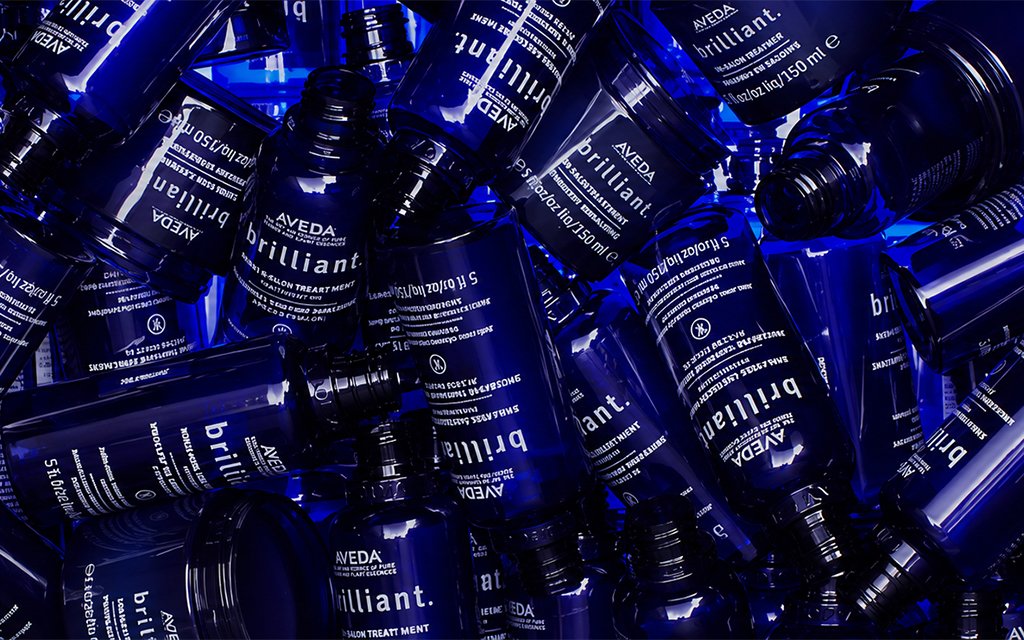
Aveda is an excellent example of this approach. They successfully implemented high-percentage PCR and monomaterial structures without losing premium structural integrity or tactile luxury. Addressing these sorting and recycling limitations early in the design phase allows beauty brands to satisfy circular economy requirements while controlling manufacturing and development costs.
Conclusion: Engineering the Ultimate Brand Experience
Premium custom packaging requires balancing material science, tactile engineering, and sustainability requirements. Superficial aesthetic choices without structural engineering make it difficult to produce functional containers that protect active formulas and support brand value. To succeed, beauty brands must integrate manufacturing resources and global facilities early in the design cycle. This alignment ensures material selections survive the realities of high-volume mass production.
Contact our team today to engineer a custom packaging architecture that perfectly reflects the premium quality of the cosmetics inside.
FAQ
Luxury beauty brands specify Type I borosilicate glass because it offers superior chemical inertness and hydrolytic stability compared to standard Type II or III soda-lime glass. Its specialized composition prevents alkaline leaching, which can shift a formula’s pH balance and degrade sensitive active ingredients over time. When paired with UV-blocking surface treatments or deep amber tinting, Type I glass provides a highly reliable physical barrier against both chemical degradation and light damage.
To overcome the lightweight, inexpensive feel of commodity plastics, packaging engineers use a combination of heavy-wall injection molding and internal weighting. By molding materials like PMMA (acrylic) or PETG with extreme wall thicknesses, they replicate the deep light refraction and optical depth of glass. Additionally, engineers seamlessly embed hidden zinc or iron slugs inside plastic casings or caps, adding the physical weight and substantial hand-feel that consumers automatically associate with high-end luxury products.
The main benefit of monomaterial cosmetic packaging is its high compliance with standard curbside recycling streams. Traditional cosmetic components—like lipstick elevators or lotion pumps—often contain hidden steel springs, multi-resin glues, and foil liners that contaminate recycling machinery. By engineering these complexes, moving mechanisms entirely from a single material class (such as 100% Polypropylene or 100% aluminum), the entire component can be tossed straight into a recycling bin without requiring complex manual disassembly by the consumer.
The post Cosmetic Packaging Material Science 101 appeared first on Zenpack Blog.


