
As climate change expands tick habitat across Canada, cattle producers are facing a growing threat from tick-borne diseases.
One of the most significant concerns is bovine anaplasmosis, caused by Anaplasma marginale. The disease can trigger fever and anemia and, while Canada remains officially free of bovine anaplasmosis, isolated cases have been reported in Manitoba, Ontario and Alberta. Those incidents have largely been linked to imported carrier animals rather than local tick transmission.
Another disease drawing increased attention is bovine theileriosis. In October 2025, the Canadian Food Inspection Agency confirmed Canada’s first case of Theileria orientalis (genotype Ikeda) in an Ontario dairy cow. Spread by the Asian longhorned tick, the disease can cause severe anemia and jaundice.
Canada does not maintain a national annual count of tick-borne illnesses in livestock; however, veterinary experts and regulators report increasing concern as expanding tick populations raise the risk of diseases such as bovine anaplasmosis and bovine theileriosis.
Longer tick season
With warmer temperatures and longer tick seasons, experts warn that the risk of tick-borne illnesses in Canadian livestock is likely to continue rising.
Nicoletta Faraone is an associate professor of biochemistry at Acadia University in Nova Scotia and director of the Canadian Tick Research and Innovation Centre (CTRIC).
She said Ontario, like many parts of Canada — particularly the Maritime provinces — is experiencing rising tick populations. According to Faraone, this trend has been developing for many years and is driven by several factors, including milder winters, longer warm seasons associated with climate change, changes in land use and growing wildlife populations that serve as hosts for ticks.
“For cattle producers, one important concern is the potential arrival of new tick species, particularly the Asian longhorned tick (Haemaphysalis longicornis). Although this species has not yet been detected in Canada, it has become established in several U.S. states, including Maine. Because it reproduces rapidly and can occur in very high numbers on livestock, it could have important implications for cattle health if it eventually reaches Canada,” she said.
In Ontario, farmers are most likely to encounter the blacklegged tick (Ixodes scapularis) and the American dog tick (Dermacentor variabilis). Faraone noted that while these species commonly feed on wildlife and people, they can also attach to cattle.
Disease transmission
Ticks can affect cattle both directly and indirectly. Heavy infestations may cause irritation, blood loss, reduced weight gain, hide damage and lower milk production.
Some ticks can also transmit pathogens that cause diseases such as anaplasmosis, ehrlichiosis, babesiosis and other infections that may result in fever, anemia, weakness, reduced productivity and, in severe cases, death.
Faraone recommends that producers regularly inspect cattle for attached ticks, particularly around the ears, neck, brisket, udder and tail area.
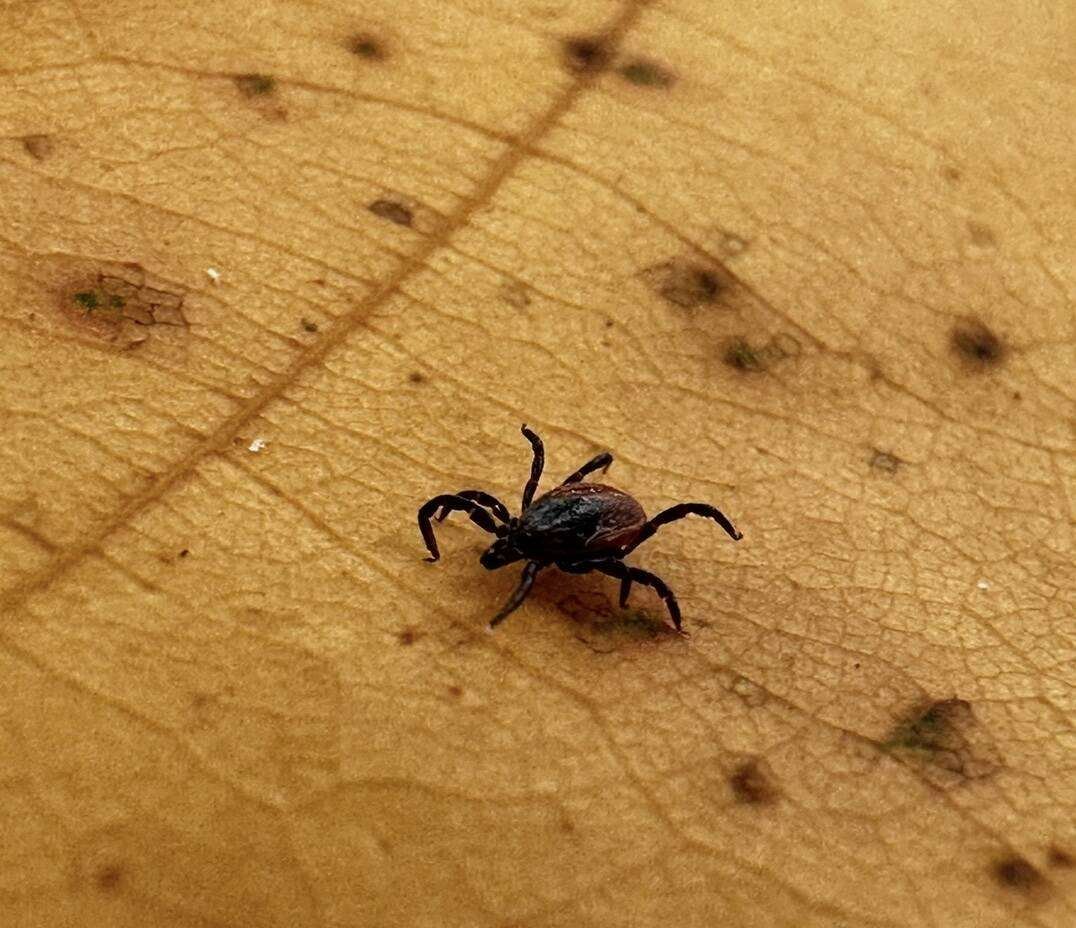
“Animals affected by tick-borne diseases may show lethargy, fever, pale mucous membranes associated with anemia, jaundice in some cases, reduced appetite, weight loss, difficulty breathing and decreased milk production,” she said. She added that farmers can incorporate practical management strategies into their farm plans to reduce exposure in pastures, grazing areas and livestock herds.
Ticks thrive in moist, humid environments and are commonly found in tall grass, wooded edges, brush, shrubs, leaf litter and along fence lines.
Faraone said keeping vegetation well managed by mowing grass and reducing brush and leaf litter around pastures and farm buildings can help reduce tick habitat.
“Regular inspection of cattle, prompt removal of attached ticks and the appropriate use of veterinarian-recommended tick-control products are also important management practices,” she said. “Producers should remember that ticks also pose a risk to people working on farms, so personal protective measures are equally important.”
Tick activity
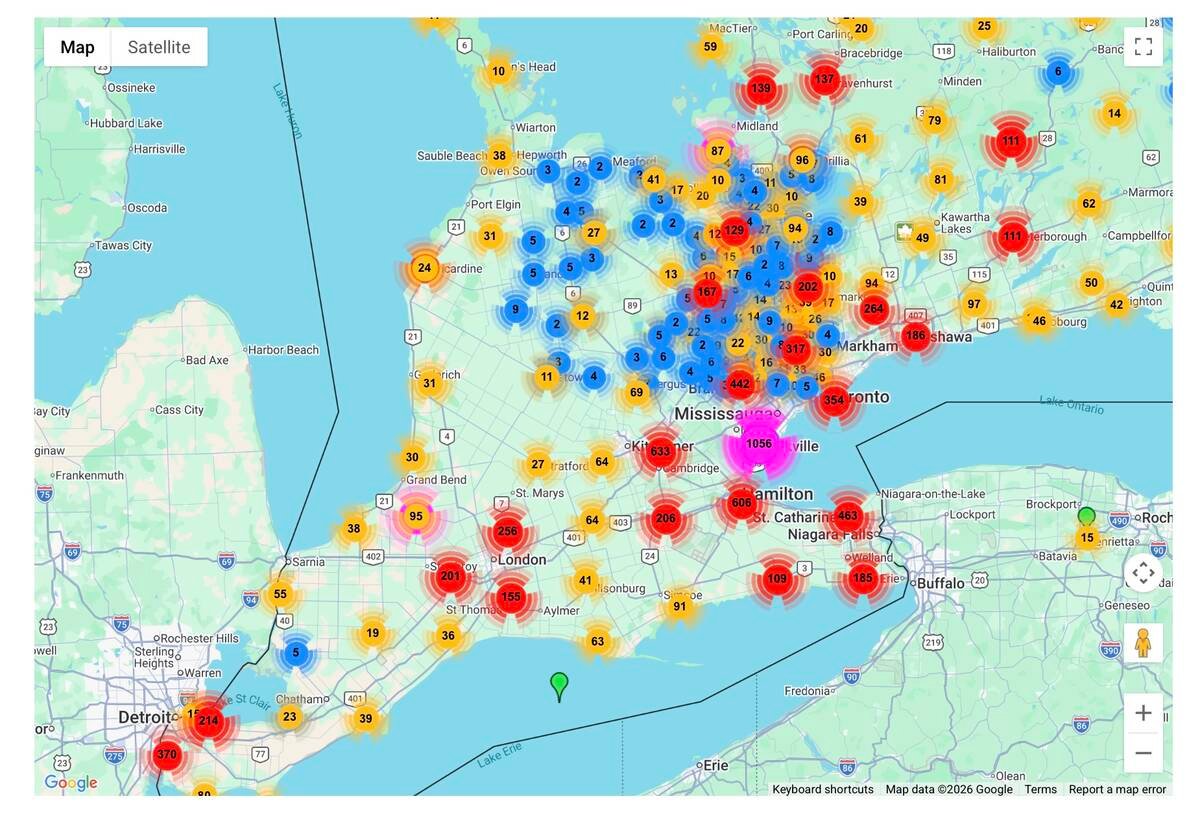
Tick activity depends on both species and weather conditions. With hot temperatures blanketing much of the country, Faraone warns that tick season is now in full swing.
“Blacklegged ticks are generally most active during the spring and early summer, with another peak in the fall. American dog ticks are typically active from spring through late summer,” she said, adding that ticks generally become active whenever temperatures remain above approximately 4 C. “This is the benchmark for producers to begin monitoring cattle early in the spring and remain vigilant throughout the grazing season.”
Faraone said active and passive surveillance programs help identify where tick populations are increasing and whether new tick species or pathogens are emerging. She added that veterinary advice is essential for selecting appropriate prevention and treatment strategies for individual herds.
“Good pasture management, vegetation control and regular monitoring of livestock all help reduce tick exposure and minimize production losses. Early detection allows producers to respond before infestations become severe and helps protect both animal health and farm profitability,” she said.
The post Tick-borne diseases in cattle rise as warming climate expands tick range appeared first on Farmtario.


