
Blog
American agriculture is often described in broad strokes. Corn from the Midwest. Cotton from the South. Wheat from the Plains. Those descriptions aren’t wrong, but they overlook one of the country’s most remarkable agricultural regions.
Across the Northeast, agriculture thrives through variety. Dairy farms share the landscape with cranberry bogs, apple orchards, vineyards, maple producers, specialty crop growers, greenhouse operations, aquaculture businesses and value-added food manufacturers. Within a day’s drive, the landscape changes dramatically, and so do the agricultural enterprises that depend on it.
That diversity isn’t simply interesting. It has shaped a regional agricultural economy built on resilience, entrepreneurship and innovation.
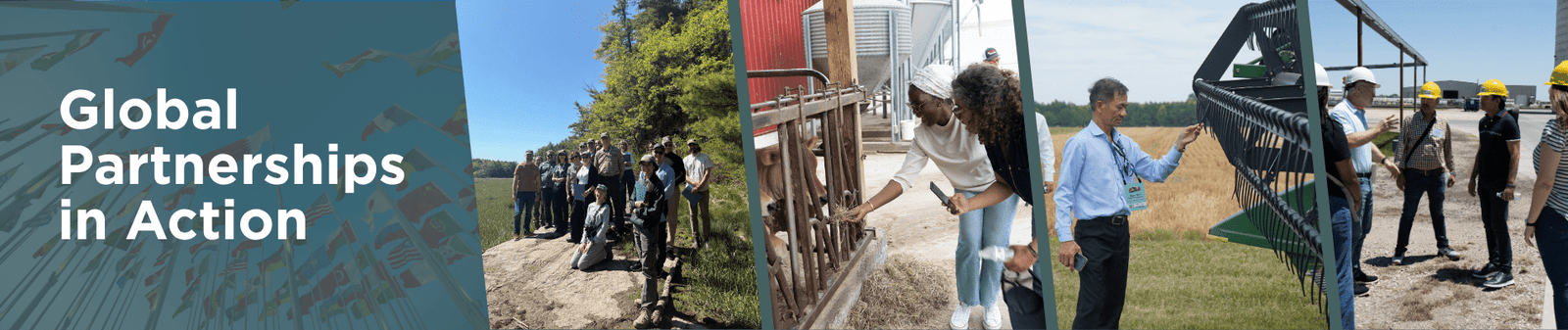
Earlier this summer, international agricultural leaders experienced that story firsthand during the NEASDA Inbound Mission through Massachusetts and Vermont. The delegation included agricultural representatives from Kenya, Morocco and Senegal, bringing perspectives from three distinct African markets while exploring the diversity that defines northeastern agriculture. Rather than introducing visitors to a single commodity or production system, the program revealed how an entire region has learned to capitalize on its diversity.
Each stop highlighted a different chapter of the northeastern agricultural story.
Participants visited farms where generations of producers continue adapting to changing markets while preserving traditions that define their communities. They toured university research facilities where scientists help producers improve productivity, address environmental challenges and prepare for the future. They met entrepreneurs who have built successful businesses by transforming regional agricultural products into high-value foods sought by consumers around the world.
Viewed individually, each operation reflected a unique corner of northeastern agriculture. Together, they demonstrated something much larger: diversity creates opportunity.
That lesson extends beyond the products themselves.
The Northeast has become a place where producers often succeed not by growing more of the same crop, but by identifying new markets, adding value, embracing innovation and responding quickly to changing consumer expectations. Research institutions, state departments of agriculture and private industry work alongside producers to help make that possible, creating an ecosystem where ideas move as freely as products.
For many international visitors, the experience challenged long-held assumptions about American agriculture.
The United States is frequently viewed through the lens of large-scale commodity production. While those industries remain essential, the Northeast illustrates another equally important dimension of American agriculture, one built on specialization, regional identity and entrepreneurial growth. It demonstrates that farms of different sizes, commodities and business models all contribute to the strength of the nation’s food system.
The mission also underscored the value of seeing agriculture firsthand.
Walking through orchards, speaking directly with dairy producers and visiting university laboratories provided context that no report or presentation could fully capture. Conversations naturally shifted from production practices to workforce needs, sustainability, consumer trends and the changing economics of farming. Those discussions revealed that while every region faces its own challenges, many of agriculture’s opportunities are shared.
Perhaps that is the Northeast’s greatest lesson. Its diversity encourages adaptability.
When producers work across many commodities, climates and business models, they become exceptionally skilled at responding to change. That flexibility has helped northeastern agriculture remain competitive despite limited acreage, changing weather patterns and evolving consumer demand.
As agriculture continues adapting to new technologies, shifting markets and global competition, the Northeast offers an important reminder that there is no single blueprint for success.
American agriculture draws its strength from many landscapes, many commodities and many approaches to farming. Programs like the NEASDA Inbound Mission help international partners experience that reality firsthand while reinforcing one of the industry’s greatest assets: diversity isn’t simply something American agriculture possesses.
It is one of the reasons it continues to thrive.
Contact Information
About
Global Partnerships in Action is an editorial series exploring the ideas, relationships and strategies shaping international agricultural engagement. Through state-led trade missions and global partnerships, the series examines what these experiences reveal about American agriculture and the people working to expand opportunities for U.S. producers around the world.
The post What the Northeast Reveals About American Agriculture appeared first on NASDA.


