
Blog
International trade is often measured in exports, market share and economic impact. Those numbers tell an important story, but they rarely explain how successful trade relationships begin.
Long before products move across oceans, people sit across from one another at conference tables, walk through fields together and ask questions about the challenges they face at home. They compare production practices, discuss weather, talk about family farms and discover that agriculture speaks a language understood far beyond national borders.
Trust grows one conversation at a time.
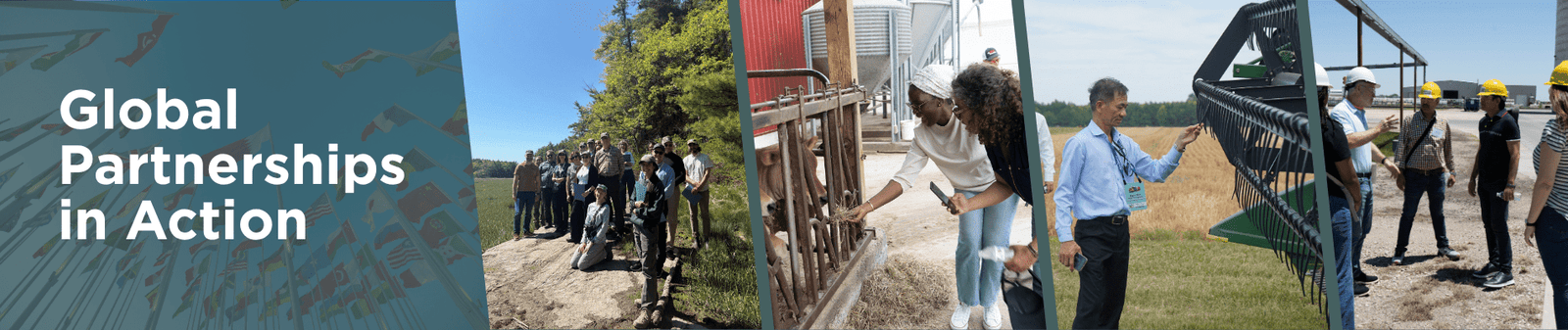
That lesson came into focus during the SASDA Inbound Mission, where international agricultural leaders traveled from Thailand and Vietnam through the South to experience one of the country’s most productive and deeply rooted agricultural regions. While participants toured farms, universities and agricultural businesses, the mission revealed something less tangible but equally important: relationships remain one of American agriculture’s most valuable assets.
Southern agriculture has always been defined by its people as much as its products.
Across generations, farming families have passed down knowledge shaped by experience, perseverance and an enduring connection to the land. Those stories became part of the mission itself as producers welcomed visitors onto their farms, explained how their operations have evolved and shared the decisions they make every season to remain productive and competitive.
For international participants, those conversations provided an authentic view of American agriculture that extended well beyond production statistics or market reports.
Questions about irrigation often led to discussions about water management. Conversations about livestock evolved into broader discussions about animal health, consumer expectations and sustainability. Every stop created opportunities to move beyond prepared presentations and into genuine dialogue, where both hosts and visitors gained new perspectives.
That openness reflects one of the South’s defining characteristics.
Hospitality is often associated with welcoming guests, but in agriculture it serves a larger purpose. It creates an environment where ideas can be exchanged honestly, challenges can be discussed openly and relationships can develop naturally. Those qualities are difficult to quantify, yet they frequently become the foundation for future business partnerships, technical cooperation and continued engagement.
State departments of agriculture play an important role in fostering those connections. By bringing together producers, universities, commodity organizations and international partners, they create opportunities that individual organizations might never achieve on their own. The result is an agricultural community that becomes more connected—not only within the United States, but around the world.
The experience also benefited American producers.
Hosting international visitors encourages farmers and agricultural leaders to view their own operations through a different lens. Explaining production practices, answering questions and hearing how agriculture is approached in other countries often sparks new ideas while reinforcing the shared challenges facing producers regardless of geography.
That exchange is one of agriculture’s quiet strengths.
Although climates, commodities and cultures differ, producers around the world are working toward many of the same goals: producing safe food, caring for natural resources, supporting rural communities and creating opportunities for the next generation.
The SASDA Inbound Mission served as a reminder that international engagement is ultimately about people.
Markets may fluctuate. Consumer preferences will continue to evolve. Technologies will change. But agriculture will always depend on relationships built through credibility, respect and trust.
Those relationships rarely begin with contracts. They begin with a handshake in a field, a conversation over lunch or a producer willing to answer one more question before the tour moves to its next stop. In the end, those moments often become the most valuable investment any trade mission can make.
Contact Information
About
Global Partnerships in Action is an editorial series exploring the ideas, relationships and strategies shaping international agricultural engagement. Through state-led trade missions and global partnerships, the series examines what these experiences reveal about American agriculture and the people working to expand opportunities for U.S. producers around the world.
The post Before Products Cross Borders, People Do appeared first on NASDA.


