
Novi, Michigan | July 28–29, 2026
The 2026 SP Innovation Summit brought together hundreds of automotive sustainability leaders and practitioners from across the value chain for two days of discussion, collaboration and networking at the Vibe Credit Union Showplace in Novi, Michigan.
Presented by Magna, the Summit focused on practical strategies to create business and environmental value across four key themes: decarbonizing operations and supply chains, sustainable and circular materials, nature and water stewardship, and sustainability leadership strategies and emerging issues.
Day 1: July 28, 2026
The Summit opened with remarks from Kellen Mahoney, SP executive director, and Ahmed Elganzouri of Magna, chair of the SP Board of Directors. The opening also included recognition of former Board Chair Fred Gersdorff for his leadership and contributions to SP.
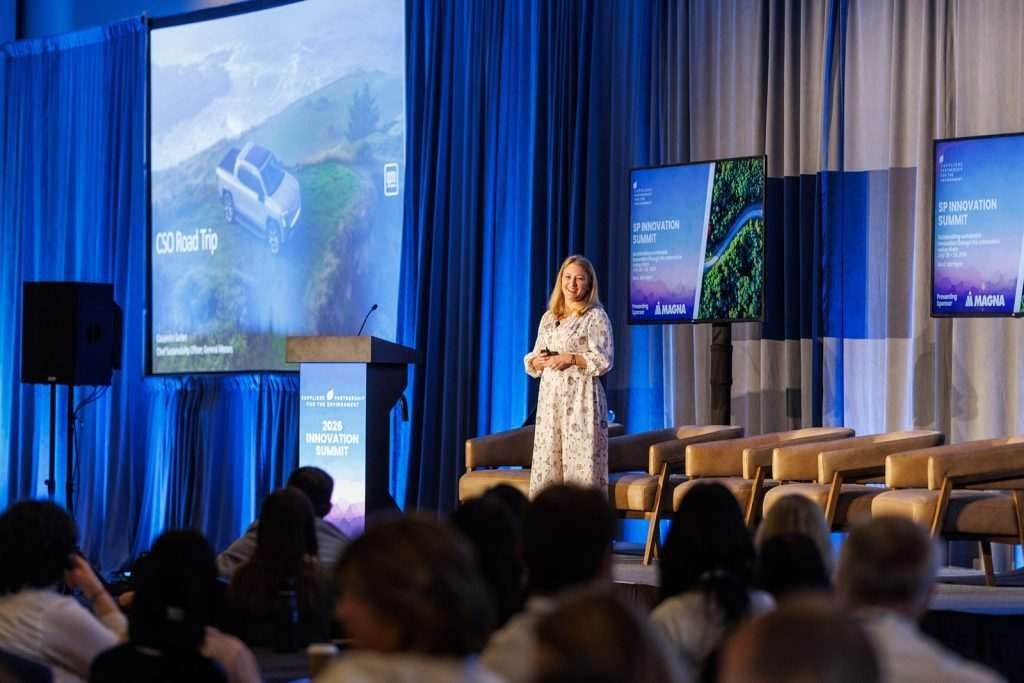
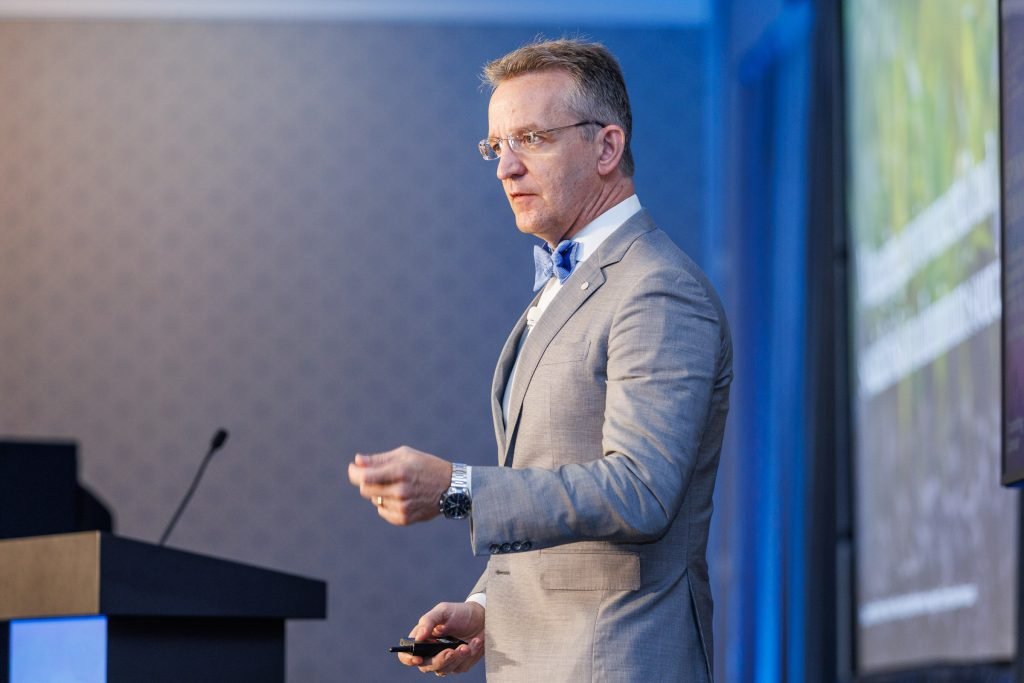
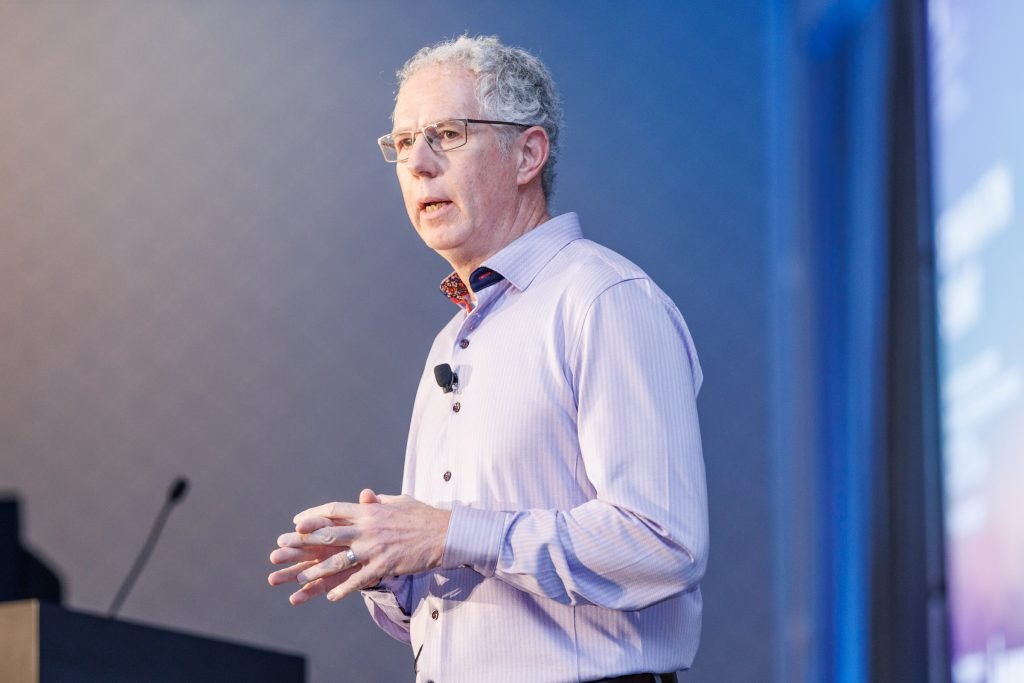
Opening keynote speaker Cassandra Garber, chief sustainability officer at General Motors, explored the need to continually adapt the industry’s shared sustainability journey as market conditions, customer expectations and business priorities evolve. She emphasized that while the path may change, the long-term vision remains consistent.
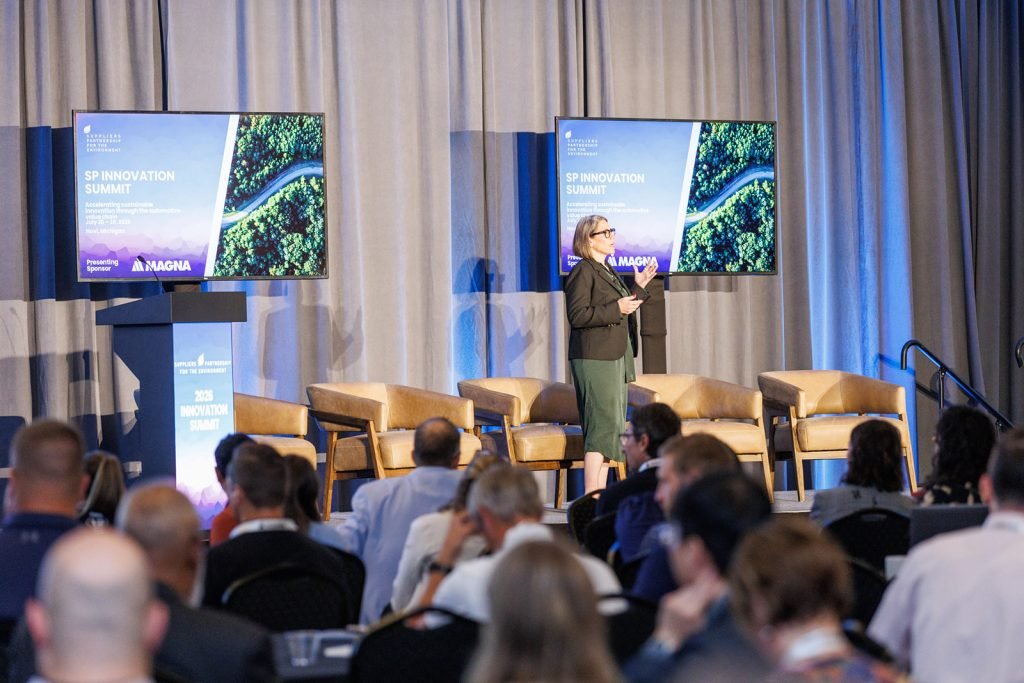
Julia Rege, vice president of regulatory affairs and compliance at Toyota Motor North America, examined how ongoing policy and regulatory changes are influencing vehicle technology portfolios, investments and long-term planning. Her presentation also highlighted the continued importance of disclosure, traceability and extended producer responsibility requirements, as well as Toyota’s multipathway approach to vehicle technology.
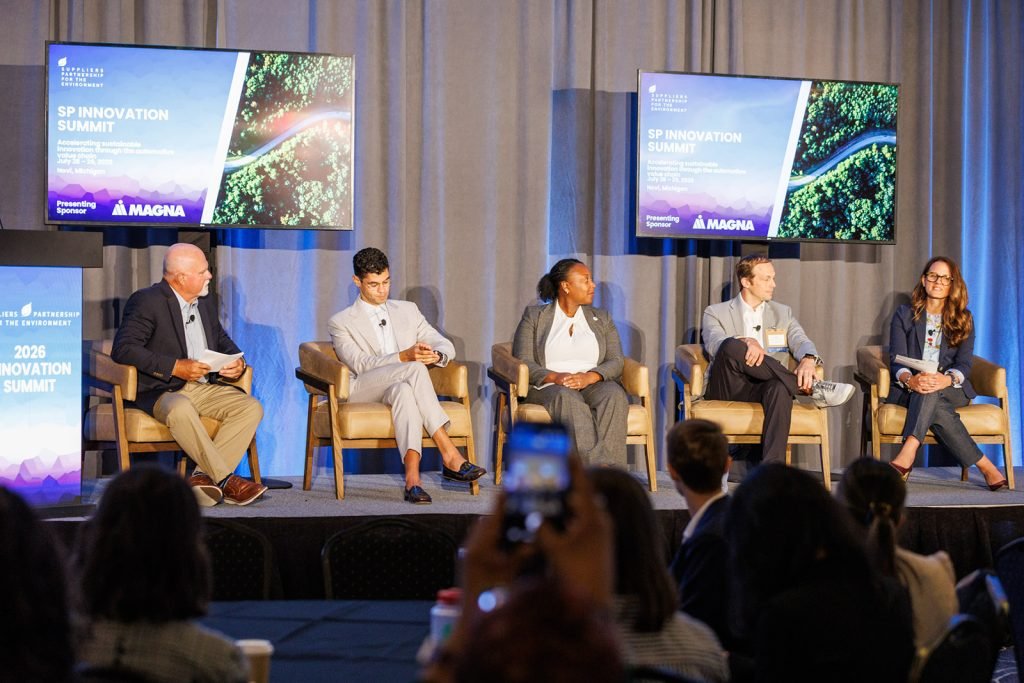
The opening plenary concluded with an SP Board discussion on what environmental sustainability leadership may require over the next five years. Moderated by SP’s executive advisor Kevin Butt, the panel featured Ahmed Elganzouri of Magna, Cassie Mayrand-Burney of Ford Motor Company, Karen Tarver of Honda Development & Manufacturing of America, and Jozef Chrzanowski of Lear Corporation. Panelists discussed the importance of maintaining long-term direction while responding pragmatically to near-term business conditions, strengthening internal alignment and expanding collaboration across the value chain.
Morning breakout sessions addressed:
- Aligning automotive sustainability roadmaps with actual technology adoption to support more credible Scope 3 planning (WSP, Power Systems Research)
- Low-carbon and circular material strategies, including supplier engagement and the challenges of moving from pilot projects to scale (Autoliv, BASF)
- Real-world design and implementation of nature-based solutions within the automotive value chain (General Motors, Tandem Global)
- Building a financially viable business case for sustainability (KERAMIDA)
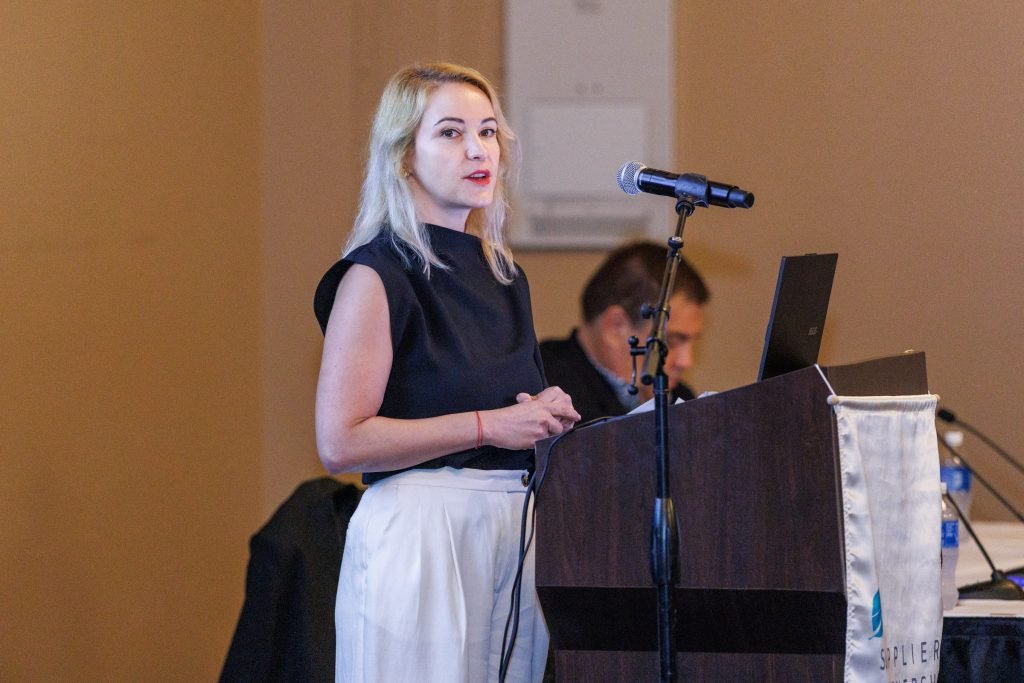
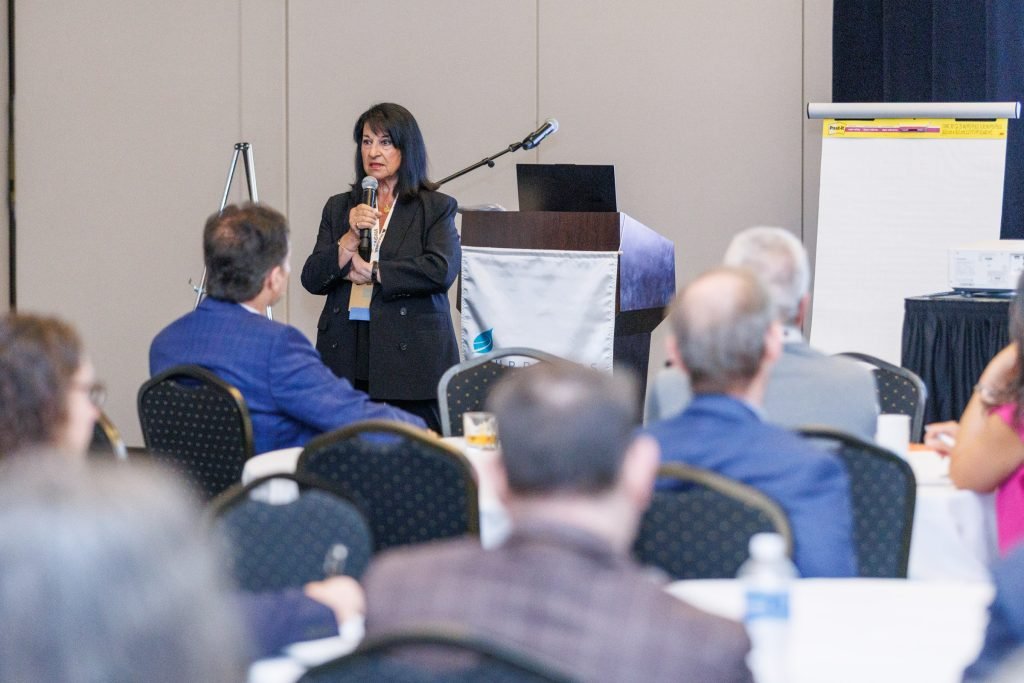
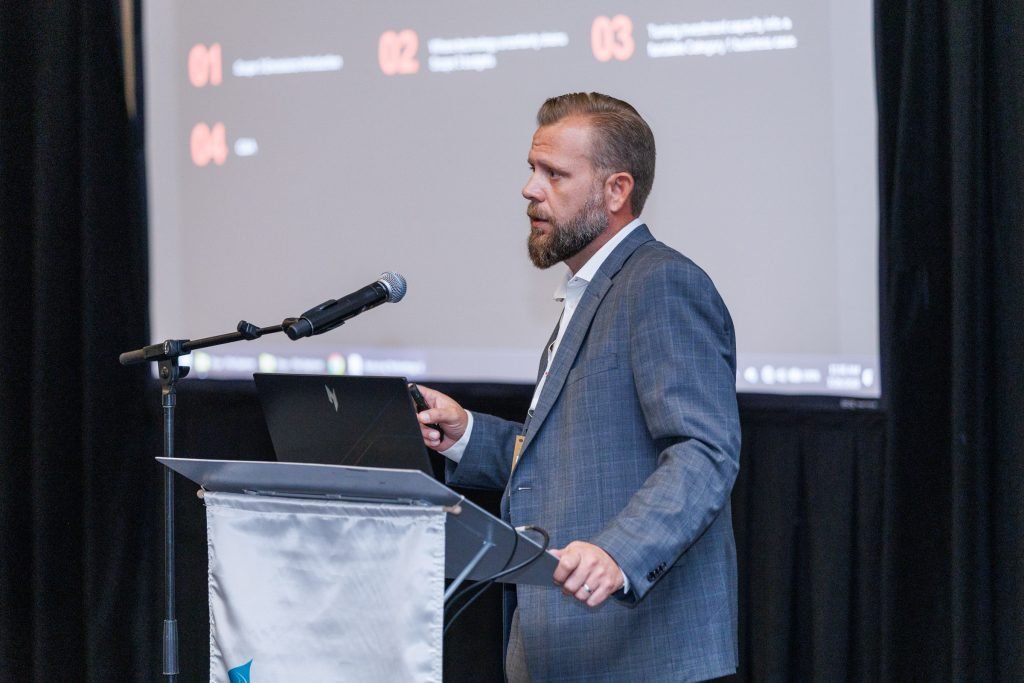
The afternoon plenary opened with Stefan Crets of CSR Europe sharing an overview of Drive Sustainability and its work to align sustainability expectations across the global automotive supply chain. The presentation highlighted the Drive Sustainability Self-Assessment Questionnaire and the value of shared approaches that reduce duplication and supplier burden.
Matt Holland of Bridgestone and Bill Combs of Penske then presented early findings from their Decarbonization Lab, a real-world testing partnership focused on reducing both emissions and cost per mile.
Duncan Pitchford of Hydro Aluminum Metals USA explored nature-related risks and opportunities associated with aluminum sourcing. His presentation addressed biodiversity, human rights, land rehabilitation and community impacts within primary aluminum production, as well as opportunities to strengthen traceability and expand locally sourced, postconsumer recycled aluminum.
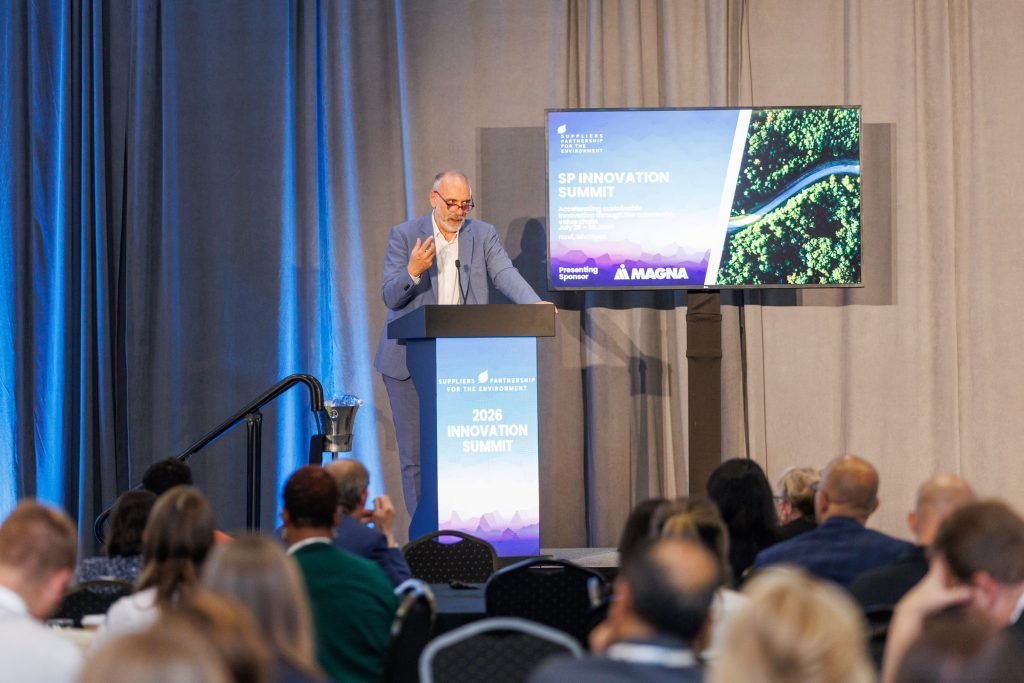
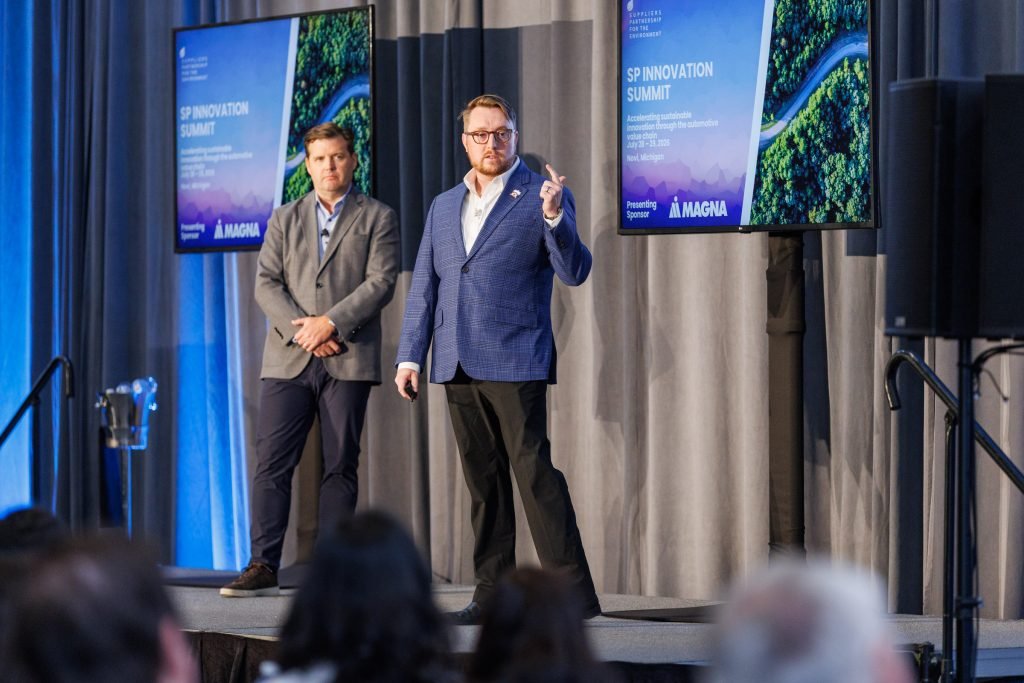
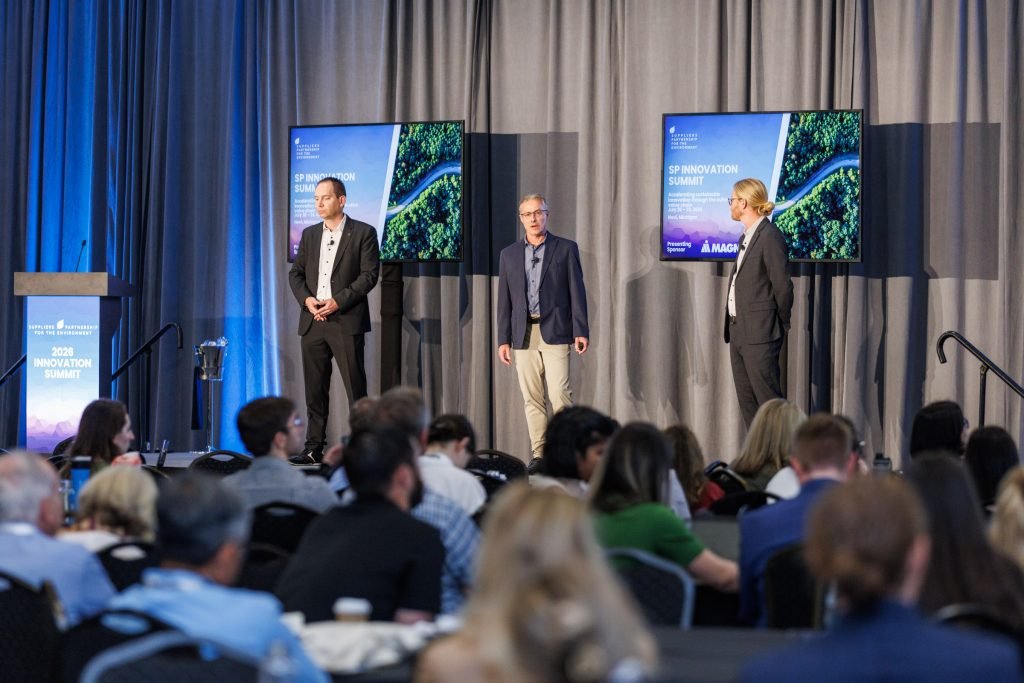
The annual Innovation Showcase featured four rapid presentations on emerging solutions:
- A Volkswagen, Eastman and Visscher-Caravelle partnership to develop recyclable mono-material polyester automotive floor mats
- Toyota Tsusho America initiatives to convert diesel-powered shunt trucks and tow tractors to electric alternatives
- Energy Security Agency’s Firebox system for the safe recovery and transportation of damaged or high-risk electric vehicles
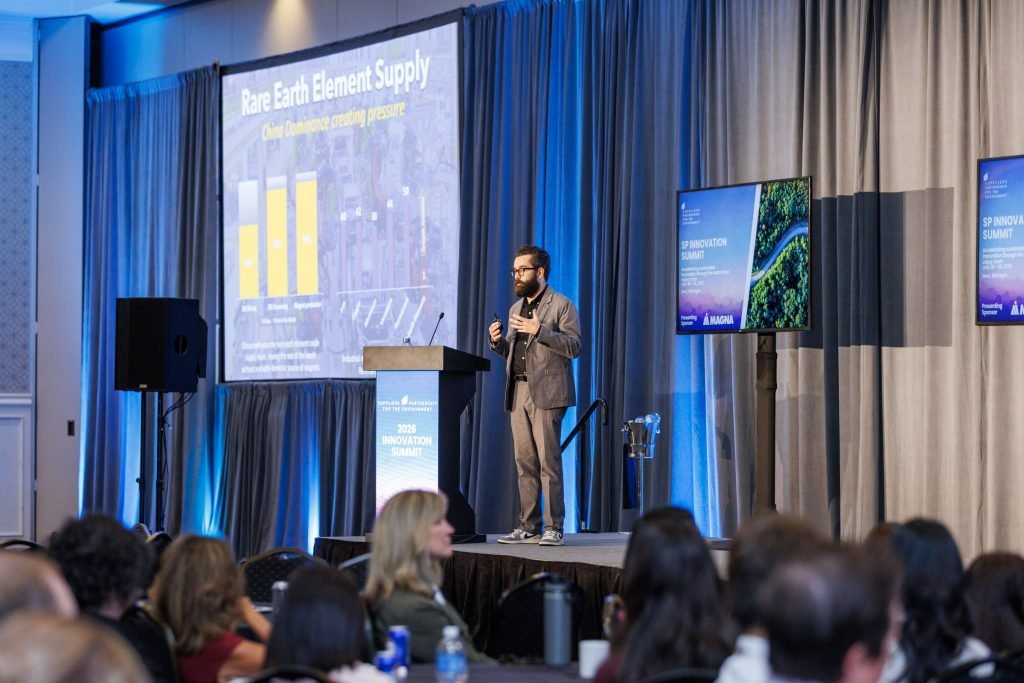
- Cyclic Materials’ approach to recovering rare earth elements from end-of-life motors and other products
Presenters highlighted the potential for these approaches to reduce emissions, improve safety, recover critical materials and create more circular automotive supply chains. Attendees voted for their favorite innovation pitch at the conclusion of the showcase, with Nic Brown of Toyota Tsusho receiving the most votes.
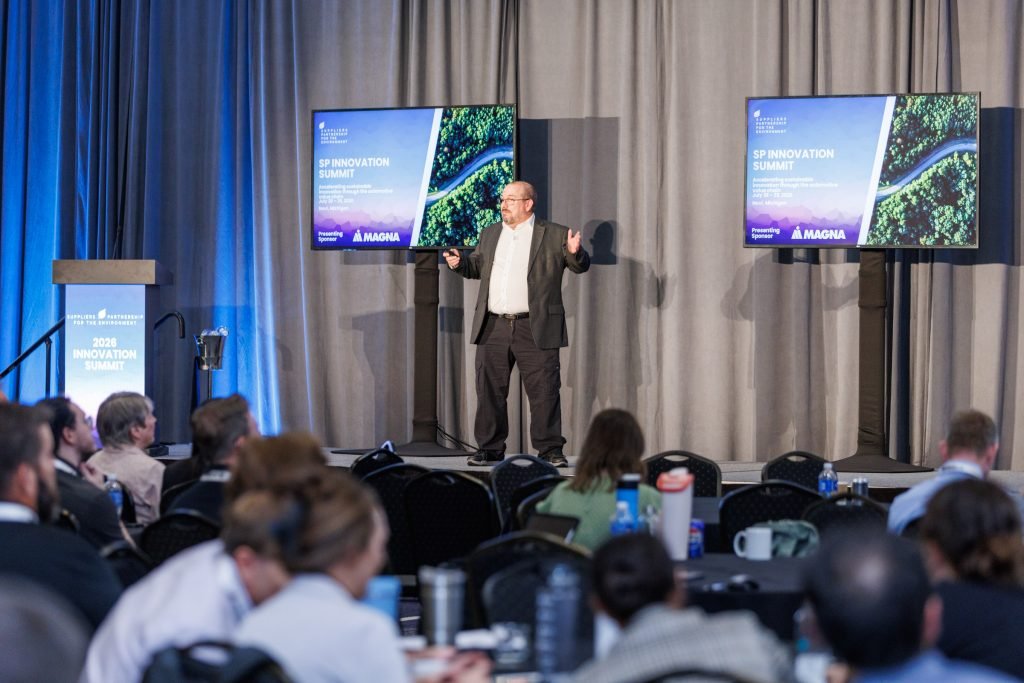
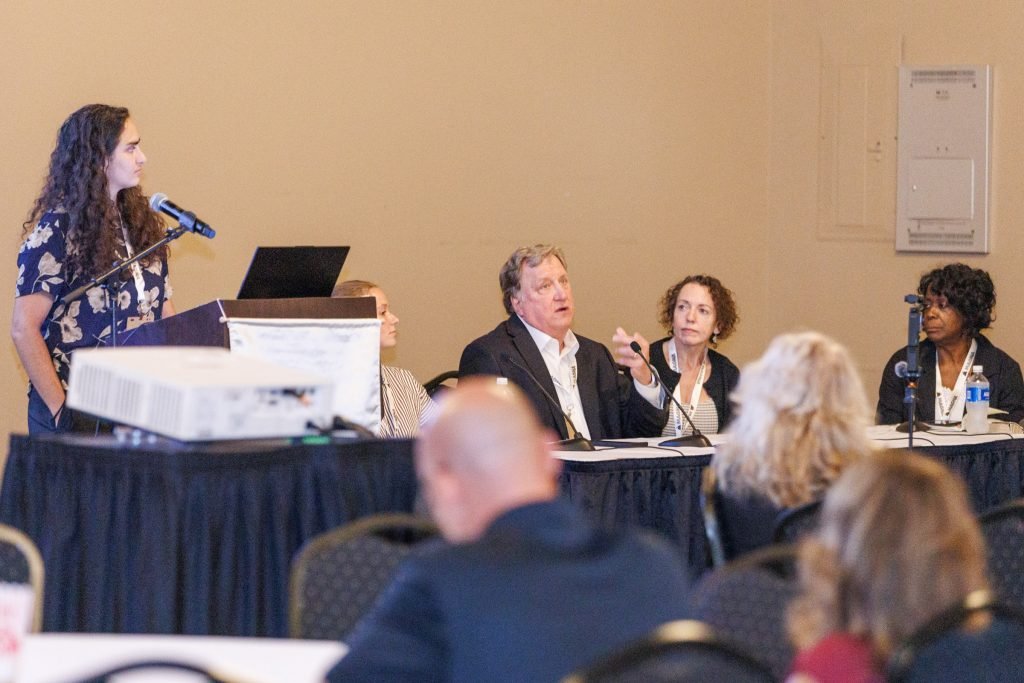
Afternoon breakout sessions examined:
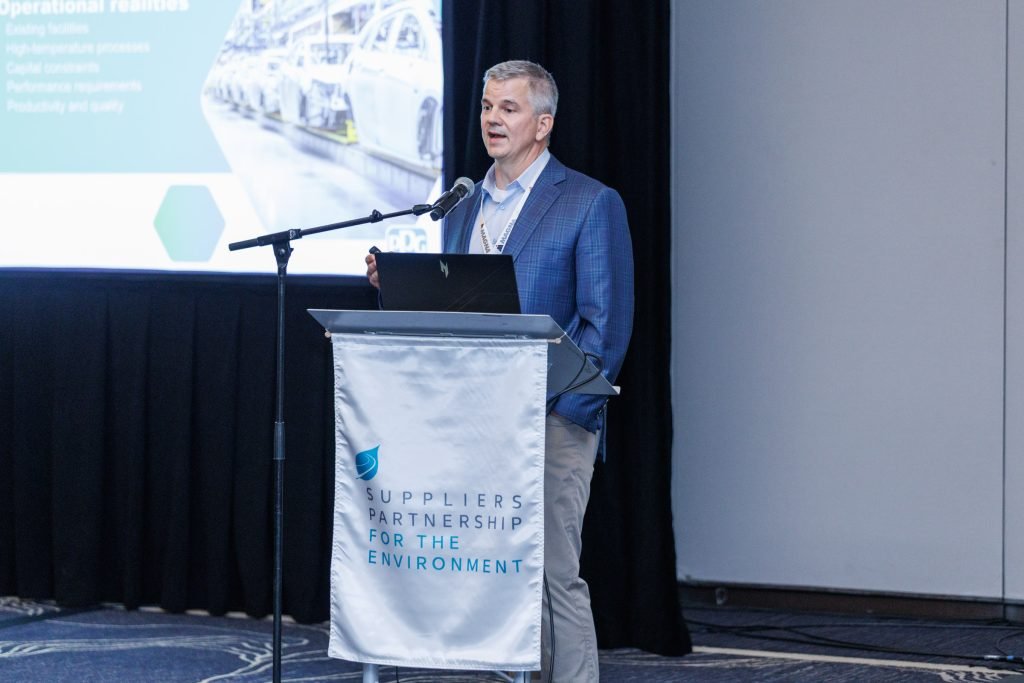
- Opportunities to reduce emissions from automotive paint shop and heat-treatment processes (PPG, Bodycote)
- Responsible management of EV batteries and electronic waste from dealerships, service centers and scrap yards (GM, VCU, VMX, Padnos, Cellblock)
- The importance of supplier engagement in addressing nature-related risks across the value chain (Pure Strategies, Toyota)
- The integration of human expertise and AI-enabled tools into sustainability project workflows (OrbAid, SE)
The first day concluded with a networking reception, providing attendees with additional opportunities to exchange ideas and build connections across the industry.
Day 2: July 29, 2026
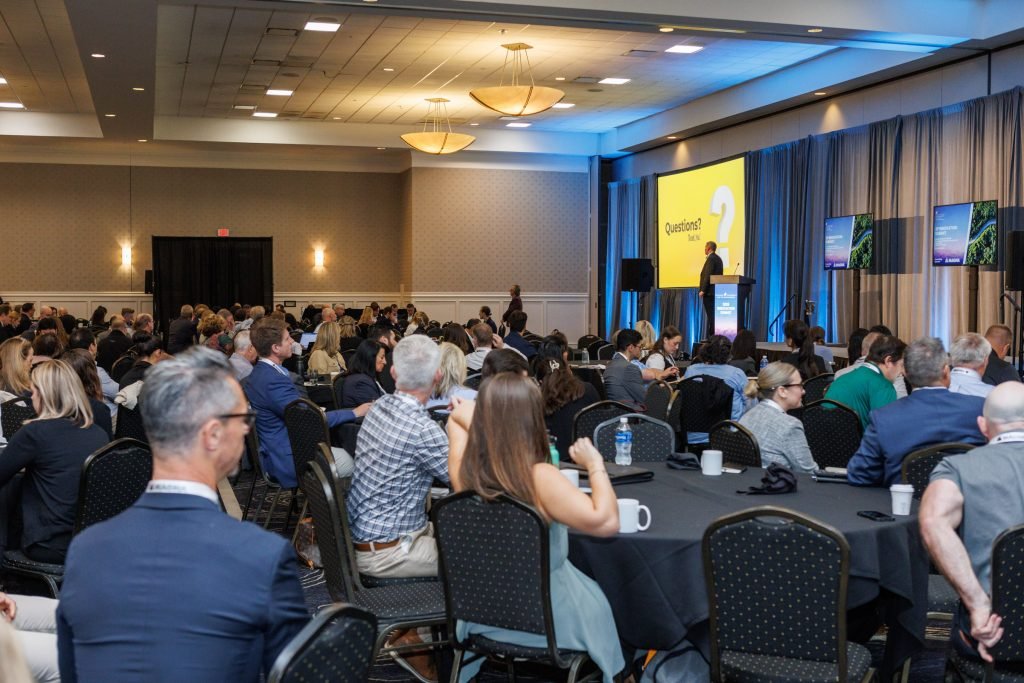
Kellen Mahoney and Summit Committee Co-Chair Vickie Lewis of VMX International welcomed attendees back for the second day. John Bradburn of ERA Environmental shared a success story involving multiple SP members to repurpose used wood pallets from an automotive supplier for social and community impact.
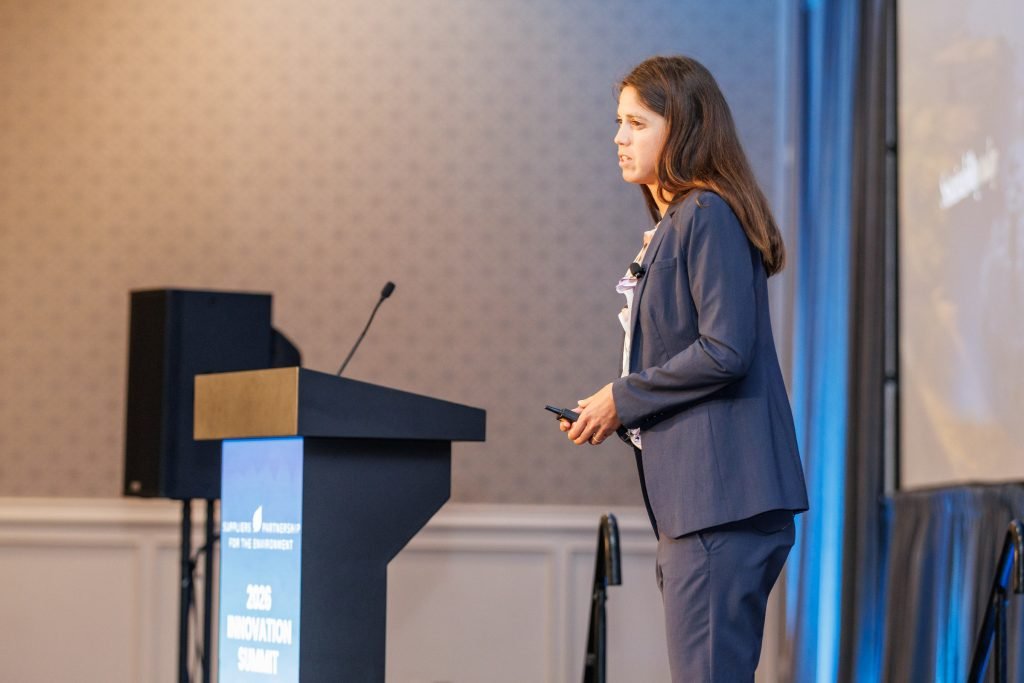
David Bruce of FANUC America opened the morning program with a look at emerging AI and industrial automation technologies. His presentation explored physical AI, robotics, digital twins and virtual commissioning.
Olga Aulet-Leon of Lucid Motors discussed how sustainability can create business value when it is connected to innovation, efficiency and continuous improvement. She encouraged organizations to prioritize high-impact opportunities that can deliver measurable environmental benefits while strengthening business performance.
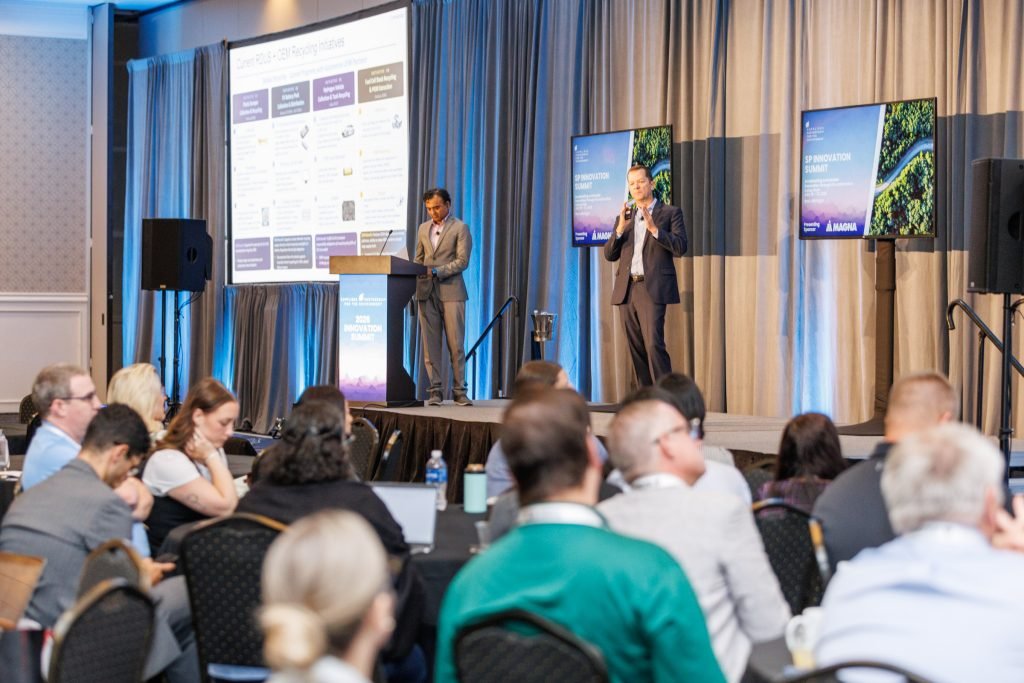
Palani Palaniappan of Toyota Motor North America and Steve Heiskell of Radius Recycling shared examples of OEM and recycler collaboration to improve the dismantling and recovery of fuel cell and electric vehicles. The presentation addressed practical training for dismantlers, safe battery and hydrogen-system handling, and opportunities to recover batteries, rare earth magnets, precious metals, plastics and other materials from emerging vehicle technologies.
Morning breakout sessions covered:
- Using business and operational data to strengthen carbon decision-making and value creation (EcoVadis, NextEra Energy)
- The role of Digital Product Passports in improving product traceability and lifecycle transparency (Circulor)
- Emerging water technologies that can support operational resilience and ecosystem protection (AquaAction, CaptureTech, Myconaut, Sequestro)
- Practical storytelling techniques to embed sustainability into core business strategy (Tetra Tech, TE Connectivity)
The afternoon breakout program continued with sessions focused on:
- Product carbon footprint reporting, data quality and evolving expectations for verification and audit readiness (Magna, IAOB-C, RSJ, Sphera)
- Tire recycling and the development of stronger end-use markets for recycled rubber (RRS, Tire Recycling Foundation, GDC, Composite Innovations, Bridgestone)
- An interactive workshop identifying barriers, priorities and collaborative opportunities related to water reuse in the automotive sector (DENSO, Ford)
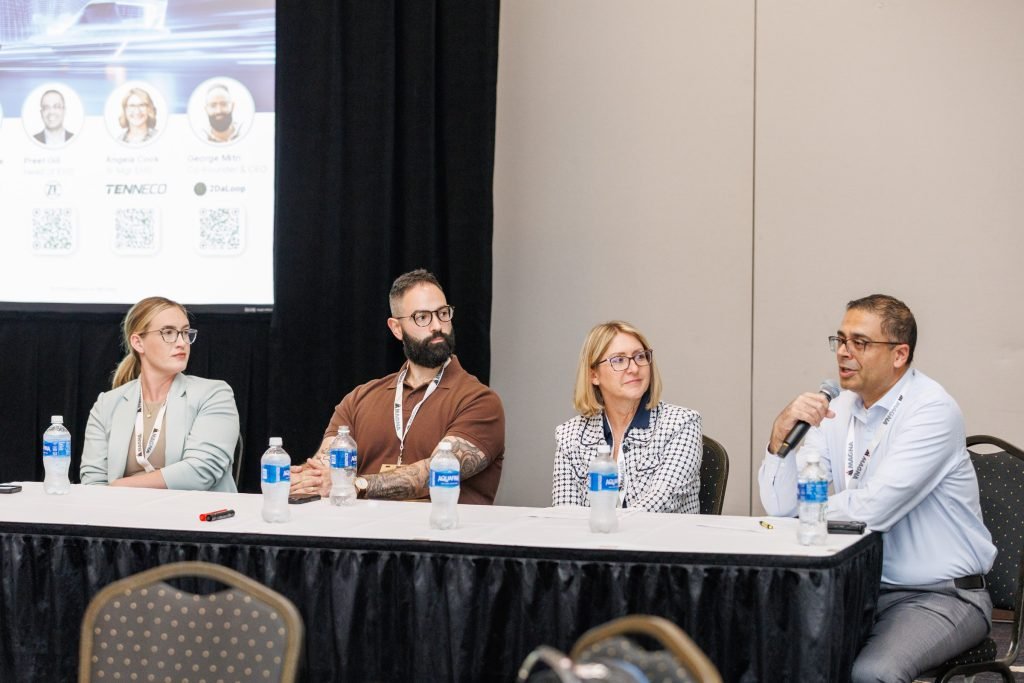
- Emerging AI applications and their implications for sustainability strategy, data, operations and organizational capability (OrbAid, Tenneco, ZF, 2DaLoop. SE)
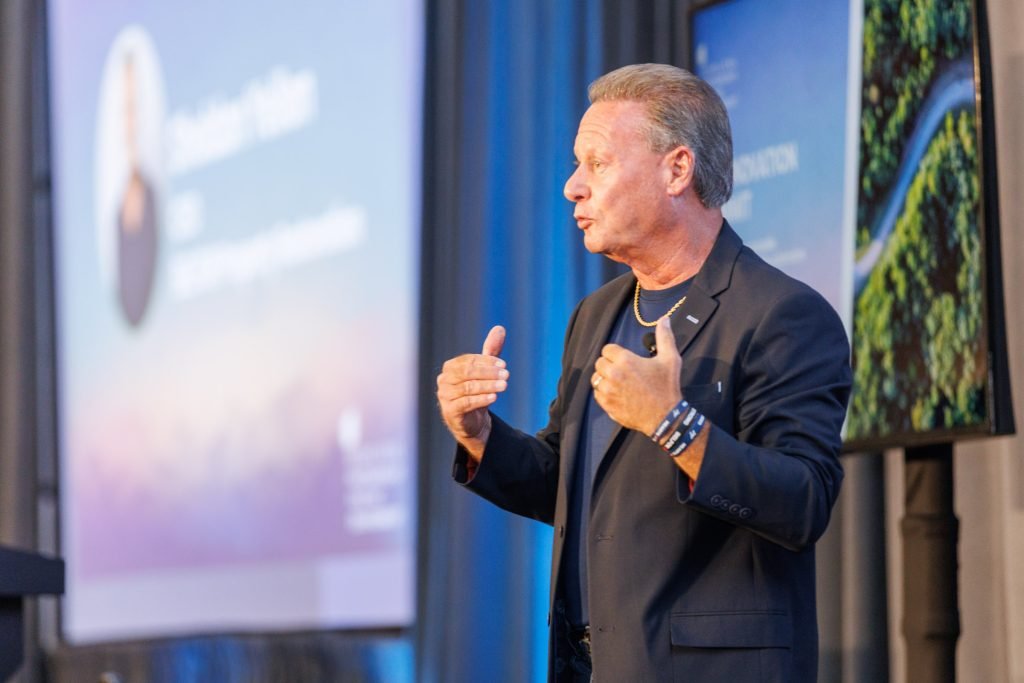
Sheldon Yellen, CEO of BELFOR Holdings, opened the closing plenary with a discussion of operational resilience in a changing risk landscape. His remarks focused on his personal journey and experiences in preparing facilities and supply chains for climate volatility, physical risks and other disruptions.
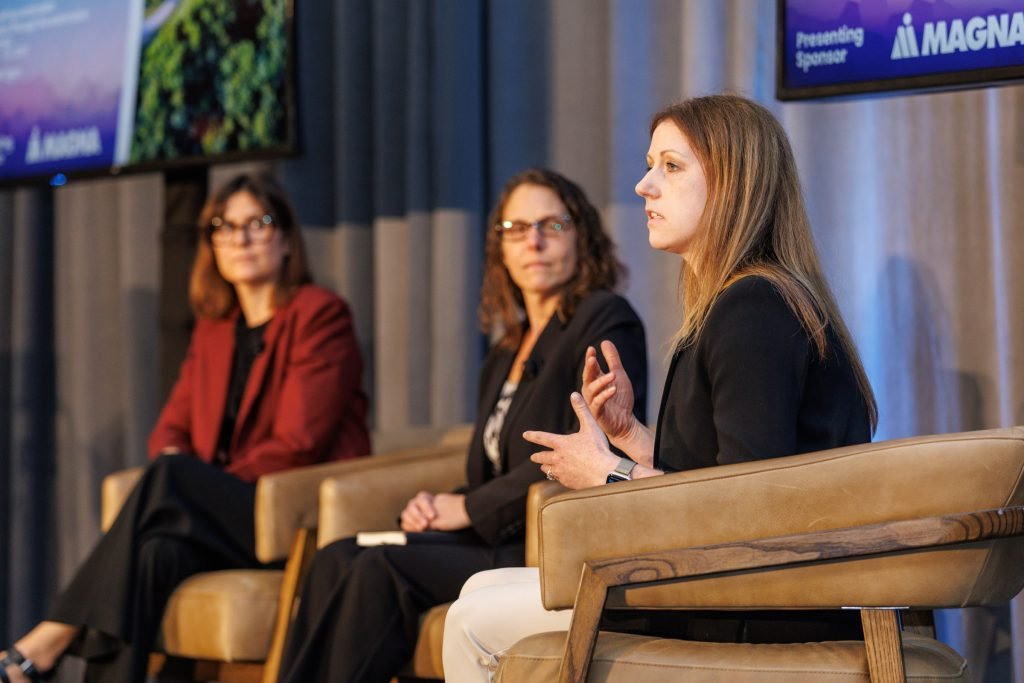
A subsequent panel featuring Camille Messer of EcoVadis, Jillian Brown of General Motors and Lori Fairchild of Stellantis examined a new collaboration between SP and EcoVadis’ automotive Accelerate initiative. Moderated by Kellen Mahoney, the discussion focused on reducing duplication, improving supplier capacity building and using collaborative approaches to establish clearer and more consistent expectations across the value chain.
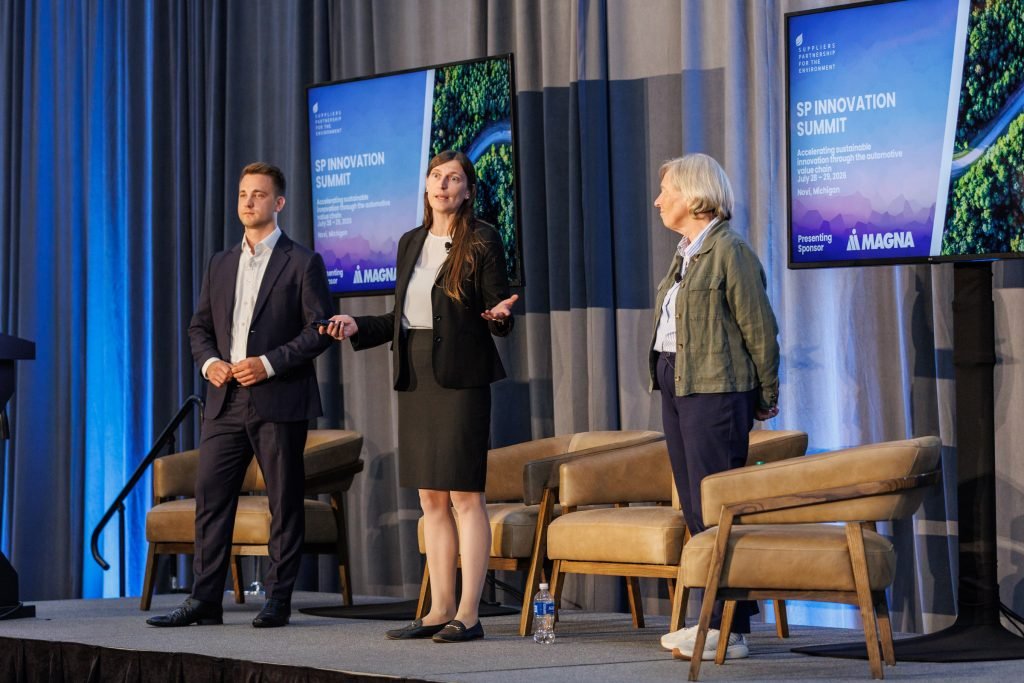
The final panel brought together Dr. Benedikt Steiner of BMW Group, Susanne Trescher of Deloitte and Martha Amram of GLYNT.AI to discuss carbon accountability. Speakers emphasized the need for harmonized methodologies, stronger data-quality indicators, independent verification and more efficient digital exchange of product carbon footprint information. The discussion highlighted a shared goal of measuring, verifying and exchanging trusted carbon data more consistently across the value chain.
The Summit concluded with thanks to the event’s sponsors, speakers, planning committee volunteers and attendees. SP encouraged participants to continue the conversations through its work groups and collaborative initiatives throughout the year as the organization works toward its shared vision of a thriving automotive industry with positive environmental impact.
Additional information on the Summit, including presentations and next steps, is available to current SP member companies. Please contact us if you’d like to learn more about SP and opportunities to participate as a member. All event photos by Hugh Anderson.
View photos from the 2026 Innovation Summit here.
The post SP 2026 Innovation Summit Event Recap appeared first on Suppliers Partnership for the Environment.


